
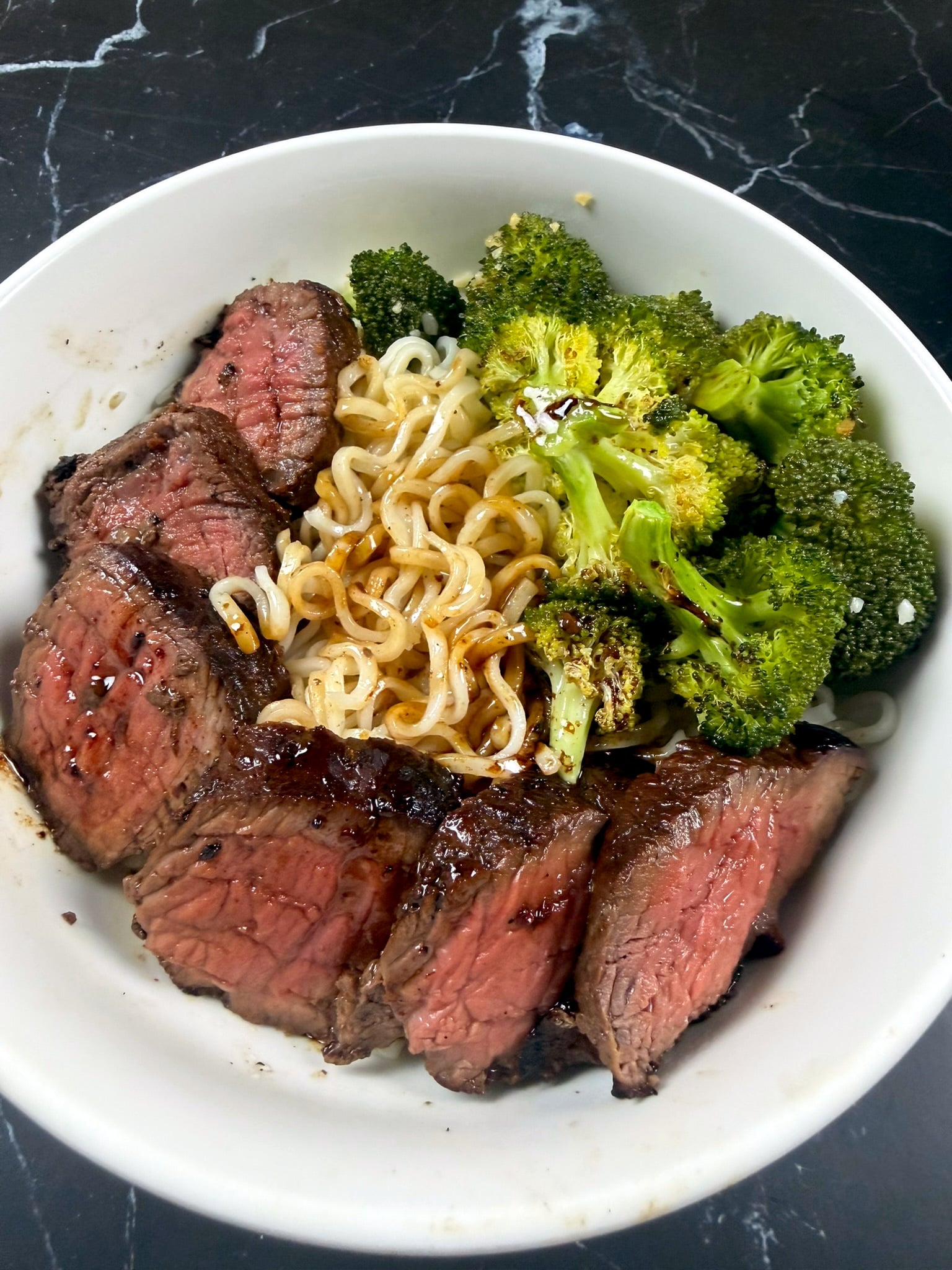
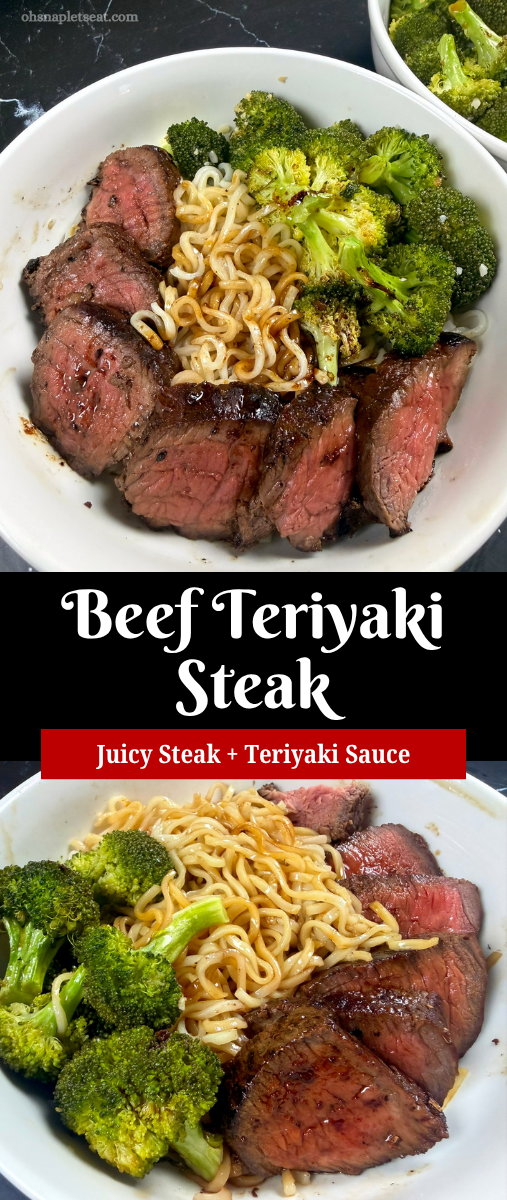
This Japanese Beef Teriyaki Steak is made with juicy steak marinated with fresh ginger, pan seared, sliced, and drizzled with a homemade teriyaki sauce! The sauce is made with soy sauce, mirin, sake, and sugar for a savory, slightly sweet, and deliciously glossy finish.
Jump to:
- Easy Beef Teriyaki Steak
- What Is Teriyaki?
- Why You'll Love This Beef Teriyaki
- Ingredients
- What Can I Substitute for Mirin and Sake?
- How to Make Japanese Beef Teriyaki
- What to Serve With Beef Teriyaki
- Can I Make a Teriyaki Beef Noodle Bowl?
- Can I Make a Beef Teriyaki Rice Bowl?
- Do You Need Cornstarch for Teriyaki Sauce?
- What Kind of Beef Is Best for Teriyaki Steak?
- What If My Steak Is Really Thick?
- Can I Make This With Thinly Sliced Beef?
- How to Store Leftover Beef Teriyaki
- Easy Japanese Beef Teriyaki
- More Delicious Japanese Recipes
- Pin for later!
Serve the sliced beef over steamed rice or noodles with your favorite vegetables for an easy and flavorful dinner!
Easy Beef Teriyaki Steak
Teriyaki is one of those dishes that is surprisingly simple but packed with flavor.
You will often see beef teriyaki made with thinly sliced beef and vegetables, almost like a stir fry. For this recipe, however, I wanted to make it more like the beef teriyaki I enjoy at Japanese restaurants.
Instead of slicing the beef before cooking, I marinate a whole sirloin steak with soy sauce, mirin, sake, and fresh ginger. Then I pan sear the steak, let it rest, slice it, and spoon a separately prepared teriyaki sauce over the top.
Cooking the beef and sauce separately lets the steak develop a nice sear while keeping the teriyaki sauce glossy and pourable.
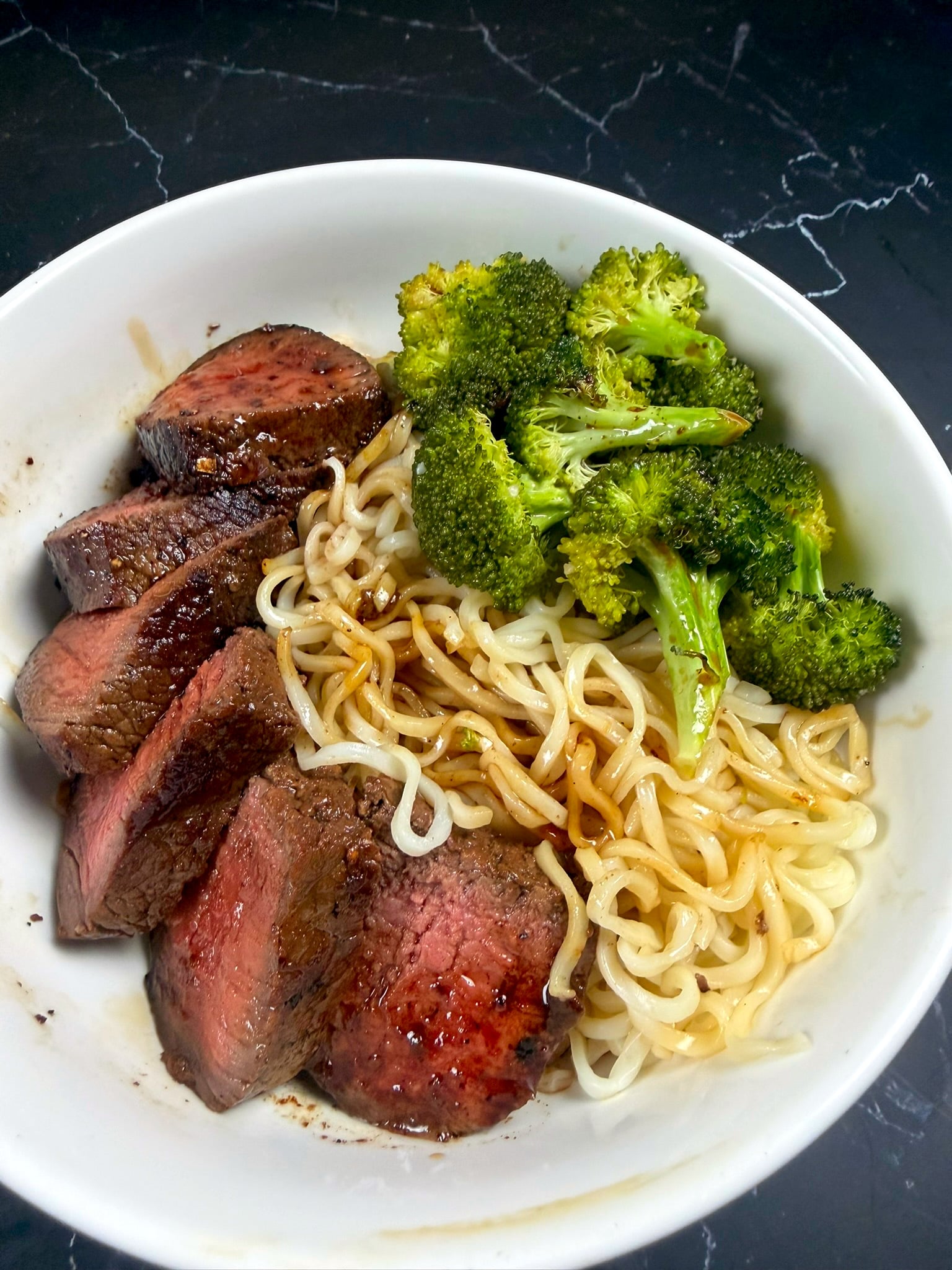
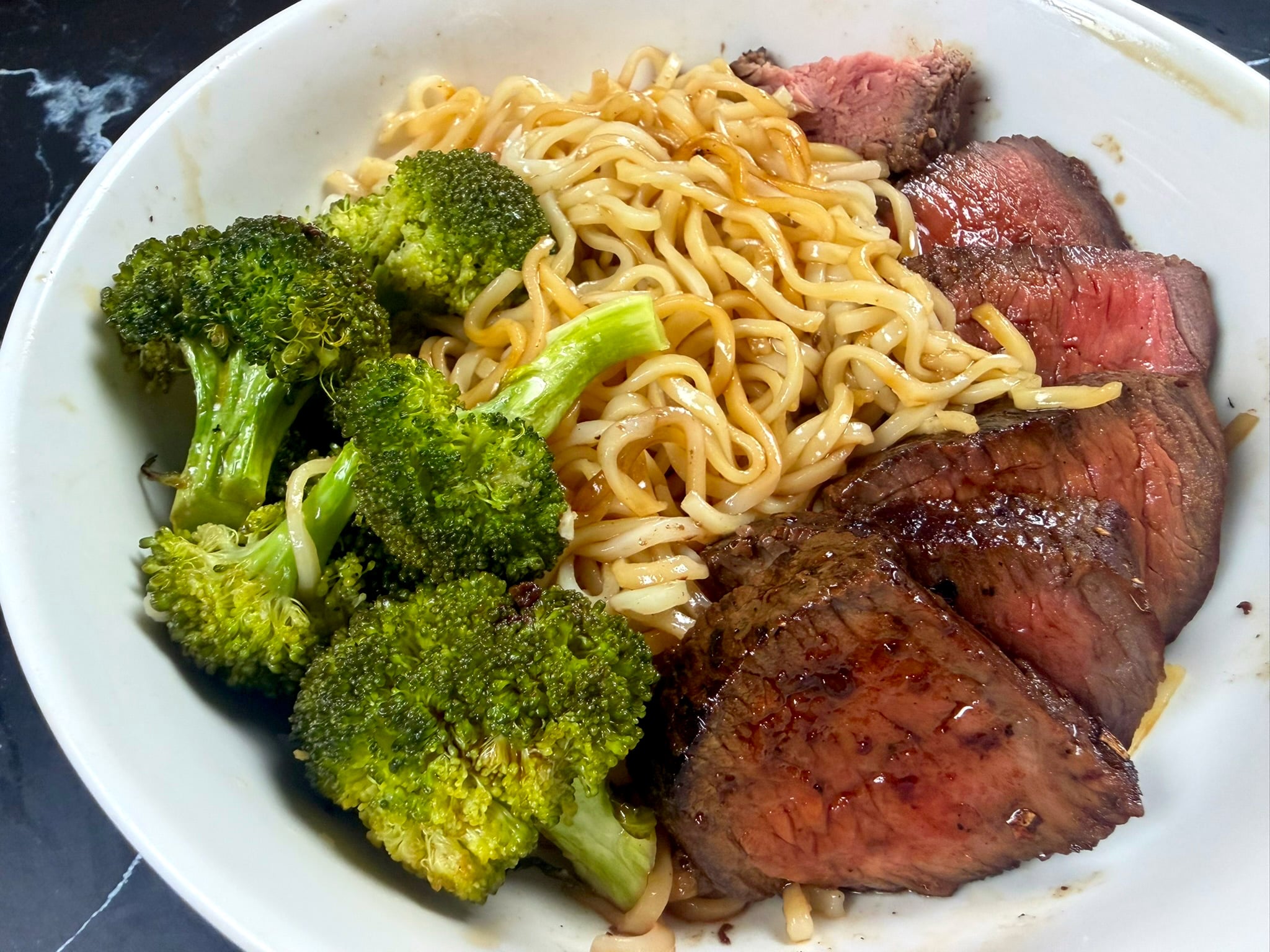
When I made this, I served it over noodles with vegetables, but rice works just as well. You can really serve the beef with whichever starch and vegetables you like!
What Is Teriyaki?
The word teriyaki refers to a Japanese cooking method where food is cooked with a sweet and savory soy-based glaze.
"Teri" refers to the shine or luster created by the sauce, while "yaki" refers to grilling or cooking.
A basic Japanese teriyaki sauce is typically made with:
- Soy sauce
- Mirin
- Sake
- Sugar
As the sauce cooks, the sugar and liquids reduce and create that delicious glossy coating without needing cornstarch.
For this recipe, we are adding fresh ginger, which pairs especially well with the beef.
Why You'll Love This Beef Teriyaki
- Simple ingredients: The homemade teriyaki sauce only requires four ingredients.
- No bottled teriyaki sauce: It is very easy to make your own.
- Juicy steak: The beef is cooked whole and sliced after resting.
- Fresh ginger flavor: Ginger adds extra flavor to the steak without overpowering the teriyaki sauce.
- Versatile: Serve it with rice, noodles, or your favorite vegetables.
- Great for weeknight dinners: Most of the prep time is simply letting the steak marinate.
Ingredients
Here's what you'll need.
Beef
1 lb steak
You can use sirloin, ribeye, New York strip, or top sirloin for this recipe. I used sirloin steak this time because it is flavorful, relatively lean, and works well with the sweet and savory teriyaki sauce.
A steak around 1 to 1¼ inches thick is easiest to cook in a skillet. If your steak is much thicker, it may need additional cooking time at a lower heat after searing.
1 teaspoon avocado oil
Or another neutral cooking oil with a high smoke point.
Ginger Marinade
1 tablespoon soy sauce
Adds savory, salty flavor to the steak.
1 tablespoon mirin
Mirin is a sweet Japanese rice wine commonly used in marinades and sauces.
1 tablespoon sake
Adds depth of flavor and pairs well with the soy sauce and mirin.
2 teaspoons freshly grated ginger
Fresh ginger adds a warm, aromatic flavor that pairs especially well with beef.
Teriyaki Sauce
3 tablespoons soy sauce
I recommend Japanese soy sauce if you have it.
3 tablespoons mirin
Adds sweetness and helps give the finished teriyaki sauce its characteristic glossy finish.
3 tablespoons sake
Adds depth and balances the sweet and savory flavors.
1½ tablespoons sugar
The sugar balances the salty soy sauce and helps the sauce become glossy as it reduces.
What Can I Substitute for Mirin and Sake?
Mirin and sake can often be found in the Asian or international section of larger grocery stores. You can also find them at Japanese and other Asian grocery stores.
However, there are a few substitutions you can use if needed.
Mirin Substitute
For every 1 tablespoon of mirin, substitute:
1 tablespoon sake plus about ½ teaspoon sugar.
If you do not have either mirin or sake, water with a little additional sugar can also work in a pinch. The flavor will not be quite as complex, but it will still make a tasty sweet and savory sauce.
Sake Substitute
You can substitute dry sherry or michiu for sake in a 1:1 ratio.
You can also simply use the same amount of water. The flavor will be slightly different, but the recipe will still work.
How to Make Japanese Beef Teriyaki
1. Marinate the steak
In a small bowl, combine soy sauce, mirin, sake, and freshly grated ginger.
Place the sirloin steak in a shallow dish or resealable bag and pour the marinade over the steak.
Refrigerate and marinate for about 30 minutes.
You do not need to marinate the beef for hours. A short marinade gives the steak extra flavor without overwhelming the flavor of the beef.
2. Make the teriyaki sauce
While the steak marinates, add soy sauce, mirin, sake, and sugar to a small saucepan.
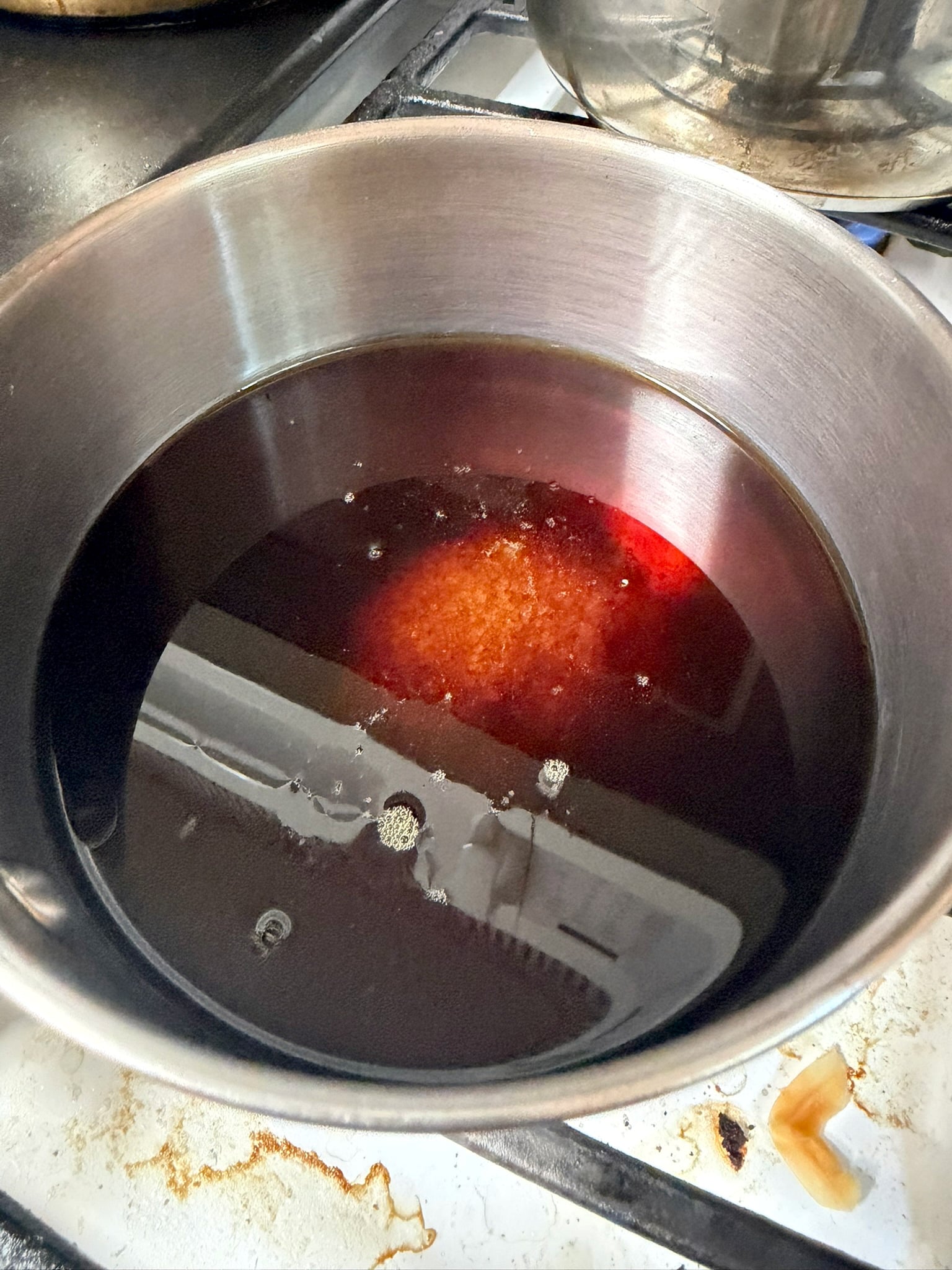
Bring the mixture to a gentle simmer over medium heat.
Allow it to simmer 5-10 minutes, or until reduced by about one-third.
The exact time can vary depending on the size of your saucepan and the strength of your burner.
The sauce does not need to become thick like bottled teriyaki sauce. You want it glossy but still pourable.
It will also thicken a little more as it cools.
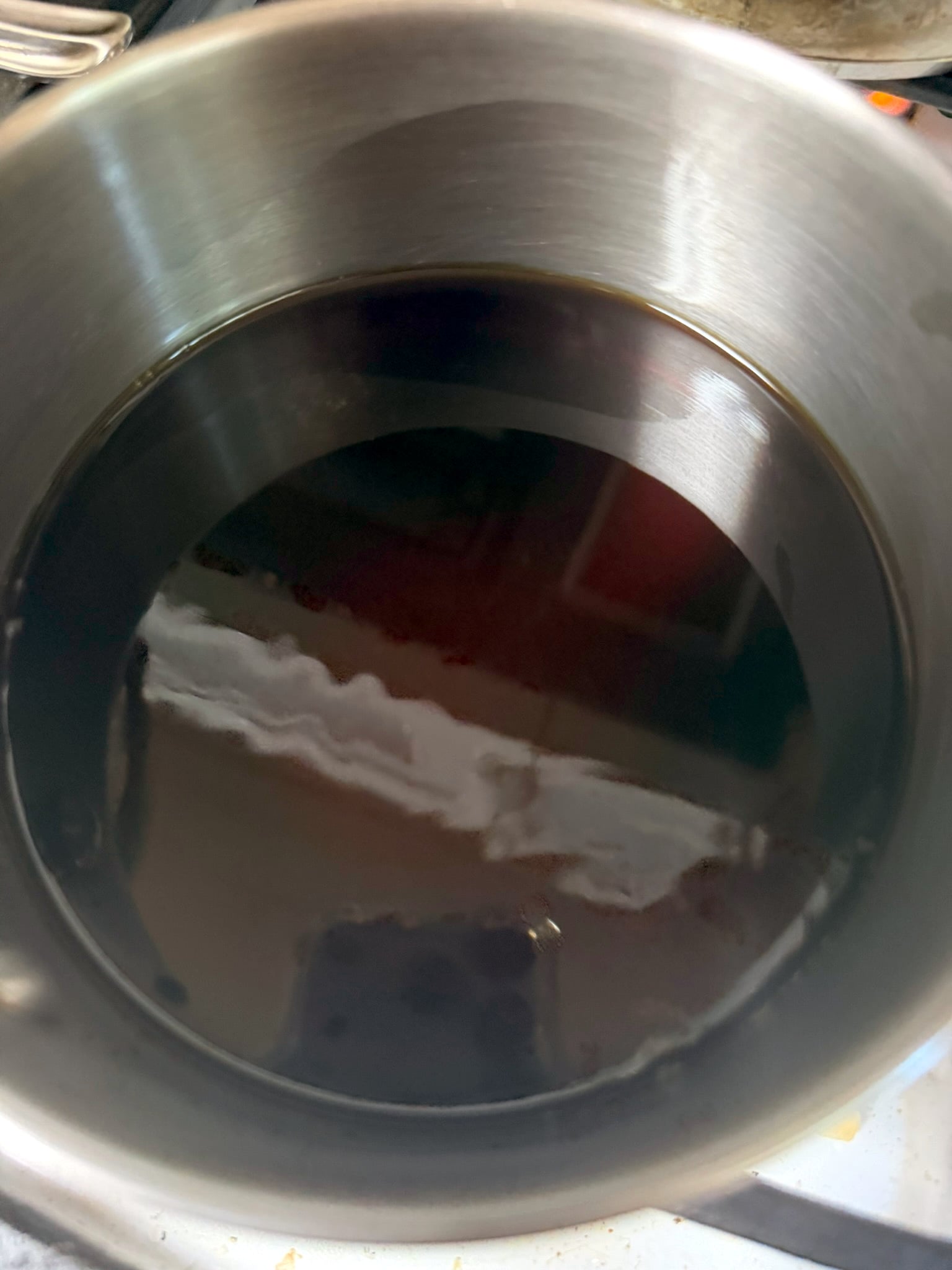
Remove the sauce from the heat and set aside.
3. Prepare the steak for cooking
If you are using a thick-cut steak, remove it from the refrigerator about 20 to 30 minutes before cooking.
It can remain in the marinade during this time.
When you are ready to cook, remove the steak from the marinade and discard the used marinade.
Pat the steak very thoroughly dry with paper towels.
This is important!
Too much liquid on the surface of the steak will cause it to steam instead of sear. It can also cause the soy sauce and mirin left on the surface to become too dark before the middle of a thick steak is finished cooking.
4. Pan sear the steak
Heat a large skillet over medium-high heat.
Add avocado oil or another neutral cooking oil.
Once the skillet is hot, add the steak.
For a steak around 1 to 1¼ inches thick, sear for about 3 to 4 minutes on the first side.
Flip and cook for another 3 to 4 minutes.
Then begin checking the internal temperature.
5. If you have a very thick steak
If your sirloin is closer to 1½ to 2 inches thick, it will need additional cooking time.
After you have seared both sides, reduce the heat to medium-low.
Continue cooking the steak, flipping every 1 to 2 minutes, until it reaches your desired internal temperature.
Reducing the heat after searing helps the center finish cooking without letting the outside become overly dark.
With a very thick steak, the total cooking time can vary quite a bit, so a meat thermometer is much more reliable than cooking strictly by time.
6. Check the internal temperature
For medium-rare, remove the steak at approximately 125 to 130°F.
For medium, remove it at approximately 135 to 140°F.
The internal temperature will continue to rise slightly while the steak rests.
If you prefer your steak more well done, continue cooking until it reaches your desired temperature.
7. Rest the steak
Transfer the cooked steak to a cutting board.
Allow it to rest for 5 to 10 minutes before slicing.
This gives the juices time to redistribute throughout the meat so they do not all run out when you cut into it.
8. Slice the steak
Slice the rested steak against the grain into strips.
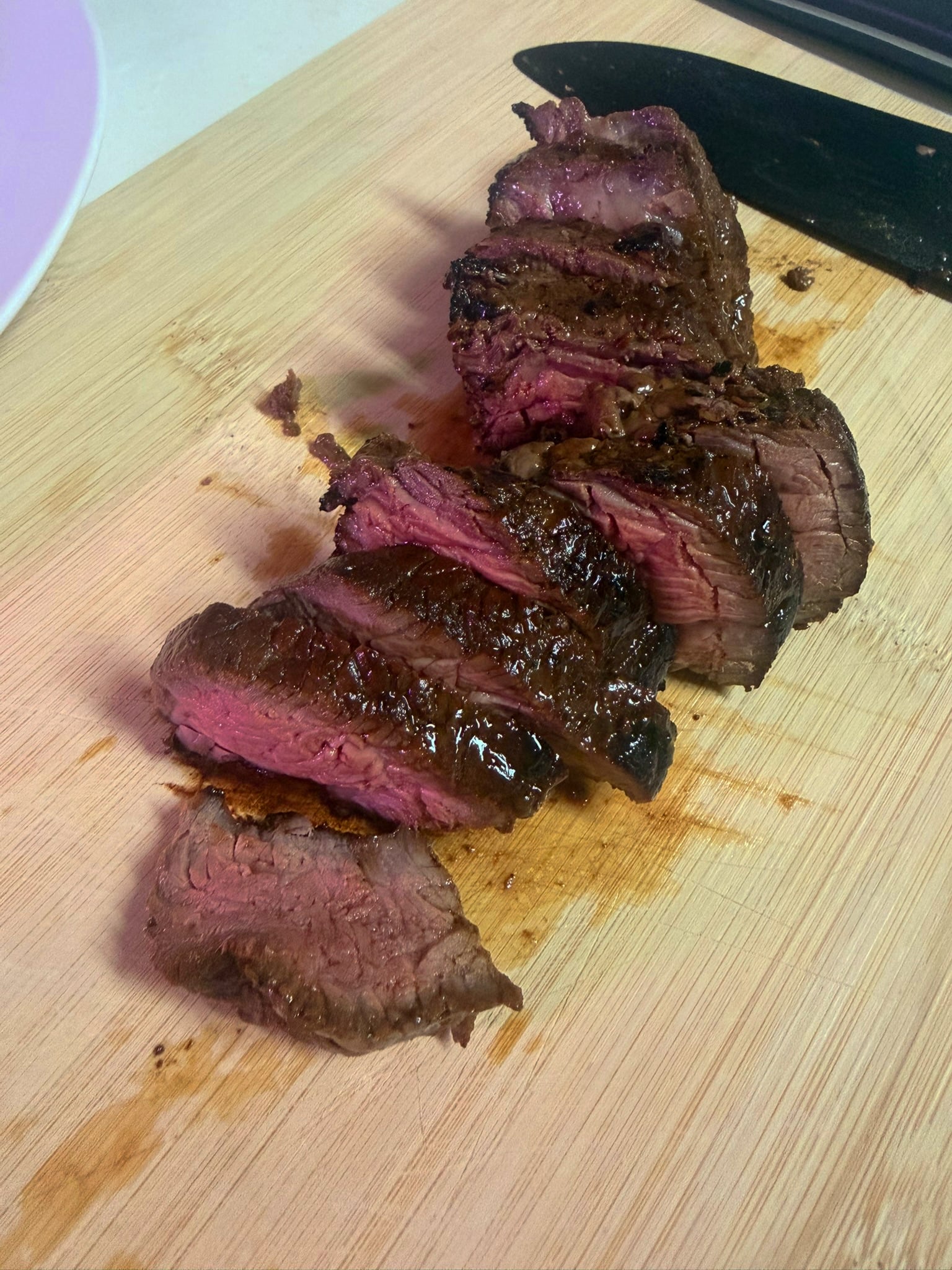
Cutting against the grain shortens the muscle fibers and makes the beef easier and more tender to chew.
9. Add the teriyaki sauce
Arrange the sliced steak on a serving plate or over rice or noodles.
Spoon the warm teriyaki sauce over the beef.
You can add a little or a lot depending on how saucy you like your teriyaki.
I also like serving extra sauce on the side so everyone can add more if they want.
What to Serve With Beef Teriyaki
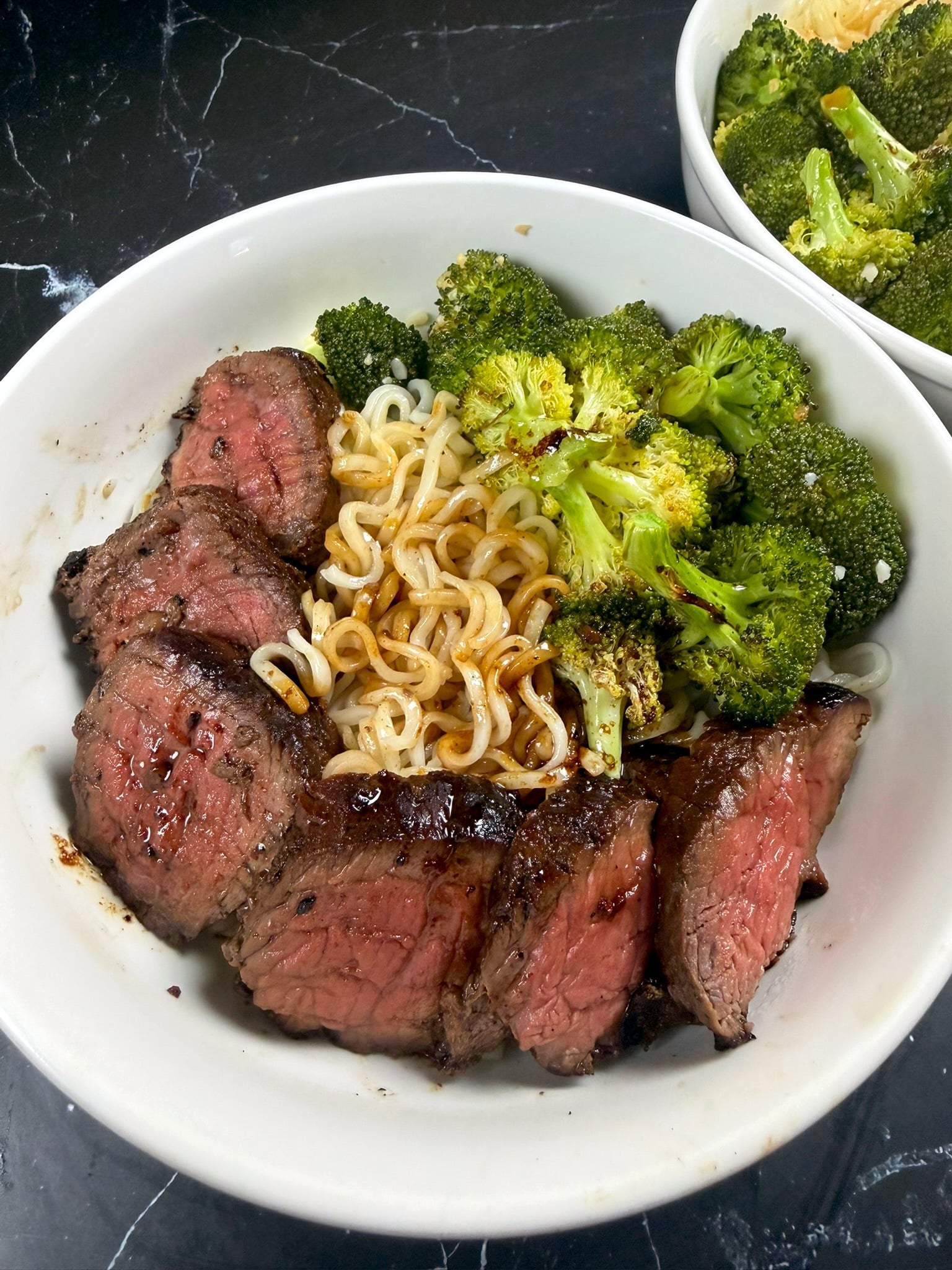
One of my favorite things about this beef teriyaki is that the steak itself is the main recipe, so you can serve it several different ways.
With Rice
Steamed white rice is an easy option and perfect for soaking up the teriyaki sauce.
Add the sliced beef, drizzle with sauce, and serve your favorite vegetables alongside it.
With Noodles
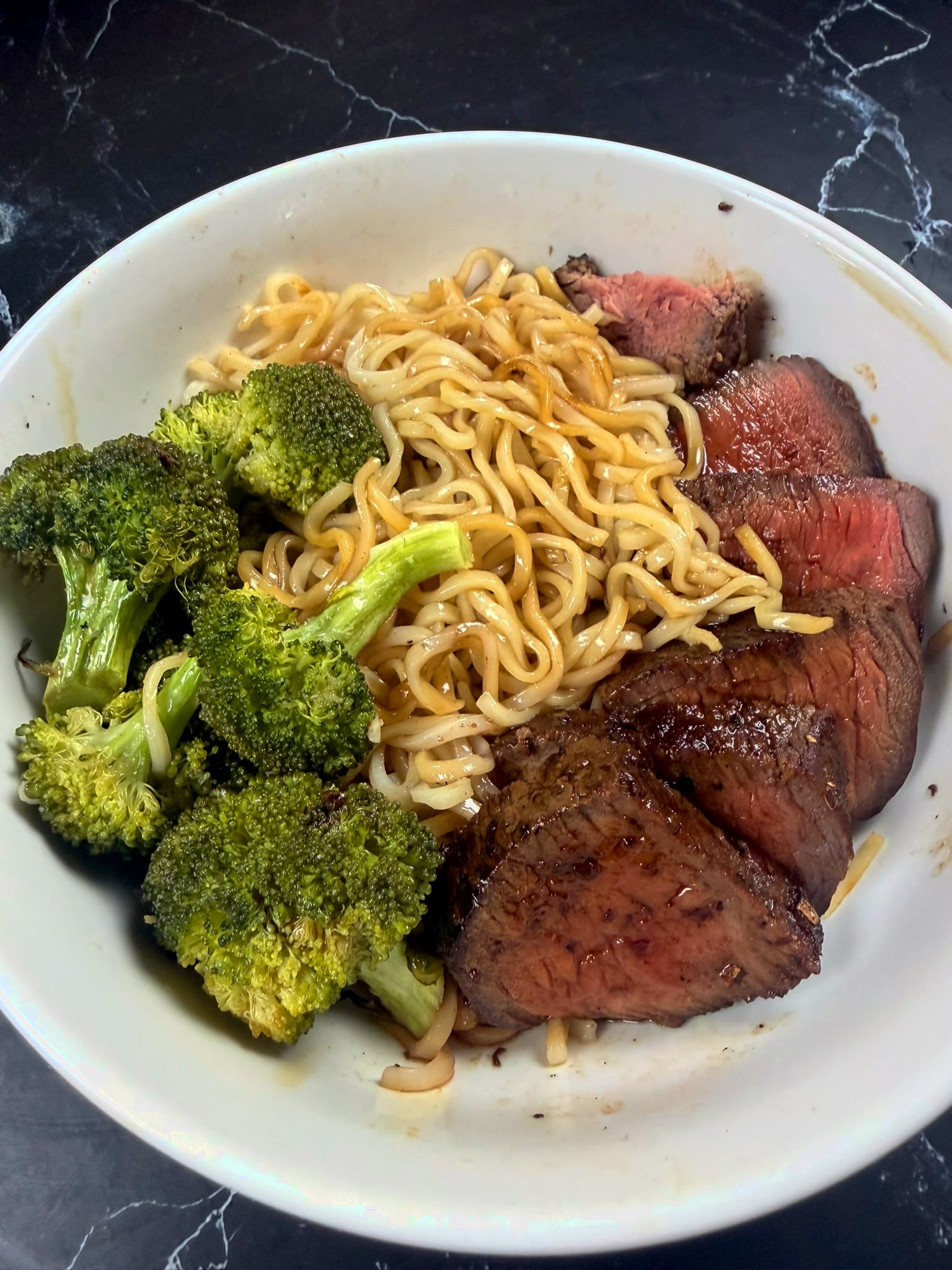
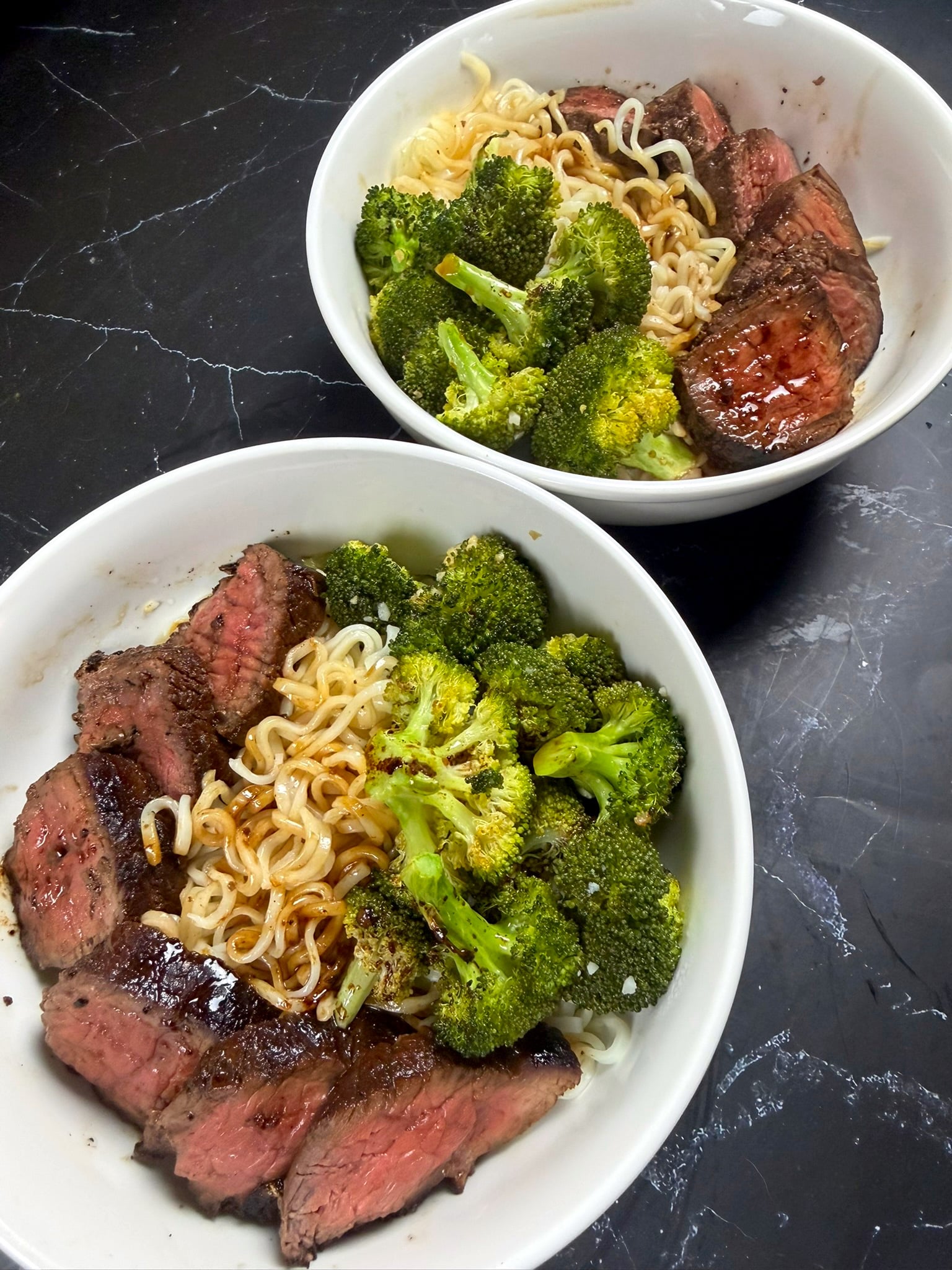
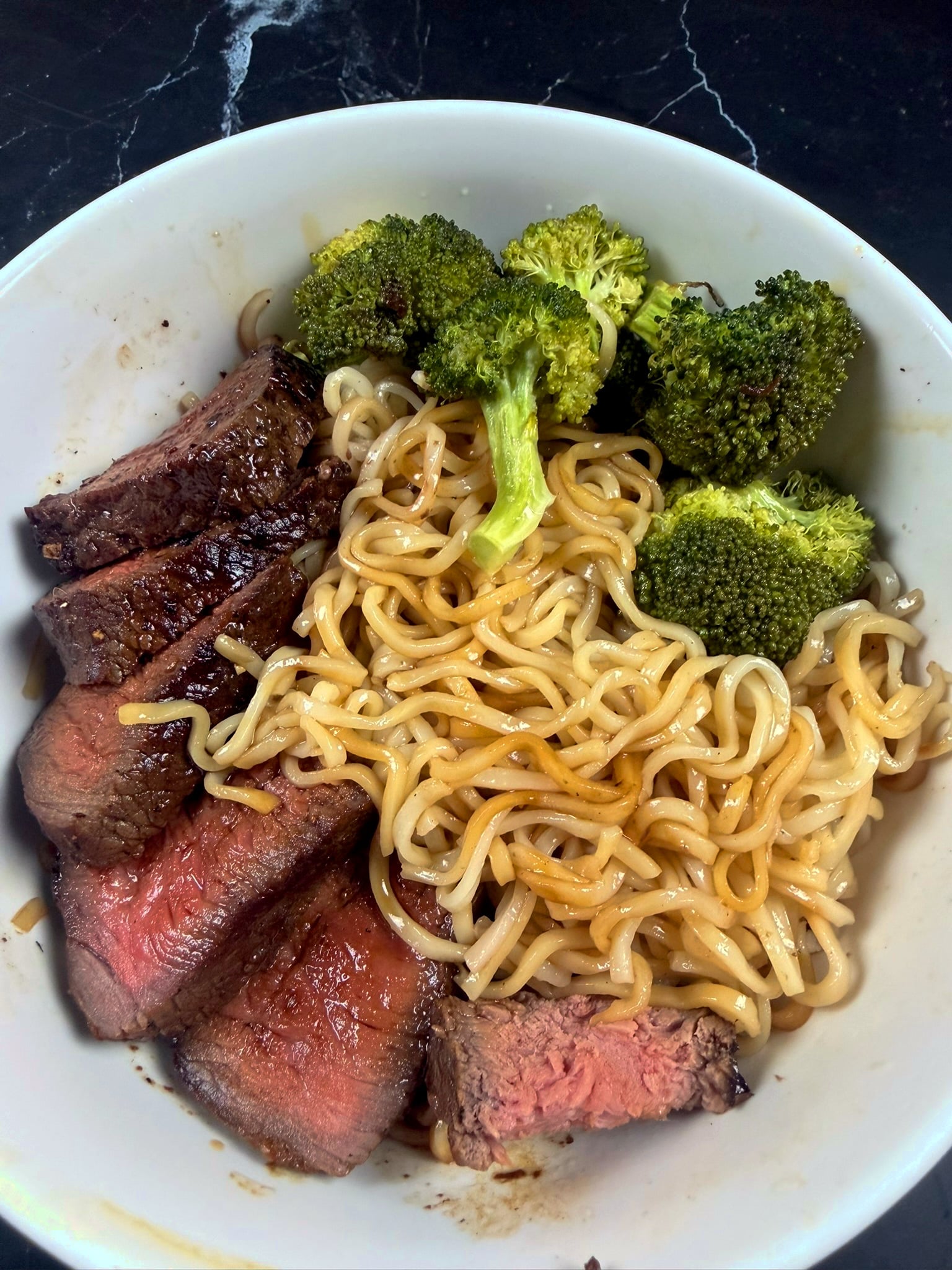
This is actually how I served mine!
Add cooked noodles to a bowl, arrange sliced teriyaki steak alongside or over the noodles, and spoon teriyaki sauce over the beef.
You can drizzle a little extra sauce over the noodles too.
Udon, ramen-style noodles, yakisoba noodles, or other Asian noodles would all work well.
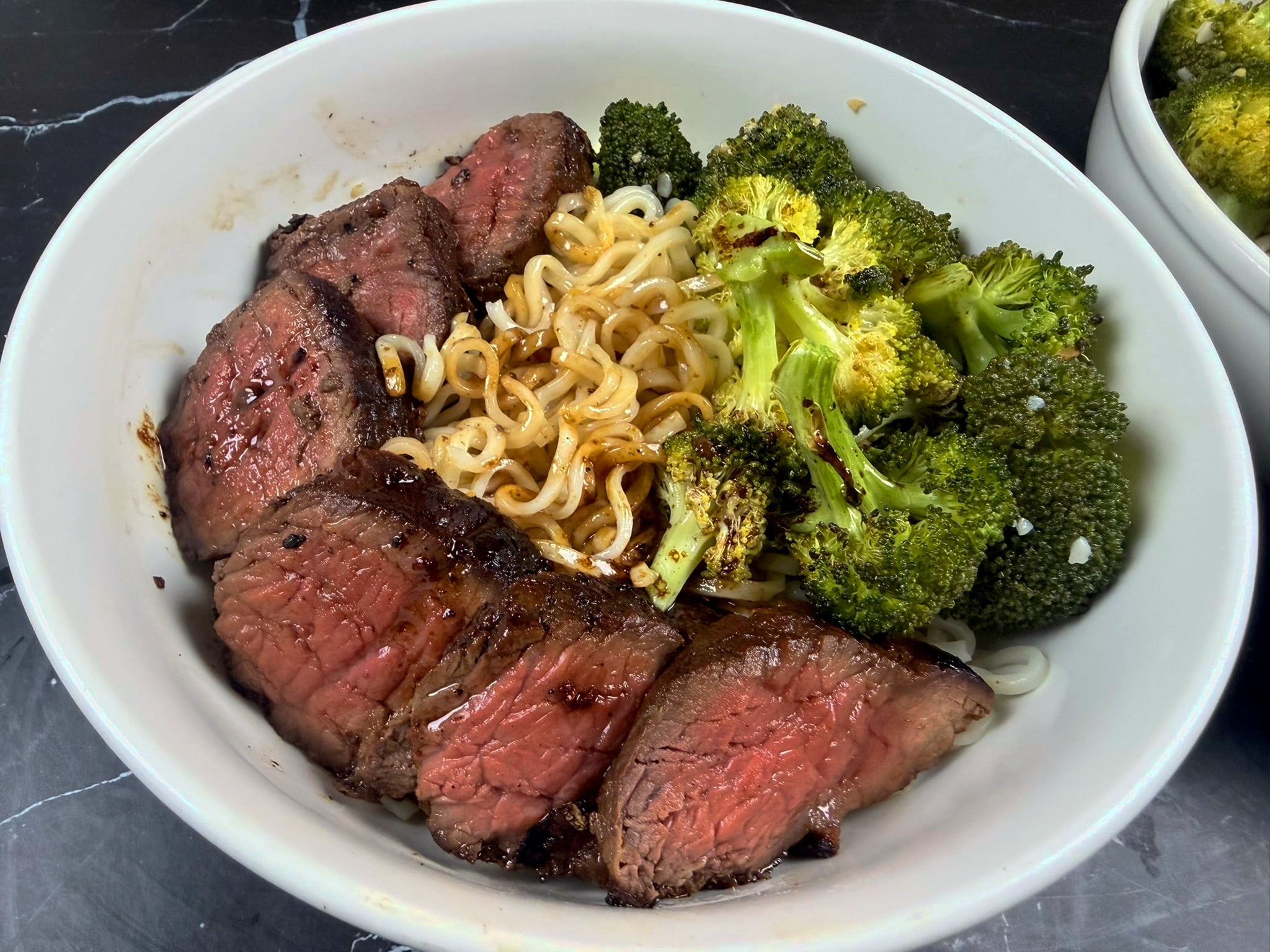
With Vegetables
You can serve this with pretty much any vegetable you like.
Some ideas include:
- Broccoli
- Bok choy
- Green beans
- Asparagus
- Snow peas
- Napa cabbage
- Cabbage
- Mushrooms
- Zucchini
Steam, sauté, roast, stir fry, or air fry them depending on what is easiest for you.
Can I Make a Teriyaki Beef Noodle Bowl?
Absolutely!
That is how I served this beef teriyaki when I made it.
Add cooked noodles to a bowl along with your favorite vegetables, then top with the sliced steak.
Spoon the homemade teriyaki sauce over the beef and drizzle a little over the noodles.
I recommend adding the sauce gradually rather than tossing the noodles in a large amount of it. Teriyaki sauce has plenty of soy sauce, so a little goes a long way.
Can I Make a Beef Teriyaki Rice Bowl?
Definitely.
Add steamed rice to a bowl, top with sliced beef and your favorite vegetables, and drizzle the teriyaki sauce over everything.
This is an especially easy way to turn the steak into a complete weeknight meal.
Do You Need Cornstarch for Teriyaki Sauce?
No!
This teriyaki sauce does not contain cornstarch.
The soy sauce, mirin, sake, and sugar naturally reduce as they simmer, creating a glossy sauce.
It will be thinner than some bottled or American restaurant-style teriyaki sauces, and that is completely fine.
For this recipe, I actually prefer the sauce to remain pourable because it makes it easy to spoon over the sliced steak, rice, or noodles.
What Kind of Beef Is Best for Teriyaki Steak?
I used sirloin steak for this recipe.
Sirloin has good beef flavor without being as fatty as some other steak cuts, and it works well with the sweet and savory teriyaki sauce.
You can also use:
- New York strip
- Ribeye
- Top sirloin
The most important thing is adjusting the cooking time based on how thick your steak is.
What If My Steak Is Really Thick?
If you end up with a super thick steak, do not just keep cooking it over high heat.
Sear both sides first to develop some browning, then reduce the heat to medium-low.
Continue cooking and flipping the steak every minute or two until the middle reaches your desired temperature.
This gives the inside time to cook while reducing the chance that the outside becomes too dark.
An instant-read thermometer is especially helpful here.
Can I Make This With Thinly Sliced Beef?
Yes, although the cooking method will be different.
If you want to use thinly sliced beef, quickly sear the slices in a hot skillet until cooked through.
You can then spoon the separately prepared teriyaki sauce over the beef.
For this particular recipe, though, I like cooking the steak whole and slicing it afterward because you get juicy slices of steak topped with the glossy sauce.
How to Store Leftover Beef Teriyaki
Allow leftover beef to cool and transfer it to an airtight container.
Store in the refrigerator for up to 3 to 4 days.
If possible, keep leftover teriyaki sauce in a separate container.
When reheating the steak, heat it gently just until warmed through. Cooking it too long a second time can make the beef tougher.
Warm the teriyaki sauce separately and spoon it over the beef after reheating.
Easy Japanese Beef Teriyaki
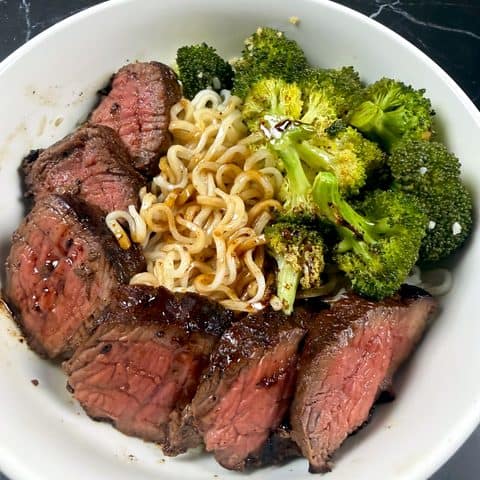
This Japanese Beef Teriyaki Steak features juicy pan-seared steak marinated with fresh ginger, sliced, and drizzled with a homemade teriyaki sauce made with soy sauce, mirin, sake, and sugar. Serve it with rice, noodles, and your favorite vegetables for an easy and flavorful dinner!
Ingredients
For the Beef and Ginger Marinade
- 1 lb steak, preferably about 1 to 1¼ inches thick
- 1 tablespoon soy sauce
- 1 tablespoon mirin
- 1 tablespoon sake
- 2 teaspoons freshly grated ginger
- 1 teaspoon avocado oil, or other neutral cooking oil
For the Teriyaki Sauce
- 3 tablespoons soy sauce
- 3 tablespoons mirin
- 3 tablespoons sake
- 1½-2 tablespoons sugar
Instructions
- In a small bowl, combine 1 tablespoon soy sauce, 1 tablespoon mirin, 1 tablespoon sake, and freshly grated ginger.
- Place the sirloin steak in a shallow dish or resealable bag and pour the marinade over the steak.
- Refrigerate and marinate for 30 minutes.
- Meanwhile, add 3 tablespoons soy sauce, 3 tablespoons mirin, 3 tablespoons sake, and sugar to a small saucepan.
- Bring the teriyaki sauce to a gentle simmer over medium heat. Cook uncovered for about 8 to 10 minutes, stirring occasionally, until the sauce has reduced by roughly one-third and looks glossy but is still pourable. Remove from heat.
- If using a thick-cut steak, remove it from the refrigerator about 20 to 30 minutes before cooking.
- Remove the steak from the marinade and discard the used marinade. Pat the steak thoroughly dry with paper towels.
- Heat a large skillet over medium-high heat. Add avocado oil.
- Add the steak and sear for about 3 to 4 minutes per side for a steak around 1 to 1¼ inches thick.
- Check the internal temperature. If the steak needs additional cooking, reduce the heat to medium-low and continue cooking, flipping every 1 to 2 minutes, until it reaches your desired doneness.
- For medium-rare, remove the steak around 125 to 130°F. For medium, remove it around 135 to 140°F.
- Transfer the steak to a cutting board and let it rest for 5 to 10 minutes.
- Slice the steak against the grain.
- Serve the sliced beef with steamed rice or noodles and your favorite vegetables, if desired.
- Spoon the warm teriyaki sauce over the sliced steak and serve.
Notes
- Steak cooking time will vary depending on thickness, so an instant-read thermometer is the easiest way to determine doneness.
- A steak around 1 to 1¼ inches thick is easiest to cook entirely in a skillet. Very thick steaks will require additional cooking time at a lower temperature after searing.
- Pat the marinated steak very dry before cooking to help it sear rather than steam.
- There is no added sugar in the steak marinade, which helps reduce scorching in the skillet.
- The teriyaki sauce does not need cornstarch. It naturally becomes glossier as it reduces.
- Do not reduce the teriyaki sauce until it is extremely thick. It should still be easy to drizzle over the steak.
- Mirin substitute: For each tablespoon of mirin, use 1 tablespoon sake plus about ½ teaspoon sugar.
- Sake substitute: Use dry sherry 1:1 or substitute the same amount of water.
- Serve the teriyaki beef with rice, noodles, or whichever vegetables you like.
Nutrition Information:
Yield: 4 Serving Size: ¼ of recipeAmount Per Serving: Calories: 373Total Fat: 18gSaturated Fat: 6gUnsaturated Fat: 11gCholesterol: 104mgSodium: 831mgCarbohydrates: 14gFiber: 0gSugar: 12gProtein: 32g
The nutrition information for this recipe is an approximate total per serving. Please double check the nutrition information for your exact ingredients and brands for more precise nutrition information. Keep in mind that if there is a marinade, often times not all the ingredients will be consumed.
More Delicious Japanese Recipes
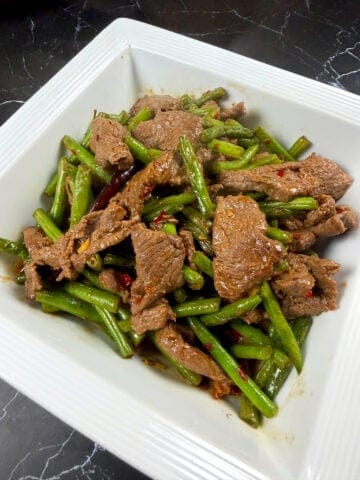
- Japanese Ginger Pork Stir Fry (Shogayaki) - Thinly sliced pork cooked in a savory, gingery sauce.
- Japanese Curry Chicken - An easy, comforting Japanese curry made with chicken and vegetables.
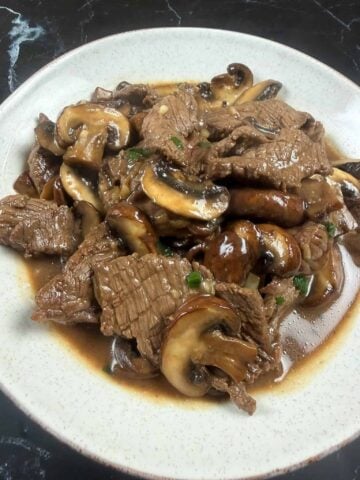
- Japanese Beef and Mushroom Stir Fry - Tender beef and mushrooms in a savory-sweet soy and mirin sauce.
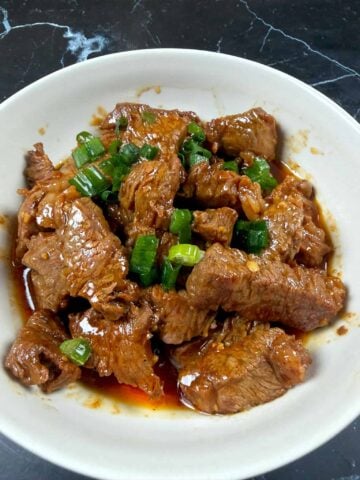
- Easy Hibachi Dinner at Home - Steak, shrimp, and vegetables cooked Japanese steakhouse-style.
Pin for later!
Got questions or comments? Drop them below!