
This easy Pork Katsu (Tonkatsu) recipe is made with tender pork loin chops coated in crispy panko breadcrumbs and fried until golden brown! Serve these Japanese pork cutlets with tonkatsu sauce, shredded cabbage, or Japanese curry and rice for a delicious meal.
Jump to:
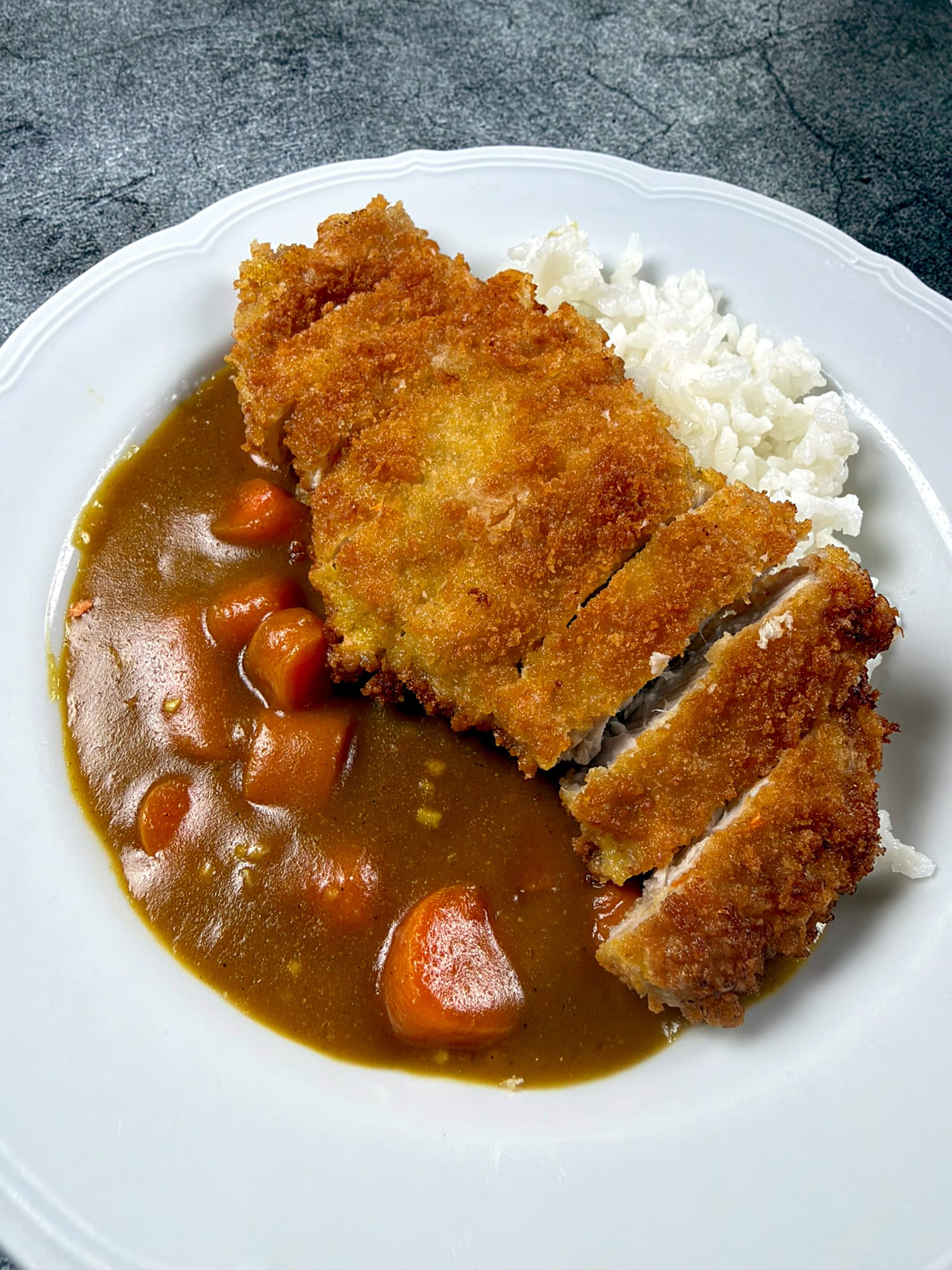
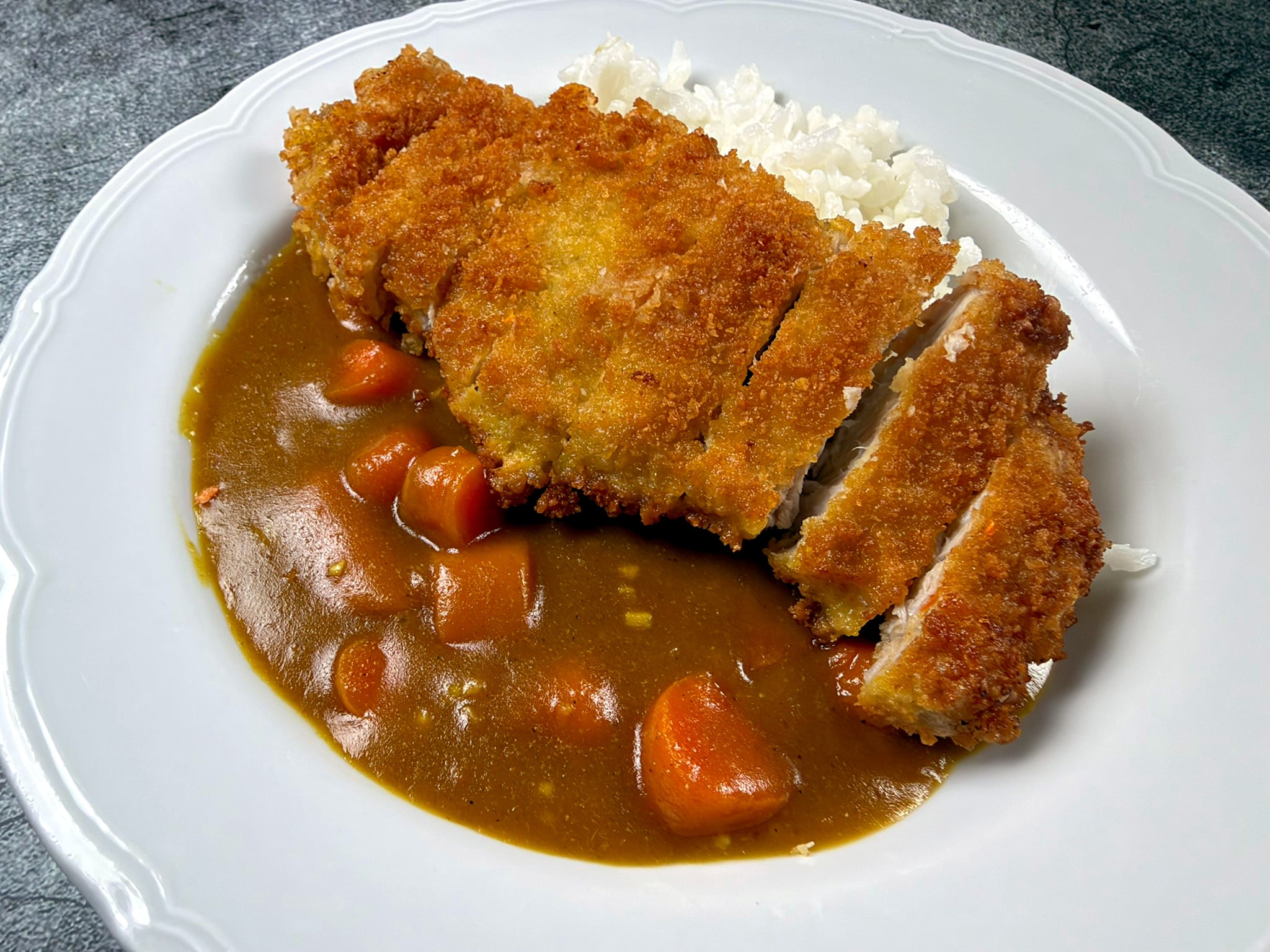
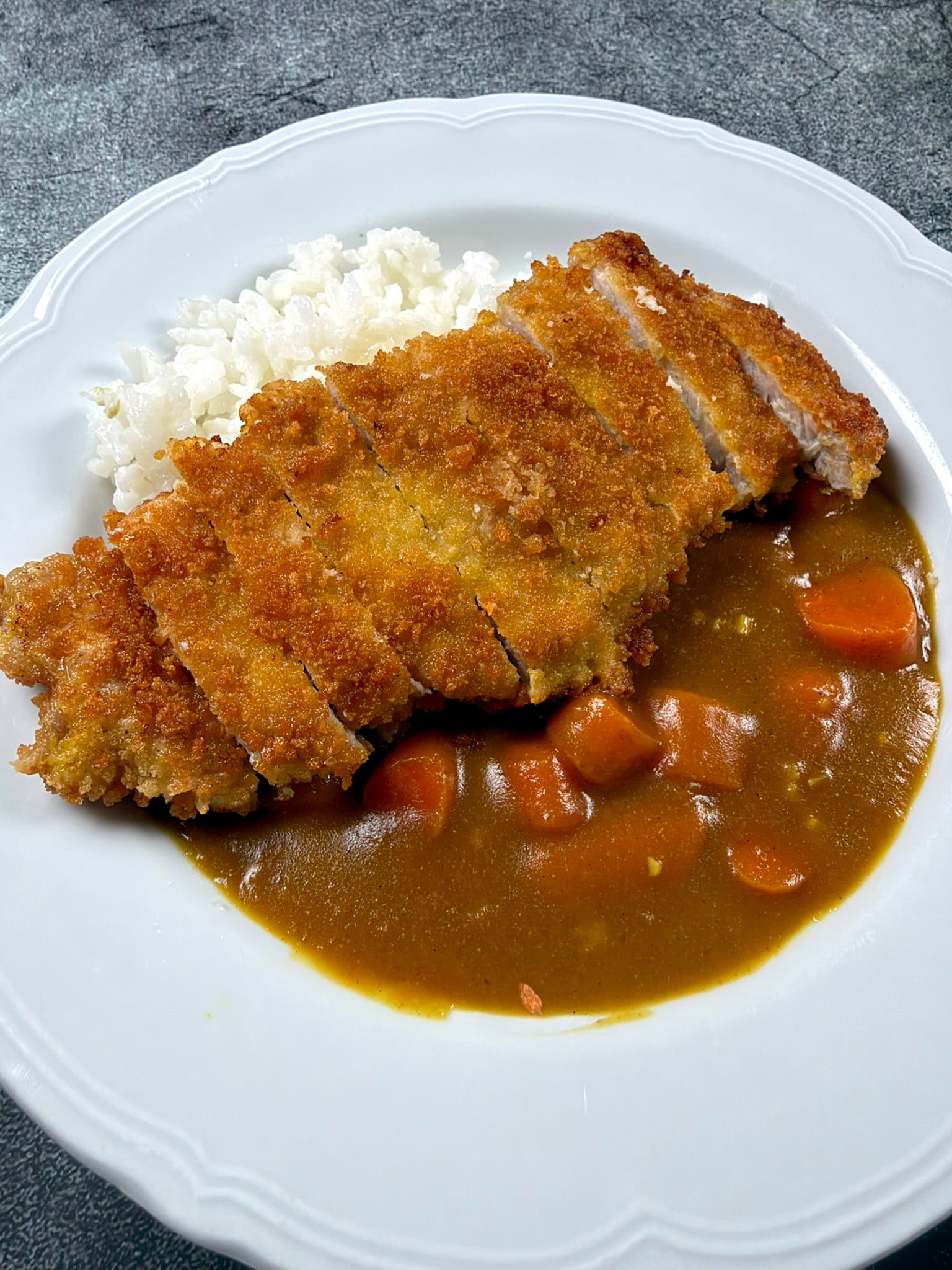
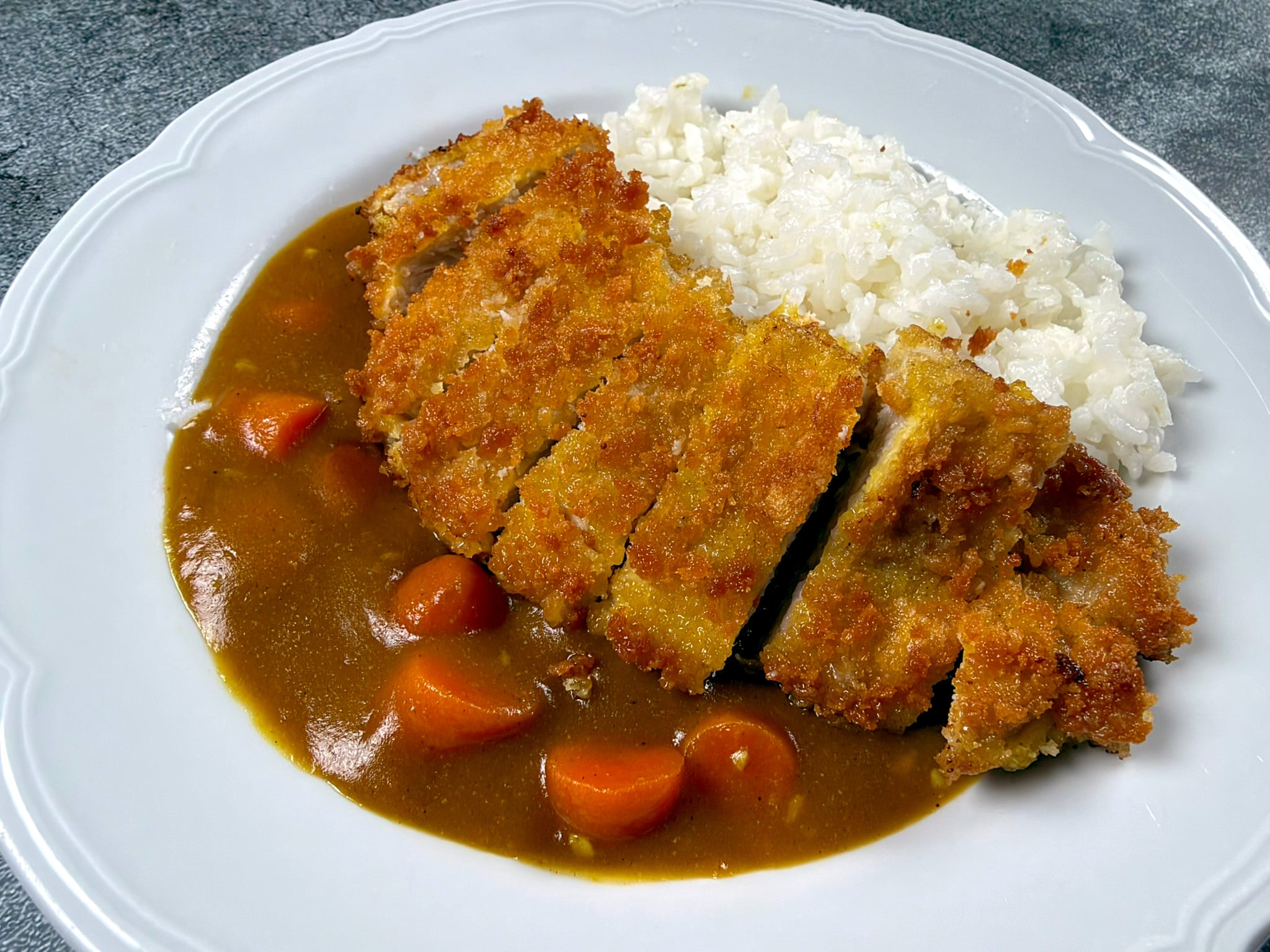
I recently made pork katsu using thin-cut boneless pork loin chops, and they turned out so crispy and delicious! I served mine with Japanese curry made with carrots and S&B Golden Curry blocks, along with steamed white rice.
One thing I especially love about using thin-cut pork chops is that they cook quickly, making this a great option for an easy weeknight dinner.
What Is Pork Katsu?
Pork katsu, also known as tonkatsu (とんかつ), is a popular Japanese dish made with breaded and fried pork cutlets.
The pork is typically coated in flour, egg, and Japanese panko breadcrumbs before being fried until golden brown and crispy.
Tonkatsu is commonly served with shredded cabbage, rice, and a thick, tangy tonkatsu sauce.
Another popular way to enjoy it is as katsu curry (カツカレー), where the crispy pork cutlet is served with Japanese curry and rice.
Although pork katsu and chicken katsu are prepared similarly, pork katsu traditionally uses pork loin or tenderloin instead of chicken.
Why You'll Love This Recipe
- Crispy on the outside, juicy on the inside. The panko breadcrumbs create a crunchy golden coating while the pork stays tender.
- Ready in about 30 minutes. Using thin-cut pork loin chops means you don't have to spend much time pounding or preparing the meat.
- Made with simple ingredients. You only need pork, flour, egg, panko, seasonings, and oil.
- Easy to customize. Serve it with tonkatsu sauce, Japanese curry, or even in a sandwich.
- Great for weeknight dinners. The pork cooks quickly, especially when using thin-cut chops.
Ingredients
Here's what you'll need to make this easy Japanese pork katsu recipe.
Pork
12 oz thin-cut boneless pork loin chops: I used thin-cut boneless pork loin chops for this recipe. They're convenient because they're already thin enough to cook quickly without much preparation.
You can also use thicker pork loin chops, but you'll need to pound them to an even thickness or adjust the cooking time.
Seasonings
½ teaspoon salt: Seasons the pork before breading.
¼ teaspoon black pepper: Adds a little flavor without overpowering the pork.
Breading
¼ cup all-purpose flour: Helps the egg stick to the pork.
1 large egg: Acts as the binder between the flour and panko breadcrumbs.
1 cup Japanese panko breadcrumbs: These are essential for that signature light, crispy katsu coating. Panko breadcrumbs are larger and flakier than regular breadcrumbs, which gives the pork a wonderful crunch.
For Frying
Neutral cooking oil: Use vegetable oil, canola oil, or avocado oil. You'll need enough to fill your skillet to approximately ½ inch deep.
For Serving
- Steamed white rice
- Tonkatsu sauce
- Shredded cabbage
- Japanese curry (optional)
How to Make Pork Katsu
Making pork katsu at home is easier than you might think! The key is to prepare the pork, coat it thoroughly in panko, and fry it at the right temperature.
1. Prepare the Pork
Remove the pork chops from their packaging and pat them dry with paper towels.
If there's a strip of fat along the edge, make a few small cuts through the fat to prevent the pork from curling while frying.
Season both sides with salt and black pepper.
Since I used thin-cut pork loin chops, I didn't need to pound them thinner. If you're using thicker pork chops, you can gently pound them to an even thickness.
2. Prepare the Breading Station
Set up three shallow dishes:
- All-purpose flour
- Beaten egg
- Japanese panko breadcrumbs
My easy cleanup trick: Instead of using separate dishes for the flour and panko, I spread them out on different sections of a large sheet of aluminum foil!
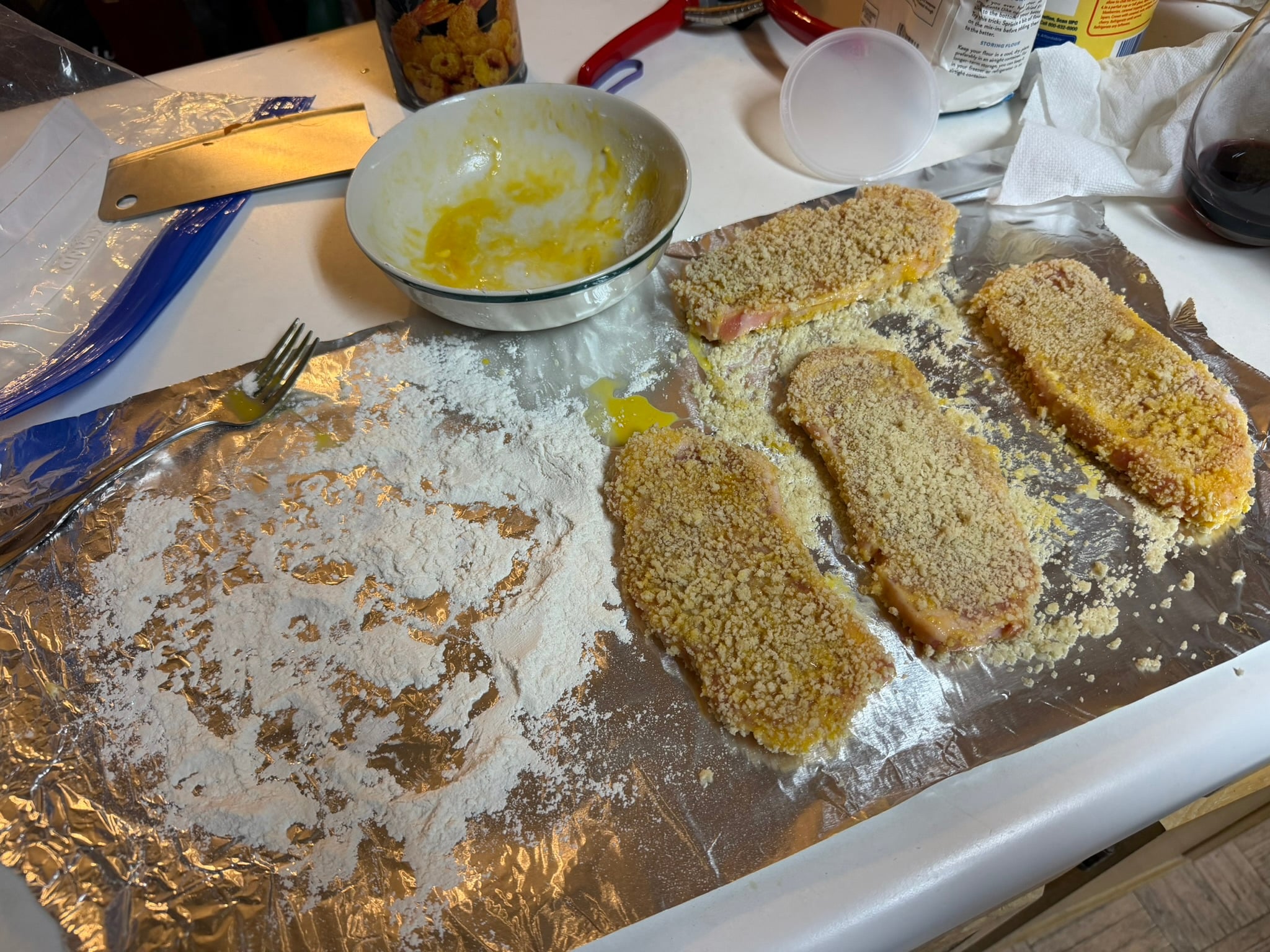
I still used a small bowl for the beaten egg, but having the flour and breadcrumbs on foil made cleanup so much easier.
Once I finished breading the pork, I simply folded up the foil with the leftover flour and panko inside and threw it away.
Just make sure to discard any leftover breading that has come into contact with the raw pork.
3. Bread the Pork Chops
Take one pork chop and coat it lightly in flour, shaking off any excess.
Next, dip it into the beaten egg, making sure both sides are coated.
Finally, place it in the panko breadcrumbs and gently press the breadcrumbs onto both sides of the pork.
Repeat with the remaining pork chops.
Make sure the pork is evenly coated so you get that delicious crispy crust when frying.
4. Fry the Pork Katsu
Pour approximately ½ inch of neutral cooking oil into a large skillet.
Heat the oil over medium heat until it reaches approximately 340-350°F (171-177°C).
Carefully add the breaded pork chops to the hot oil. Avoid overcrowding the skillet, and fry in batches if necessary.
For thin-cut pork loin chops, fry for approximately 2-3 minutes per side, or until the coating is golden brown and crispy.
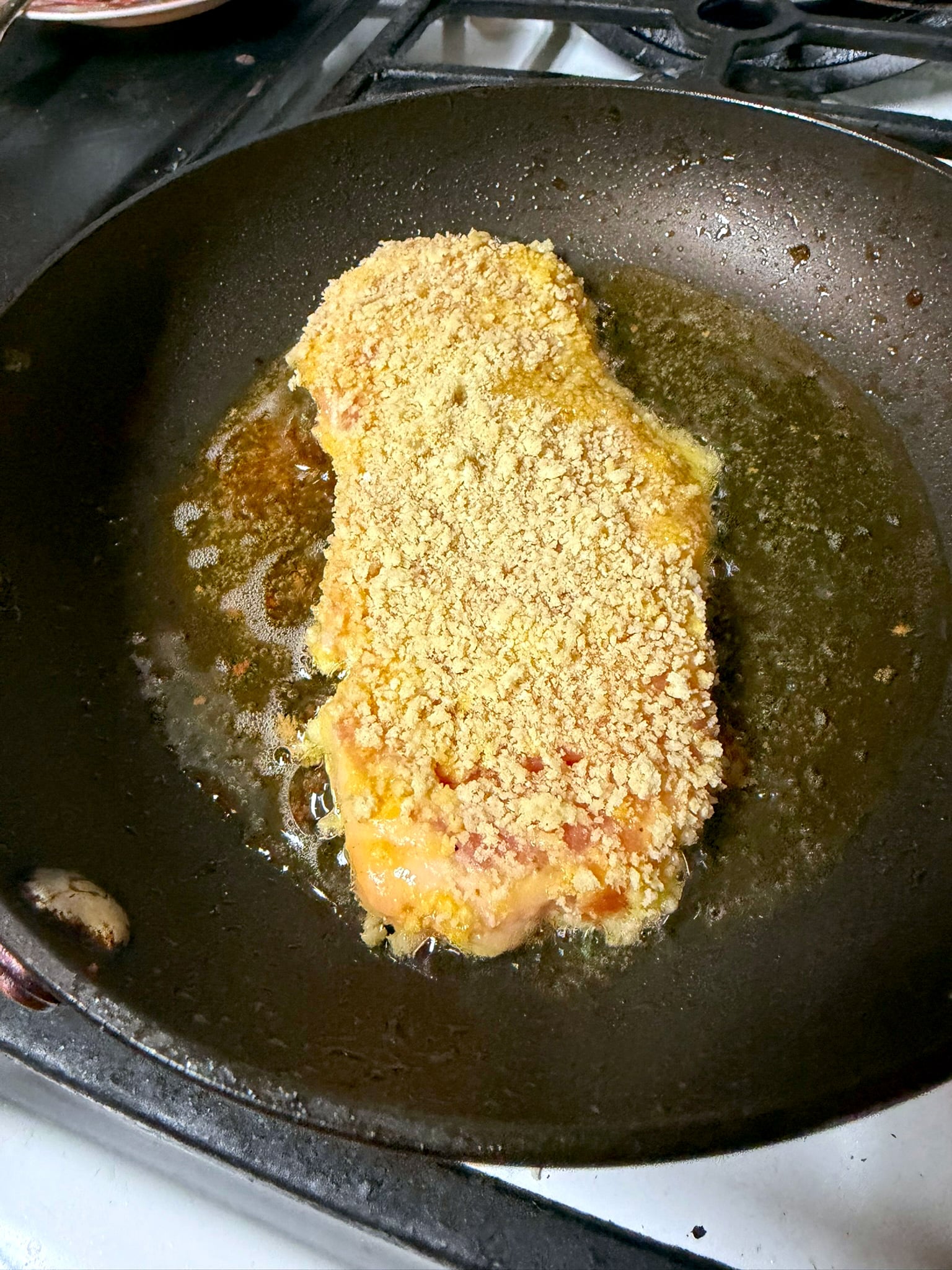
The exact cooking time will depend on the thickness of your pork chops.
Use a meat thermometer to check that the thickest part of the pork has reached an internal temperature of 145°F (63°C).
5. Rest and Slice
Remove the pork katsu from the oil and transfer it to a wire rack or paper towel to drain.
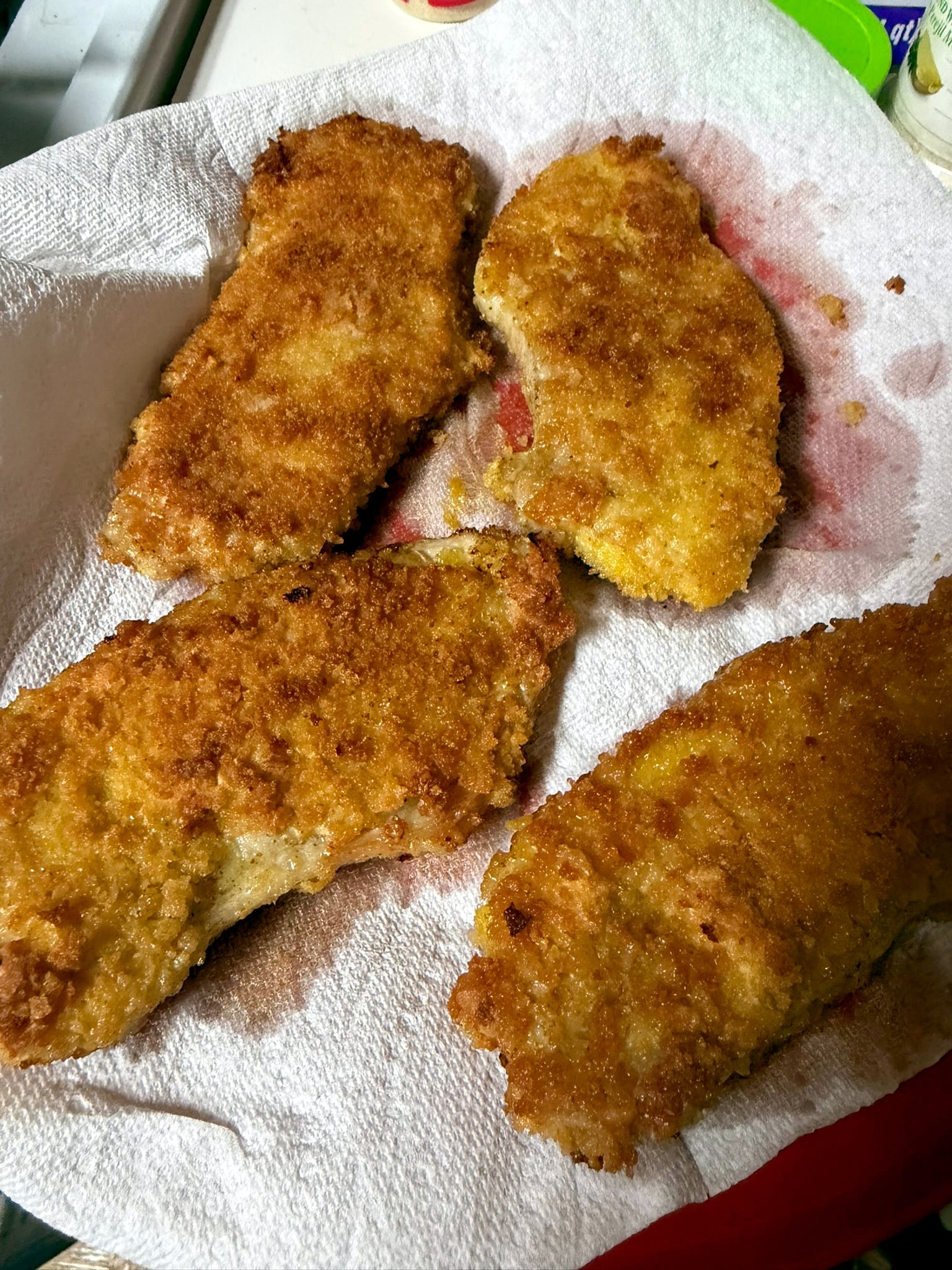
Let the pork rest for at least 3 minutes before slicing.
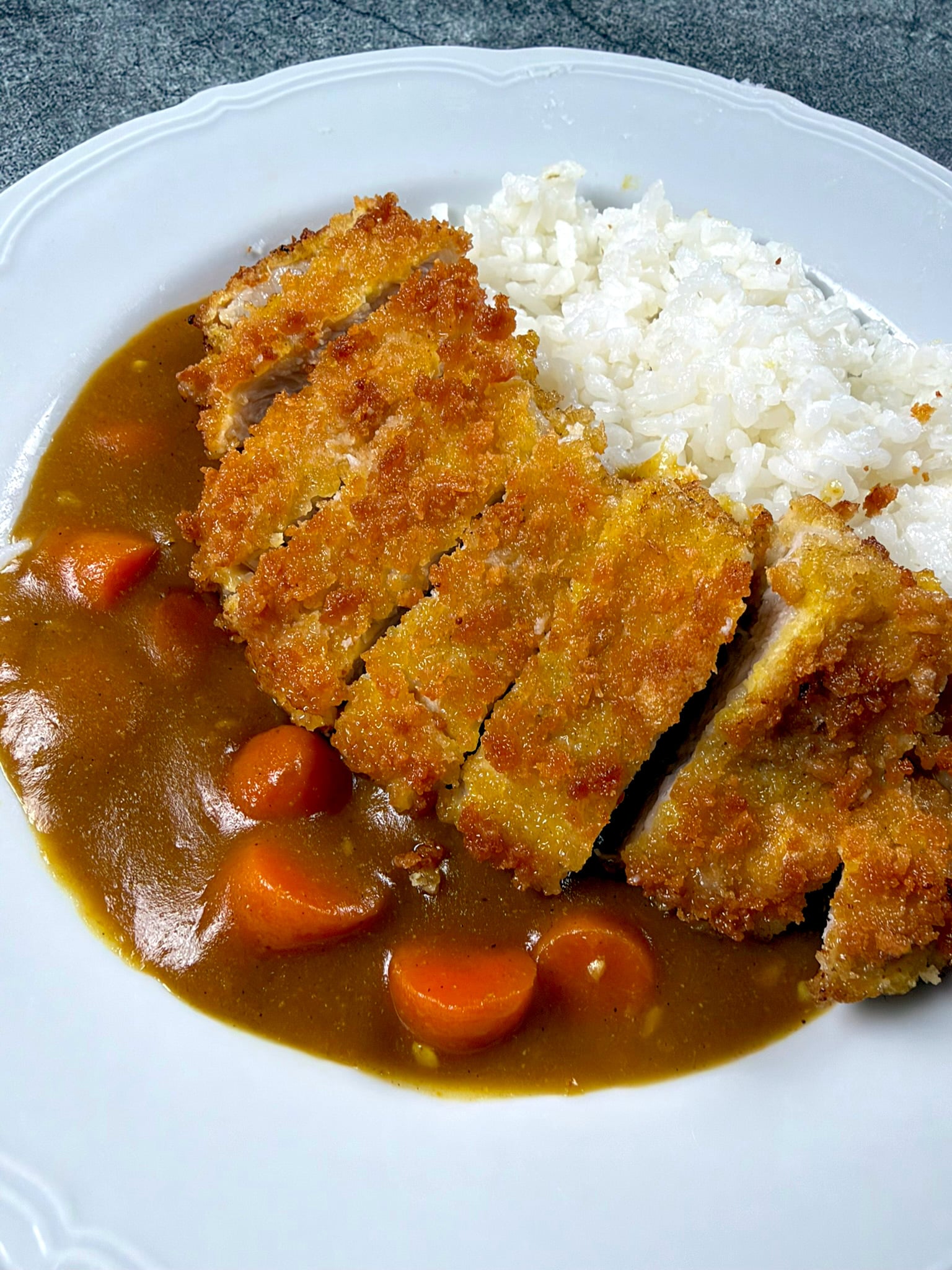
Using a sharp knife, cut the pork into strips.
Serve immediately while the breading is still hot and crispy!
Tips for Making the Best Pork Katsu
Use Japanese Panko Breadcrumbs
Panko breadcrumbs are one of the most important ingredients in pork katsu.
Unlike regular breadcrumbs, panko has a lighter, flakier texture that creates a crispier coating when fried.
I recommend using Japanese panko rather than substituting regular breadcrumbs if possible.
Use Thin-Cut Pork Chops for Faster Cooking
I used thin-cut boneless pork loin chops, which worked really well for this recipe.
Because they're already thin, there's no need to pound them down before breading.
They also cook quickly, which makes them especially convenient for weeknight dinners.
If you're using thicker pork chops, you'll need to adjust the cooking time accordingly.
Keep the Oil at the Right Temperature
The ideal frying temperature is approximately 340-350°F.
If the oil is too hot, the breadcrumbs can brown too quickly before the pork is fully cooked.
If the oil is too cool, the breading can absorb too much oil and become greasy.
A kitchen thermometer is helpful for monitoring the oil temperature.
Don't Overcrowd the Skillet
Frying too many pork chops at once can lower the oil temperature.
Cook in batches if necessary to give each piece enough room to fry evenly.
Use Aluminum Foil for Easy Cleanup
This is one of my favorite little tricks!
Spread your flour and panko on separate sections of aluminum foil instead of using multiple plates.
Once you're done breading the pork, fold up the foil and discard the leftover ingredients.
It makes cleanup much easier, especially when you're dealing with flour and breadcrumbs.
Don't Overcook the Pork
Pork loin is relatively lean, so it can become dry if overcooked.
For juicy pork katsu, cook the pork to an internal temperature of 145°F and let it rest for at least 3 minutes.
How to Serve Pork Katsu
One of the best things about pork katsu is how versatile it is!
Here are some delicious ways to serve it.
With Tonkatsu Sauce
The traditional way to enjoy tonkatsu is with tonkatsu sauce, shredded cabbage, and steamed white rice.
Tonkatsu sauce is thick, slightly sweet, tangy, and savory.
You can find bottled tonkatsu sauce at many Asian grocery stores.
With Japanese Curry (Pork Katsu Curry)
This is how I served my pork katsu!
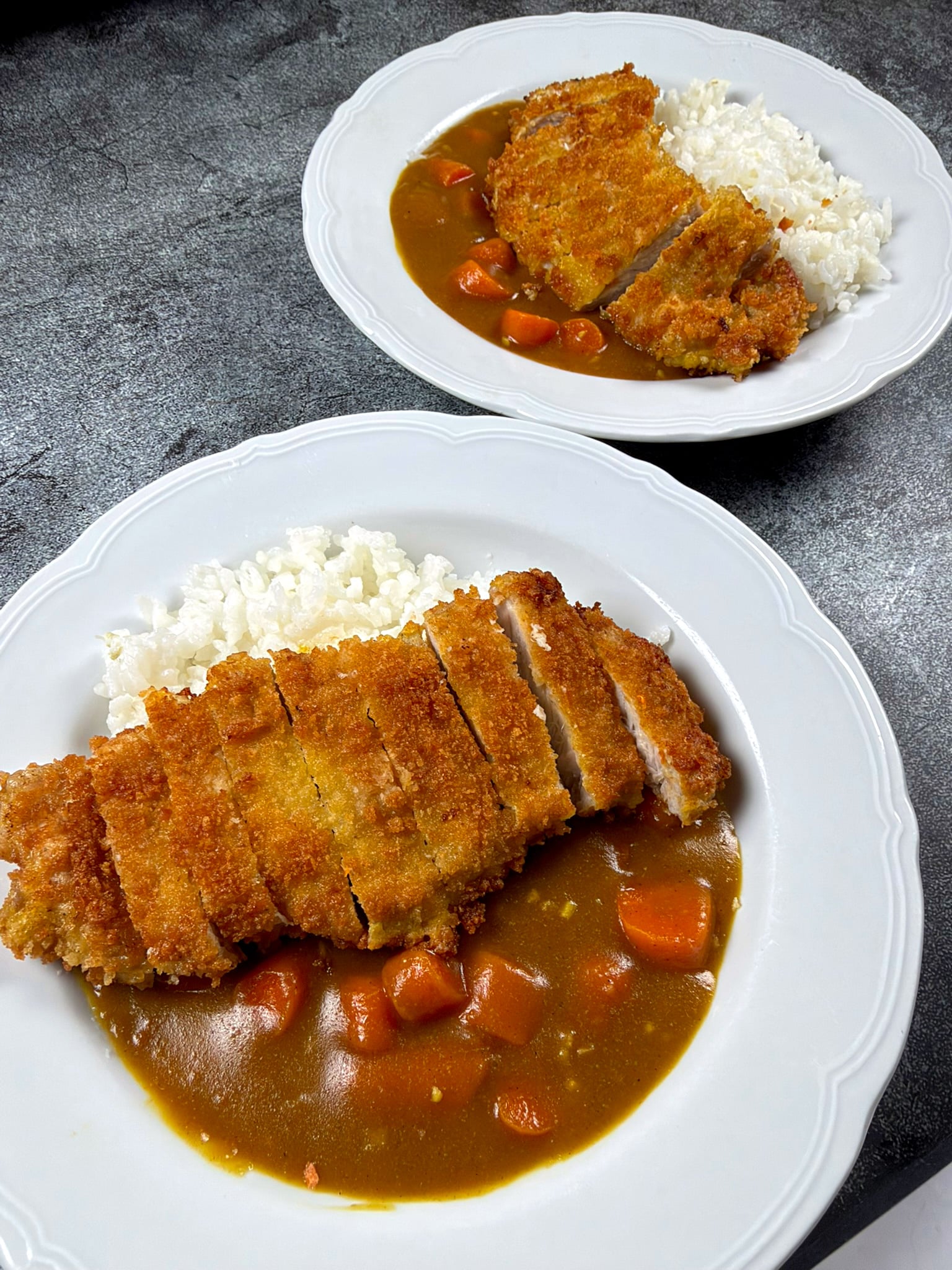
I made a simple Japanese curry using S&B Golden Curry Hot blocks and carrots, since carrots were the only vegetables I had available.
It turned out delicious, and the thick curry sauce went perfectly with the crispy pork and steamed rice.
Here's how to make a quick curry sauce for approximately 2 servings.
Ingredients:
- 2 blocks S&B Golden Curry (from the 7.8 oz box containing 8 blocks)
- ¾ cup water, plus more as needed
- ½ carrot, sliced
- 1 teaspoon neutral cooking oil
Instructions:
- Heat the oil in a small saucepan over medium heat.
- Add the sliced carrots and sauté for about 2 minutes.
- Pour in the water and bring to a boil.
- Reduce the heat and simmer, covered, until the carrots are tender, about 10-15 minutes. Add a little more water if needed.
- Turn off the heat and add the curry blocks, stirring until completely dissolved.
- Return to low heat and simmer for approximately 3-5 minutes, stirring occasionally, until the curry thickens.
- Add additional water if the sauce becomes too thick.
Serve the curry alongside steamed rice and sliced pork katsu.
I like leaving some of the crispy pork uncovered so the breading stays crunchy.
You can also add potatoes or other vegetables if you prefer, but carrots alone worked great for me!
Make a Katsu Sandwich
You can also use leftover pork katsu to make a Japanese-style katsu sandwich, or katsu sando.
Place the sliced pork between slices of soft white bread with tonkatsu sauce and shredded cabbage.
Variations and Substitutions
Thicker pork chops: You can use thicker boneless pork loin chops, but the cooking time will be longer. Pound them to an even thickness if needed, and always check the internal temperature.
Pork tenderloin: Pork tenderloin can also be used for a tender version of pork katsu. Slice it into cutlets and gently pound to an even thickness before breading.
Chicken katsu: Prefer chicken? Try my Chicken Katsu recipe, which uses a similar crispy panko coating.
Different seasonings: While traditional tonkatsu is simply seasoned with salt and pepper, you can add garlic powder or other seasonings if desired.
Different serving sauces: Try tonkatsu sauce, Japanese curry, or even a simple homemade sauce made with ketchup and Worcestershire sauce.
How to Store and Reheat Pork Katsu
Storing
Allow leftover pork katsu to cool, then transfer it to an airtight container.
Refrigerate for up to 3-4 days.
Store the pork separately from curry or other sauces to help prevent the breading from becoming soggy.
Reheating in the Air Fryer
An air fryer is a great way to reheat pork katsu while keeping the coating crispy.
Preheat the air fryer to 350°F.
Place the pork katsu in a single layer and heat for approximately 3-5 minutes, or until heated through to 165°F.
The exact time will depend on the thickness of the pork.
Reheating in the Oven
Preheat your oven to 375°F.
Place the pork katsu on a wire rack set over a baking sheet.
Bake for approximately 8-12 minutes, or until heated through to 165°F.
Avoid microwaving if possible, since it can make the crispy coating soft.
Frequently Asked Questions
What is the difference between pork katsu and tonkatsu?
Pork katsu and tonkatsu refer to the same Japanese dish: breaded and fried pork cutlets.
Tonkatsu is the traditional Japanese name, while pork katsu is a common English-language name.
What cut of pork is best for tonkatsu?
Pork loin and pork tenderloin are both commonly used.
I used thin-cut boneless pork loin chops because they cook quickly and work well for a crispy pork katsu.
Can I make pork katsu without deep-frying?
Yes! This recipe uses shallow frying rather than deep-frying.
You only need approximately ½ inch of oil in a skillet to get a crispy golden coating.
What temperature should pork katsu be cooked to?
Pork katsu should reach an internal temperature of 145°F (63°C), followed by at least a 3-minute rest.
Can I use regular breadcrumbs instead of panko?
You can, but the texture will be different.
Japanese panko breadcrumbs create a lighter, crispier coating than traditional fine breadcrumbs.
What's the difference between tonkatsu and katsu curry?
Tonkatsu is the breaded and fried pork cutlet itself.
Katsu curry is a dish where the crispy cutlet is served with Japanese curry sauce and rice.
Pork Katsu (Tonkatsu)
Crispy Japanese pork cutlets made with tender pork loin chops coated in flour, egg, and panko breadcrumbs, then shallow-fried until golden brown. Serve with tonkatsu sauce, shredded cabbage, rice, or Japanese curry!
Ingredients
- 12 oz thin-cut boneless pork loin chops
- ½ teaspoon salt
- ¼ teaspoon black pepper
- ¼ cup all-purpose flour
- 1 large egg, beaten
- 1 cup Japanese panko breadcrumbs
- Neutral cooking oil, enough to fill the skillet approximately ½ inch deep
Optional for Serving
- Tonkatsu sauce
- Shredded cabbage
- Steamed white rice
- Japanese curry
Instructions
- Pat the pork chops dry with paper towels. If there is a strip of fat around the edge, make a few small cuts through the fat to help prevent the pork from curling. Season both sides with salt and black pepper.
- Prepare three separate shallow dishes with the flour, beaten egg, and panko breadcrumbs.
- Coat one pork chop lightly in flour and shake off the excess. Dip it into the beaten egg, then coat it thoroughly with panko. Gently press the breadcrumbs onto both sides. Repeat with the remaining pork.
- Pour approximately ½ inch of neutral oil into a large skillet. Heat over medium heat until the oil reaches approximately 340–350°F.
- Carefully add the breaded pork chops without overcrowding the skillet. Fry in batches if necessary.
- Fry the thin-cut pork chops for approximately 2–3 minutes per side, or until the coating is golden brown and the pork reaches an internal temperature of 145°F. Cooking time will vary depending on the thickness of the pork.
- Transfer the pork katsu to a wire rack or paper towel-lined plate. Allow it to rest for at least 3 minutes.
- Slice into strips and serve immediately with tonkatsu sauce, shredded cabbage, steamed rice, or Japanese curry.
Notes
- Thicker pork chops: Pound them to an even thickness before breading and increase the cooking time as needed.
- Easy cleanup: Spread the flour and panko on separate sections of aluminum foil instead of using two additional plates. Fold up and discard the foil and any breading that touched the raw pork when finished.
- Oil temperature: Keep the oil around 340–350°F. Oil that is too cool can produce greasy breading, while overly hot oil can brown the coating before the pork cooks through.
- Panko: Japanese panko creates the lightest, crispiest coating. Regular breadcrumbs may be substituted, but the texture will be different.
Nutrition Information:
Serving Size: ⅓ of recipeAmount Per Serving: Calories: 300Total Fat: 15gSaturated Fat: 3gTrans Fat: 0gUnsaturated Fat: 11gCholesterol: 135mgSodium: 540mgCarbohydrates: 12gFiber: 1gSugar: 1gProtein: 31g
More Japanese Recipes You'll Love
If you enjoyed this pork katsu recipe, check out these other delicious Japanese dishes!
- Chicken Katsu - Crispy Japanese breaded chicken cutlets.
- Japanese Curry Chicken - A comforting Japanese curry with tender chicken and vegetables.
Got questions or comments? Drop them below!