
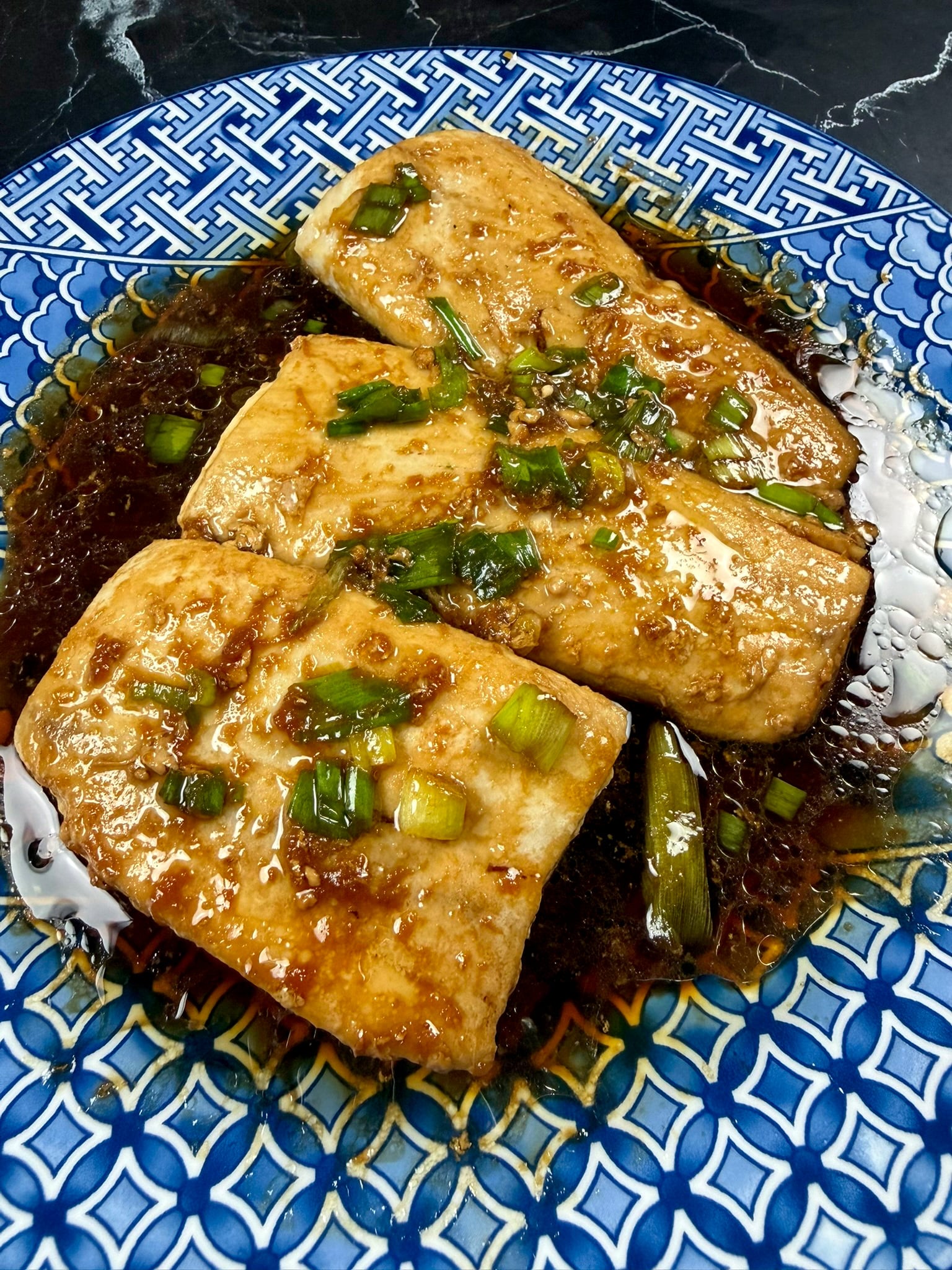
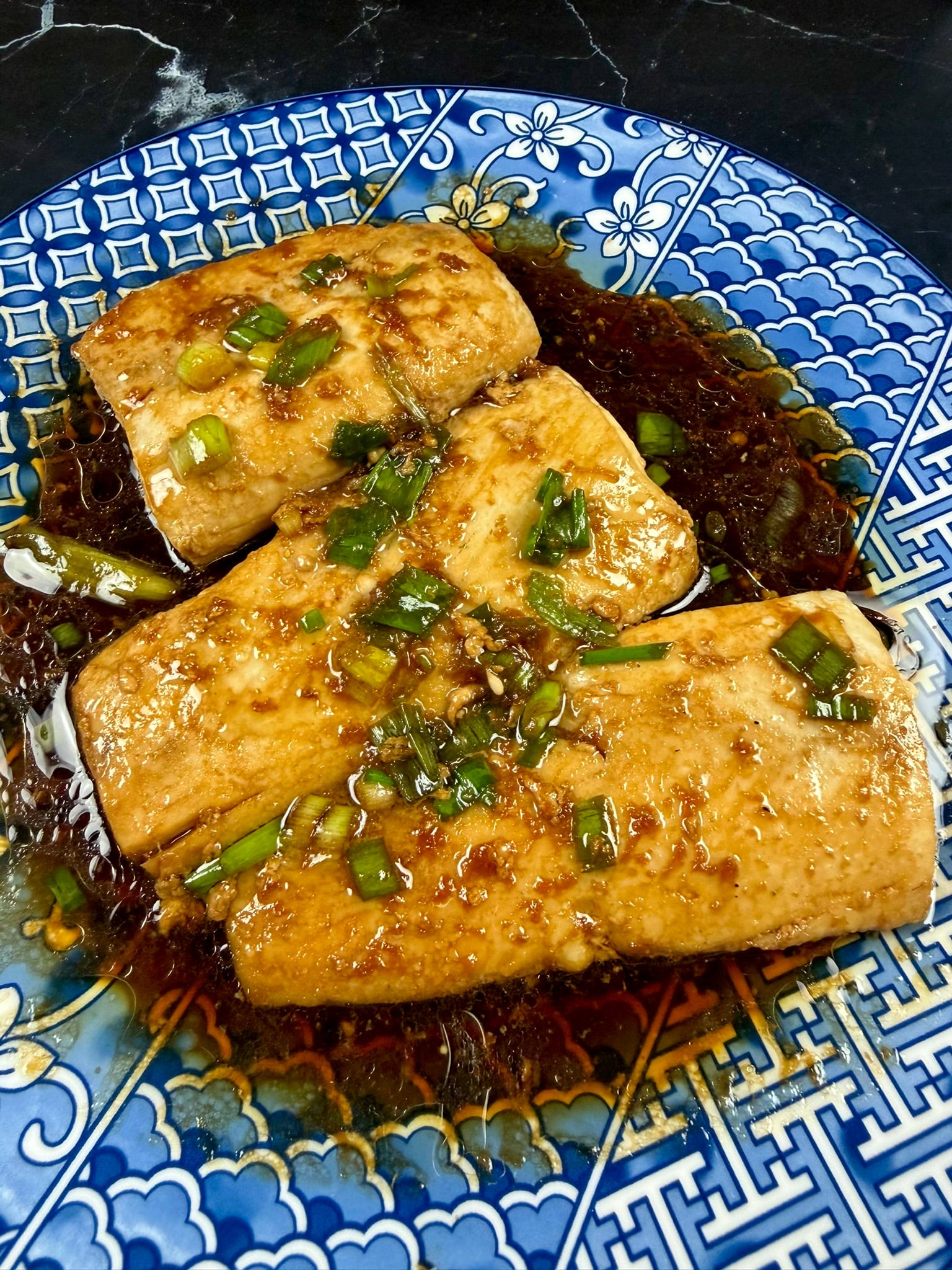
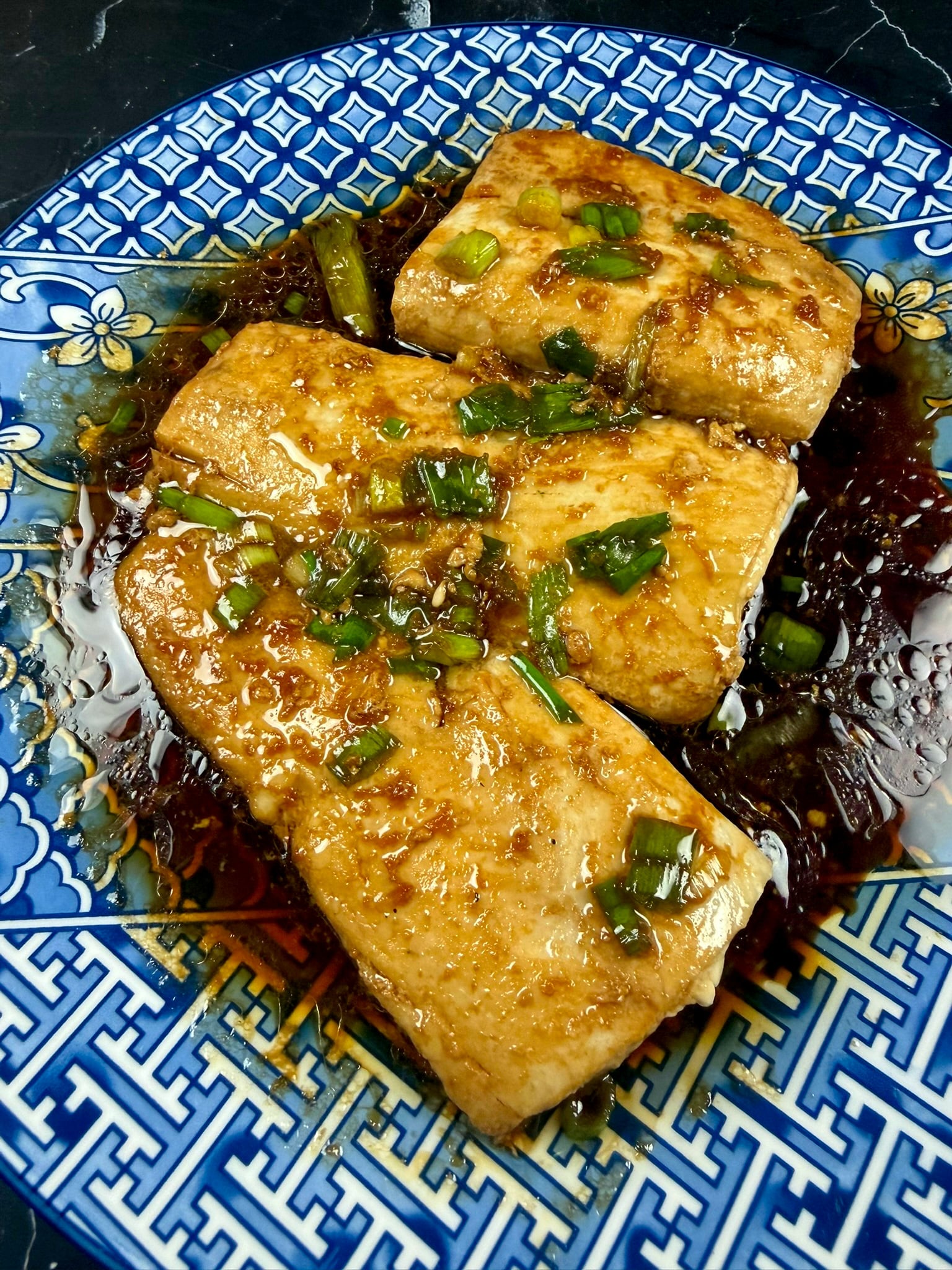
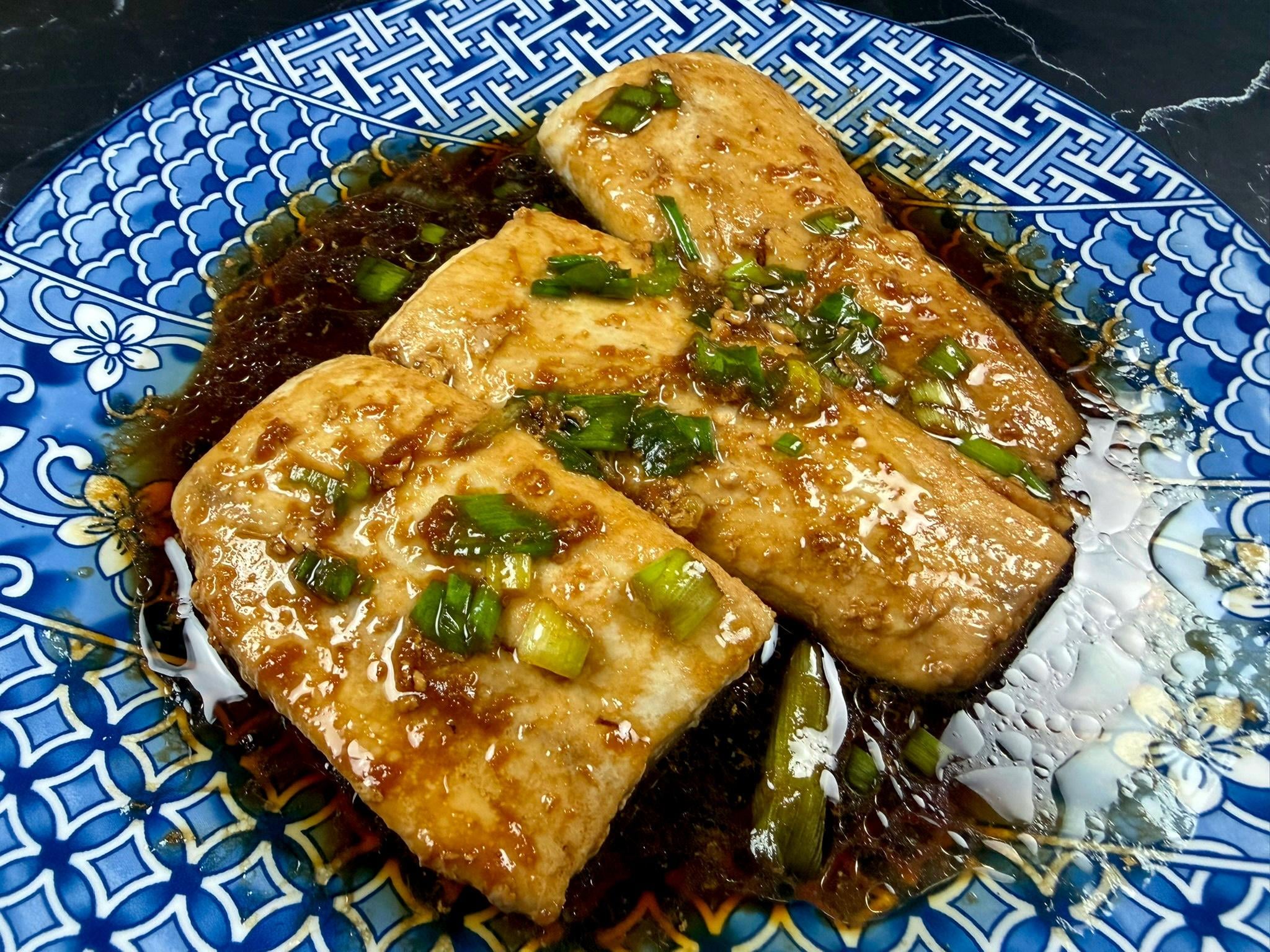
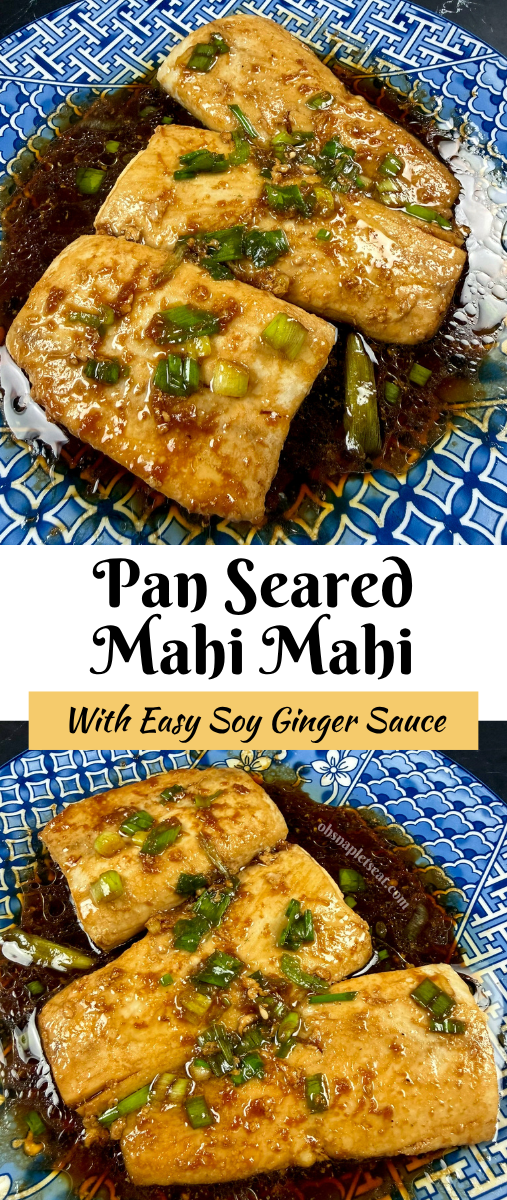
This Pan Seared Mahi Mahi with Soy Ginger Sauce is an easy seafood dinner that comes together in about 15 minutes! The mahi mahi is cooked until golden on the outside and tender inside, then finished with a savory sauce made with ginger, rice wine, soy sauce, green onions, and a pinch of sugar.
Jump to:
- Why You'll Love This Recipe
- What Does Mahi Mahi Taste Like?
- Ingredients
- How to Make Pan Seared Mahi Mahi with Soy Ginger Sauce
- Tips for Pan Searing Mahi Mahi
- What to Serve with Soy Ginger Mahi Mahi
- Storage and Reheating
- Frequently Asked Questions
- Pan Seared Mahi Mahi with Soy Ginger Sauce Recipe
- More Delicious Fish Recipes
- Pin for later!
Mahi mahi has a mild flavor and firm texture, making it perfect for pan searing. It also pairs beautifully with the classic combination of ginger, scallions, rice wine, and soy sauce.
Serve it with steamed rice and an easy vegetable dish, such as stir-fried water spinach, for a simple and delicious weeknight meal!
Why You'll Love This Recipe
- Quick: The entire dish takes about 15 minutes.
- Easy: There's no lengthy marinade or complicated preparation.
- Flavorful: Ginger, soy sauce, rice wine, and green onions create a simple savory sauce.
- Great for weeknights: You only need the fish and a few Asian pantry staples.
- Versatile: You can use the same method with other firm fish fillets.
What Does Mahi Mahi Taste Like?
Mahi mahi is a mild white fish with a slightly sweet flavor. It has a firm, meaty texture that holds together well in a skillet, making it easier to flip than delicate fish such as flounder.
Because mahi mahi is leaner than salmon, it can become dry when overcooked. Cook it just until it turns opaque and flakes easily to keep it tender and moist.
Ingredients
Here's what you'll need:
- Mahi mahi: Frozen mahi mahi works perfectly; just thaw it completely and pat it very dry before cooking.
- Avocado oil: I use avocado oil, but another neutral cooking oil suitable for medium-high heat will also work.
- Ginger: Fresh or frozen ginger both work. I grated my ginger directly from frozen.
- Rice wine: I use Taiwanese rice wine, but Chinese Shaoxing wine or dry sherry can also work.
- Light soy sauce: Light soy sauce means regular Chinese soy sauce, not necessarily reduced-sodium soy sauce.
- Sugar: Just a small pinch balances the salty, savory sauce without making it sweet.
- Green onions: These add freshness, color, and a mild onion flavor.
- Optional garlic: Add minced garlic if you want a stronger aromatic flavor.
- Optional white pepper: Add a small amount if you want
How to Make Pan Seared Mahi Mahi with Soy Ginger Sauce
Prepare the mahi mahi
If your mahi mahi is frozen, thaw it completely. Pat the fillets very dry with paper towels. Removing excess moisture will help the fish develop a golden exterior instead of steaming in the skillet.
You can season the fish lightly with white pepper if you like, but this is optional. You don't need to add salt because the soy sauce will season the finished dish.
Pan sear the mahi mahi
Heat the oil in a large skillet over medium-high heat.
Once the oil is hot, add the mahi mahi fillets.
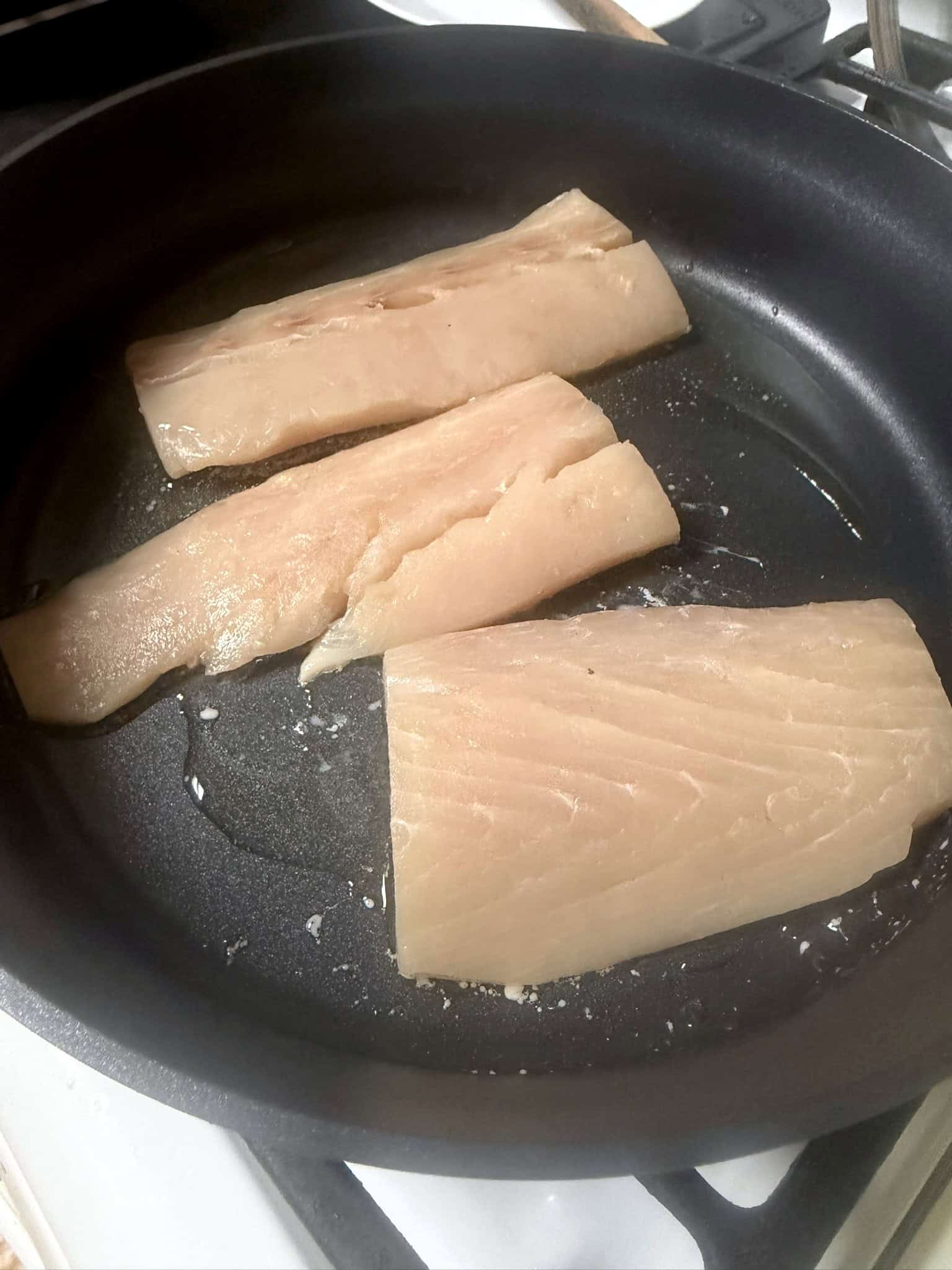
Cook them undisturbed for 3-4 minutes, or until the bottoms are lightly golden and release easily from the skillet.
Flip the mahi mahi and cook the second side for about 2 minutes.
Add the soy ginger sauce
Add the grated ginger directly to the skillet around the mahi mahi. If using the optional garlic, add it with the ginger. Let the aromatics cook for about 20-30 seconds.
Carefully pour the rice wine into the skillet around the fish. Add the soy sauce, water, and a pinch of sugar, then gently stir the sauce without breaking apart the fillets.
Add the green onions and allow the sauce to simmer around the mahi mahi for another 1-2 minutes, occasionally spooning some of the sauce over the fish.
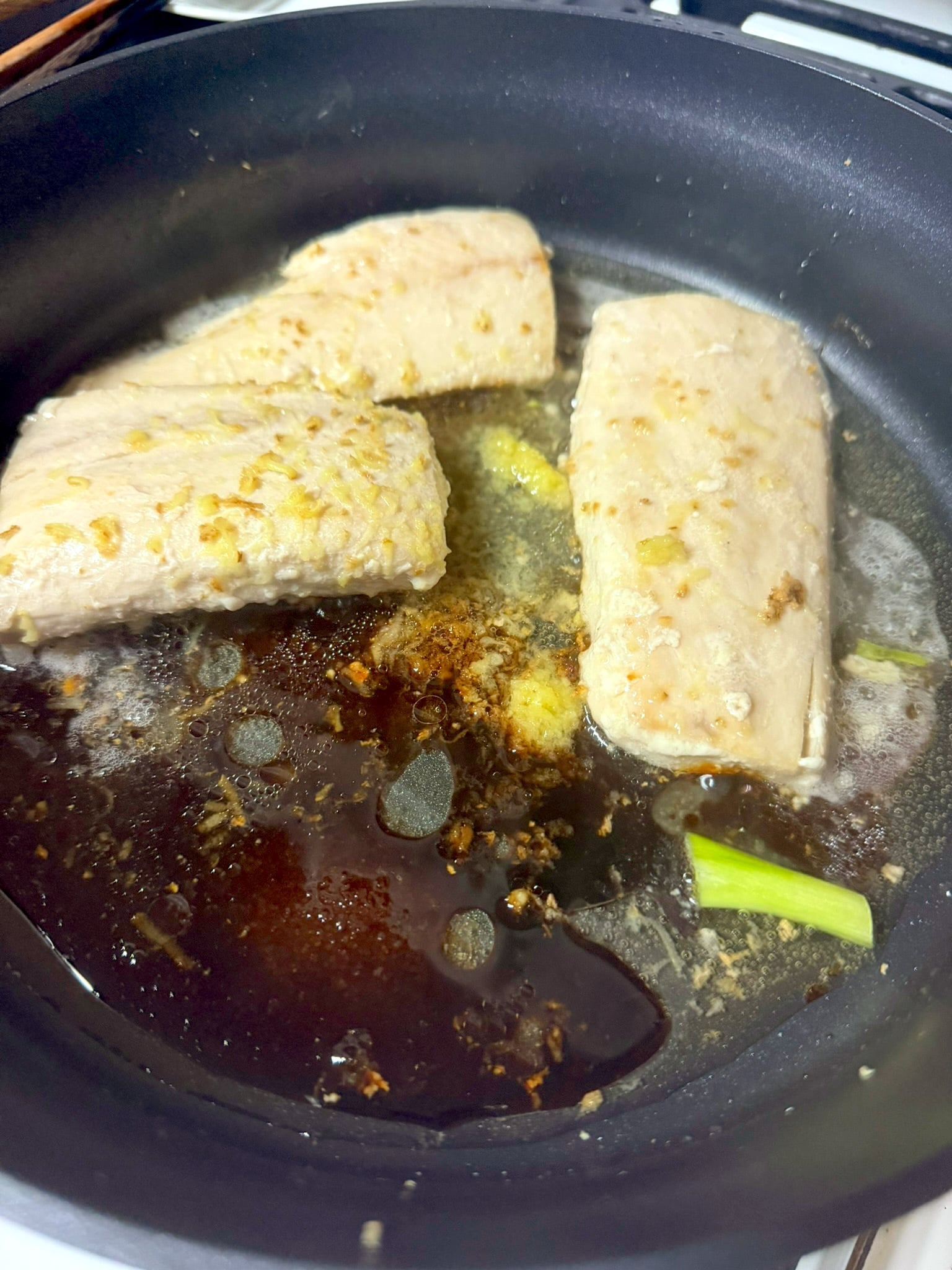
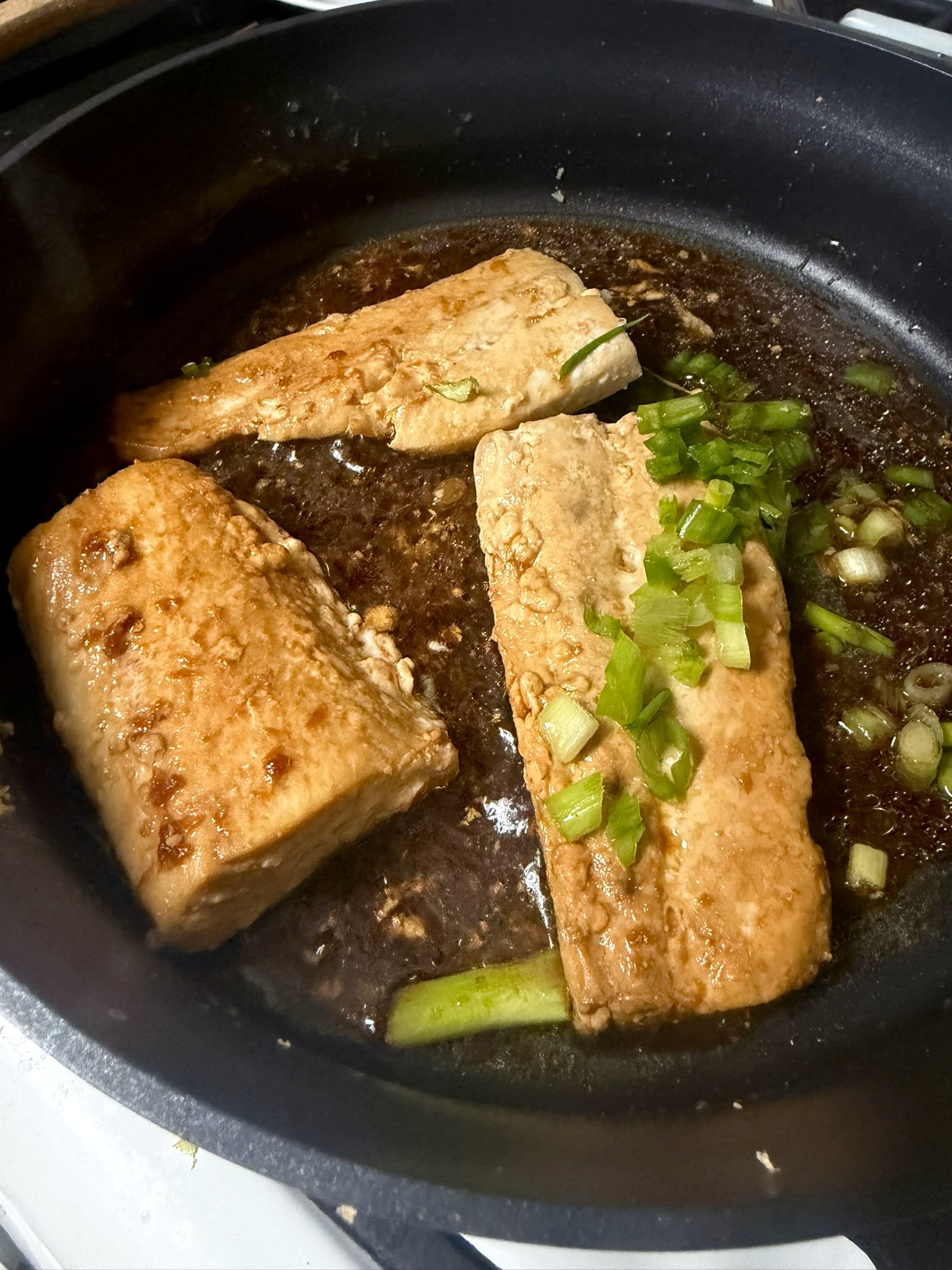
The mahi mahi is ready when it is opaque, flakes easily, and reaches 145°F in the thickest portion.
Finish the dish
Return the mahi mahi to the skillet and spoon the soy ginger sauce over the fillets for about 30 seconds.
Sprinkle with chopped green onions, remove the skillet from the heat, and serve immediately.
Tips for Pan Searing Mahi Mahi
Dry the fish thoroughly
Excess moisture prevents browning. Pat every side of the mahi mahi dry before placing it in the skillet.
Make sure the oil is hot
Wait until the oil is hot before adding the fish. This will help create a golden exterior and reduce sticking.
Don't move the mahi mahi too soon
Allow the first side to cook undisturbed. Once it has developed a good sear, it should release from the pan more easily.
Cook the sauce after removing the fish
Adding rice wine while the fish is still searing can cause it to steam. Removing the mahi mahi first allows you to brown both sides before making the sauce.
Don't overcook the fish
Mahi mahi is lean and can dry out quickly. Begin checking thinner fillets early, especially if they are less than 1 inch thick.
What to Serve with Soy Ginger Mahi Mahi
I served this mahi mahi with steamed rice and stir-fried water spinach. The garlicky greens were perfect with the savory soy ginger sauce!
You could also serve it with:
- Chinese broccoli with oyster sauce
- Garlic green beans
- Stir-fried cabbage
- Stir-fried asparagus
- Steamed bok choy
- Asian cucumber salad
- Fried rice
If you enjoy these flavors but want to use another type of fish, try my Pan Seared Fish With Ginger, Scallions, and Soy.
Storage and Reheating
Allow leftover mahi mahi to cool, then store it in an airtight container in the refrigerator for up to 3 days.
For the best texture, reheat it gently in a covered skillet over medium-low heat. Add a spoonful of water or leftover sauce to help prevent the fish from drying out.
You can also microwave it in short intervals until warmed through. Avoid overheating it because mahi mahi can become dry.
Frequently Asked Questions
Can I use frozen mahi mahi?
Yes! Thaw the mahi mahi completely before pan searing it. Once thawed, pat it very dry with paper towels.
If the fish is vacuum-sealed, follow the package's directions for safe thawing.
Can I use frozen ginger?
Yes. You can grate a frozen piece of ginger directly into the skillet. Let it sit at room temperature for a couple of minutes if it is too hard to handle.
Add frozen ginger carefully because any ice crystals may cause the hot oil to splatter.
Can I add garlic?
Yes. Garlic is not required, but you can add 2-3 minced garlic cloves along with the ginger. Stir constantly and cook it for only about 20-30 seconds before adding the rice wine.
Can I use another kind of fish?
Yes. Cod, grouper, halibut, sea bass, or salmon would all be delicious with this sauce. Adjust the cooking time according to the thickness and type of fish.
Can I air fry the mahi mahi?
Yes. Lightly coat thawed mahi mahi with cooking oil and air fry it at 400°F for approximately 8-10 minutes, flipping halfway through.
If your air fryer cooks only at 425°F, begin checking the fish after 6 minutes.
Prepare the soy ginger sauce separately on the stovetop, then spoon it over the air-fried mahi mahi.
Do I need to marinate the mahi mahi?
No. The quick soy ginger pan sauce adds plenty of flavor without requiring advance preparation.
Pan Seared Mahi Mahi with Soy Ginger Sauce Recipe
This easy pan seared mahi mahi is golden on the outside, tender inside, and finished with a quick soy ginger sauce. It’s a flavorful seafood dinner ready in about 15 minutes!
Ingredients
- 1 pound mahi mahi fillets, thawed if frozen
- 1 tablespoon oil
- 1 tablespoon grated ginger
- 2 tablespoons rice wine
- 2 tablespoons light soy sauce
- 1 tablespoon water
- Pinch of sugar
- 2 green onions, sliced
- 2–3 cloves garlic, minced, optional
- ¼ teaspoon white pepper, optional
Instructions
- Pat the mahi mahi very dry with paper towels. If desired, season lightly with white pepper.
- Heat the oil in a large skillet over medium-high heat.
- Add the mahi mahi and cook undisturbed for 3–4 minutes, or until lightly golden on the bottom and easy to release from the skillet.
- Flip the mahi mahi and cook for about 2 minutes.
- Add the ginger directly to the skillet around the fish and cook for 20–30 seconds. If using the optional garlic, add it with the ginger.
- Carefully pour the rice wine into the skillet. Add the soy sauce, water, and a pinch of sugar, then gently stir the sauce around the fish.
- Add the green onions and simmer for another 1–2 minutes, occasionally spooning the sauce over the mahi mahi. The fish is done when it is opaque, flakes easily, and reaches 145°F in the thickest portion.
- Transfer the mahi mahi to a serving plate. Pour the remaining soy ginger sauce and green onions over the fish and serve immediately.
Notes
- Fresh or frozen ginger will work. Frozen ginger can be grated directly into the skillet.
- Garlic and white pepper are optional; neither is required for the base recipe.
- Cooking time depends on the thickness of the fillets. Begin checking thinner pieces early to avoid overcooking.
- For more sauce, double the rice wine, soy sauce, water, and sugar.
Recommended Products
As an Amazon Associate and member of other affiliate programs, I earn from qualifying purchases.
-
 Hiware 10-Pairs Fiberglass Chopsticks - Reusable Chopsticks Dishwasher Safe, 9 ½ Inches - Black
 -
Oriental Mascot Ground White Pepper Powder 吉祥牌白胡椒粉1.3 Oz (37g) 2 Packs
-
Wan Ja Shan Organic Aged Soy Sauce, 33.8fl.oz
-
Michiu (Rice Cooking Wine)- 750ml (Pack of 1) by QIAN HU
-
Chosen Foods 100% Pure Avocado Oil 1 L, Non-GMO, for High-Heat Cooking, Frying, Baking, Homemade Sauces, Dressings and Marinades


Nutrition Information:
Yield: 4 Serving Size: 1Amount Per Serving: Calories: 172Total Fat: 5gSaturated Fat: 1gUnsaturated Fat: 4gCholesterol: 107mgSodium: 602mgCarbohydrates: 2gFiber: 1gSugar: 0gProtein: 28g
The nutrition information for this recipe is an approximate total per serving. Please double check the nutrition information for your exact ingredients and brands for more precise nutrition information. Keep in mind that if there is a marinade, often times not all the ingredients will be consumed.
More Delicious Fish Recipes
Looking for more easy and flavorful fish recipes? Here are a few more to try:
- Pan Seared Fish With Ginger, Scallions, and Soy - This easy fish dish features the classic Chinese combination of ginger, green onions, rice wine, and soy sauce.
- Red Braised Fish Filet - Tender fish fillets are simmered with ginger, scallions, soy sauce, and spicy chili bean paste for a bold and savory dish.
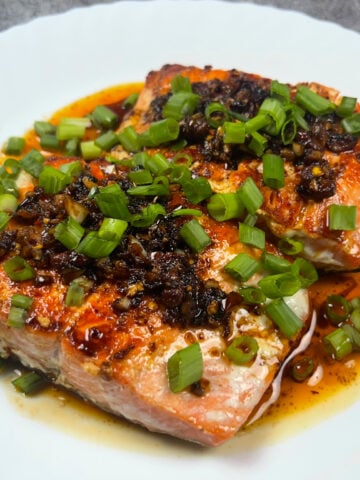
- Sizzling Chili Bean Fish (Douban Yu) - This spicy fish dish is topped with garlic, green onions, and chili bean paste, then finished with sizzling hot oil.
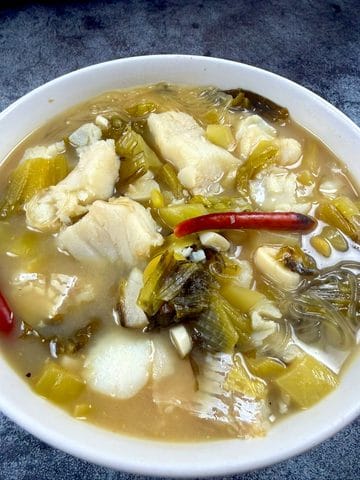
- Suan Cai Yu (酸菜魚) - A comforting and tangy Chinese fish soup made with tender white fish and pickled mustard greens.
You can also browse my complete collection of Delicious Asian Fish Recipes for even more ideas!
Pin for later!

Got questions or comments? Drop them below!