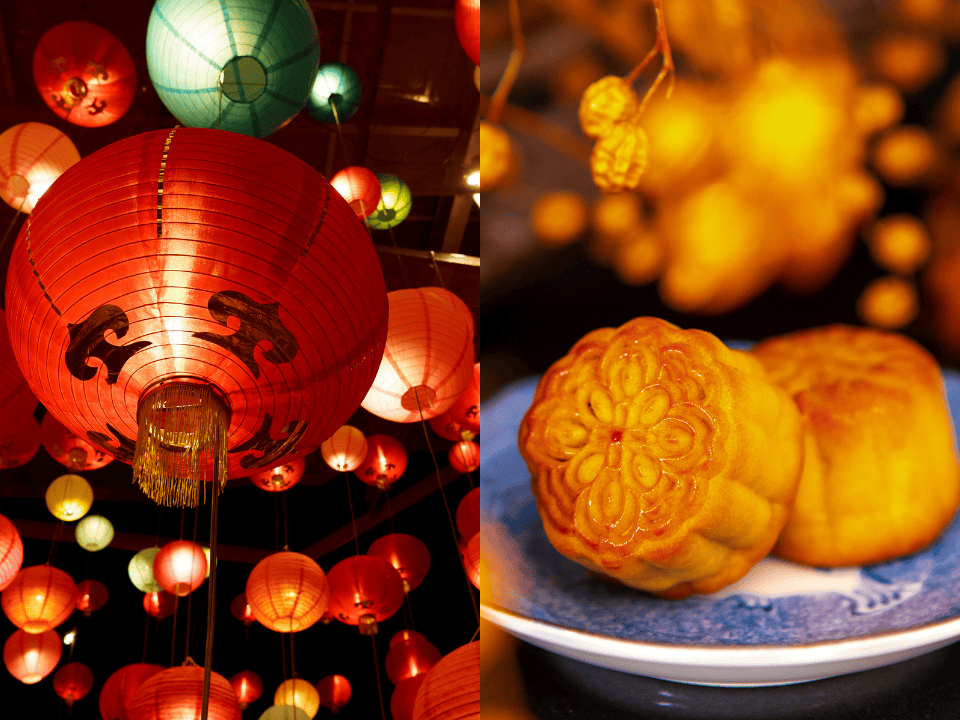
One of my clearest childhood memories of the Mid-Autumn Festival is mooncakes. Every year, my mom and I would have these beautiful round pastries, usually packaged individually inside an elaborate box. Our favorites were the ones with a salted egg yolk hidden in the center. I loved the contrast between the sweet, dense filling and the rich, salty yolk and cutting one open to reveal that bright golden center was always the best part.
Jump to:
- What Is the Mid-Autumn Festival?
- Why Do We Eat Mooncakes?
- What Does the Egg Yolk Inside a Mooncake Mean?
- The Legend of Chang'e and the Moon
- Who Is the Jade Rabbit?
- How Is the Mid-Autumn Festival Celebrated in Taiwan?
- Did Mooncakes Once Contain Secret Messages?
- Mid-Autumn Festivals Across Asia
- How Can You Celebrate the Mid-Autumn Festival?
- Pin for later!
When I was growing up in the United States, mooncakes were not always easy to find. We usually had to visit an Asian grocery store or receive them from someone who knew where to buy the good ones. Nowadays, you can find mooncakes in many different flavors and styles and sometimes you can even spot them at Costco!
But the Mid-Autumn Festival is about much more than eating mooncakes. It is a celebration of the harvest, the moon, family, and togetherness, with traditions that go back thousands of years.
What Is the Mid-Autumn Festival?
The Mid-Autumn Festival is called 中秋節 (Zhōngqiū Jié) in Mandarin Chinese. It is also commonly called the Moon Festival or Mooncake Festival.
It is celebrated on the 15th day of the eighth month of the lunar calendar. Because the lunar calendar does not line up exactly with the Western calendar, the date changes each year and usually falls sometime in September or October.
In 2026, the Mid-Autumn Festival falls on Friday, September 25.
The festival developed from ancient harvest and moon-worship traditions. It was a time to give thanks for the year's harvest, appreciate the moon, and gather with loved ones. Today, family reunion remains one of the holiday's most important themes.
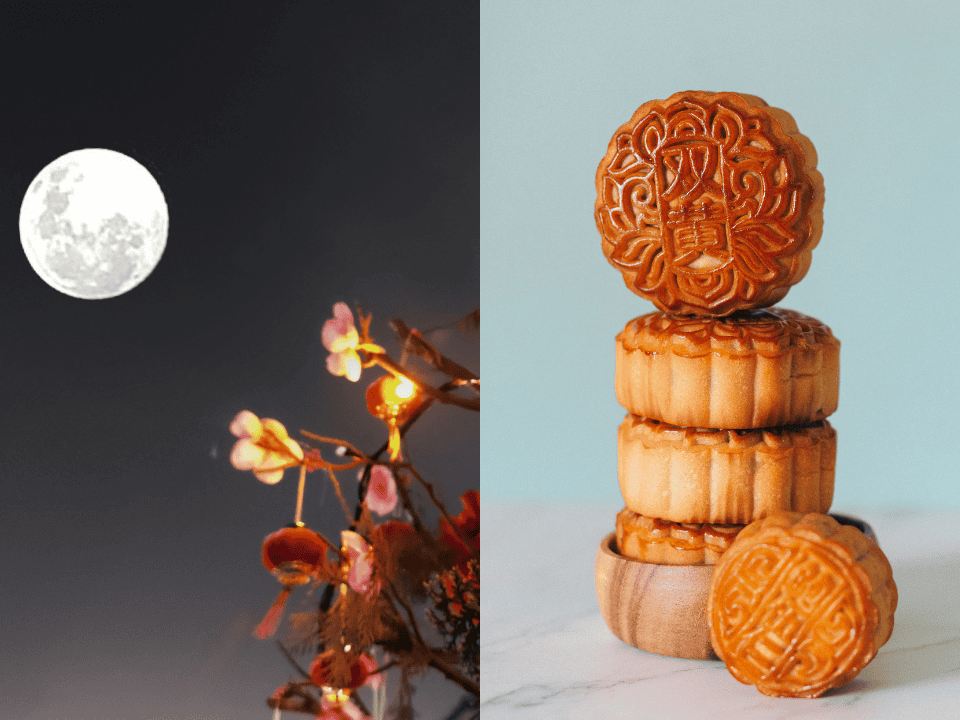
The full moon is especially meaningful because its round shape represents completeness and togetherness. Even when family members are separated by distance, they can look up and see the same moon - a beautiful reminder that they are still connected. OH yes.. and of course we also eat mooncakes!
Why Do We Eat Mooncakes?
Mooncakes, or 月餅 (yuèbǐng), are the food most closely associated with the Mid-Autumn Festival.
Their round shape resembles the full moon and symbolizes reunion, harmony, and wholeness. Mooncakes are often cut into wedges and shared so that everyone can enjoy a piece. They are also commonly given to relatives, friends, neighbors, and business associates in decorative gift boxes.
Traditional mooncakes have a thin pastry crust pressed with intricate designs. The top may be stamped with decorative patterns, lucky characters, the bakery's name, or clues about the filling inside.
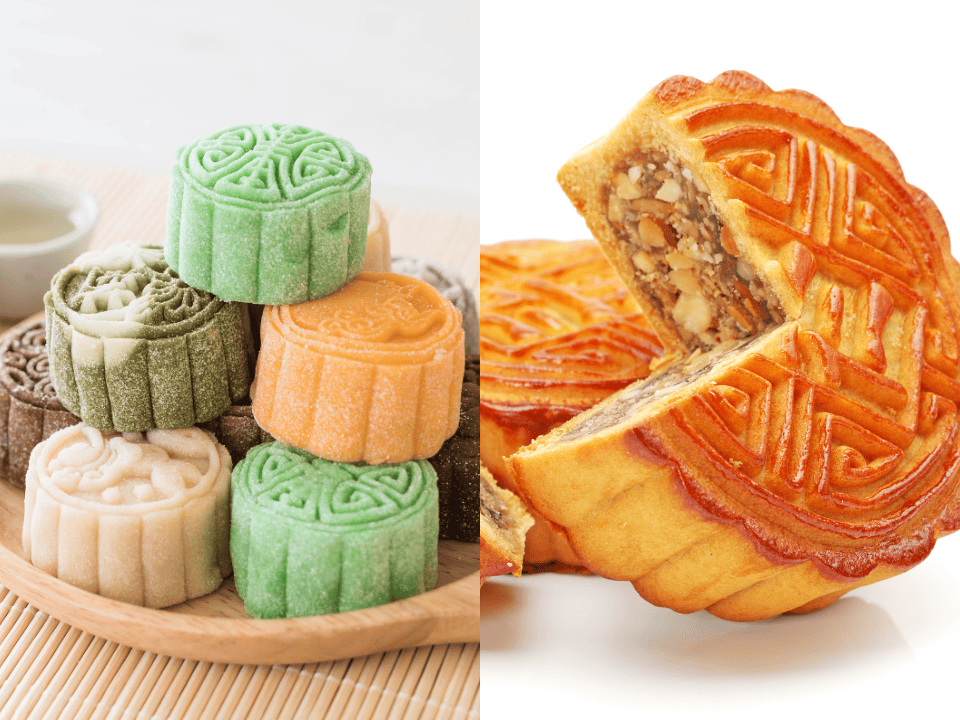
Mooncake fillings vary tremendously by region. Some of the most common include:
- Lotus seed paste
- Red bean paste
- Mung bean paste
- Black sesame
- Mixed nuts and seeds
- Jujube or date paste
- Taro
- Salted egg yolks
Modern versions may be filled with custard, chocolate, fruit, matcha, or even ice cream. There are also soft, colorful "snow skin" mooncakes that are chilled instead of baked.
What Does the Egg Yolk Inside a Mooncake Mean?
The golden yolk inside a mooncake is usually a salted duck egg yolk. Its round shape and golden-orange color resemble the full moon, making it especially appropriate for the Mid-Autumn Festival.
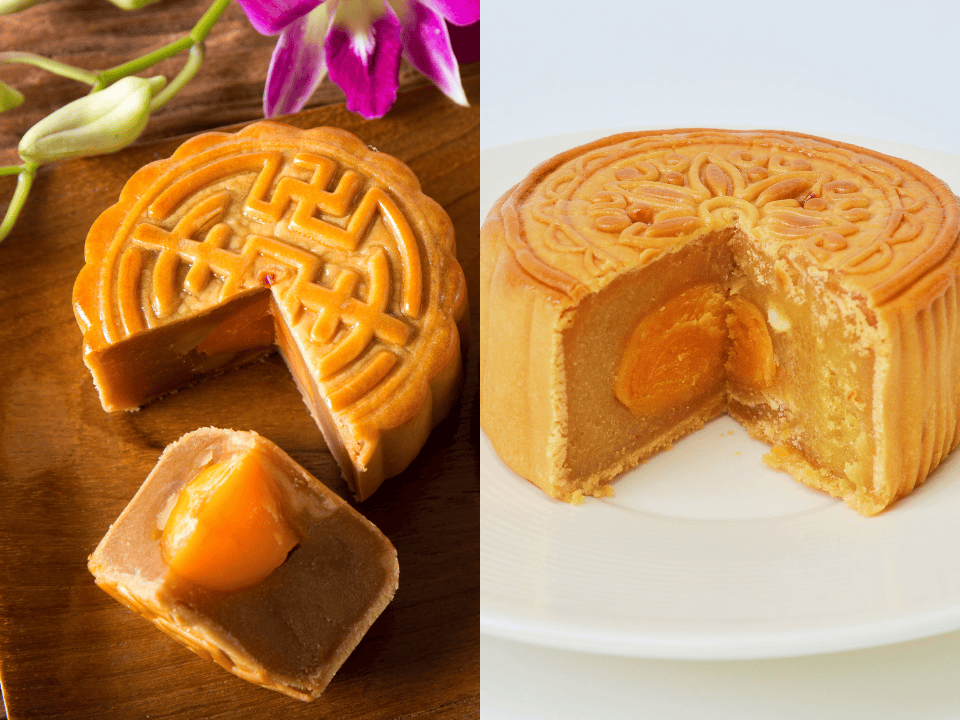
A mooncake may contain one, two, or sometimes even more yolks. The yolks add a salty, savory richness that balances the sweet filling around them.
These were always my family's favorite mooncakes. Even now, when I picture a mooncake, I immediately think of cutting it open and seeing that bright golden yolk in the middle.
You may also see Taiwanese egg yolk pastries called 蛋黃酥 (dànhuáng sū) around the Mid-Autumn Festival. These are not quite the same as the dense, molded Cantonese-style mooncake. They typically have a delicate, flaky crust wrapped around sweet bean paste and a salted egg yolk. Both styles are popular holiday gifts.
The Legend of Chang'e and the Moon
One of the best-known stories associated with the Mid-Autumn Festival is the legend of Chang'e (嫦娥), the moon goddess.
There are several versions of the story, as often happens with legends passed down over many generations. In one popular version, the earth once had ten suns blazing in the sky. Their heat scorched the land and made life nearly impossible.
A skilled archer named Hou Yi (后羿) saved the world by shooting down nine of the suns, leaving one to provide light and warmth. As a reward, he received an elixir of immortality.
Hou Yi gave the elixir to his wife, Chang'e, for safekeeping. While he was away, a man named Peng Meng attempted to steal it. To prevent the elixir from falling into the wrong hands, Chang'e drank it herself. She became immortal and floated into the sky, eventually making her home on the moon.
Hou Yi was heartbroken. He placed Chang'e's favorite foods outside beneath the moon as an offering to her, and others eventually followed the tradition.
Another version says Hou Yi became a cruel ruler and Chang'e drank the elixir to keep him from living forever. The details may change, but Chang'e's journey to the moon remains at the center of the festival's mythology.
Who Is the Jade Rabbit?
Chang'e is not believed to be alone on the moon. She is often accompanied by the Jade Rabbit, or 玉兔 (Yùtù).
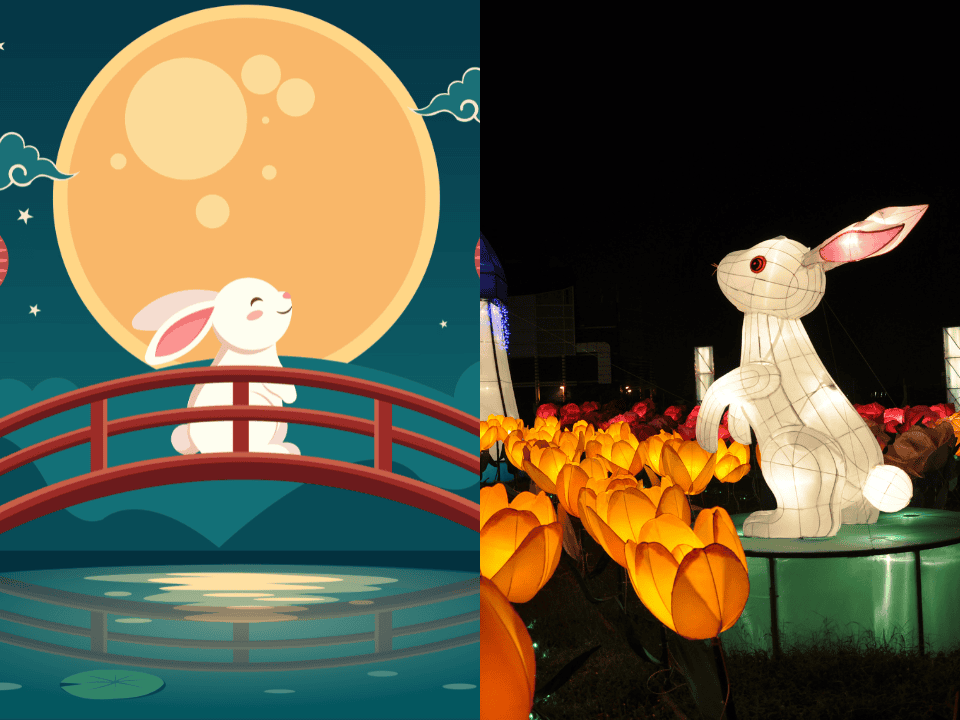
According to Chinese folklore, the rabbit lives on the moon and uses a mortar and pestle to prepare the elixir of immortality. If you look closely at the shadows on the full moon, you may be able to imagine the shape of a rabbit working there.
The moon rabbit also appears in the traditions of other Asian cultures, although what the rabbit is making changes from place to place. In Korea and Japan, for example, the rabbit is often said to be pounding rice cakes.
How Is the Mid-Autumn Festival Celebrated in Taiwan?
Along with eating mooncakes and admiring the moon, Taiwan has developed some fun Mid-Autumn Festival traditions of its own.
Eating Pomelos
Pomelos, or 柚子 (yòuzi), are in season around the Mid-Autumn Festival and are another popular holiday food.
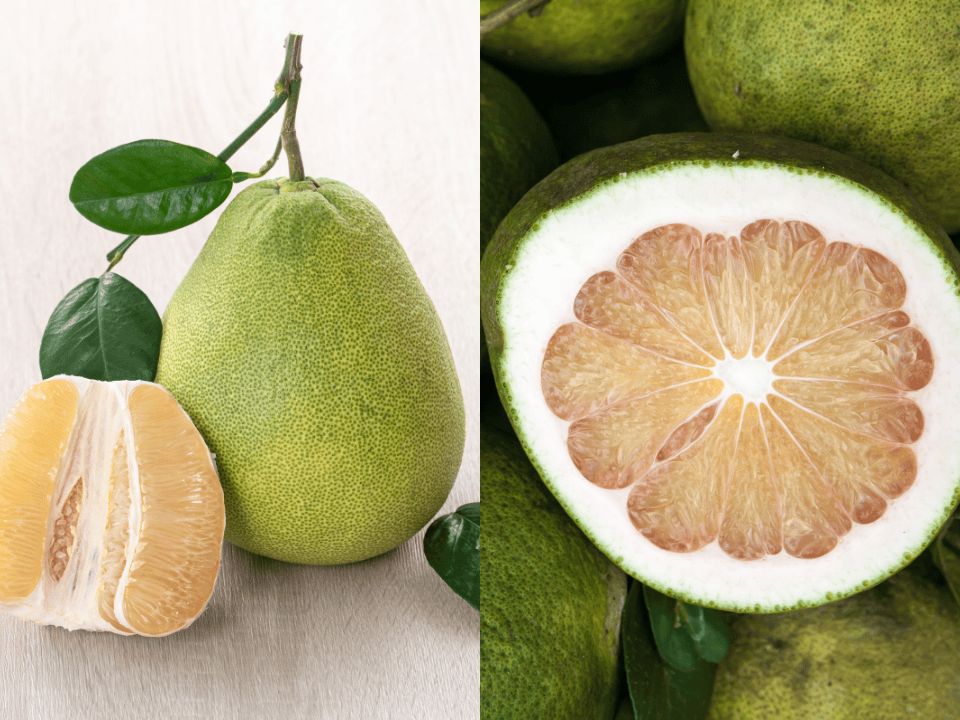
They are associated with good fortune and protection because the word 柚 (yòu) sounds similar to 佑, a character connected with blessing or protection. Their round shape also fits the festival's themes of completeness and family togetherness.
Children (and plenty of playful adults) sometimes turn the thick pomelo peel into a hat after eating the fruit. It may look silly, but it has become one of the holiday's most recognizable Taiwanese traditions.
Barbecuing With Family and Friends
If you are in Taiwan during the Mid-Autumn Festival, you will probably smell food grilling everywhere.
Families and friends gather outside to cook meat, seafood, vegetables, and Taiwanese sausages over small grills. However, this is not actually an ancient custom.
Barbecuing became strongly associated with the holiday in Taiwan during the 1980s. A growing interest in outdoor grilling helped start the trend, but memorable television commercials for barbecue sauce helped cement it as a Mid-Autumn tradition. What began partly through modern advertising is now something many people consider an essential part of the holiday.
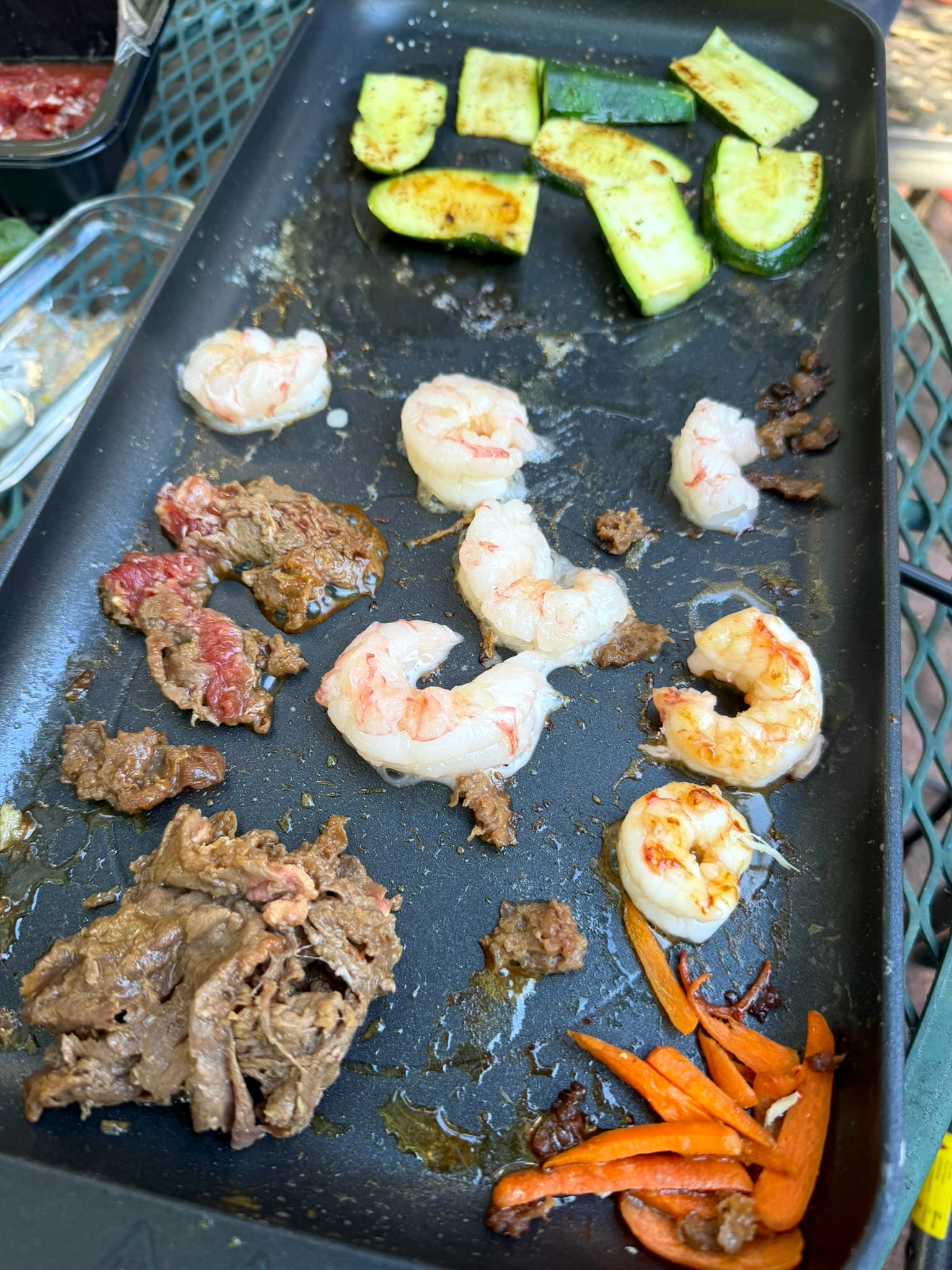
Honestly, it is a perfect example of how traditions are not frozen in time. Cultures continue creating new ones!
Giving Gifts
Beautifully packaged boxes of mooncakes and pomelos are frequently exchanged among relatives, friends, coworkers, and clients.
This can sometimes result in one family accumulating a truly impressive number of mooncakes. Because they are so rich, mooncakes are normally sliced into smaller wedges and enjoyed with tea rather than eaten whole in one sitting.
Admiring the Moon and Lighting Lanterns
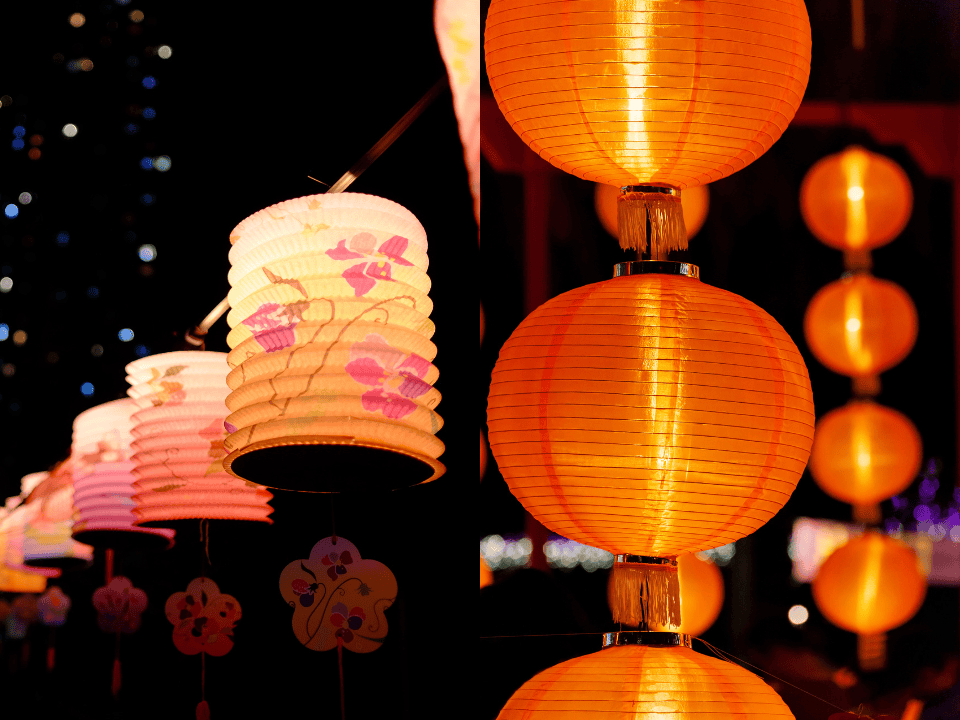
Families may spend the evening outside talking, eating, and admiring the moon. Lanterns are also displayed or carried in some communities, although the Mid-Autumn Festival should not be confused with the Lantern Festival, which occurs during the first lunar month.
Mid-Autumn Festival Events in Taiwan
You may also find special Mid-Autumn Festival events happening around Taiwan, although activities vary from year to year.
One of the most distinctive takes place in Kinmen, where people celebrate with Bo Zhuangyuan Bing (博狀元餅), sometimes called the Mid-Autumn Mooncake Dice Game. Players roll dice for the chance to win different prizes, a tradition that has become closely associated with Mid-Autumn Festival celebrations in Kinmen.
Elsewhere in Taiwan, communities may hold seasonal markets, performances, moon-viewing activities, and other events around the holiday. If you are visiting Taiwan during Mid-Autumn Festival, it is worth checking the local tourism calendar for the city or county you are staying in.
Did Mooncakes Once Contain Secret Messages?
You may have heard the story that mooncakes helped overthrow the Mongol-led Yuan dynasty.
According to the popular tale, rebels hid messages inside mooncakes instructing people to rise up on the 15th night of the eighth lunar month. Distributing the cakes supposedly allowed them to organize without attracting the attention of the authorities.
It is a great story, but historians generally treat it as folklore rather than firmly documented history. Mooncakes really have been used to convey messages, though-the characters stamped on their surfaces often express wishes for harmony, prosperity, longevity, or peace.
Mid-Autumn Festivals Across Asia
Mid-Autumn celebrations are not limited to Chinese or Taiwanese culture. Related harvest and moon festivals are observed throughout East and Southeast Asia, each with its own foods, stories, and traditions.
In Vietnam, Tết Trung Thu is especially associated with children, lantern processions, lion dances, fruit displays, and Vietnamese mooncakes.
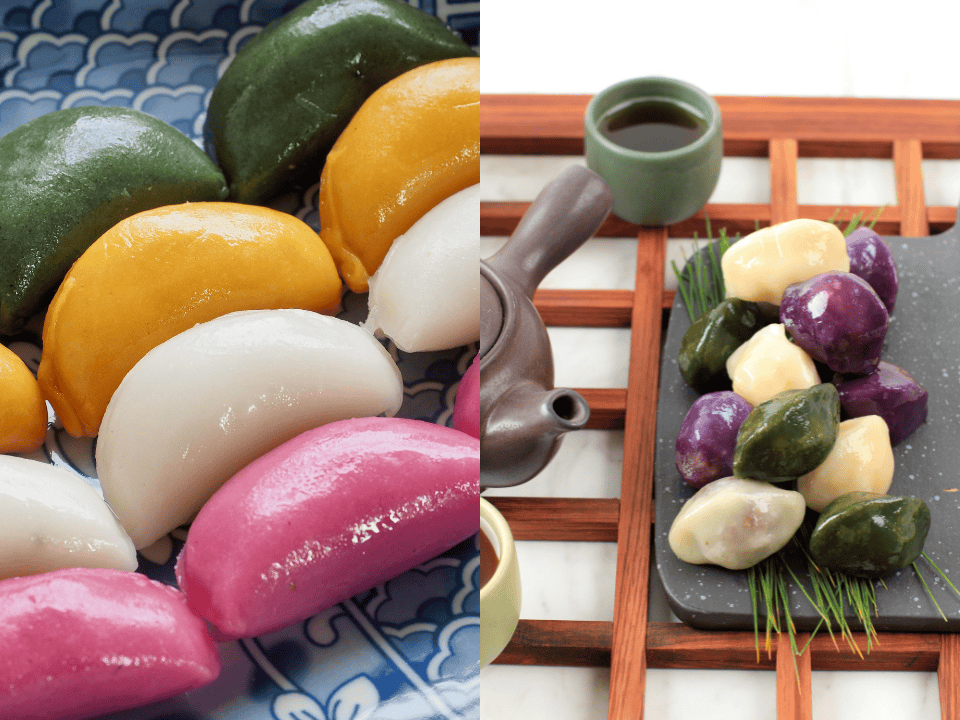
In Korea, Chuseok is an important family holiday centered on returning home, honoring ancestors, and eating songpyeon, small rice cakes filled with ingredients such as sesame seeds, beans, or chestnuts.
In Japan, Tsukimi means "moon viewing." People display pampas grass, admire the autumn moon, and eat round tsukimi dango.
These celebrations are distinct holidays rather than identical versions of one festival, but they share themes of harvest, gratitude, family, seasonal foods, and the moon.
How Can You Celebrate the Mid-Autumn Festival?
You do not need an elaborate celebration. The heart of the holiday is simply gathering with people you care about.
You could:
- Share a mooncake with family or friends
- Make tea and spend a little time outside admiring the moon
- Eat pomelo or another seasonal fruit
- Have a barbecue or family dinner
- Carry or display lanterns
- Tell children the stories of Chang'e and the Jade Rabbit
- Call relatives who live far away
- Learn about the different mooncake styles found across Asia
For me, the Mid-Autumn Festival will always bring back memories of my family sharing mooncakes-especially the ones with the salted egg yolk inside.
Mooncakes may be much easier to find today than they were when I was growing up, but the meaning behind them has not changed. They are meant to be shared, and their round shape reminds us of family, reunion, and the people who are looking up at the same moon.
Pin for later!
Got questions or comments? Drop them below!