
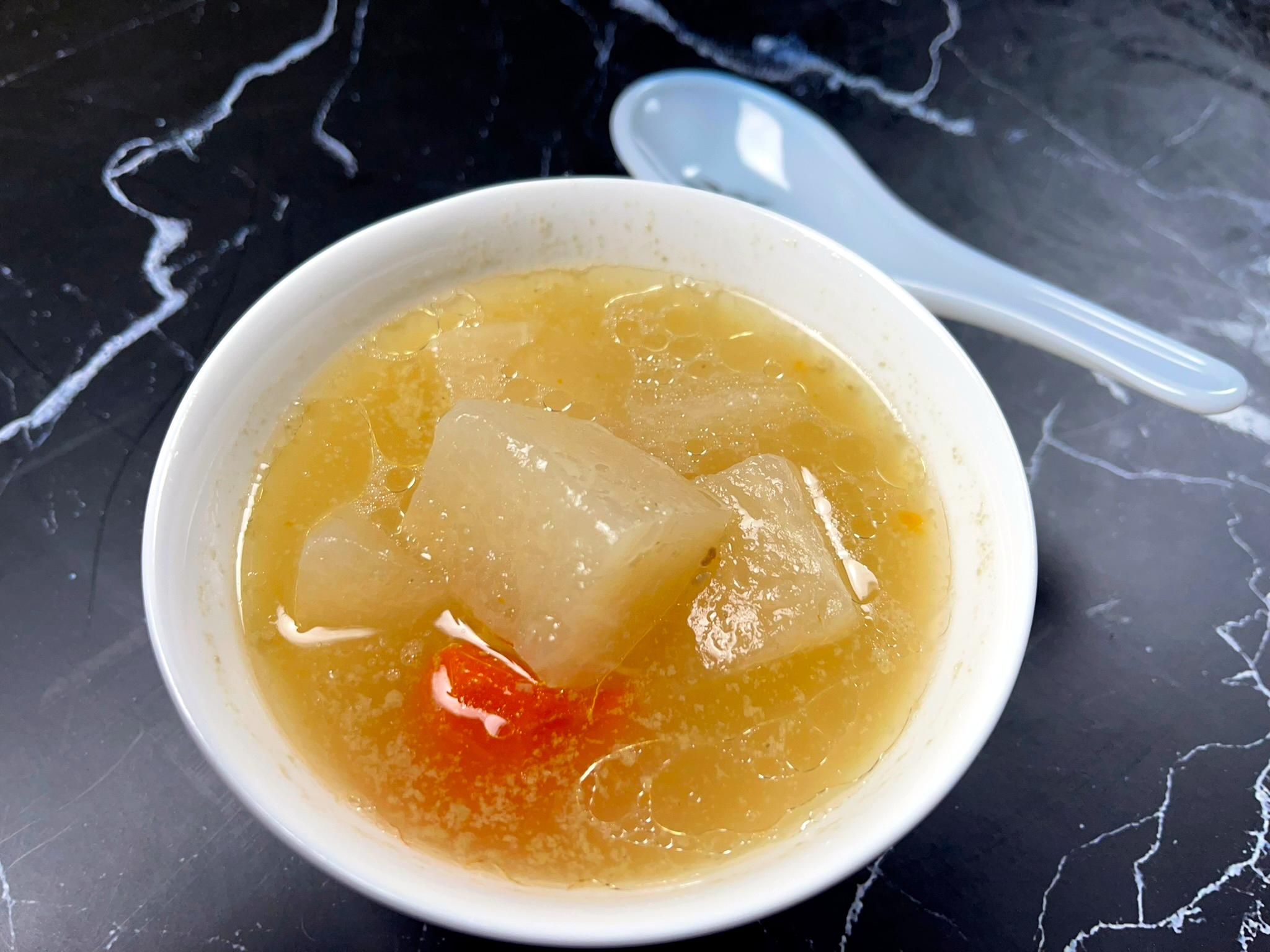
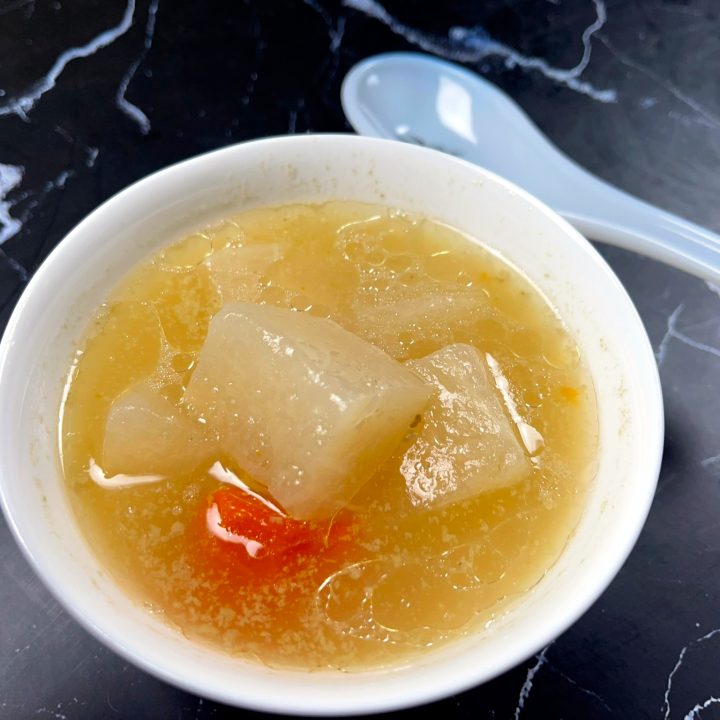
Daikon Radish Pork Soup is a simple Chinese comfort soup made with pork bones, daikon radish, carrots, ginger, garlic, and rice wine simmered together into a light but flavorful broth.
Jump to:
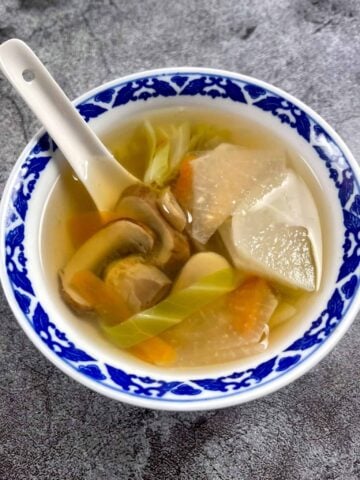
This is the kind of soup we make at home when we want something warm and comforting without a lot of complicated ingredients. We've always added the daikon and carrots right at the beginning with the pork bones, so they become very soft and soak up all that savory broth - which is exactly how we like them!
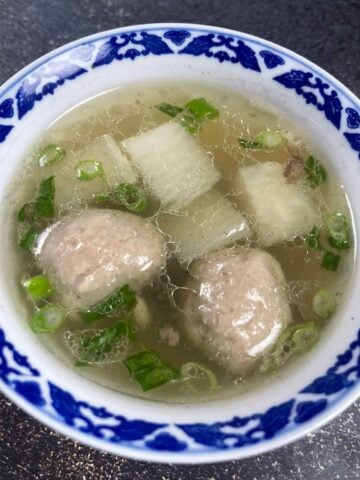
You can also add Chinese meatballs such as gong wan (貢丸) or niu rou wan (牛肉丸) to make the soup a little heartier. They're an easy addition and pair really well with daikon.
If you prefer your vegetables a little firmer, you can absolutely add them later. I'll explain both options below.
What is Daikon Radish?
Daikon is a large white radish commonly used in Chinese, Japanese, Korean, and other Asian cuisines.
You may also see it called Chinese radish, Japanese radish, white radish, winter radish, Chinese turnip, or mooli.
The word daikon literally means "big root" in Japanese, which makes a lot of sense once you see one!
Daikon has a mild, slightly peppery flavor when raw, but once it's simmered in soup it becomes tender, subtly sweet, and absorbs the flavor of the broth.
If you're looking to learn more about Chinese / Asian vegetables - check out my post here all about the various types!
How to prepare daikon radish for soup
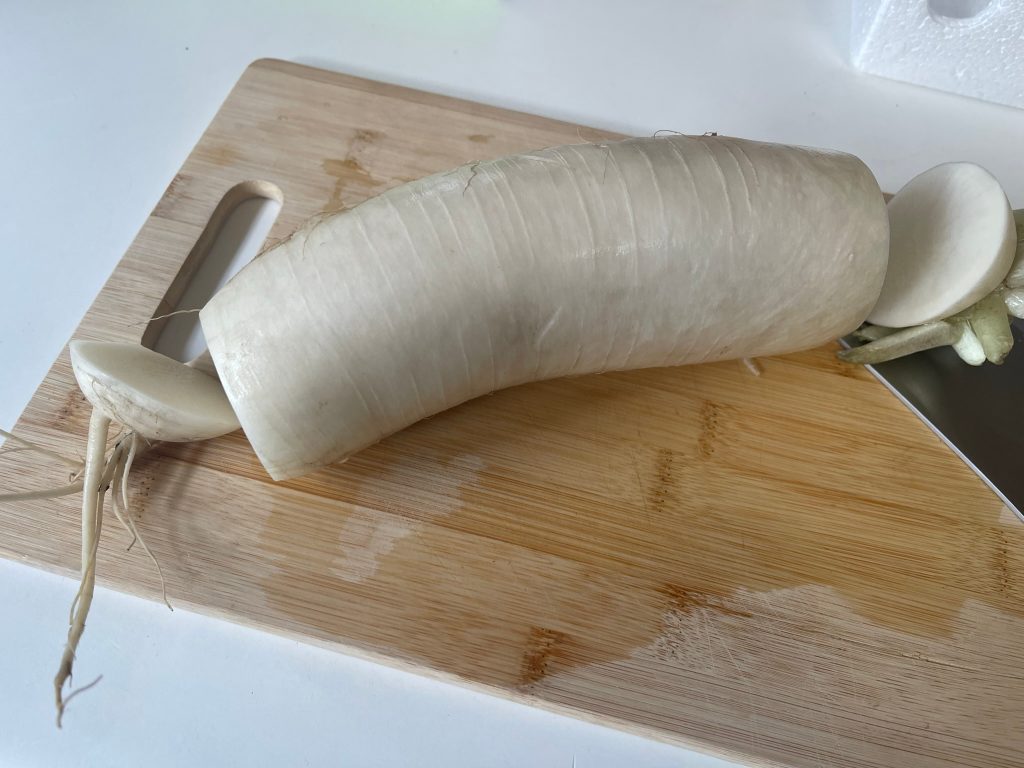
Peel the daikon first, then cut off both ends.
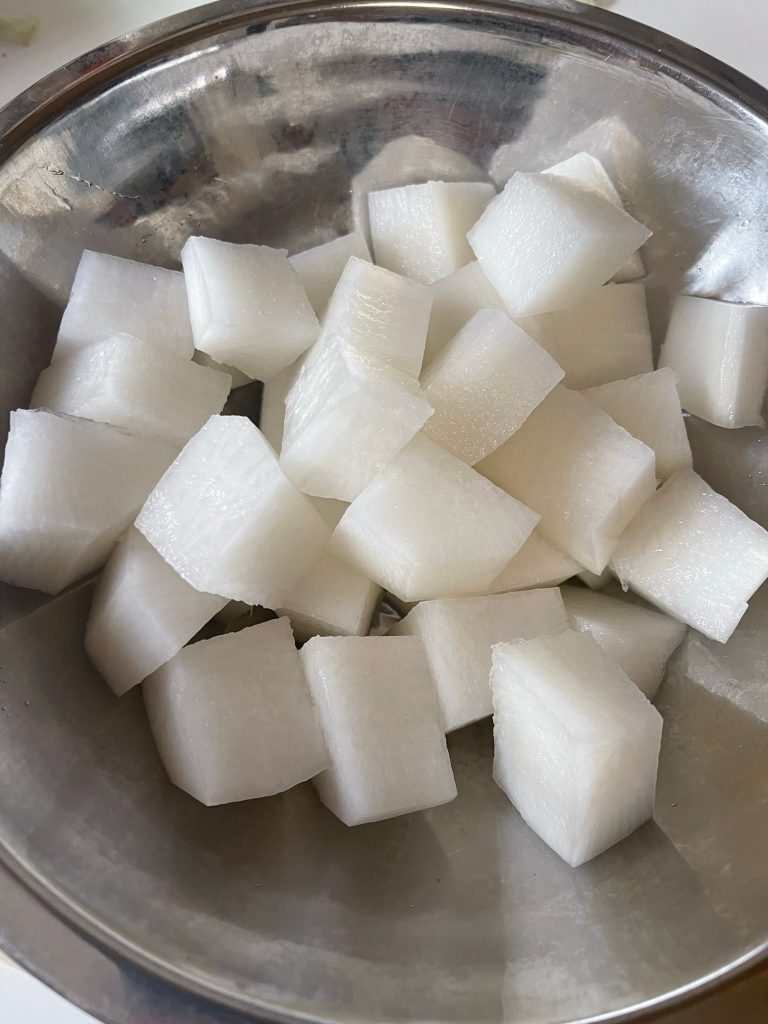
Cut it crosswise into roughly 1-inch-thick rounds, then cut those rounds into approximately 1-inch chunks.
They don't need to be perfectly even, but keeping the pieces around the same size helps them cook at about the same rate.
For this soup, I actually like fairly large chunks because we simmer them until they become very soft and tender.
How to cook Daikon Radish Pork Soup (Step by Step)
First, gather your ingredients:
- 1 lb pork bones
- 1 medium daikon radish, peeled and cut into 1-inch chunks
- 1 carrot, cut into chunks
- 1 tablespoon sliced ginger
- 5 cloves garlic, roughly chopped
- 2 tablespoons rice wine
- Water, enough to cover the ingredients
- Salt, to taste
- White pepper, to taste
- Chopped green onions, optional for garnish
- Optional: Chinese meatballs such as gong wan (貢丸) or niu rou wan (牛肉丸)
Pork Bones
Pork bones give this soup its savory base and become more flavorful the longer they simmer.
I recommend blanching the bones before making the soup. This removes blood and impurities and helps give you a cleaner-tasting broth.
Pork neck bones or pork ribs can also work if that's what you have available.
Daikon Radish
Daikon becomes softer, sweeter, and more mellow as it cooks.
In our house, we like it very soft, so I add it at the beginning and let it simmer right along with the pork bones.
If you like your daikon to hold its shape more and have a firmer bite, you can add it during the last 30-40 minutes instead.
Carrots
The carrot adds a little natural sweetness to the broth.
Just like the daikon, I usually add it from the beginning because we like our vegetables very soft. You can add the carrot later if you prefer a firmer texture.
Ginger
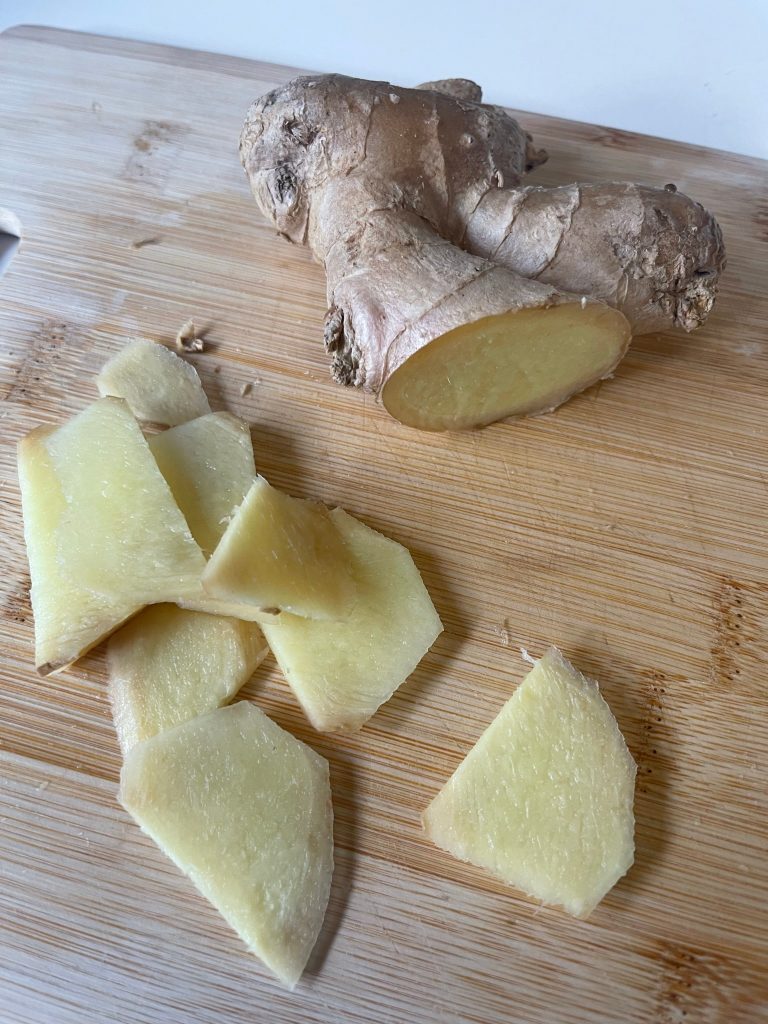
Ginger adds warmth and a subtle peppery flavor to the broth, and it also helps balance the richness of the pork.
I usually slice it rather than mince it so it gently flavors the soup as it simmers without disappearing into the broth.
Garlic
Garlic adds another layer of savory flavor to the soup.
I roughly chop the cloves and let them simmer with the pork bones from the beginning so the flavor mellows and blends into the broth rather than tasting sharp or overly garlicky.
Rice Wine
Rice wine helps mellow the flavor of the pork and adds a subtle extra layer of flavor to the broth.
I add it to the pot along with the pork bones and other ingredients before simmering.
Chinese Meatballs
For an even heartier soup, you can add Chinese-style meatballs such as gong wan (貢丸), which are usually pork meatballs, or niu rou wan (牛肉丸), which are beef meatballs.
They add extra savory flavor and make the soup more substantial without changing the basic recipe.
Since most store-bought Chinese meatballs are already cooked, I like to add them toward the end of cooking, just long enough for them to heat through and absorb some of the broth.
How to Make Daikon Radish Pork Soup
1. Blanch the pork bones
Place the pork bones in a large pot and cover them with cold water.
Bring the water to a boil over medium-high to high heat and let the bones boil for about 5-10 minutes.
You'll see foam and impurities rise to the surface.
Drain the pot, discard the blanching water, and rinse the pork bones well under running water.
Rinse out the pot as well.
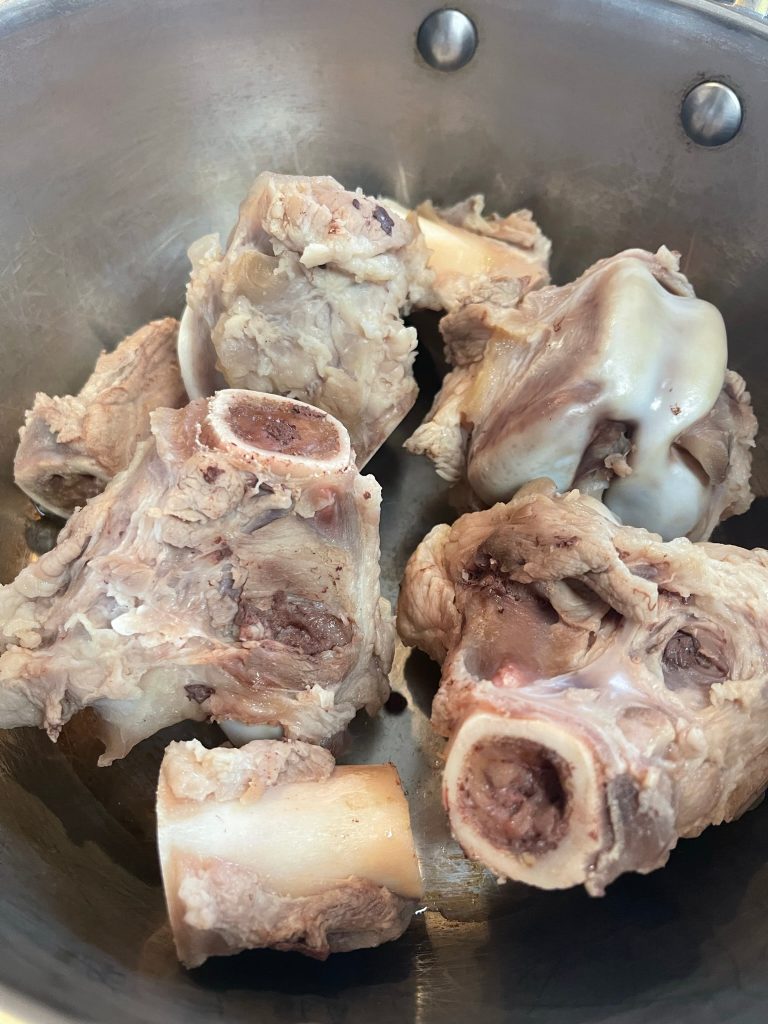
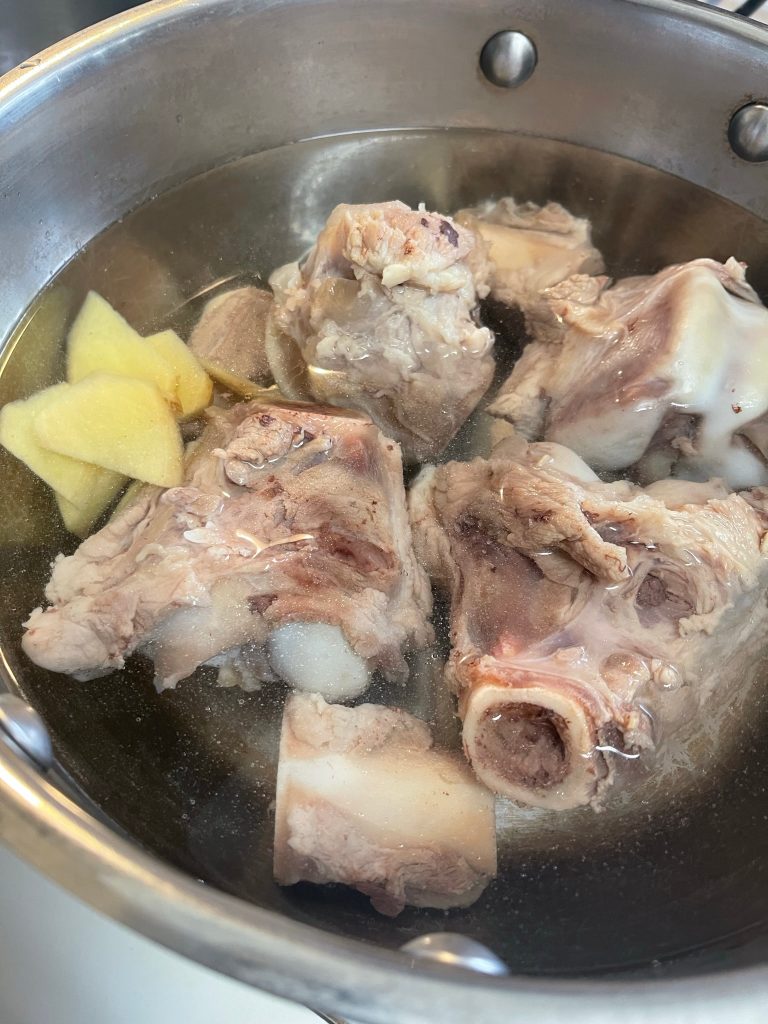
2. Add the soup ingredients
Return the cleaned pork bones to the pot.
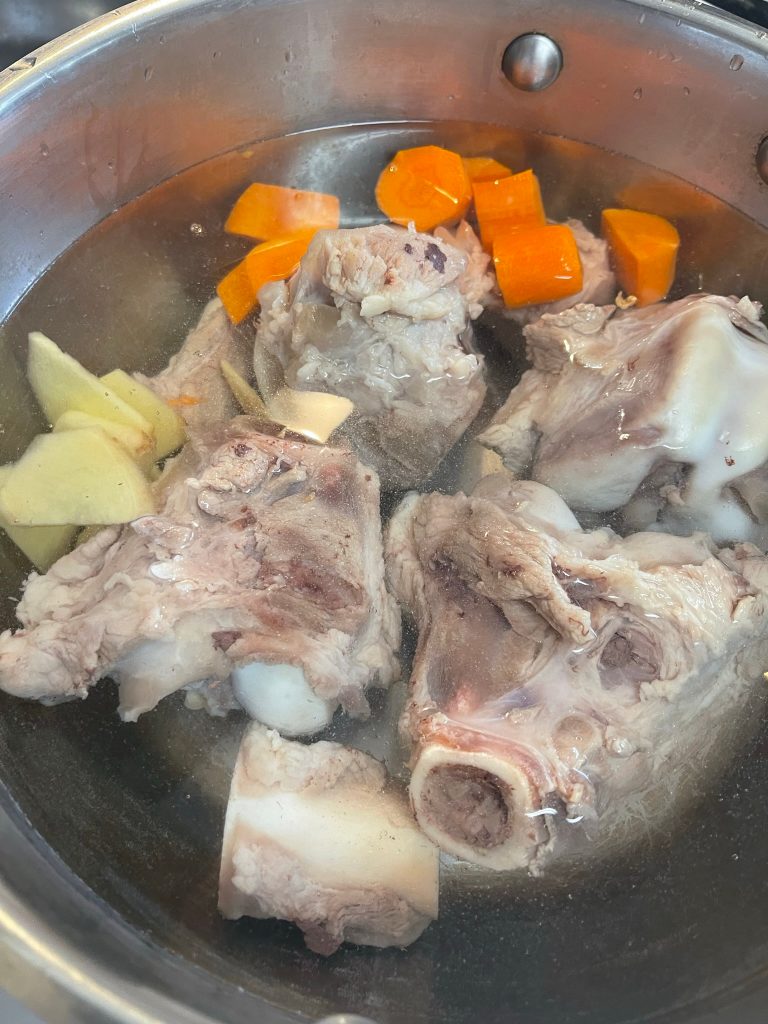
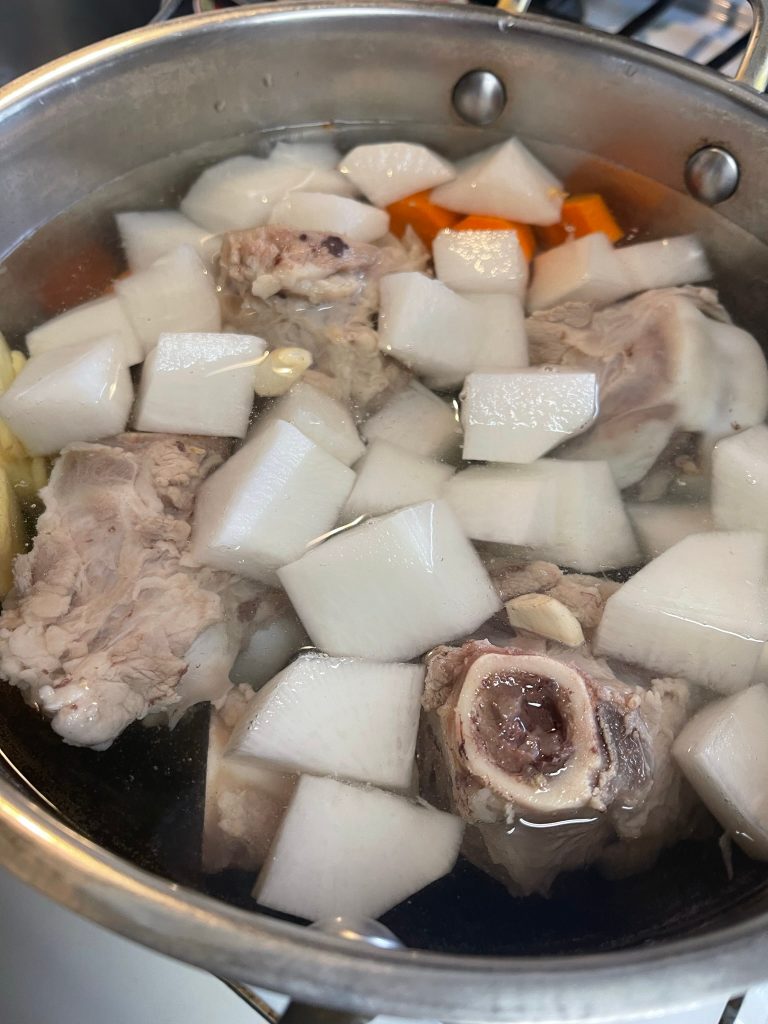
Add the daikon radish, carrots, ginger, garlic, and rice wine.
Add enough fresh water to completely cover the ingredients.
We've always cooked the soup by adding the daikon and carrots at the beginning because we like them very soft and infused with the broth.
If you prefer firmer vegetables, leave the daikon and carrots out for now and add them during the last 30-40 minutes of cooking instead.
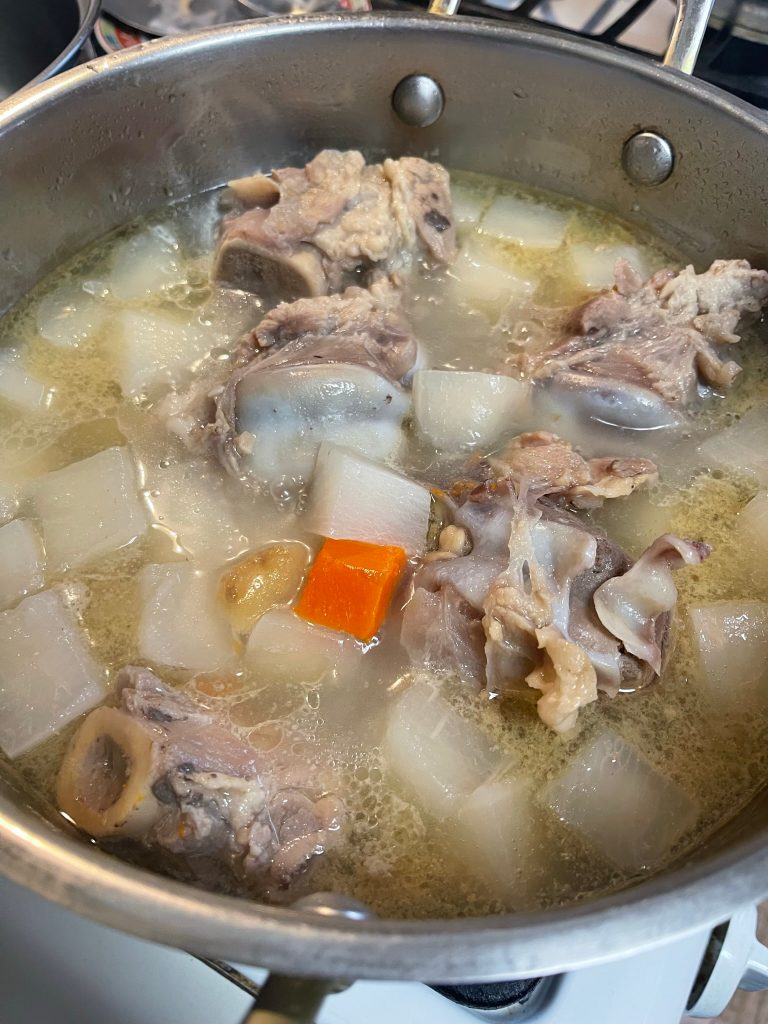
3. Simmer
Bring the soup to a boil over high heat.
Once boiling, reduce the heat to low so the soup maintains a gentle simmer.
Cover and simmer for at least 1½ hours.
For an even richer pork bone broth, you can simmer it for about 2 hours or a little longer. Just check occasionally and add a little more hot water if too much liquid evaporates.
Avoid keeping the soup at a hard rolling boil the entire time if you prefer a clearer broth.
4. Add Chinese meatballs, if using
If you're adding gong wan, niu rou wan, or other pre-cooked Chinese meatballs, add them during the last 10-15 minutes of simmering.
Let them heat through and soak up some of the broth.
If using frozen meatballs, you may need to give them a little longer depending on their size and package instructions.
5. Season and serve
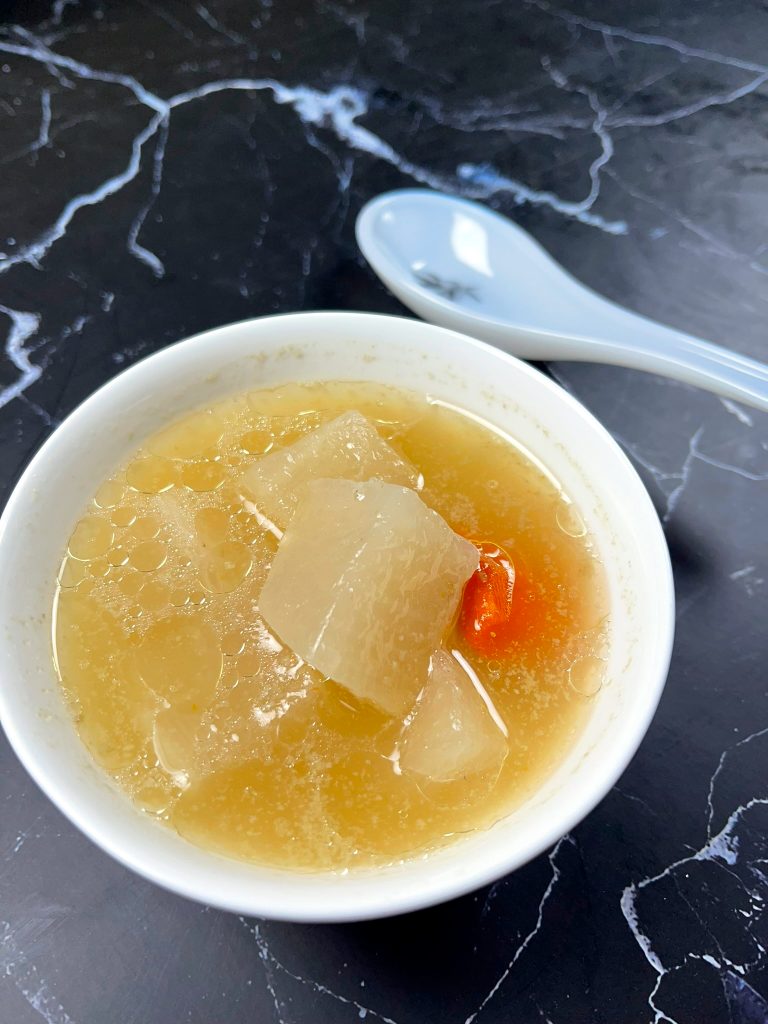
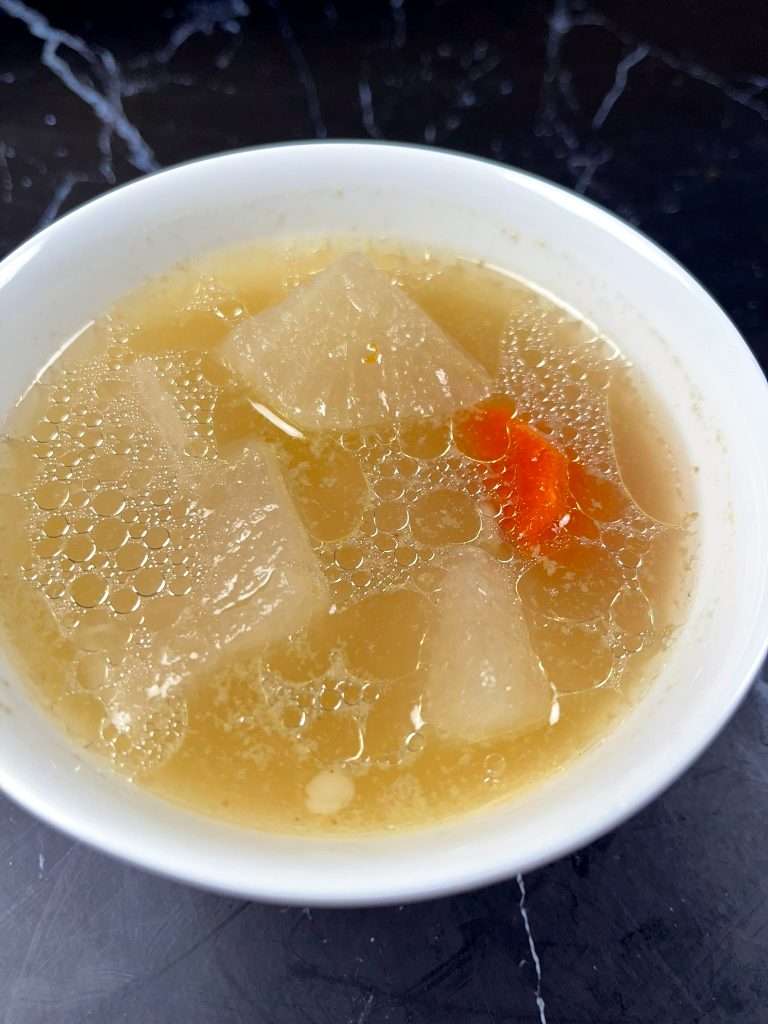
Once the broth is flavorful and the pork bones and vegetables have cooked to your liking, season with salt and white pepper to taste.
Taste the broth before adding too much salt - the flavor becomes more concentrated during the long simmer.
Sprinkle with chopped green onions if desired and serve warm.
Tips for the Best Pork Bone Soup
Blanch the pork bones first.
It only takes a few extra minutes and removes a lot of the foam and impurities that would otherwise end up in your soup.
Keep the soup at a gentle simmer.
Once it comes to a boil, lower the heat. A vigorous boil tends to make the broth cloudier.
Simmer longer for more flavor.
You can technically make a lighter soup with a shorter cook time, but simmering pork bones for at least 1½ hours gives the broth much more flavor.
Add hot water if needed.
If the liquid level drops significantly during the long simmer, add additional hot water rather than cold water.
Season near the end.
Since the broth reduces as it cooks, waiting until near the end makes it easier to judge how much salt you actually need.
Add meatballs near the end.
Pre-cooked gong wan or niu rou wan don't need a long simmer. About 10-15 minutes is enough to heat them through and let them pick up some broth flavor.
Storage & Reheating
- Fridge: Store leftovers in an airtight container for up to 3 days.
- Freezer: You can freeze the soup (without the daikon) for up to 2 months. Daikon tends to get mushy after freezing, so if you want to freeze, cook fresh daikon and add later when reheating.
- Reheat: Warm gently on the stovetop over medium-low heat until hot. If reheating from frozen, thaw overnight in the fridge before reheating.
FAQ
Can I make this soup ahead of time?
Yes! In fact, the flavors often deepen after resting in the fridge overnight. Just reheat gently before serving.
Can I use other cuts of pork besides bones?
Absolutely. Pork ribs, pork neck bones, or even chicken bones can be used. The flavor will be slightly different but still delicious.
Do I have to peel the daikon?
Peeling is recommended since the skin can be a little tough and bitter, but if your daikon is very fresh and tender, you can leave some skin on.
Can I cook this in the Instant Pot?
Yes. After blanching the pork bones, combine all ingredients in the Instant Pot, add water to cover, and cook on High Pressure for 20-25 minutes, then natural release.
Why does my broth look cloudy?
That usually means it was boiled at too high a heat. Keep it at a gentle simmer for a clearer broth.
Can I add noodles?
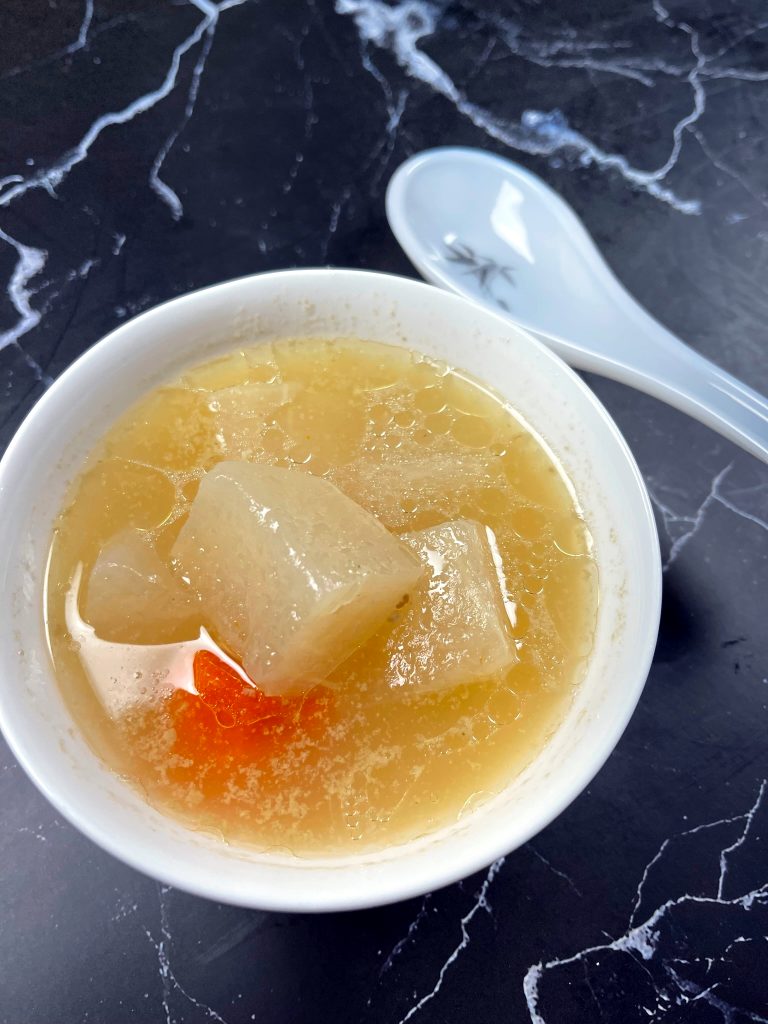
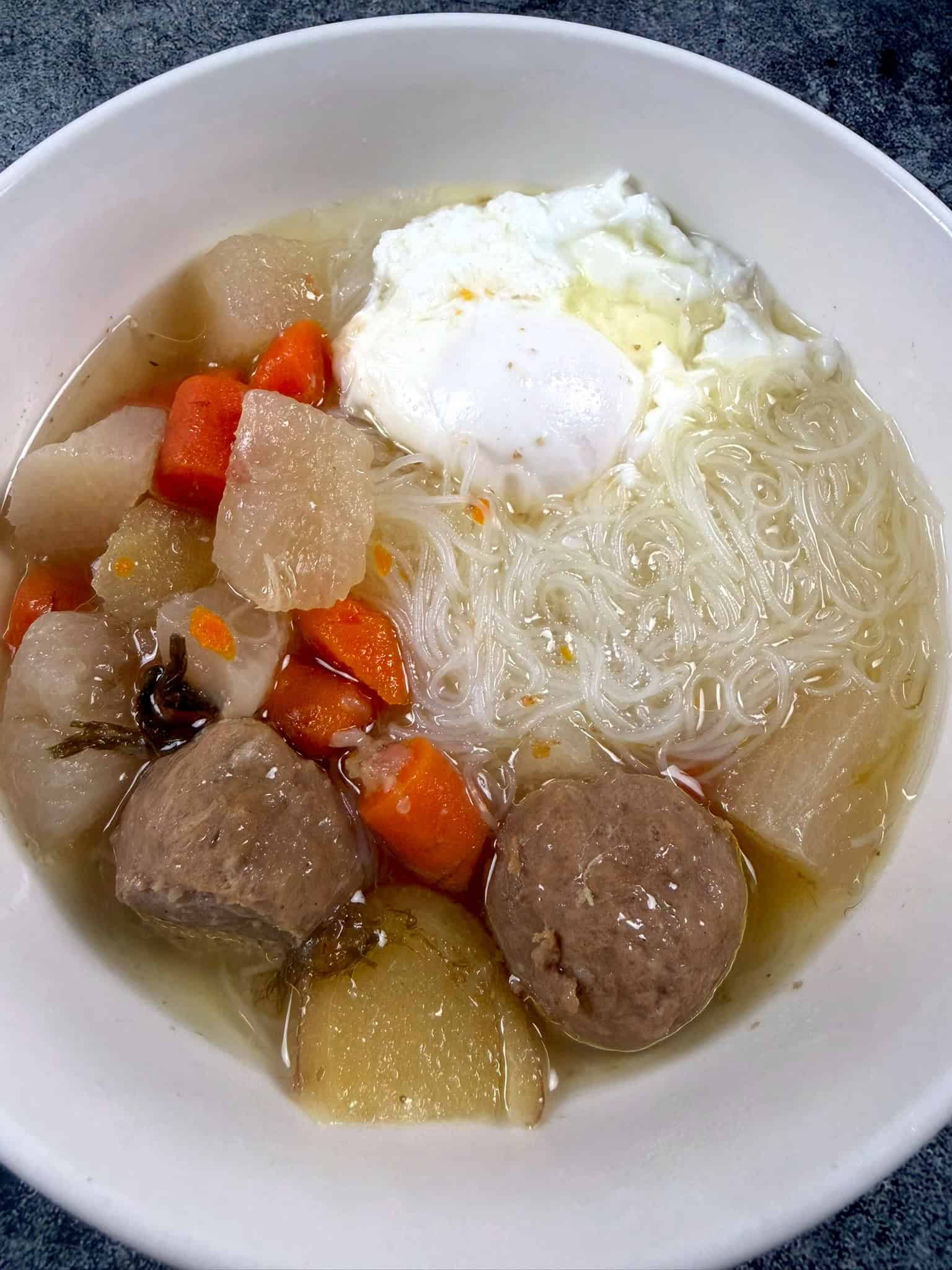
Yes! Sometimes I add noodles and a poached egg to make this into a more filling meal. For example, one time I made it with the daikon radish, carrots, Chinese meatballs, and bone broth, then added noodles to turn it into a comforting noodle soup. It's an easy way to turn the broth and vegetables into a complete meal!
Daikon Radish Pork Soup Recipe
Daikon Radish Pork Soup is a simple Chinese comfort soup made with pork bones, daikon radish, carrots, ginger, garlic, and rice wine simmered into a light, savory broth. Add gong wan or niu rou wan for an easy, heartier variation.
Ingredients
- 1 lb pork bones
- 1 medium daikon radish, peeled and cut into 1-inch chunks
- 1 tablespoon ginger, sliced
- 1 carrot, cut into chunks
- 2 tablespoons rice wine
- 5 cloves garlic, roughly chopped
- Water, enough to cover
- Salt, to taste
- White pepper, to taste
- Chopped green onions, optional for garnish
- Optional: gong wan (貢丸), niu rou wan (牛肉丸), or other Chinese meatballs
Instructions
- Blanch the pork bones: Place the pork bones in a pot and cover with cold water. Bring to a boil and cook for about 5–10 minutes. Drain and discard the water, then rinse the pork bones under running water. Rinse out the pot as well.
- Add the ingredients: Return the blanched pork bones to a clean soup pot. Add the daikon radish, carrot, ginger, garlic, rice wine, and enough fresh water to fully cover the ingredients.
- Simmer: Bring to a boil over high heat, then reduce the heat to low. Cover and gently simmer for at least 1½ hours, or up to about 2 hours for a richer broth. Add additional hot water during cooking if needed.
- Add meatballs, if using: Add pre-cooked gong wan, niu rou wan, or other Chinese meatballs during the last 10–15 minutes of cooking, just until heated through.
- Season and serve: Season with salt and white pepper to taste. Garnish with chopped green onions if desired and serve warm.
Notes
- Vegetable texture: We like our daikon and carrots very soft, so I add them at the beginning with the pork bones. For firmer vegetables, simmer the pork bones first and add the daikon and carrots during the final 30–40 minutes.
- Chinese meatballs: Gong wan (貢丸) or niu rou wan (牛肉丸) are delicious additions. If using pre-cooked meatballs, add them during the final 10–15 minutes, just until heated through.
- Clearer broth: Blanch and rinse the pork bones before making the soup and keep the broth at a gentle simmer instead of a hard boil.
- Richer broth: Simmering for at least 1½ hours gives the pork bones time to flavor the broth. You can simmer closer to 2 hours for even more depth.
Recommended Products
As an Amazon Associate and member of other affiliate programs, I earn from qualifying purchases.
-
 10 Pcs Fine Bone China Blue and White Chinese Soup Bowls Ceramic Porcelain Bowl, with Free 10 Porcelain Spoons Rice Bowl
 -
Hiware 12-piece Asian Soup Spoons, Rice Spoons, Chinese Won Ton Soup Spoon - Notch and Hook Style, White
-
Michiu (Rice Cooking Wine)- 750ml (Pack of 1) by QIAN HU
-
Oriental Mascot Ground White Pepper Powder 吉祥牌白胡椒粉1.3 Oz (37g) 2 Packs




Nutrition Information:
Yield: 8 Serving Size: 1Amount Per Serving: Calories: 150Total Fat: 8gSaturated Fat: 3gUnsaturated Fat: 5gCholesterol: 50mgSodium: 42mgCarbohydrates: 2gFiber: 1gSugar: 1gProtein: 15g
The nutrition information for this recipe is an approximate total per serving. Please double check the nutrition information for your exact ingredients and brands for more precise nutrition information. Keep in mind that if there is a marinade, often times not all the ingredients will be consumed.
TikTok Video
Here's a video of it!
More Delicious Chinese Soups
Warm, comforting, and full of bold flavors! These soup recipes are easy to make and perfect for cozy meals at home.
- Chinese Chicken Mushroom Soup (香菇雞湯) - A nourishing soup made with chicken, shiitake mushrooms, and red dates. Rich, earthy, and deeply flavorful.
- Chinese Corn Carrot Pork Bone Soup - A light yet flavorful broth simmered with pork bones, sweet corn, carrots, garlic, and ginger.
- Luo Song Tang (Chinese Borscht Soup 羅宋湯) - A tomato-based Chinese soup with beef, potatoes, onions, and cabbage. Hearty, tangy, and a perfect East-meets-West comfort food.
- Tomato Bean Sprouts Soup (番茄豆芽湯) - A light and refreshing soup made with pork bone broth, fresh tomato wedges, and crunchy mung bean sprouts. Nutritious and quick to make.
Pin for later!
Got questions or comments? Drop them below!