
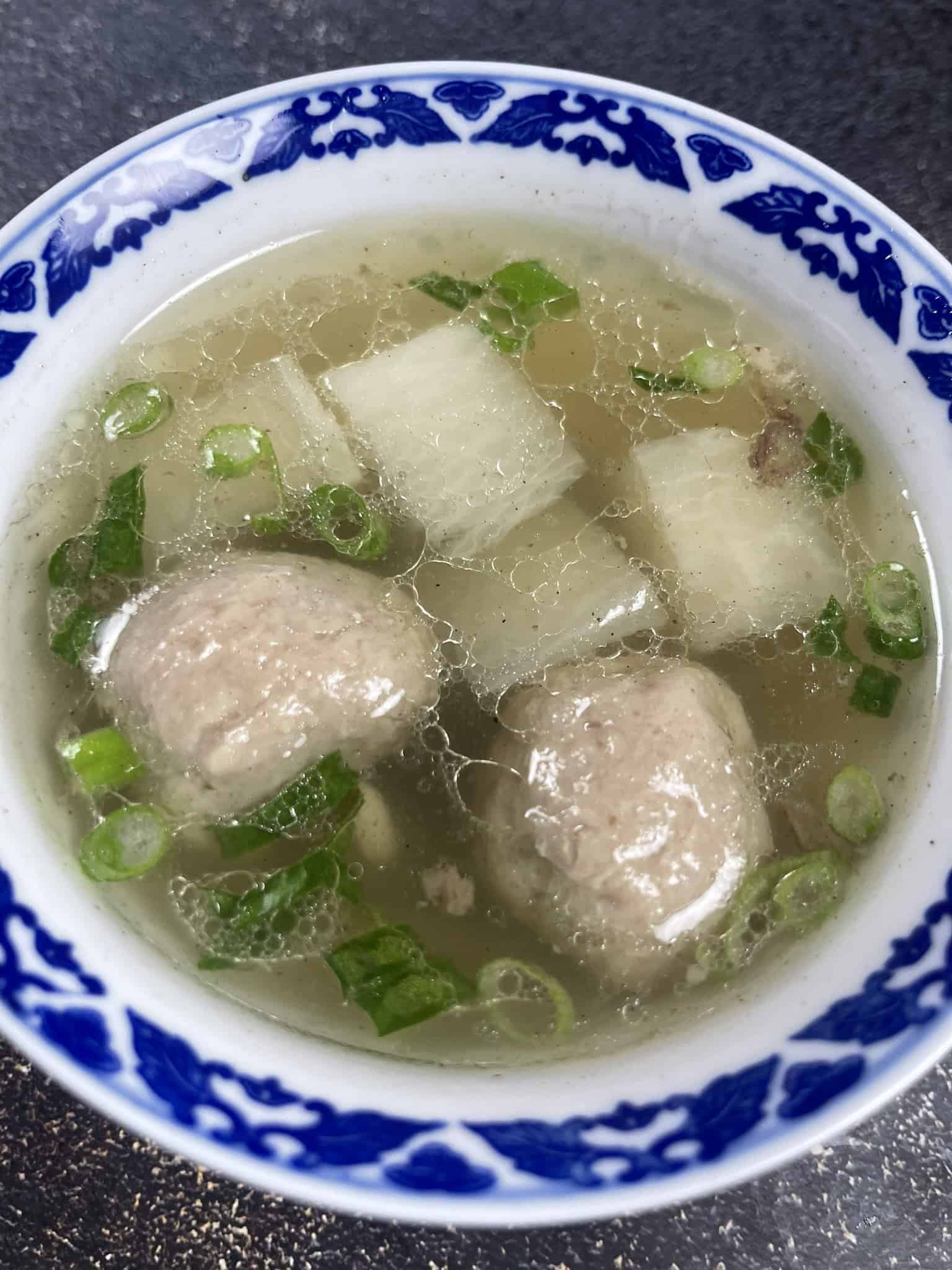
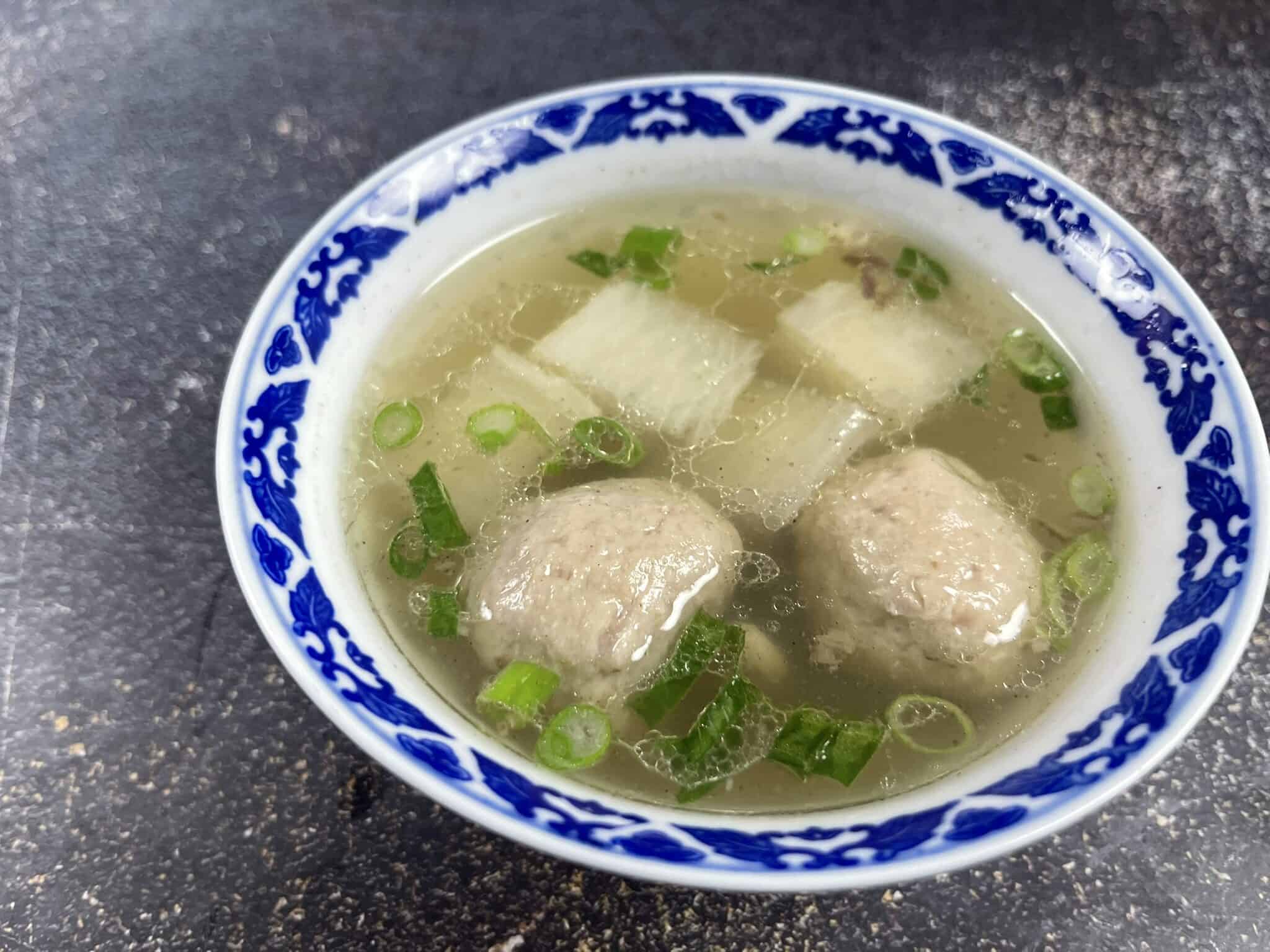
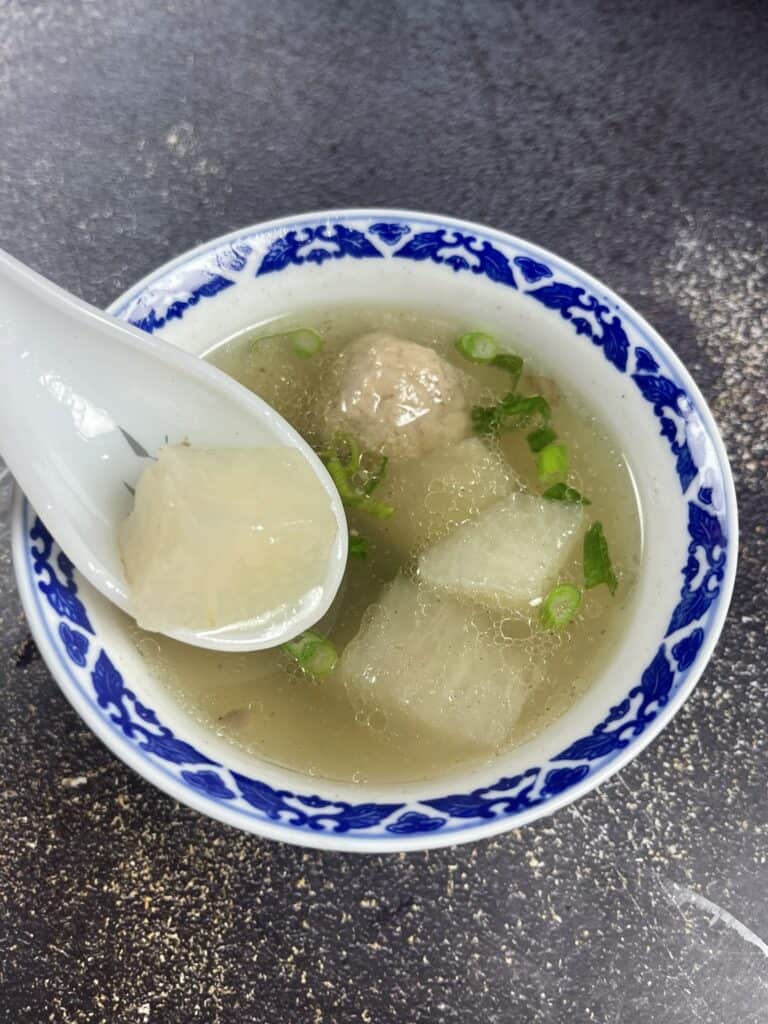
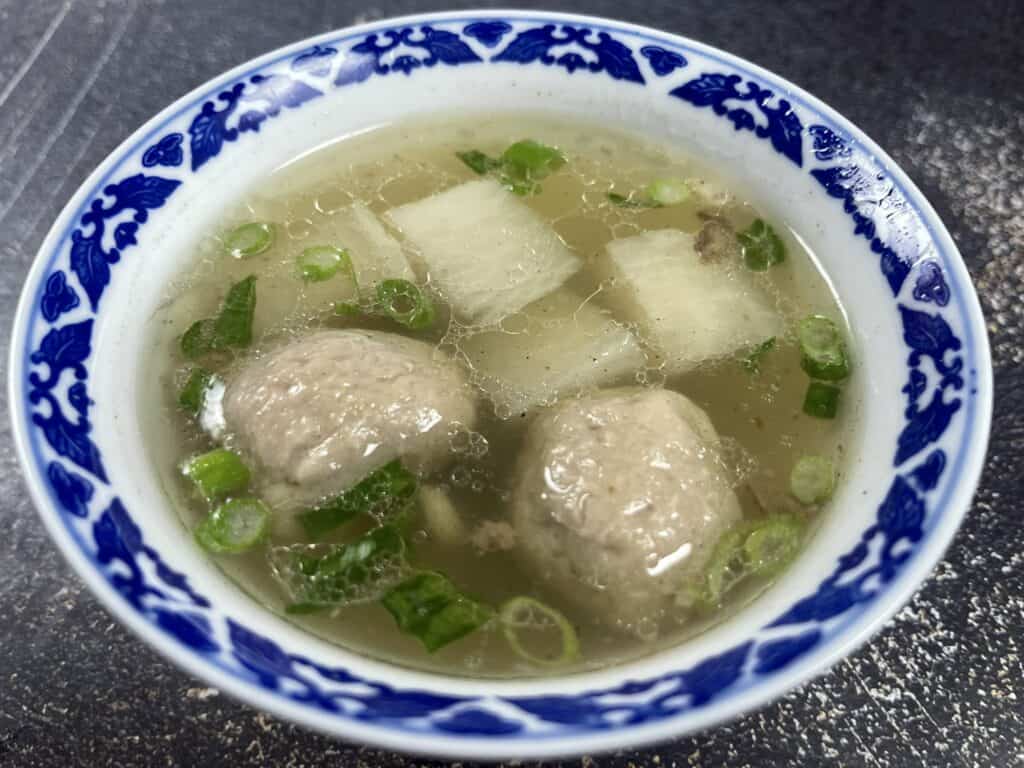
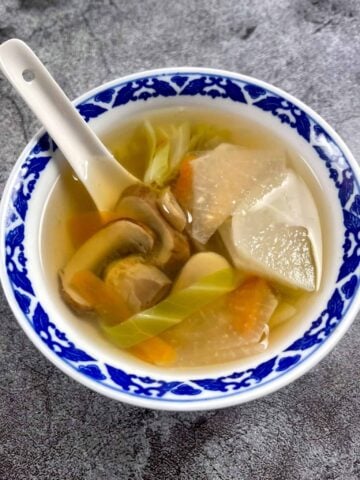
This Taiwanese meatball soup is one of those simple, comforting dishes I grew up eating and still make all the time. With a clear, lightly savory broth, tender daikon radish, and bouncy pork meatballs, it's cozy without being heavy and comes together with very little effort.
Jump to:
To keep things easy, this version uses store-bought Taiwanese pork meatballs, which is exactly what many home cooks do. The key is building a clean, flavorful broth and adding the meatballs at the right time so they stay springy and don't cloud the soup.
This is the kind of soup I make on chilly days, when I'm feeling under the weather, or when I just want something warm and soothing alongside a bowl of rice. In Taiwan, this soup is commonly known as Gong Wan Tang 貢丸湯 or 蘿蔔貢丸湯.
Why You'll Love This Soup
- Light but deeply comforting
- Naturally sweetened by daikon radish
- Uses store-bought meatballs to save time
- Easy to scale up or down
- Great as a side soup or simple main
About the Ingredients
Pork Bones
Pork bones are the backbone of this soup, creating a light but savory broth that's clean and comforting. Neck bones or back bones work best. A small amount of beef bones can be added for extra depth, but pork should remain the main flavor.
Daikon Radish
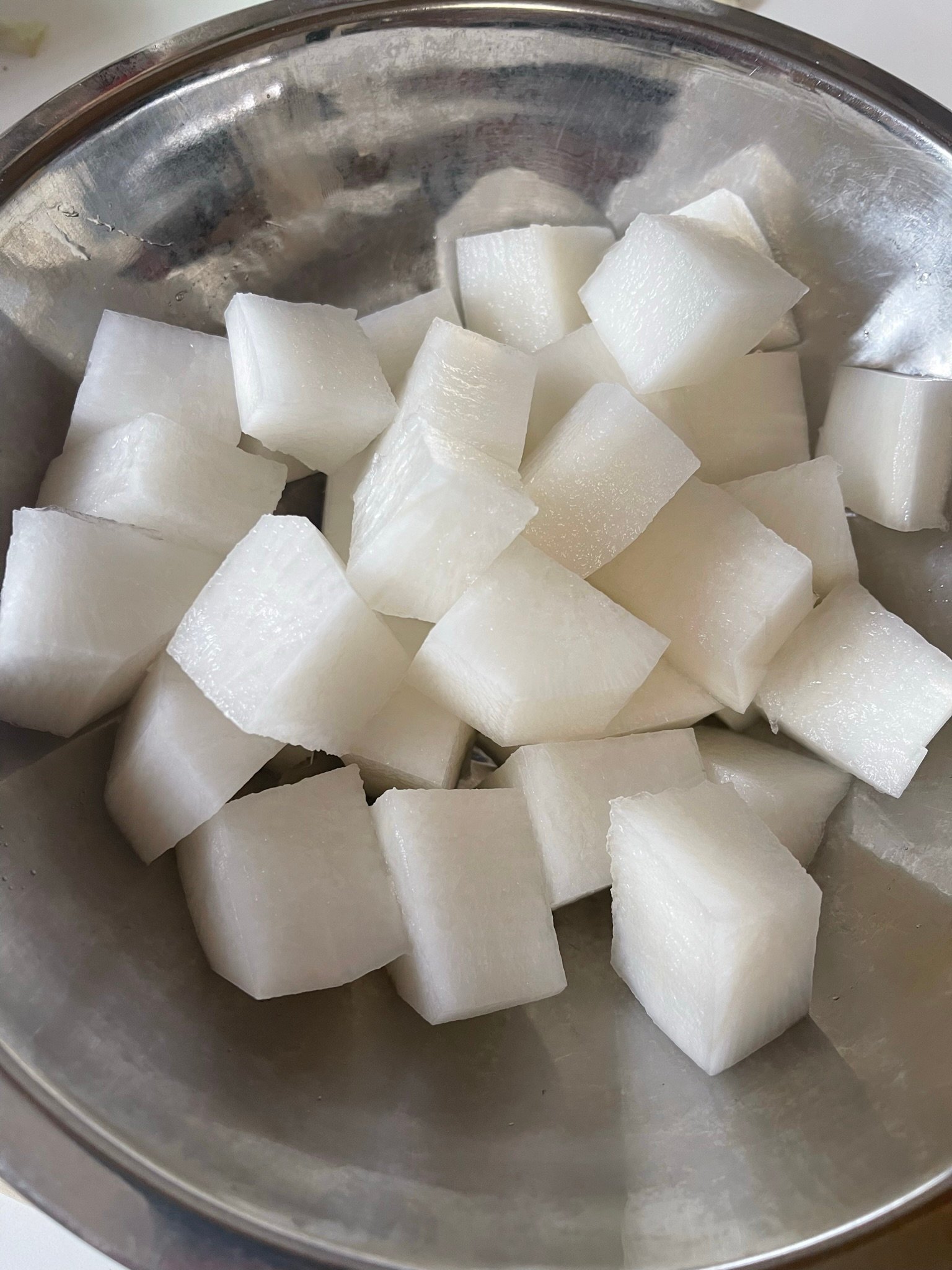
Daikon adds natural sweetness and balances the savory broth. As it simmers, it becomes tender and slightly translucent while soaking up all the flavor from the soup. Even slightly older or sprouted daikon is fine to use as long as it's firm - just trim the sprout and peel before cooking. For this recipe we will cut it in to cubes.
Store-Bought Taiwanese Pork Meatballs 貢丸
Using store-bought gong wan 貢丸 keeps this recipe easy and realistic. These meatballs are already cooked, so they're added at the end of cooking just to heat through. Adding them too early can make them tough and cloud the broth, so timing matters.
There are different brands but the one I always use is Wei-Chuan Pork Meatballs 貢丸.
Ginger
A few slices of ginger help keep the broth clean-tasting and remove any strong pork flavor without overpowering the soup.
Rice Wine (Michiu)
A splash of Taiwanese rice wine adds subtle aroma and helps round out the broth. It's not meant to make the soup taste boozy - just gently savory.

Green Onions
Green onions are used to gently perfume the broth during cooking. They're removed before serving so the soup stays clear and mild.
White Pepper
White pepper is essential for the classic flavor of this soup. It adds warmth and a subtle peppery note that black pepper can't replicate.
How to Make Taiwanese Meatball Soup with Daikon (Step by Step)
For the Broth
- Pork bones (about 1-1½ lbs)
- 8-10 cups water
- 3-4 slices fresh ginger
For the Soup
- 1 medium daikon radish, peeled and cut into chunks
- Store-bought Taiwanese pork meatballs (fresh or frozen)
- Salt, to taste
- White pepper, to taste
Optional Garnishes
- Chopped scallions or cilantro
- A few drops of sesame oil
- Chili oil, for serving
Blanch the Bones
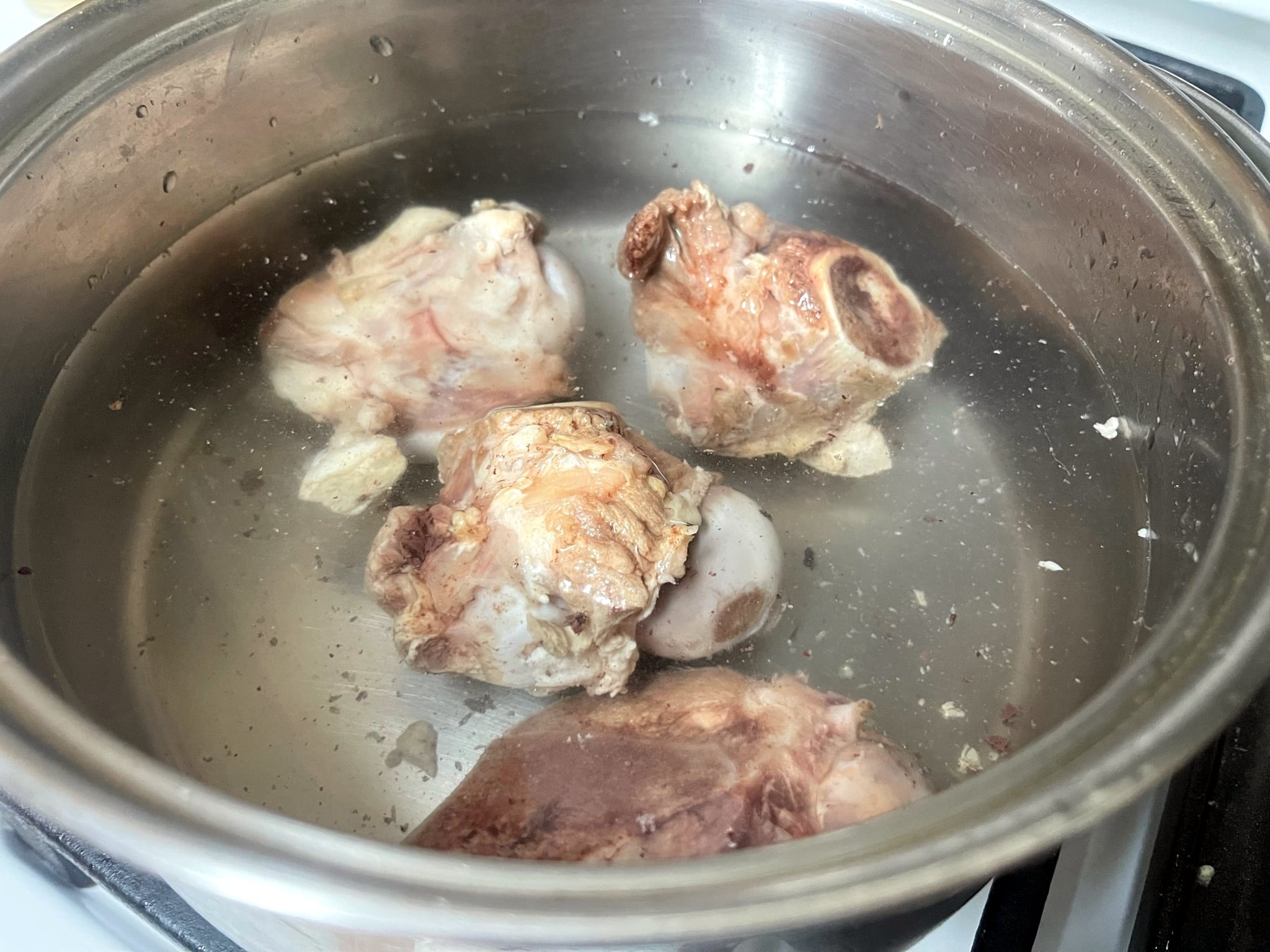
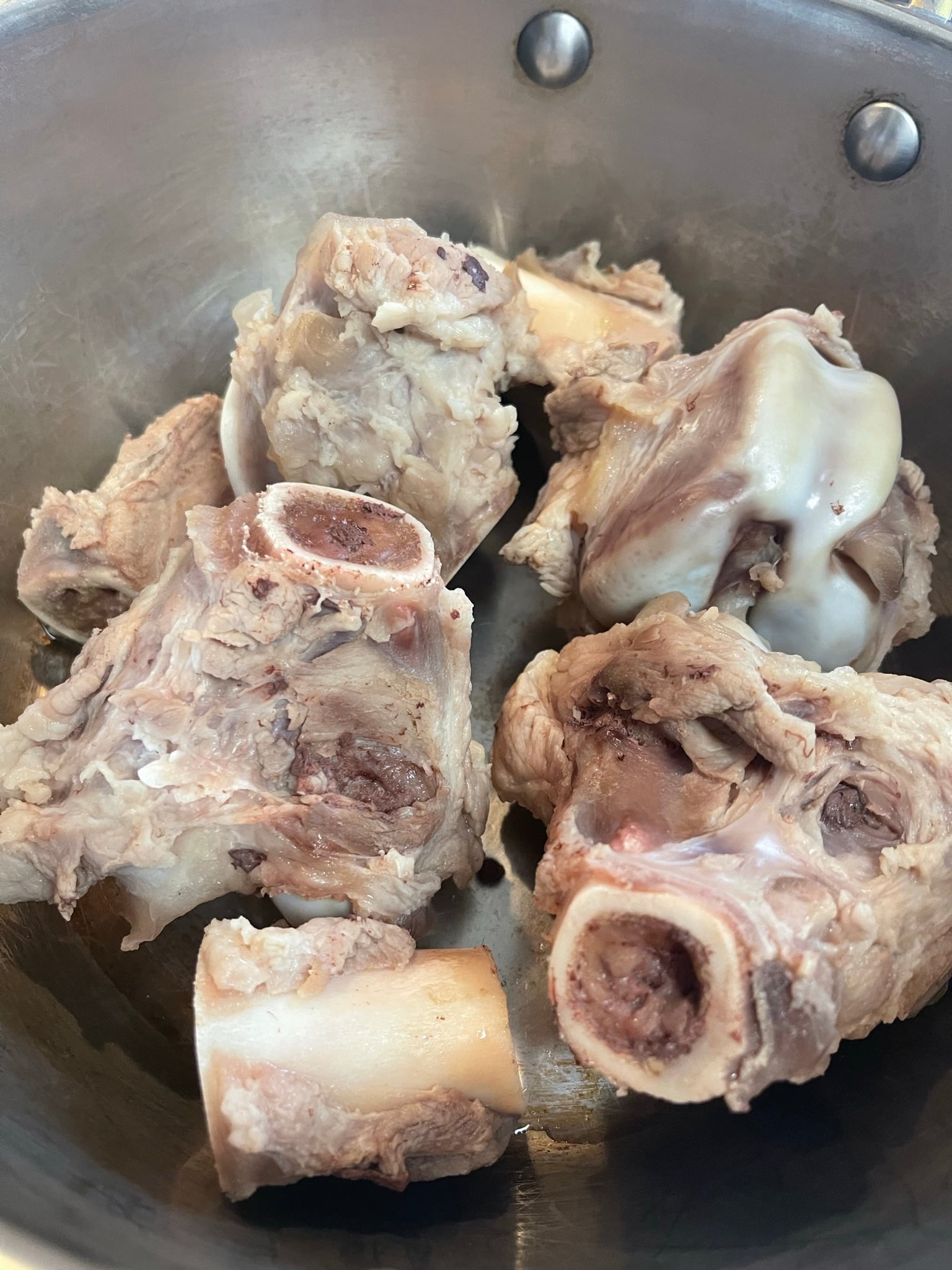
Place the pork bones (and beef bones, if using) in a large pot and cover with cold water. Bring to a boil and cook for 5-7 minutes. Drain and rinse the bones thoroughly to remove impurities.
This step is important for keeping the broth clear and clean-tasting.
Simmer the Broth
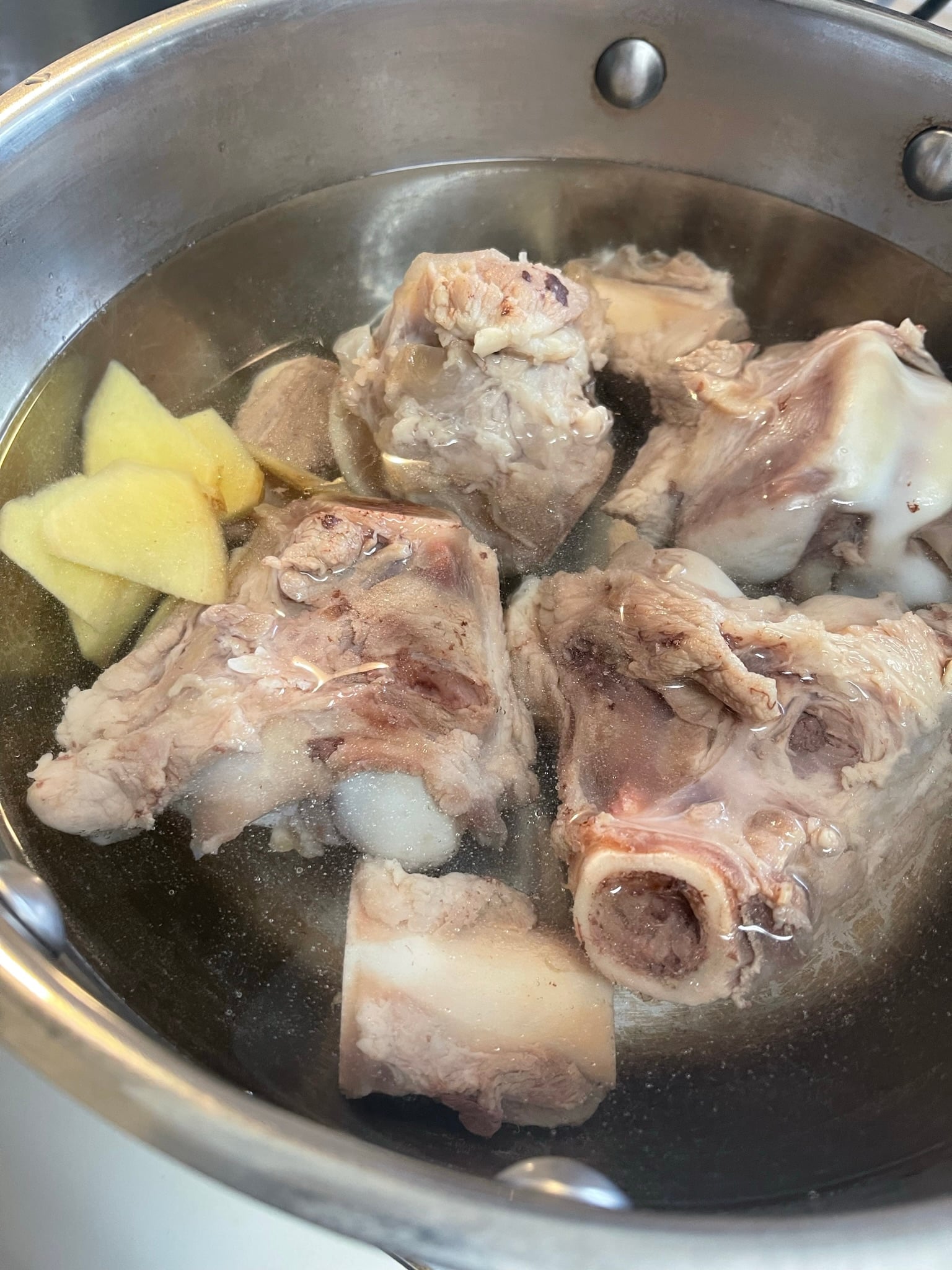
Return the cleaned bones to the pot and add fresh water and ginger slices. Bring to a boil, then reduce to a gentle simmer. Simmer uncovered for 1½-2 hours, skimming any foam that rises to the surface.
The broth should be lightly savory, not aggressively seasoned.
Add the Daikon
Add the daikon radish during the last 30-40 minutes of simmering. Cook until the daikon is tender and slightly translucent. This is where the soup develops its natural sweetness.
Remove and discard the ginger slices before serving.
Add the Frozen Meatballs
Bring the soup back to a gentle simmer. Add the frozen gong wan directly from the freezer - do not thaw.
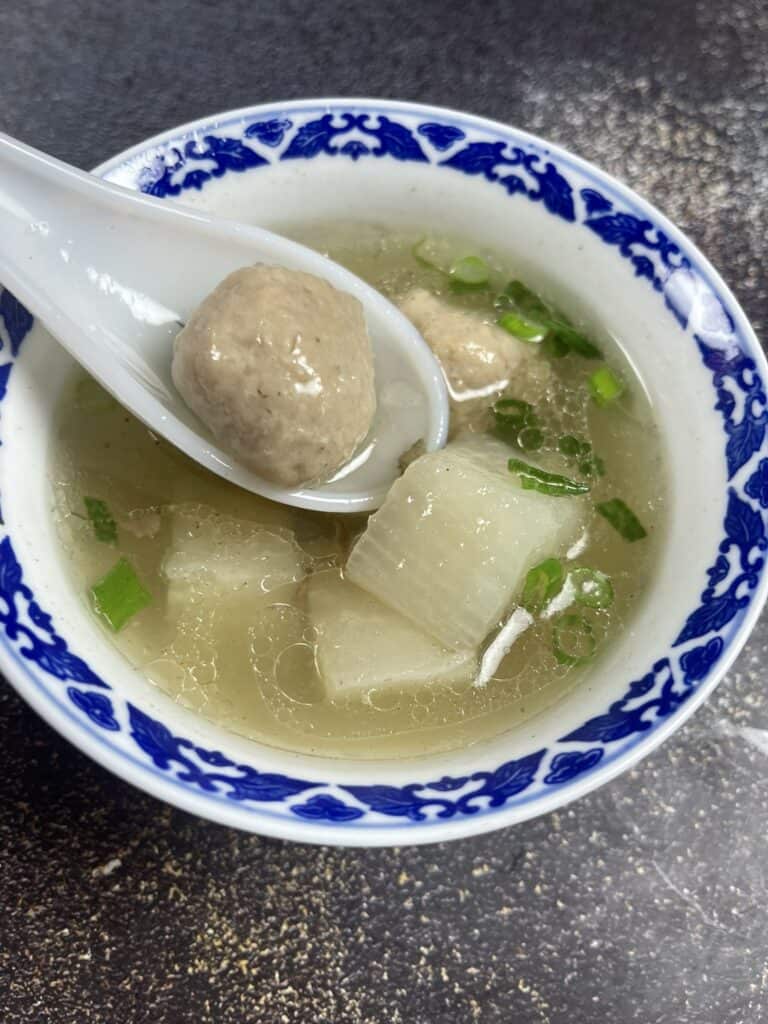
Simmer for 8-10 minutes, until the meatballs are heated through and floating. Avoid boiling vigorously.
Season and Finish
Season the soup with salt and white pepper to taste. Add a few drops of sesame oil if desired.
Serve hot, garnished with scallions or cilantro, and chili oil on the side if you like a little heat.
Slow Cooker Instructions (Optional)
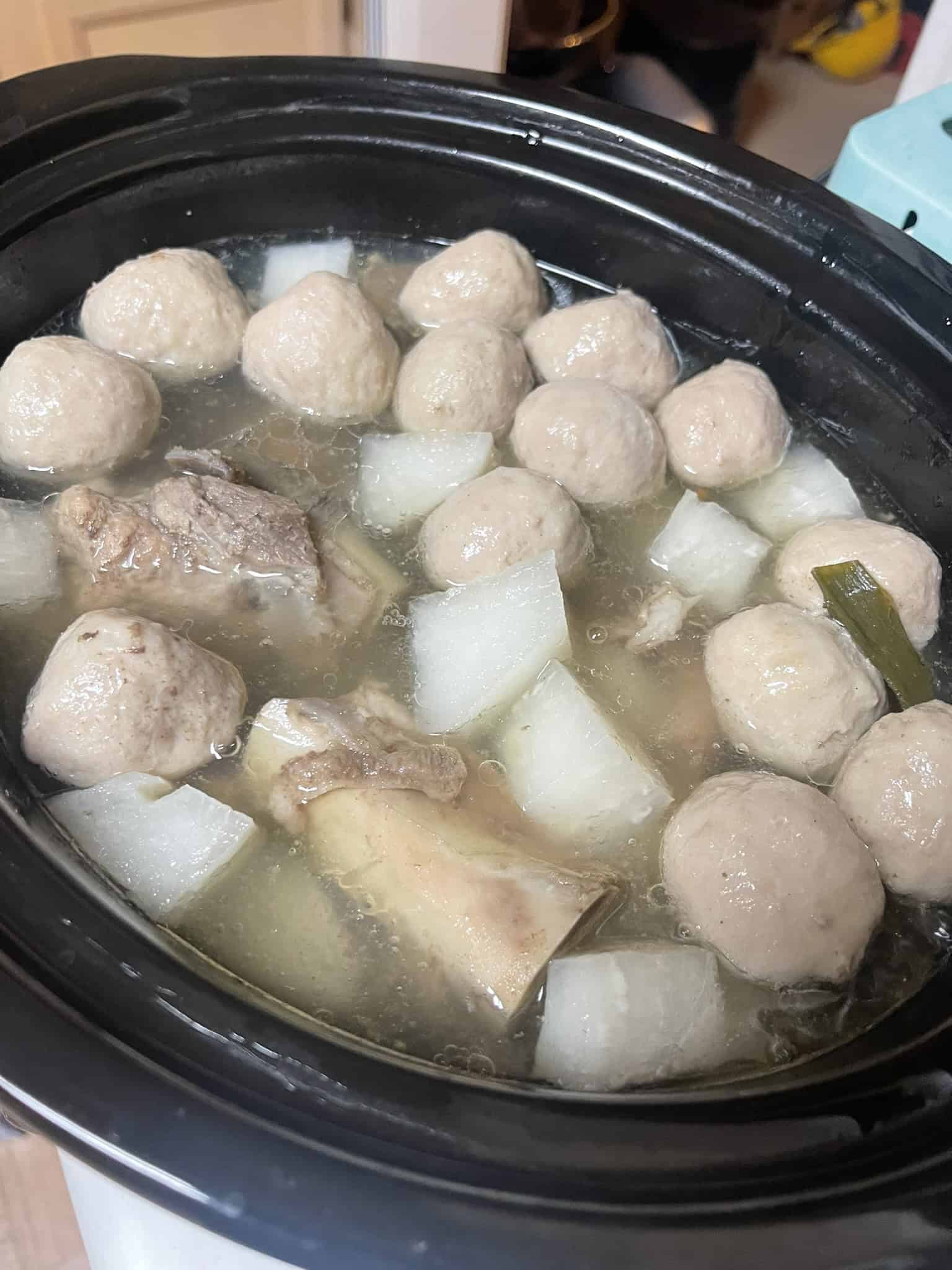
This soup can also be made in the slow cooker if you want a more hands-off option or are cooking ahead.
1. Start the Broth
After blanching the pork bones, add them to the slow cooker along with:
- 8-10 cups water
- Ginger slices
- Green onion sections
- Rice wine (michiu), if using
Cover and cook on:
- LOW for 6-8 hours, or
- HIGH for 3-4 hours
2. Add the Daikon
Add the daikon during the:
- Last 1½-2 hours on LOW, or
- Last 45-60 minutes on HIGH
This keeps the daikon tender and lightly sweet without turning mushy.
3. Add the Meatballs
Add the frozen Taiwanese pork meatballs during the final:
- 20-30 minutes on LOW, or
- 10-15 minutes on HIGH
No need to thaw them first.
4. Season and Serve
Remove the ginger and green onions, then season with salt and white pepper to taste. Serve hot with optional garnishes.
Storage & Reheating
Storage
Let the soup cool completely, then transfer it to an airtight container. Store in the refrigerator for up to 3 days. The flavor actually improves as it sits, making this a great make-ahead soup.
If possible, store the broth, daikon, and meatballs together so everything continues to absorb flavor evenly.
Reheating
Reheat gently on the stovetop over medium-low heat until warmed through. Avoid boiling, especially once the meatballs are in the soup, as boiling can make them tough and cloud the broth.
If reheating in the microwave, use a microwave-safe bowl, cover loosely, and heat in short intervals, stirring gently in between.
Frequently Asked Questions
Can I use frozen meatballs without thawing?
Yes. Frozen Taiwanese pork meatballs can be added directly to the soup without thawing. This helps keep the broth clear and the meatballs bouncy.
Can I make this soup in a slow cooker?
Absolutely. Simmer the broth on LOW for 6-8 hours or HIGH for 3-4 hours. Add the daikon during the last 1½-2 hours on LOW (or 45-60 minutes on HIGH), and add the meatballs during the final 20-30 minutes on LOW.
Can I skip the beef bones?
Yes. Pork bones alone are traditional and work perfectly. Beef bones are optional and should be used sparingly if added.
What can I substitute for michiu (rice wine)?
You can substitute Shaoxing wine, dry sherry, or simply omit it. The soup will still taste great.
Why is my broth cloudy?
Cloudy broth usually comes from boiling the soup too aggressively, skipping the bone-blanching step, or adding meatballs too early. Keeping the soup at a gentle simmer helps maintain clarity.
Can I freeze this soup?
Freezing is not recommended, as the daikon can become mushy and the meatballs may lose their bouncy texture once thawed.

Taiwanese Meatball Soup with Daikon Radish Recipe
This Taiwanese-style meatball soup is light, comforting, and incredibly simple to make. A clear pork-based broth is gently simmered with tender daikon radish, then finished with bouncy store-bought pork meatballs. It’s soothing, savory, and perfect as a side soup or light meal.
Ingredients
Broth
- 1–1½ lb pork bones
- 8–10 cups water
- 3–4 slices fresh ginger
- 1–2 tablespoons Taiwanese rice wine (michiu)
Soup
- 1 medium daikon radish, peeled and cut into chunks
- 12–16 frozen Taiwanese pork meatballs (gong wan)
- Salt, to taste
- White pepper, to taste
Optional Garnishes
- Chopped scallions or cilantro
- A few drops of sesame oil
Instructions
- Blanch the bones
Place pork bones (and beef bones, if using) in a large pot and cover with cold water. Bring to a boil and cook for 5–7 minutes. Drain and rinse the bones thoroughly to remove impurities. - Simmer the broth
Return the cleaned bones to the pot. Add fresh water, ginger slices, and rice wine. Bring to a boil, then reduce to a gentle simmer. Simmer uncovered for 1½–2 hours, skimming any foam as needed. - Add the daikon
Add the daikon radish during the last 30–40 minutes of simmering. Cook until tender and slightly translucent. Remove and discard the ginger slices. - Add the frozen meatballs
Bring the soup back to a gentle simmer and add the frozen gong wan directly from the freezer. Simmer for 8–10 minutes, until heated through. Do not boil vigorously. - Season and serve
Season the soup with salt and white pepper to taste. Add a few drops of sesame oil if desired. Serve hot, garnished with scallions or cilantro.
Notes
- Do not thaw the frozen meatballs before adding them to the soup - this helps keep the broth clear and the meatballs bouncy.
- Keep the soup at a gentle simmer, not a rolling boil, especially after adding the meatballs.
- Pork bones should be the primary base; beef bones are optional and should not overpower the broth.
- This soup tastes even better the next day as the flavors continue to develop.
Recommended Products
As an Amazon Associate and member of other affiliate programs, I earn from qualifying purchases.


Nutrition Information:
Yield: 4 Serving Size: 1 bowl (about ¼ of the soup, 3–4 meatballs)Amount Per Serving: Calories: 190Total Fat: 9gSaturated Fat: 3gTrans Fat: 0gUnsaturated Fat: 6gCholesterol: 45mgSodium: 700mgCarbohydrates: 8gNet Carbohydrates: 6gFiber: 2gSugar: 3gProtein: 16g
More Delicious Taiwanese Soup Recipes
If you love light, comforting Taiwanese soups like this one, here are a few more favorites to try:
Taiwanese Pickled Chili Chicken Soup
A cozy, flavorful soup made with bone-in chicken and Taiwanese pickled green chilies. It's gently spicy, savory, and incredibly comforting - perfect when you want something warming without being heavy.
Taiwanese Beef Noodle Soup
Tender red-braised beef simmered in a rich, deeply savory broth with chewy noodles and vegetables. This classic Taiwanese comfort dish is hearty, satisfying, and worth the slow simmer.
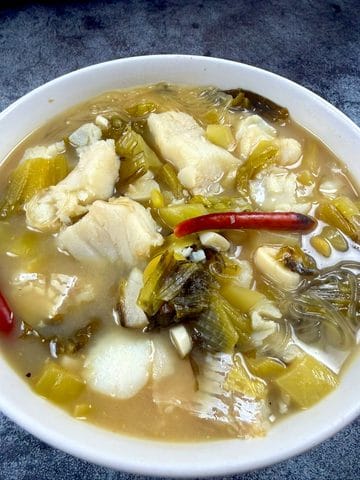
Taiwanese Ginger Fish Soup
A light, clean soup made with white fish and plenty of fresh ginger. It comes together quickly and is refreshing, soothing, and great when you want something simple and nourishing.
Sesame Oil Chicken Soup
This classic Taiwanese soup is rich, aromatic, and deeply comforting. Made with chicken, ginger, rice wine, and black sesame oil, it's especially popular during colder months or when you need something restorative.
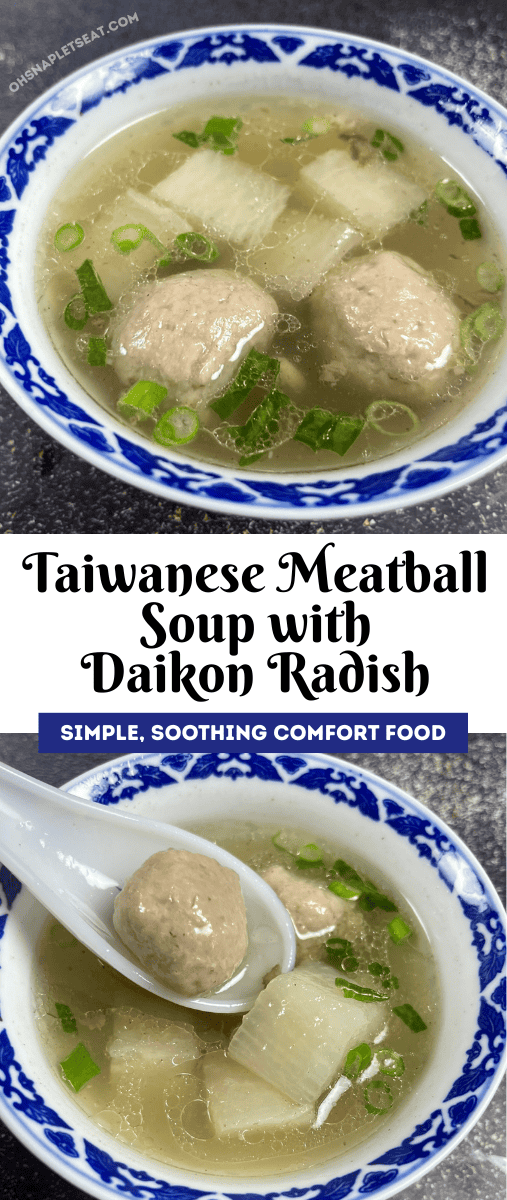
Pin for later!

Got questions or comments? Drop them below!