
Rice might seem simple - it's just rice, right? But during a recent trip to Taiwan, I had the opportunity to learn directly from Taiwanese rice expert 余政隆 (Yu Cheng-Lung), often referred to in Taiwan as "Dr. Rice."
Jump to:
- Rice Types by Grain Shape & Texture
- Sticky Rice vs. Regular Rice
- How Sticky Rice Is Made (Why Some Rice Is Sticky)
- Taiwanese Rice Varieties (By Cultivar Number)
- Japanese Rice & Taiwan's Climate Connection
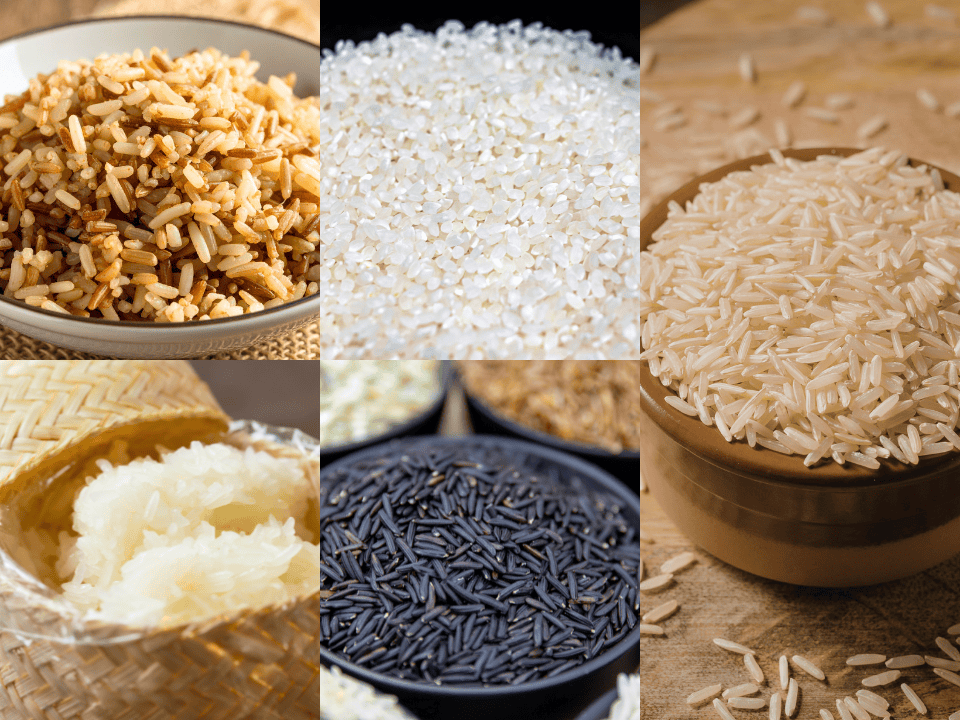
- Specialty & "Healthy" Rice Types
- Cooking Rice: Why Texture Matters
- About the Rice Expert
- Final Thoughts
He has spent decades studying rice varieties, cooking methods, and texture, and was profiled by Forbes for his work and the founding of QQ Rice. Yu Cheng-Long approaches rice not just as food, but as a product of climate, geography, processing, and intention - a perspective that completely changed how I think about this everyday staple.
What started as a casual conversation turned into a deep dive into how grain shape, aroma, cultivation methods, and even consumer preferences influence the rice we cook and eat across Asia and beyond.
I took some very messy notes during our conversation, and after organizing everything, here's a clear breakdown of what I learned about Asian rice varieties, how they differ, and why choosing the right rice actually matters.
Rice Types by Grain Shape & Texture
One of the most important ways rice is classified is by grain shape, which directly affects texture, stickiness, and how the rice is used in cooking.
Short-Grain Rice(短粒米 / 圓米)
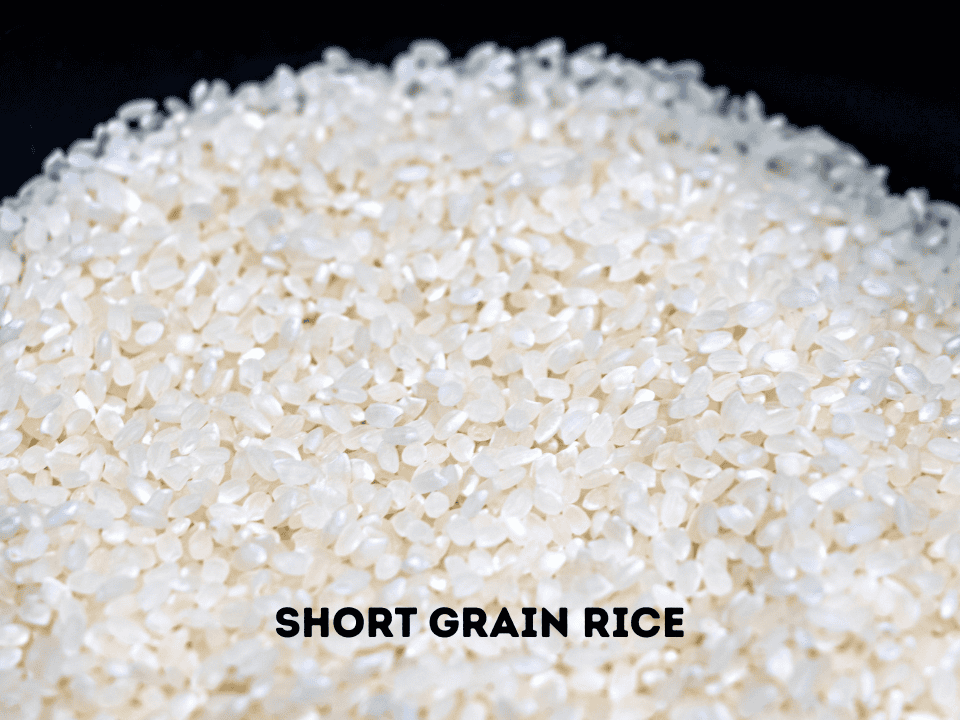
Short-grain rice is round, plump, and high in amylopectin, the starch that gives rice its naturally sticky texture when cooked. This stickiness helps the grains cling together, making it ideal for cuisines where rice is eaten plain or needs to hold its shape.
Common names include:
- 珍珠米 (Pearl Rice / Short-Grain Rice)
- 圓米 (Round Rice)
- 梗米 (Japonica Rice)
Texture & flavor:
Soft, slightly chewy, subtly sweet
Best uses:
Sushi, onigiri, rice bowls, Japanese, Taiwanese, and Korean home cooking
Short-grain rice is especially popular in Japan, Taiwan, and Korea, where rice is meant to complement other dishes rather than simply act as a filler.
Medium-Grain Rice(中粒米)
Medium-grain rice sits between short-grain and long-grain rice in both size and texture. It absorbs flavors well while still maintaining structure, making it a versatile everyday rice.
Common examples include:
- 在來米 (Zai Lai Rice / Native Taiwanese Rice) - less sticky and more separate than Japanese rice
- 蓬萊米 (Penglai Rice / Taiwanese Japonica Rice) - developed in Taiwan using Japanese rice varieties
- 福建米 (Fujian Rice) - often paired with soups, braised dishes, and seafood
- 秈米 (Xian Rice / Indica-Type Rice) - longer and drier, with clearly separated grains
Texture & flavor:
Tender, balanced, mildly neutral
Best uses:
Taiwanese home cooking, sauced meats, stir-fries, and everyday meals
Long-Grain Rice(長粒米)
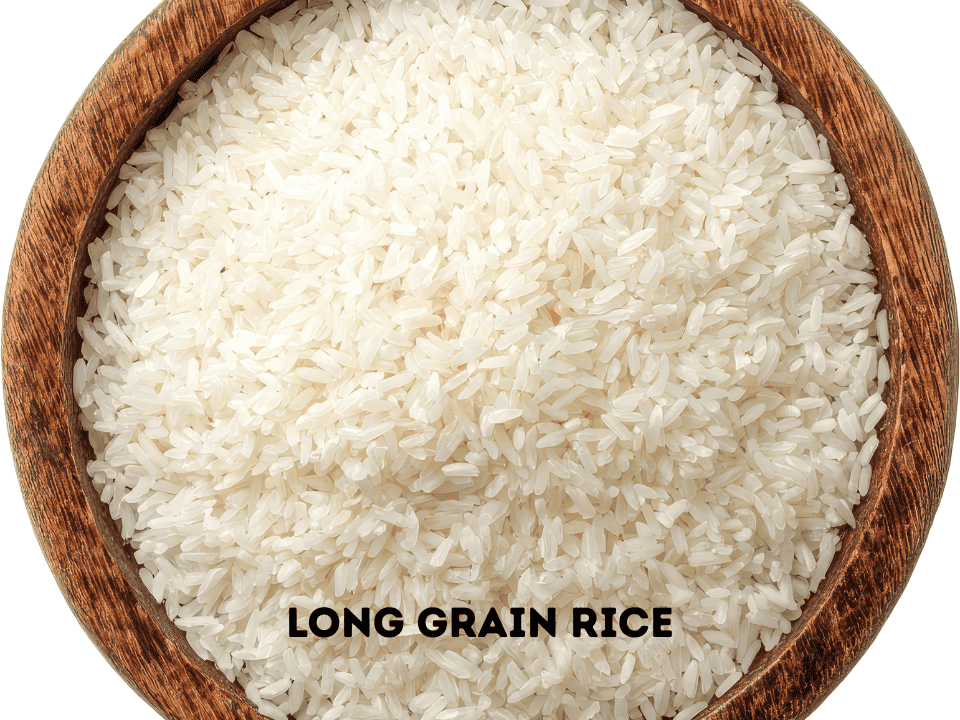
Long-grain rice has a slim shape and lower starch content, which allows it to cook up light, fluffy, and separate.
Examples include:
- 長米 (Long-Grain Rice)
- 廣東短瘦米 (Cantonese Slim Rice)
- 秈糯米 (Indica Glutinous Rice) - less sticky than traditional glutinous rice, with more structure
Texture & flavor:
Dryer, airy, distinct grains
Best uses:
Southern Chinese dishes, fried rice, and meals with heavier sauces
Climate matters:
Hot climates tend to produce longer, skinnier grains to retain moisture, while colder climates produce rounder grains to retain warmth. Rice also grows faster in warmer regions.
Sticky Rice vs. Regular Rice
Beyond grain shape, one of the biggest sources of confusion is whether a rice is naturally sticky or designed to be sticky for specific dishes.
糯米 (Glutinous Rice / Sweet Rice)
Glutinous rice becomes extremely sticky when cooked due to its starch composition. Despite the name, it contains no gluten.
Common uses:
Zongzi, rice cakes, desserts, and festival foods across Asia
秈糯米 (Indica Glutinous Rice)
This rice has some chew and stickiness but holds its shape better than traditional glutinous rice.
Common uses:
Savory dishes, dumpling fillings, and mixed rice dishes
How Sticky Rice Is Made (Why Some Rice Is Sticky)
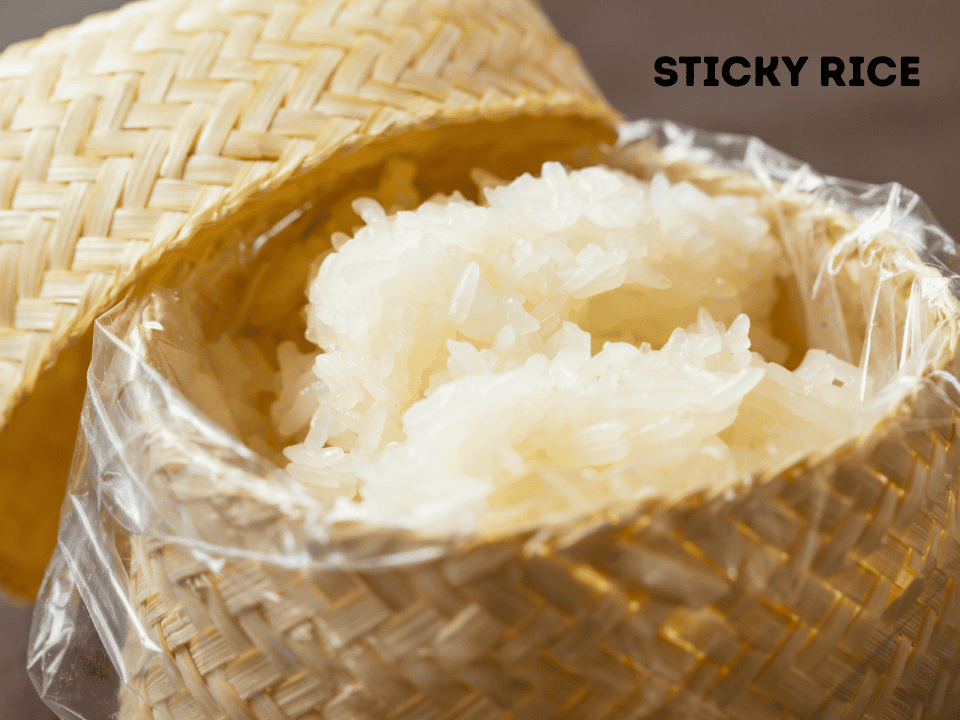
One of the most common questions people ask is how rice becomes sticky. As Yu Cheng-Long explained, stickiness isn't created during cooking - it's built into the rice itself.
Rice starch is made up of two components: amylose, which keeps grains fluffy and separate, and amylopectin, which causes grains to stick together. Sticky rice varieties contain very little amylose and a high amount of amylopectin, which is why they naturally clump when cooked.
This balance is determined at the varietal level, meaning you can't turn long-grain rice into sticky rice simply by changing the cooking method.
It's also important to distinguish between glutinous rice and sushi rice. Sushi rice is made from short-grain Japonica rice, which is sticky enough to hold together but still tender and fluffy. Glutinous rice, on the other hand, is much stickier and almost stretchy, making it better suited for rice cakes, dumplings, and desserts.
Washing rice, soaking it, or adjusting water ratios can improve texture, but these techniques don't create stickiness, they simply highlight the characteristics already present in the grain.
Taiwanese Rice Varieties (By Cultivar Number)
In Taiwan, rice isn't just labeled by grain type - it's often identified by cultivar numbers, which reflect how the rice was bred, where it grows best, and how it performs in cooking.
Examples commonly discussed by Yu Cheng-Long include:
- 台東米 139 (Taitung No. 139 Rice)
- 高雄 145 (Kaohsiung No. 145 Rice)
- 高雄 147 香米 (Kaohsiung No. 147 Fragrant Rice)
- 台灣 9 號米 (Taiwan No. 9 Rice) - Taiwan's most common sushi rice
- 桃園 1 號米 (Taoyuan No. 1 Rice)
- 一泉香米 (Yiquan Fragrant Rice)
These varieties are developed based on yield, aroma, texture, and climate compatibility, which is why certain rices are tied so closely to specific regions.
Japanese Rice & Taiwan's Climate Connection
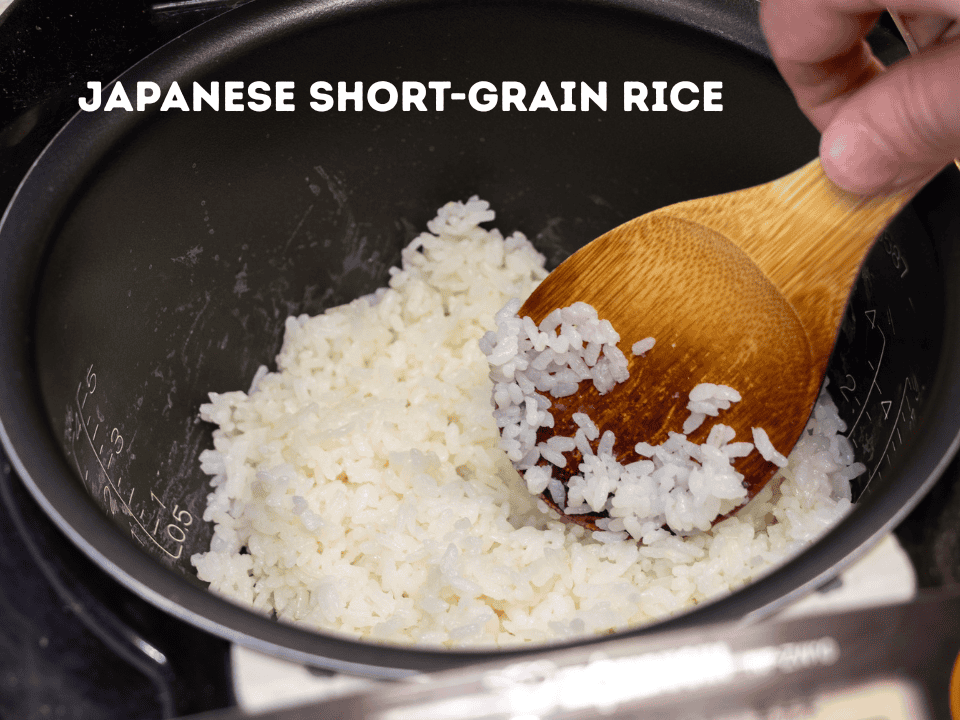
Japanese short-grain rice is grown from May to October and prized for its shine and stickiness.
- 日本短粒米 (Japanese Short-Grain Rice)
- 月光米 (Moonlight Rice)
Taiwan imports Japanese rice seeds and grows them locally, especially in Yilan, where rice takes about 150 days to mature due to the similar climate. Yu Cheng-Long emphasized that rice seeds must be renewed regularly, since reusing the same seeds year after year can affect grain shape, uniformity, and quality.
Specialty & "Healthy" Rice Types
Beyond white rice, there are many specialty rice varieties that focus on nutrition, processing method, or heritage, rather than just texture or aroma. These rices are often chosen for health benefits, unique flavor, or traditional uses, and they are processed very differently from standard polished white rice.
糙米 (Brown Rice)
Brown rice has only the outer husk removed, leaving the bran and germ intact.
Texture & flavor:
Nutty, chewy, firm
How it's used:
Often eaten as a daily staple by health-focused cooks. Requires longer cooking and more water than white rice.
胚芽米 (Germ Rice)
Germ rice retains the rice germ while most of the bran is removed, balancing nutrition and texture.
Texture & flavor:
Softer than brown rice, lightly nutty
How it's used:
Cooked like white rice but with added nutritional value.
紅糙米 (Red Brown Rice)
Red brown rice retains its reddish bran layer, rich in natural antioxidants.
Texture & flavor:
Firm, chewy, earthy
How it's used:
Often mixed with white rice for balance.
黑米 (Black Rice)
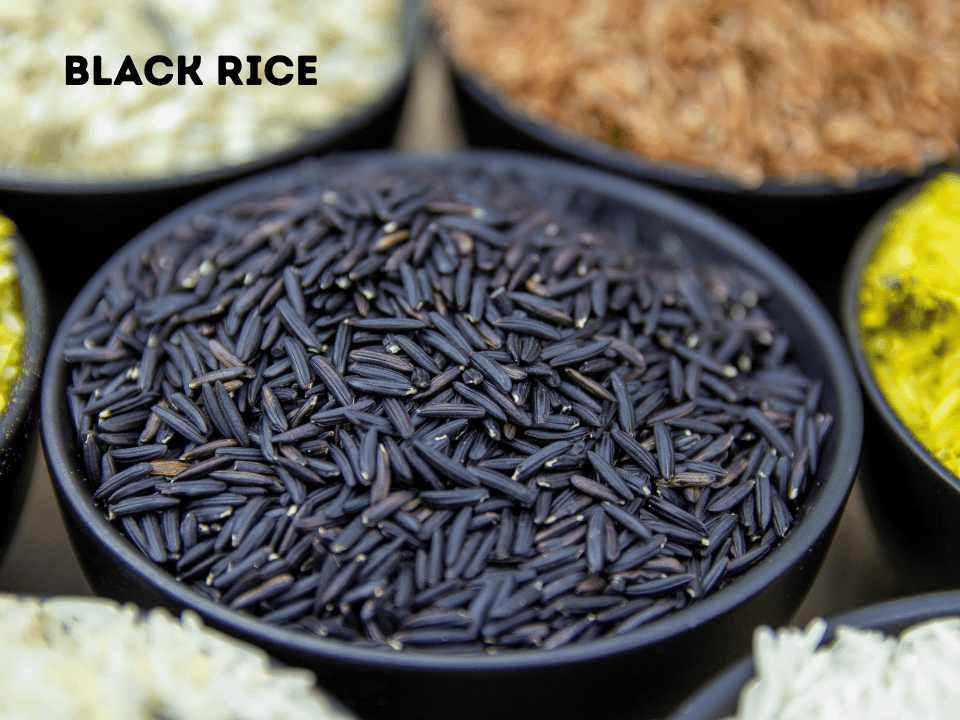
Also known as forbidden rice, black rice is rich in anthocyanins and turns deep purple when cooked.
Texture & flavor:
Chewy, slightly sticky, mildly sweet
How it's used:
Desserts, porridge, and mixed rice dishes.
紅米 (Red Rice)
Red rice refers to several traditional varieties with a rustic texture and deeper flavor.
Texture & flavor:
Hearty, chewy
How it's used:
Grain bowls and traditional dishes.
黃米 / 蒸製米 (Yellow Rice / Parboiled Rice)
This rice is partially steamed before milling, which forces nutrients from the bran into the grain and turns the inside yellow.
Texture & flavor:
Firm, separate grains
How it's used:
Preferred where firmer rice is valued and for large-batch cooking.
真穀米 (Zhen Gu Rice / Whole Kernel Rice)
A minimally processed rice designed to preserve the entire grain structure.
Texture & flavor:
Dense, chewy
How it's used:
Marketed as a premium health rice; some varieties can be soaked and eaten raw.
One insight Yu Cheng-Long shared is that health-focused rice varieties tend to attract more health-conscious consumers, while others prioritize flavor and texture. Neither choice is better - they simply serve different needs.
Cooking Rice: Why Texture Matters
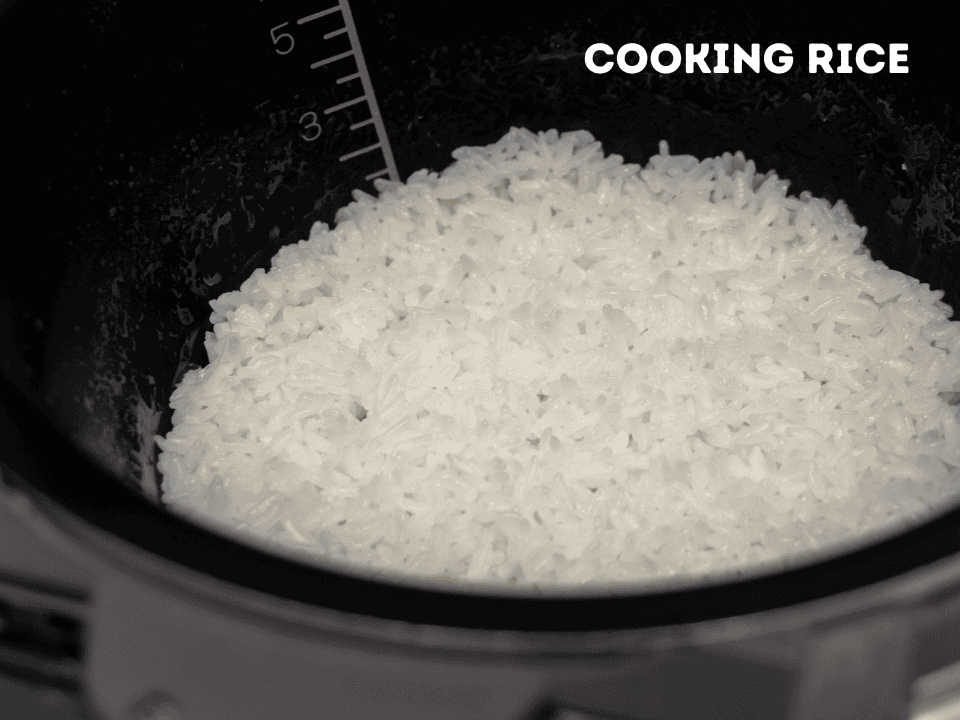
Cooking rice isn't just about water ratios - it's about intent. Different cuisines value different textures, and understanding what a rice variety is meant to do will immediately make your cooking more consistent and less frustrating.
Rice can be soft and fluffy, firm and separate, gently sticky, or intensely chewy - and none of these textures are "right" or "wrong." They simply serve different purposes.
Cooking Adjustments Refine Texture, Not Redefine It
Once you choose the right rice, cooking techniques help refine the texture rather than change it entirely.
- Washing rice removes excess surface starch for cleaner-tasting grains
- Soaking helps grains hydrate evenly, especially for short-grain and brown rice
- Water ratios control softness and doneness, not stickiness itself
- Resting rice after cooking allows moisture to redistribute for better texture
These steps improve results, but they work with the rice's natural characteristics - not against them.
Choosing Rice With Intention
When you match rice to the dish, cooking becomes simpler and more predictable.
- Want rice that holds together? Choose short-grain or Japonica rice
- Need fluffy rice that won't clump? Use long-grain varieties
- Making rice balls, dumplings, or desserts? Glutinous rice is essential
- Cooking for texture and nutrition? Specialty and whole-grain rices shine here
Once you understand what your rice is meant to do, you'll stop fighting it - and start cooking it with confidence.
Putting It Into Practice: Rice Recipes to Try
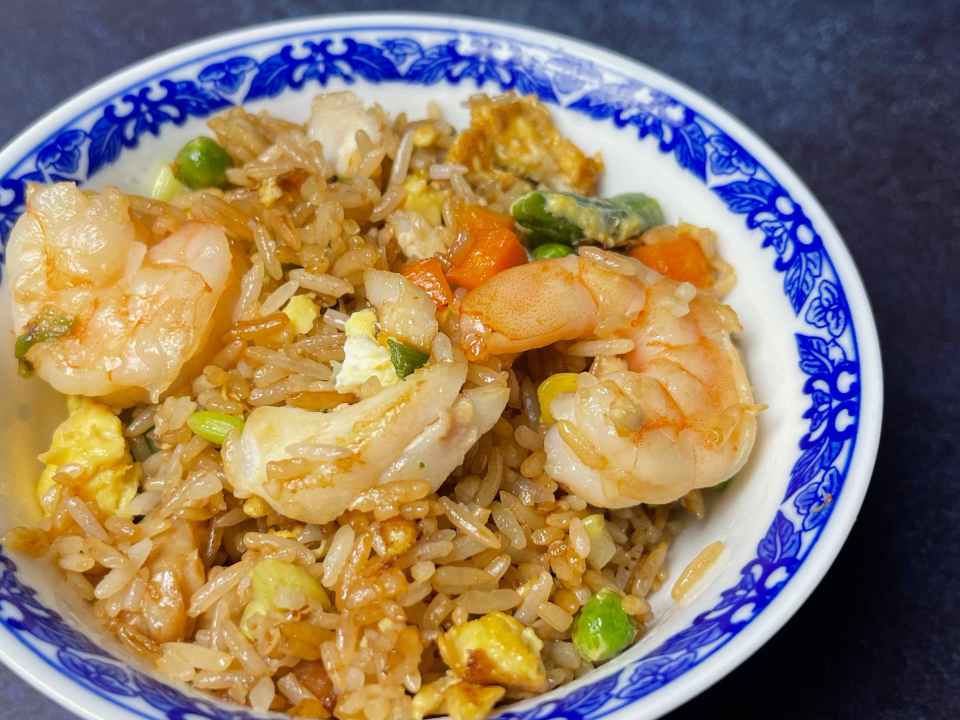
Once you understand how rice texture works, choosing the right dish becomes much easier. Here are a few ways I like to use different rice textures in everyday cooking:
- Fried rice dishes work best with rice that's slightly drier and well-separated, like medium- or long-grain rice. Recipes like Chicken Fried Rice, Taiwanese Sausage Fried Rice (香腸炒飯), and Seafood Fried Rice are great examples of how texture makes all the difference.
- Congee and rice porridge rely on rice that breaks down easily to create a creamy, comforting texture. Dishes like Fish Congee and Chicken Congee show how rice transforms completely depending on how it's cooked.
- Sushi depends on short-grain Japonica rice that's tender, slightly sticky, and able to hold together without becoming gummy. My sushi rice and sushi recipe highlights how important proper rice choice, rinsing, and seasoning are for achieving that balance.
- Rice bowls and simple rice dishes benefit from rice that's soft but structured, making them ideal for everyday meals like my One-Pot Easy Salmon Rice Bowl.
If you'd like to explore more ways to cook with rice, you can browse my full collection of Rice Dishes, where you'll find fried rice, congee, and easy rice-based meals for weeknight cooking.
About the Rice Expert
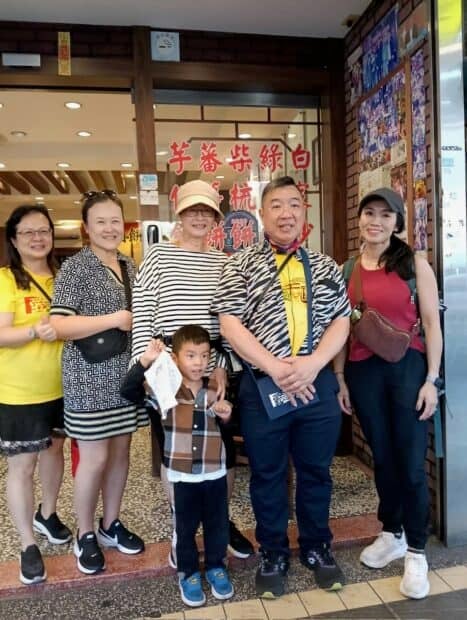
The insights shared in this post come from my conversation with 余政隆 (Yu Cheng-Long), a Taiwanese rice expert widely known for his decades of hands-on work studying rice varieties, cooking methods, and rice culture. Often referred to in Taiwanese media as "Dr. Rice," he has spent years researching how rice behaves from cultivation to the kitchen, helping people better understand how to cook rice with intention.
Final Thoughts
Learning about rice from 余政隆 (Yu Cheng-Long) completely changed how I look at what's in my rice cooker. What seems like a simple staple is actually the result of climate, geography, tradition, and intentional breeding. Once you understand the differences, choosing rice becomes less about habit - and more about cooking with purpose.
Got questions or comments? Drop them below!