
There are quite a few reasons to buy organic fruits and vegetables. Some people buy it because it is better for the environment. Some people buy it to support local small farmers. Others buy it because they would like to avoid any harmful effects that pesticide residue can have on the body. But did you know that some vegetables it's more important to buy organic, while some aren't as important? Find out what to buy organic here!
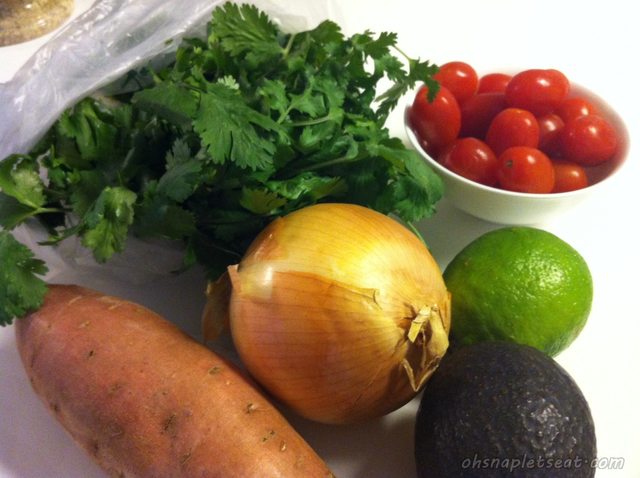
Here's a list of 10 fruits and vegetables that you should definitely consider buying organic as they have been found to have the highest amount of pesticide residue on them:
Highest Amount of Pesticide Residue
- Apples
- Strawberries
- Celery
- Peaches
- Leafy Vegetables (This includes spinach, lettuce, kale, etc.)
- Bell peppers
- Nectarines
- Potatoes
- Cherry tomatoes
- Grapes
What about those that had the least amount of pesticides found? I have a list for that too! These 10 fruits and vegetables have the least amount of pesticide residue found on them:
Lowest Amount of Pesticide Residue
- Onions
- Pineapple
- Avocado
- Mango
- Papayas
- Kiwi
- Cabbage
- Watermelon
- Grapefruit
- Asparagus
Ready to eat some? Check out all my recipes here or search for your favorite veggie!




Urban Paleo Chef says
It's funny, I just responded to one of these on facebook today! There has got to be some synchronicity out there!
When looking at pesticide residues, you should apply some logic to the data as well. Keeping in mind that the best you can do is all you can do, there are some things that make more sense, once you think about it. Here are the things that I consider the most carefully when I am forced to choose: 1. How easy it is to clean the things that I am going to eat, and 2. the quantity of the foods that I generally eat. With those in mind, here are the foods that I consider to be the most important to buy organic:
1. Green leafy vegetables (lettuce, etc.)
2. Green Stalky Vegetables (Celery, Green Onions, etc.)
3. Berries
1. Green Leafy Vegetables:
I eat a lot of these, and so do most people. So even the smallest amount of residue is likely to have a large effect just given the volume of consumption. Further, these are basically impossible to clean. Pesticide residues don't come off in a water bath, and there's just no reasonable way to apply remove it from these any other way. So these are top of the list for Organic.
2. Stalky Vegetables:
Like above, I eat a lot of these and they're really difficult to clean effectively.
3. Berries:
This goes for all berries! First, unlike their larger cousins, berries don't have a strong fruit body that can withstand rigorous soaping and rubbing to get the pesticide residue off (like apples), neither do you remove their outer skin before eating them (like oranges or bananas). So these are pretty much impossible to get clean. Additionally, the pesticides stop the fruit from having to protect itself from predation, which means that they'll devote less energy to a thick and strong skin. For us, that means fewer polyphenols and antioxidants, which are a large part of what's the most valuable in berries, since they have a high skin-to-volume ratio. So not only are they hard to clean, but their nutritional value is heavily diminished by the use of pesticides.
I hope my additional thoughts are valuable!
Tina T. says
Hey there! That is awesomely relevant input! Thanks for taking the time to post this!