
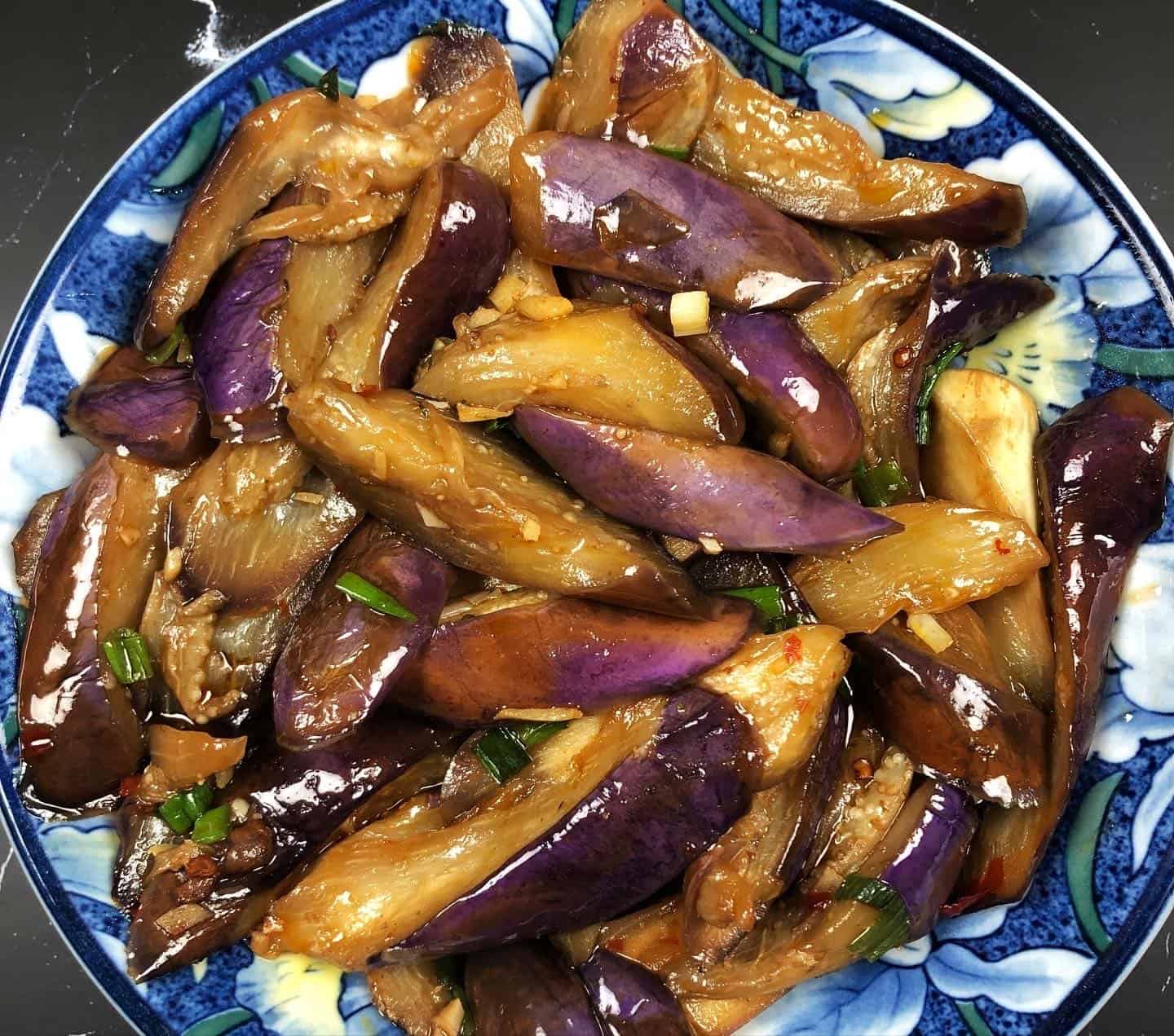
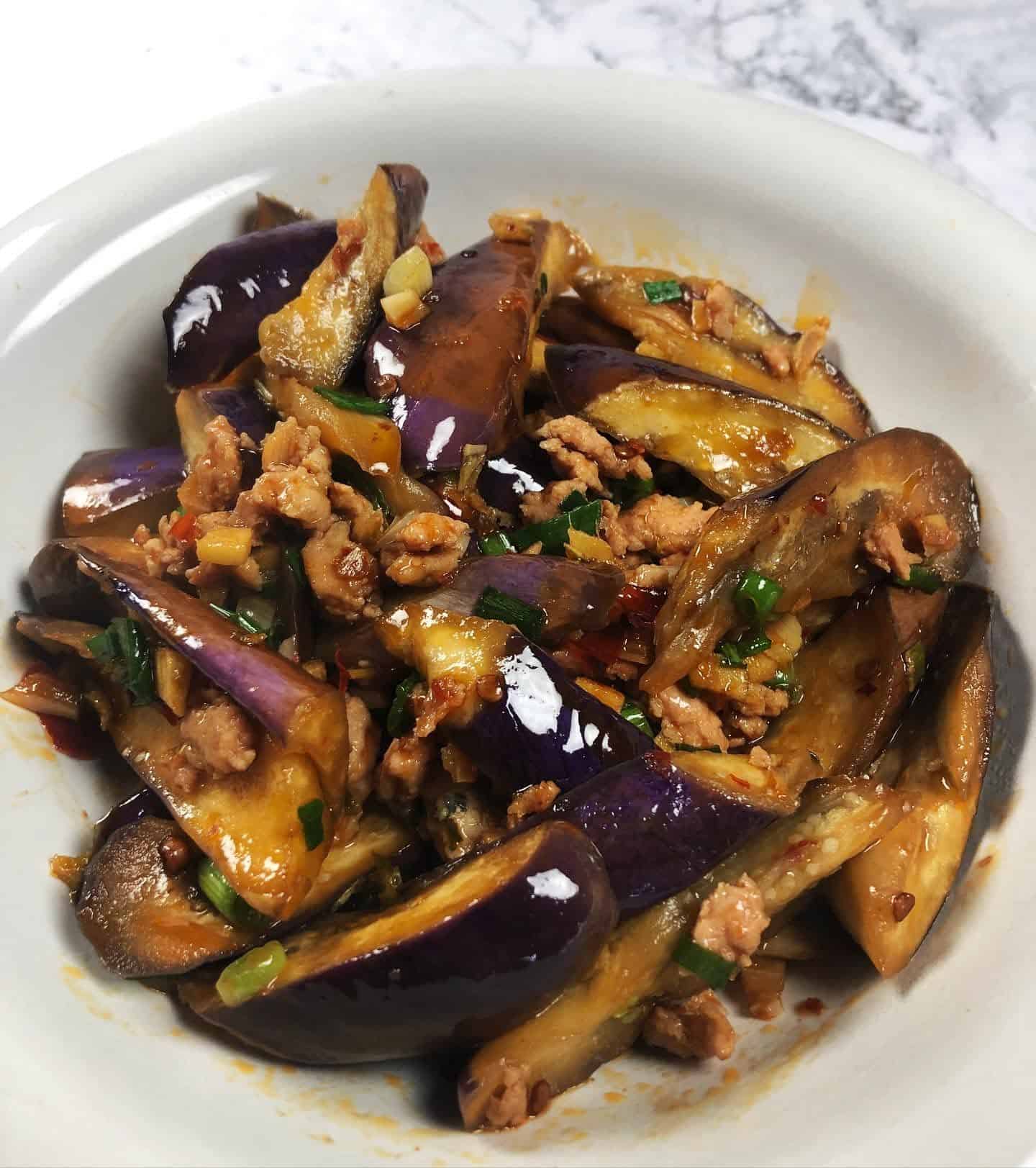
This Chinese Eggplant in Garlic Sauce (魚香茄子) features tender, silky eggplant coated in a bold, savory sauce made with garlic, ginger, soy sauce, and spicy doubanjiang. It's slightly sweet, tangy, garlicky, and absolutely delicious served over a bowl of steamed rice!
Jump to:
The meatless version works as a flavorful vegetarian entrée or Chinese vegetable side dish. You can also add ground pork, chicken, turkey, or beef to make it a heartier meal.
What Is Chinese Eggplant in Garlic Sauce?
Chinese Eggplant in Garlic Sauce is commonly known as Yu Xiang Qie Zi, or 魚香茄子 in Chinese.
"Qie zi" means eggplant, while "yu xiang" is often translated as "fish fragrant." Despite the name, the dish does not contain fish or seafood. The name refers to a Sichuan-style combination of seasonings traditionally used when preparing fish.
Yu xiang sauce usually includes a balance of spicy, sweet, salty, sour, and savory flavors. Recipes vary, but common ingredients include doubanjiang, soy sauce, vinegar, sugar, garlic, and ginger.
This easy version uses doubanjiang, soy sauce, sugar, garlic, and ginger to create a flavorful sauce without requiring a long list of ingredients.
Why You'll Love This Recipe
- Ready in about 30 minutes
- Tender, flavorful Chinese eggplant
- Savory, garlicky, and slightly spicy
- Easy to adjust to your preferred spice level
- Can be made with or without ground meat
- Delicious as an entrée or side dish
- Perfect served with steamed rice
About the Ingredients
Here are some tips to make this dish yummy!
Chinese Eggplants
Chinese eggplants are long, slender, and usually light purple. They have thinner skin, fewer seeds, and a milder flavor than large American or Italian eggplants.
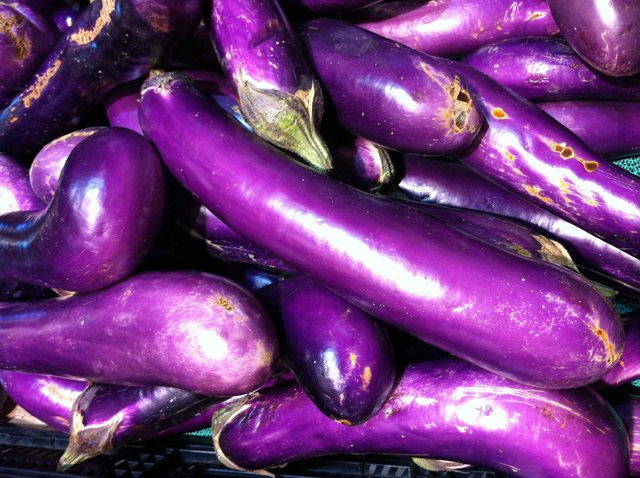
Their tender skin means you do not need to peel them before cooking. They also cook relatively quickly, making them perfect for stir-fries and sautéed dishes.
Japanese eggplants are slightly darker but have a similar shape and texture. They may be used interchangeably in this recipe.
If you can only find a large American or Italian eggplant, peel it and cut it into smaller pieces. The final texture will be slightly different, but the recipe will still work.
Doubanjiang (Chili Bean Paste)
Doubanjiang, also called chili bean paste or fermented broad bean chili paste, gives this dish its spicy, salty, and savory flavor.
It is commonly used in Sichuan dishes such as Mapo Tofu and Twice-Cooked Pork. Different brands vary in saltiness and spice level, so taste your sauce before adding any extra salt.
Look for doubanjiang at an Asian grocery store, in the international aisle of some supermarkets, or online.

When doubanjiang is unavailable, you may substitute chili garlic sauce or sambal oelek. The flavor will not be exactly the same, but the dish will still be delicious.
Garlic and Ginger
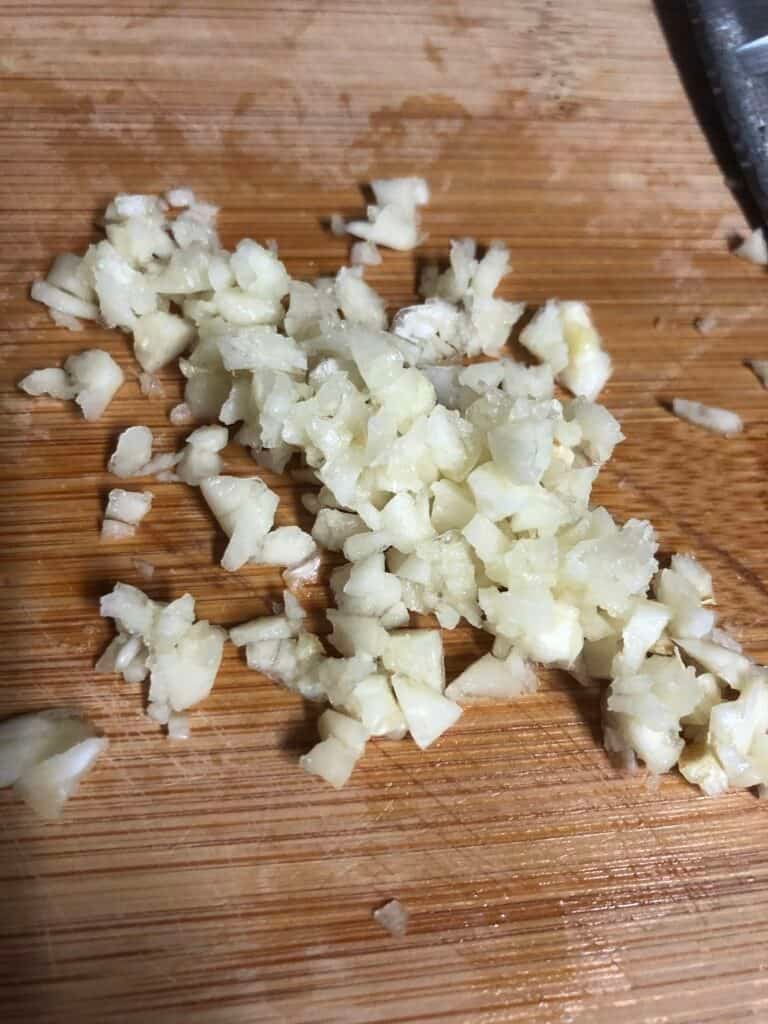
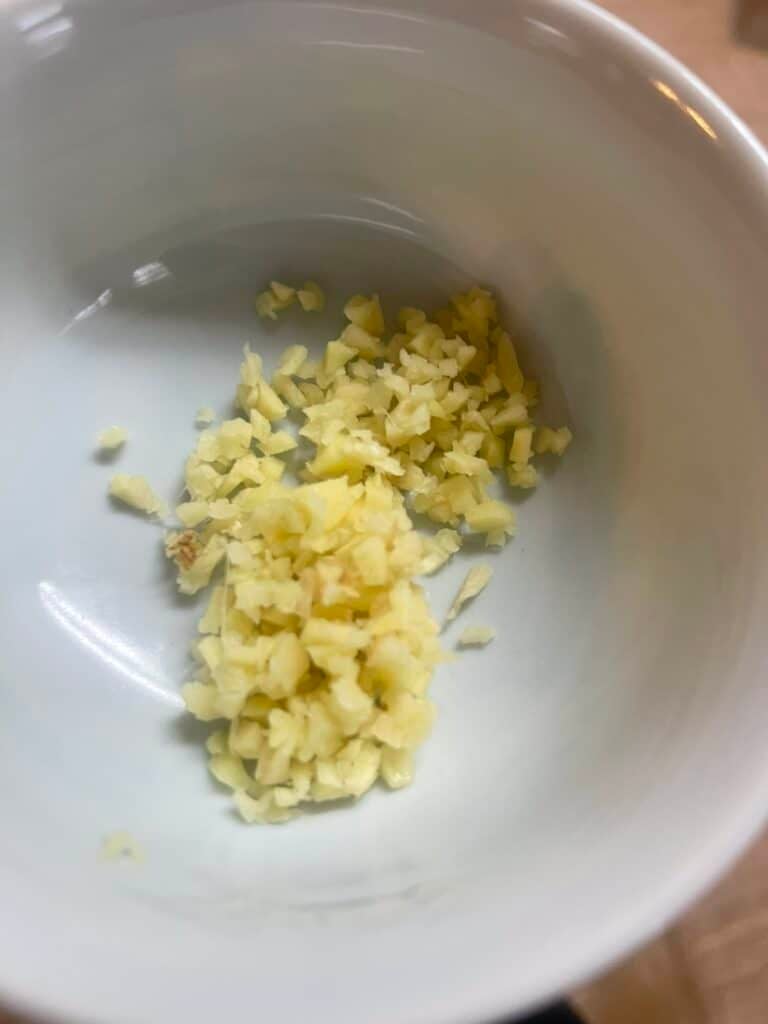
Fresh garlic and ginger form the aromatic base of the sauce. Stir-fry them briefly until fragrant, but be careful not to let the garlic burn.
Soy Sauce
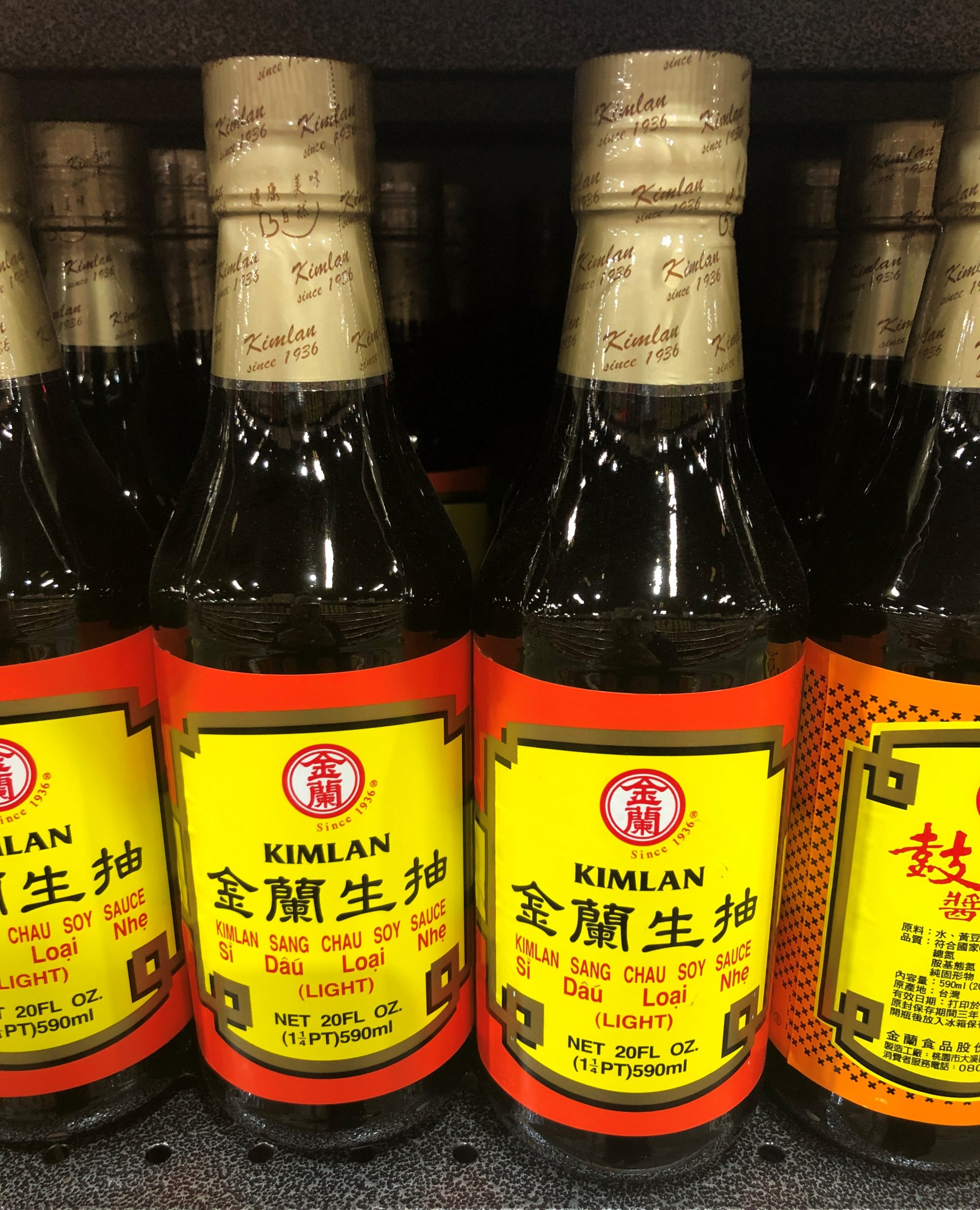
Soy sauce adds saltiness and umami. Regular or light soy sauce works well.
For a gluten-free version, use gluten-free tamari and check the label on your doubanjiang or chili paste.
Sugar
A small amount of sugar balances the salty and spicy flavors in the sauce. You can adjust the amount to taste.
Optional Ground Meat
This eggplant dish is delicious without meat, but you can add about ½ pound of ground pork, chicken, turkey, or beef for a heartier meal.
Ground pork is especially flavorful with the garlic and doubanjiang sauce, but any ground meat you enjoy will work.
Ho to cook Chinese Eggplant in Garlic Sauce (Step by Step)
1. Prepare the Eggplant
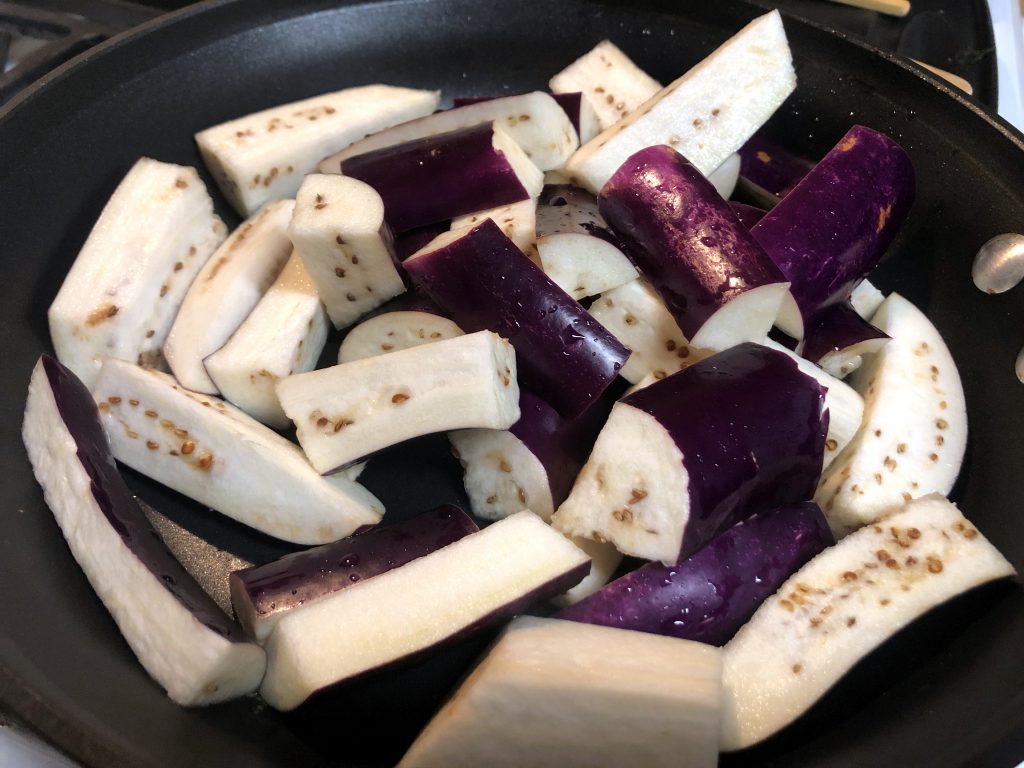
Cut the Chinese eggplants into approximately 2-inch pieces.
You can cut them straight across or slice them slightly diagonally to create larger pieces with more surface area for the sauce.
2. Soak the Eggplant
Place the eggplant pieces in a large bowl and cover them with water.
Add 1 tablespoon of vinegar or lemon juice and allow the eggplant to soak for approximately 10-15 minutes. This optional step can help limit discoloration and keep the purple skin looking more vibrant.
You may also add 1 teaspoon of salt to the water. Chinese and Japanese eggplants are naturally mild, so the salt is not necessary for removing bitterness, but it can help season the eggplant.
Drain the eggplant thoroughly and pat it dry with paper towels before cooking.
3. Cook the Optional Ground Meat
When adding ground meat, heat approximately 1 tablespoon of the oil in a wok or large skillet over medium-high heat.
Add the ground pork, chicken, turkey, or beef. Stir-fry for approximately 3-5 minutes, breaking it into small pieces, until browned and completely cooked through.
Transfer the meat to a plate and set it aside.
For the vegetarian version, skip this step.
4. Cook the Aromatics
Add the remaining cooking oil to the wok.
Add the minced garlic and ginger. Stir-fry for approximately 30 seconds, or until fragrant.
Do not cook them for too long because garlic can burn quickly over high heat.
5. Stir-Fry the Eggplant
Add the drained and dried eggplant to the wok.
Stir-fry for approximately 1-2 minutes, tossing it with the garlic and ginger.
6. Add the Sauce
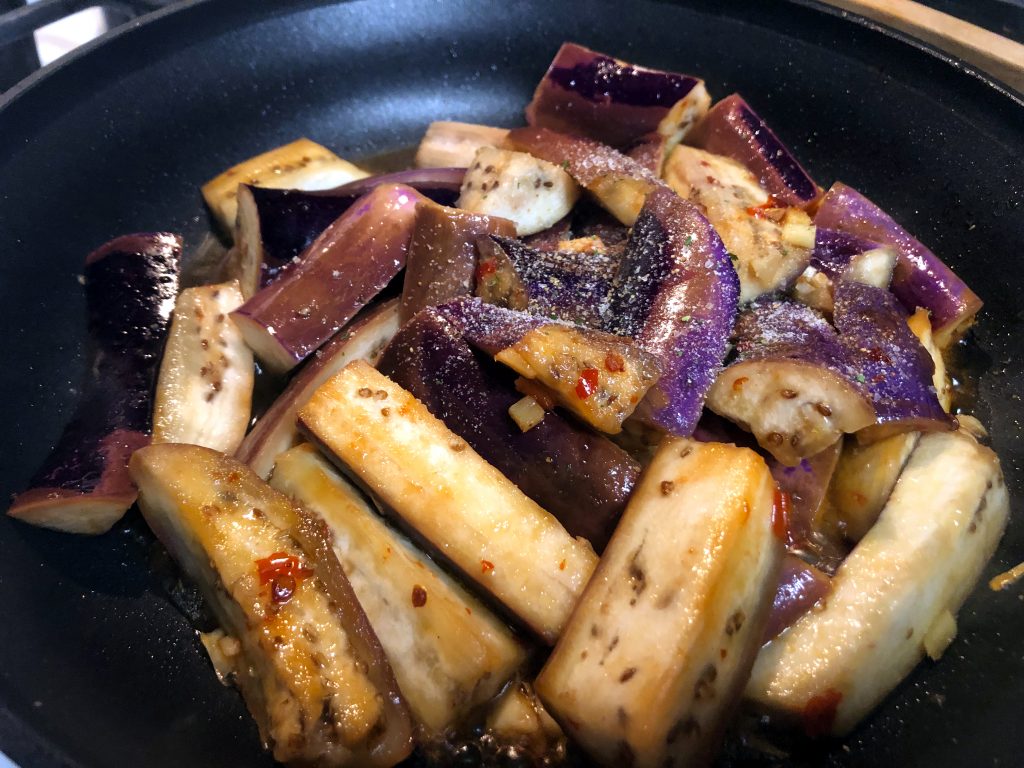
Add the soy sauce, doubanjiang, and sugar.
Stir until the eggplant is evenly coated in the sauce.
Continue cooking for approximately 6-8 minutes, stirring regularly, until the eggplant is tender and cooked through.
If the wok becomes too dry before the eggplant is tender, add 1-2 tablespoons of water. Cover the wok for a minute or two to help the eggplant steam, then remove the lid and continue stir-frying.
7. Finish the Dish
When using ground meat, return it to the wok and toss it with the eggplant and sauce.
Add the chopped green onions and mix well.
Remove from the heat and serve hot.
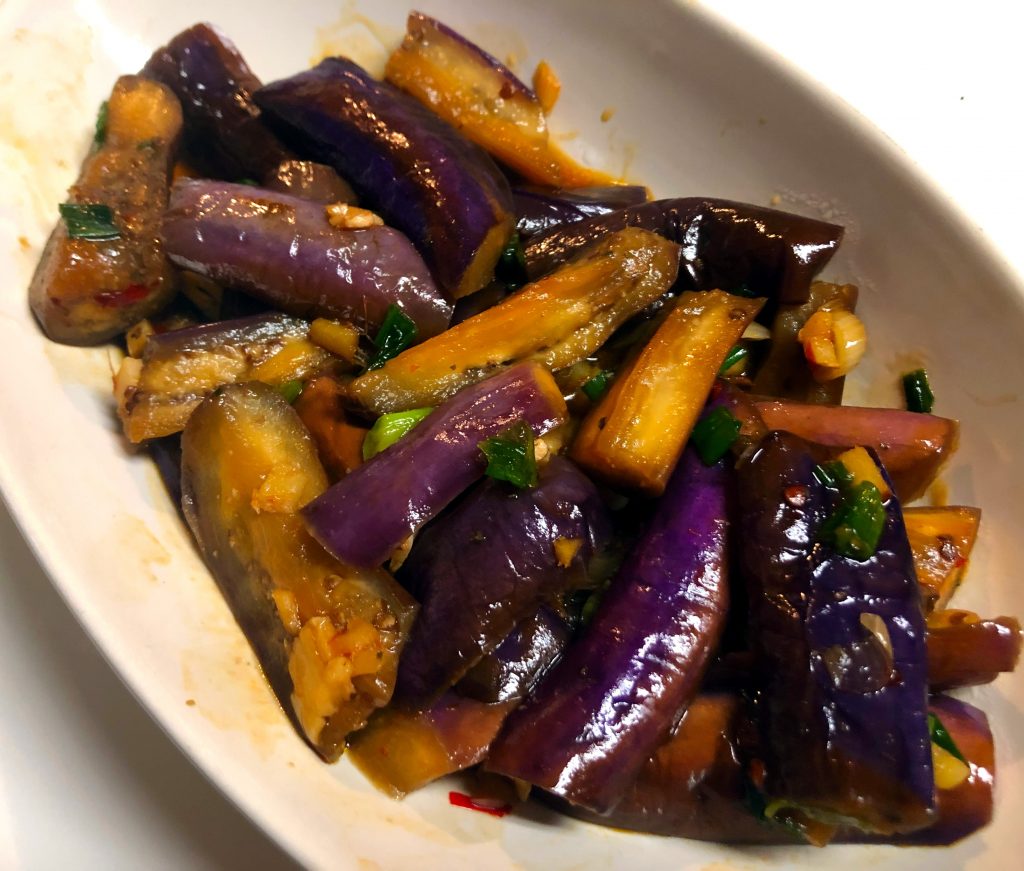
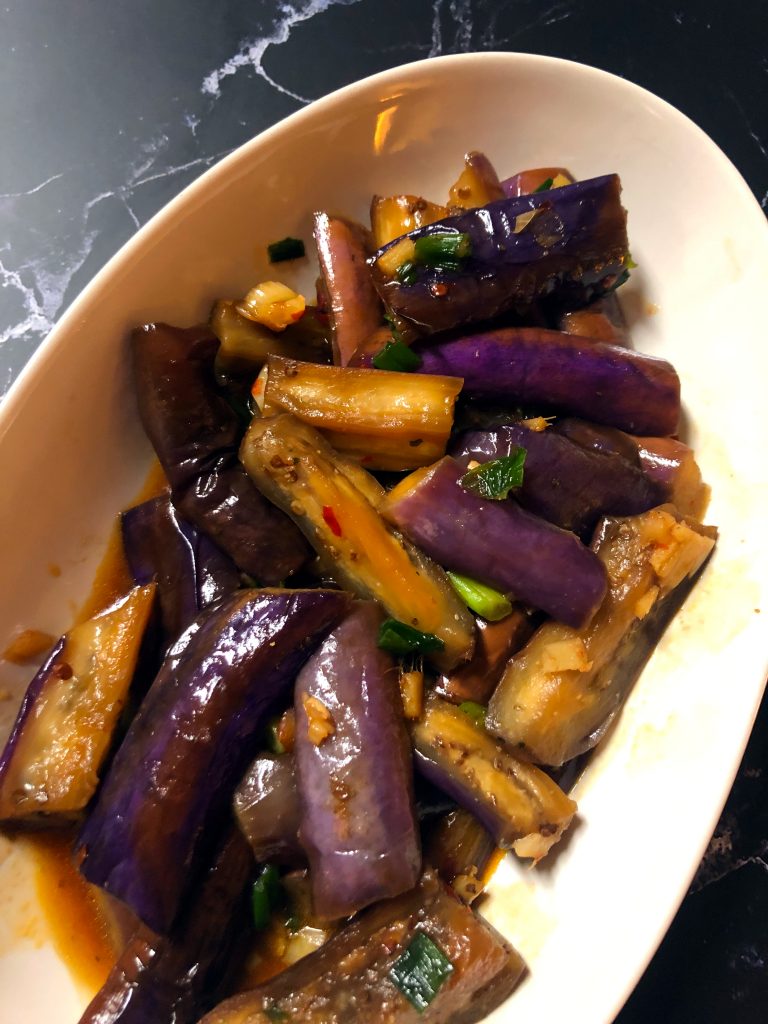
Tips for the Best Eggplant Stir-Fry
Pat the Eggplant Dry
Drying the eggplant after soaking prevents excess water from splattering when it hits the hot oil. It also helps the eggplant stir-fry rather than immediately steam.
Use a Large Pan
Avoid crowding the eggplant into a small skillet. A wok or wide skillet gives the pieces more contact with the hot cooking surface.
Adjust the Doubanjiang
Doubanjiang varies significantly by brand. Some versions are quite salty or spicy, while others are milder.
Start with the amount in the recipe and add more only after tasting.
Add Water When Needed
Eggplant absorbs oil quickly. Instead of continuing to add more oil, add a tablespoon or two of water and briefly cover the pan. The steam will help soften the eggplant.
Don't Overcook the Eggplant
Cook the eggplant until tender and silky but still able to hold its shape. Overcooked eggplant can become very soft and mushy.
Storage and Reheating
Refrigerating
Allow the eggplant to cool before transferring it to an airtight container.
Store it in the refrigerator for up to 2-3 days.
If you added ground meat, refrigerate the leftovers promptly and make sure the meat is reheated thoroughly before serving.
Reheating
Reheat the eggplant in a skillet or wok over medium heat with a small splash of water.
You can also microwave it in short intervals until heated through. Keep in mind that the eggplant may become softer after reheating.
Freezing
Freezing is not recommended. Eggplant tends to become very soft and watery after it is frozen and thawed.
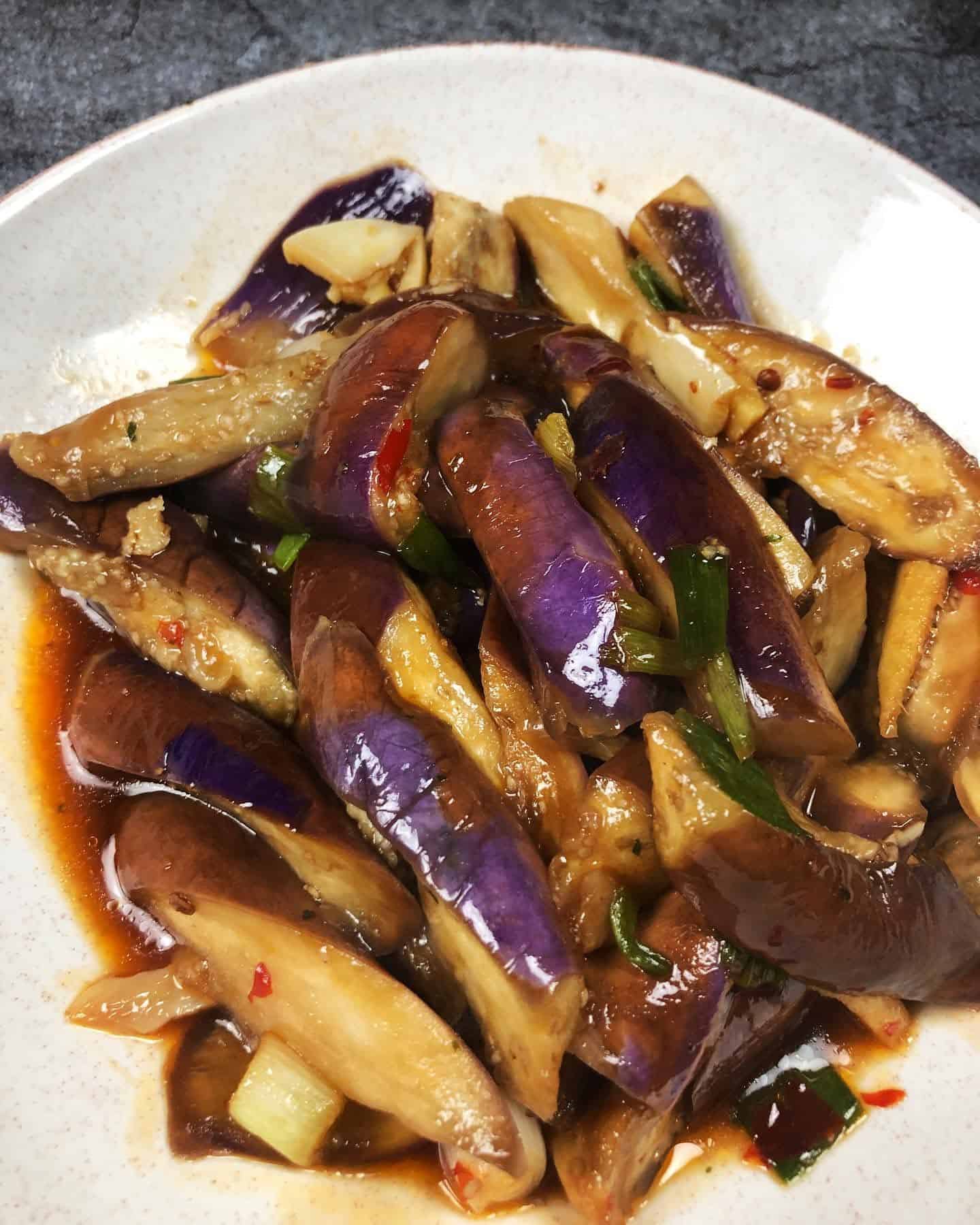
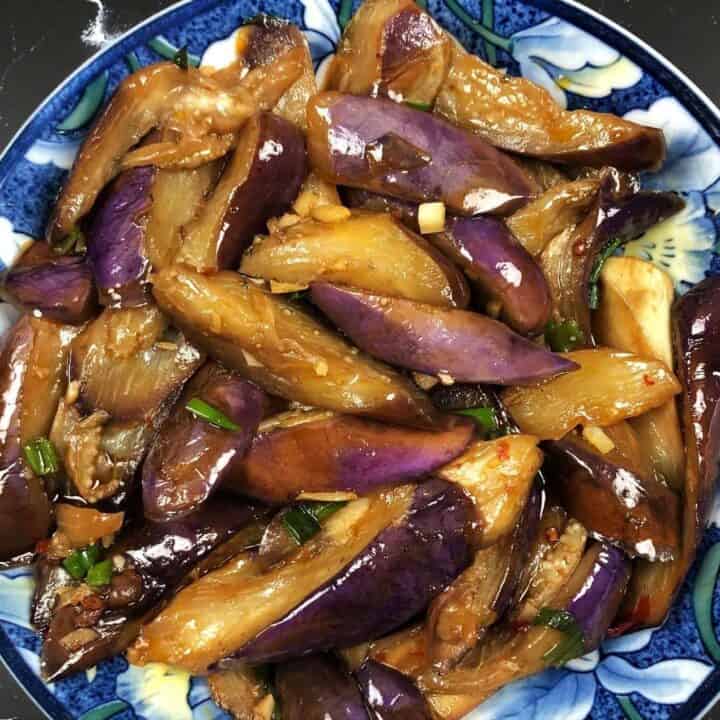
Chinese Eggplant in Garlic Sauce Recipe
This Chinese Eggplant in Garlic Sauce Stir-Fry (魚香茄子) features tender eggplant tossed with doubanjiang, soy sauce, garlic, and ginger. Serve it as a vegetarian entrée or side dish, or add ground pork, chicken, turkey, or beef for a heartier meal.
Ingredients
- 2 medium Chinese eggplants, cut into approximately 2-inch pieces
- 1 tablespoon vinegar or lemon juice
- 2 tablespoons neutral cooking oil, divided if using meat
- ½ pound ground pork, chicken, turkey, or beef, optional
- ½ tablespoon fresh ginger, minced
- 2 cloves garlic, minced
- 2 tablespoons soy sauce
- 1 tablespoon chili bean paste or doubanjiang
- 1 teaspoon sugar
- 2 green onions, finely chopped
- 1–2 tablespoons water, as needed
Instructions
- Cut the eggplants into approximately 2-inch pieces.
- Place the eggplant in a large bowl and cover it with water. Add the vinegar or lemon juice and soak for approximately 10–15 minutes. You may also add 1 teaspoon of salt, if desired.
- Drain the eggplant and pat it thoroughly dry with paper towels.
- When using ground meat, heat 1 tablespoon of the oil in a wok or large skillet over medium-high heat. Add the meat and stir-fry for 3–5 minutes, breaking it into small pieces, until browned and completely cooked. Transfer it to a plate.
- Add the remaining tablespoon of oil to the wok. For the meatless version, add both tablespoons of oil at this stage.
- Add the garlic and ginger. Stir-fry for approximately 30 seconds, until fragrant.
- Add the eggplant and stir-fry for 1–2 minutes.
- Add the soy sauce, doubanjiang, and sugar. Stir until the eggplant is evenly coated.
- Continue cooking for 6–8 minutes, stirring regularly, until the eggplant is tender. If the wok becomes dry, add 1–2 tablespoons of water. Cover for 1–2 minutes to help the eggplant soften, if needed.
- When using ground meat, return it to the wok and toss until evenly combined and heated through.
- Stir in the green onions.
- Remove from the heat and serve hot with steamed rice.
Notes
- Eggplant: Chinese or Japanese eggplant works best because the skin is thin and the flesh is mild. If using a large American or Italian eggplant, peel it and cut it into smaller pieces.
- Optional ground meat: Add ½ pound ground pork, chicken, turkey, or beef. Brown it first, transfer it to a plate, and return it to the wok once the eggplant is tender.
- Doubanjiang: Brands vary in saltiness and heat, so taste the dish before adding any additional salt. Use less doubanjiang for a milder version.
- If the pan becomes dry: Add 1–2 tablespoons of water and cover for a minute or two to help the eggplant soften instead of adding more oil.
- Soaking the eggplant: Soaking it in water with vinegar or lemon juice can help preserve its purple color, but this step is optional. Drain and pat the eggplant thoroughly dry before cooking.
Recommended Products
As an Amazon Associate and member of other affiliate programs, I earn from qualifying purchases.
-
 Hiware 10-Pairs Fiberglass Chopsticks - Reusable Chopsticks Dishwasher Safe, 9 ½ Inches - Black
 -
Calphalon Contemporary Hard-Anodized Aluminum Nonstick Cookware, Flat-Bottom Wok, 10-Inch, Black - 1877054
-
Sichuan Pixian Broad Bean Paste with Red Chili Oil - 17.6 oz (500g) | Hong You Dou Ban
-
Marukan Seasoned Rice Vinegar 12 Oz (12 oz), 12 oz
-
Wan Ja Shan Organic Aged Soy Sauce, 33.8fl.oz



Nutrition Information:
Yield: 4 Serving Size: ¼ recipe (meatless)Amount Per Serving: Calories: 117Total Fat: 7gSaturated Fat: 1gTrans Fat: 0gUnsaturated Fat: 6gCholesterol: 0mgSodium: 650mgCarbohydrates: 12gFiber: 5gSugar: 7gProtein: 3g
The nutrition information for this recipe is an approximate total per serving. Please double check the nutrition information for your exact ingredients and brands for more precise nutrition information.
More Delicious Chinese Eggplant Recipes
If you love Chinese Eggplants, you will also love these recipes:
- Thai Basil Eggplant Stir Fry - tender Chinese eggplants stir-fried with garlic, chili, and fresh Thai basil for a fragrant and flavorful dish.
- Air Fried Chinese Eggplant - marinated eggplants cooked crisp-tender in the air fryer, easy and tasty.
- Chinese Steamed Eggplant - soft, silky eggplant drizzled with a savory soy-garlic sauce.
- Chicken Stir Fry with Eggplant and Tomatoes - marinated chicken stir-fried with tender eggplant and juicy tomatoes for a cozy, flavorful meal.
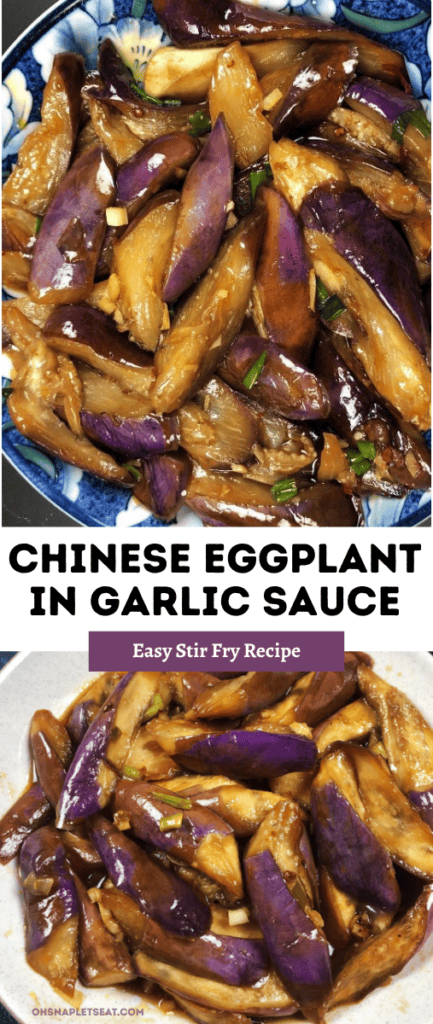
Pin for later!
Mattie says
This is amazing! I doubled the sauce because we had mushrooms that needed to be used and I figured they would work well in this recipe. I was right, and my carnivore husband loved it!
TinaTsai says
I'm so glad to hear it!! 😀 Adding mushrooms sounds delicious too!
frances dee co says
in your Taiwanese three cup chicken what is a substitue for 1 tbsp brown rock sugar? are these granules, as we have white rock sugar in blocks how do you measure it for 1 tbsp>?
can you email the answer to my mail, as stated below...i love your very simple explanation and videos...helps us learn quickly....thank you again....
TinaTsai says
Thank you! I will also email you - but basically I just eye ball it. If the rock sugar is about the same as the 1 tbsp measuring spoon, then you should be good. I'm not sure how big your rock sugar blocks are, so you will probably have to just estimate - maybe 2-3 depending on the size of the blocks...
Jocelyn Panem says
Thank you for the recipe
TinaTsai says
You're welcome!!
Anna says
You're tip as to how cook eggplant without it going soggy has cured my aversion to cooking it!!my vegeterian son agrees the basic prep instructions will inspire me to try do experimental dishes with different types of vegetables and flavors p.s . You're instructions both.visual and written were
Very helpful
Tina T says
Nice! Super glad to help!! 😀
BB says
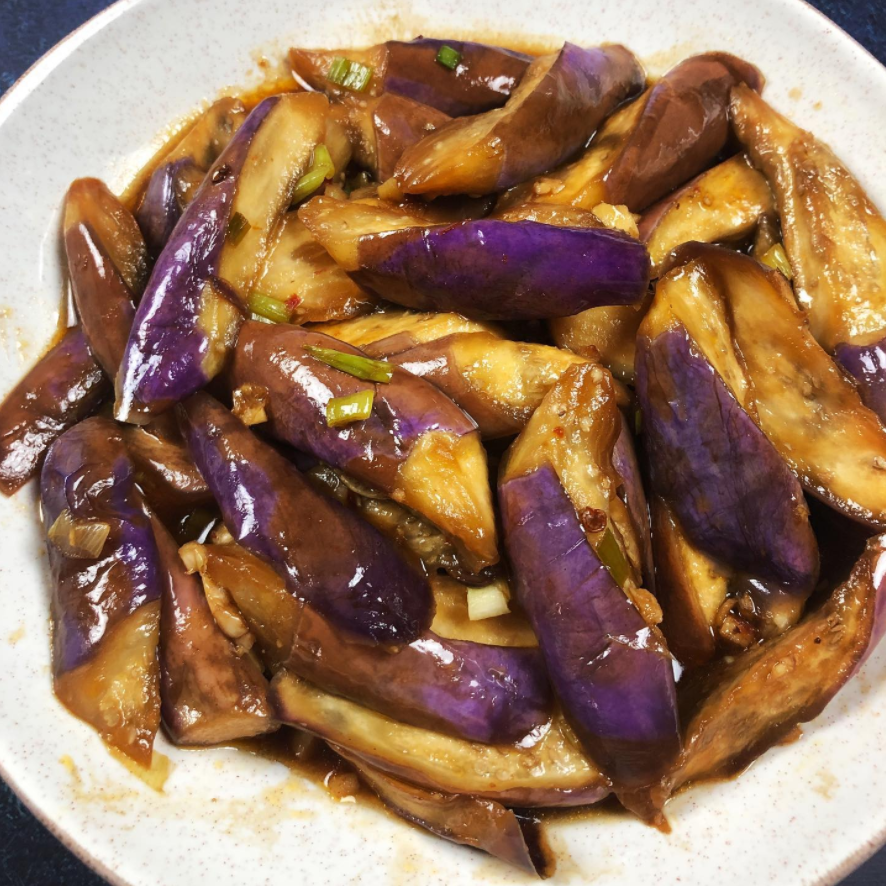
Can you describe how you achieve the cut that you show in the picture - not sure how you are slicing. Thanks!
Tina T says
Sure! I just slice it at an angle! Like a little bit diagonally. Not straight down at a 90 degree angle 🙂
Mila Duboff says
Eggplant has always intrigued me, but I have never managed to make it not soggy and with a soft and edible skin. Your advice about treating it in cold, then hot water really solved the problem, and though I used ordinary eggplant, the recipe was delicious! Almost as good as I have eaten in the best Chinese restaurants! Thank you, you will be in my "Favorites" forever!
Tina T. says
Aw that is so sweet, thank you!!! I'm glad that tip helped! It's what I always do when preparing eggplant dishes!
Cassandra says
That was delicious! And so quick and easy! Have made variations, but never parboiled the eggplant first. Not only less greasy, but sped up the cooking process. I added some green beans to the boiling water, and diced chile peppers and shiitake mushrooms to the pan. Only issue, I should have doubled the recipe as we both wanted more!
nourished roots says
The other night we had eggplant from a Thai restaurant and it was so yummy I have been craving it ever since. I was psyched to see this recipe because it will meet that craving so nicely! thanks for sharing!
Laura says
Just wanted to say I followed the recipe exactly. It was delicious! My first stab at cooking chinese eggplant and now I am hooked. I am also going to change how I add ginger and green onions to my stir fry now, doing it like this vs. adding as part of a blanched peanut-oil based sauce at the end. Thank you for sharing!
Adrian Fleur says
Hey there! Great recipe, and I hope to try it one day! I love it - Thailand has a similar aubergine/eggplant dish, except it uses oyster or mushroom sauce instead of soy, and tons of Thai basil instead of scallion. Some red chilli too. =)