
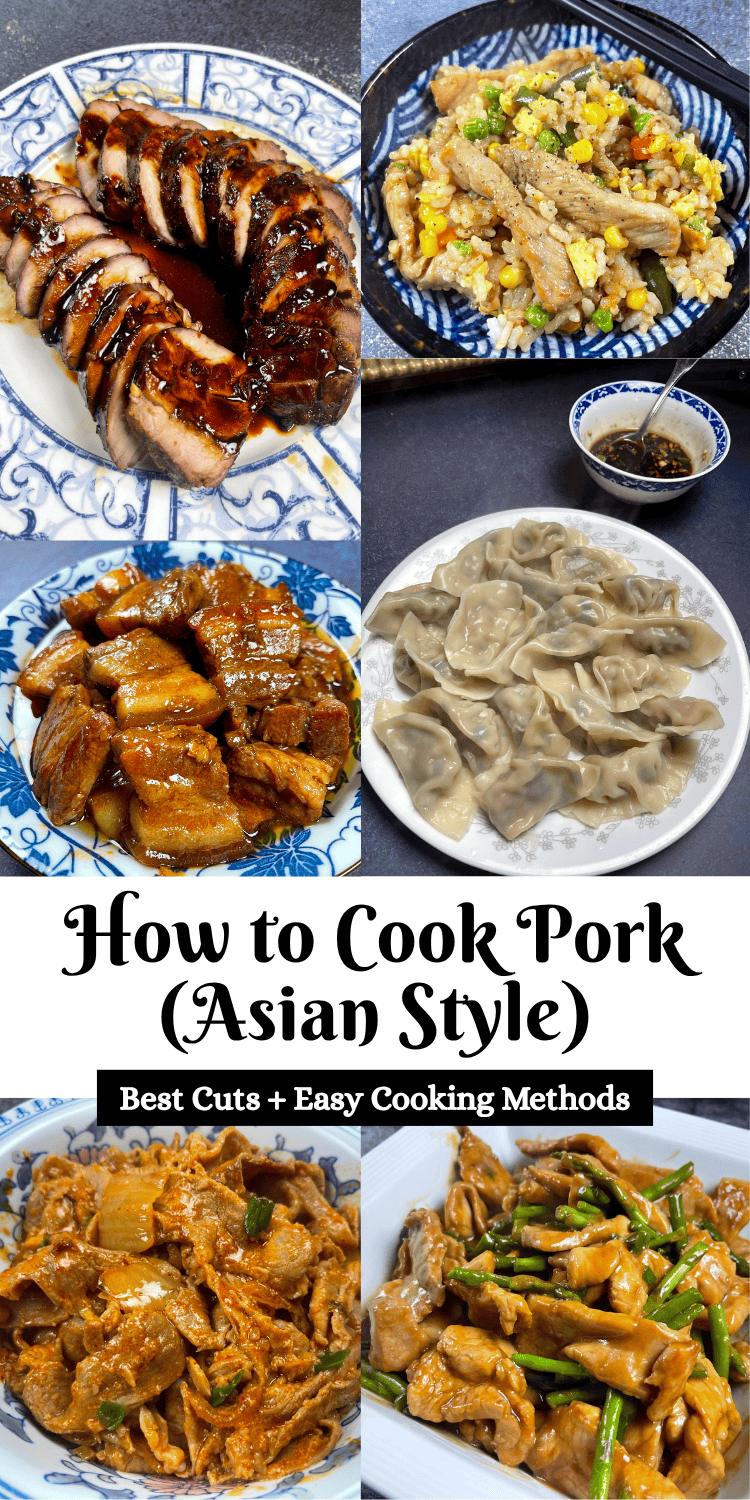
Pork is one of the most commonly used meats in Asian cooking... and for good reason! It's flavorful, versatile, and works in everything from quick stir fries to long, slow-braised dishes.
Jump to:
While chicken and beef tend to be more popular in the U.S., pork plays a much bigger role in many Asian cuisines, especially Chinese cooking. From dumplings and noodle dishes to comforting soups and rich braises, pork shows up everywhere and once you start cooking with it, it's easy to see why.
If you're new to cooking pork or just want more ideas, here's a simple guide to why it's so popular, the best cuts to use, and how to cook it at home.
Why Pork Is So Popular in Asian Cooking
There are a few reasons pork became such a staple in many Asian cuisines and a lot of it goes back to history and practicality.
It Was More Accessible Historically
In many parts of Asia, especially in China, pork was simply easier to raise than larger animals like cattle.
- Pigs require less space and can be raised in small farms or even backyard settings
- They eat a wide variety of foods, including scraps, which made them more practical for households
- Cattle were often used for labor (like farming), so they weren't commonly eaten
Because of this, pork became one of the most widely available and affordable meats for everyday cooking.
Why Beef Was Less Common (Especially in Taiwan)
Historically, beef wasn't eaten as often in places like Taiwan and parts of China.
This is partly because cattle were traditionally used for farming - helping plow fields and support agriculture - so they were considered too valuable to eat regularly. In some cases, there were even cultural or religious influences that discouraged eating beef.
Because of this, pork became a much more common everyday meat, especially in home cooking.
Today, beef is widely eaten, but pork still remains one of the most commonly used meats in many Asian cuisines.
It Fits Naturally Into Agricultural Life
In traditional farming communities, nothing went to waste and pigs were incredibly efficient for that system.
They could:
- Eat leftover food and agricultural byproducts
- Be raised alongside crops like rice and vegetables
- Provide a reliable source of protein for families
Over time, this made pork a natural part of daily meals.
A Fun Cultural Note About "Meat" (肉)
Here's something interesting: in Chinese cooking, the word "meat" (肉) often refers to pork by default.
So when you see a dish name that just says "meat," it's very often pork unless specified otherwise (like beef 牛肉 or chicken 雞肉).
That really shows how deeply pork is embedded in everyday cooking - it's not just common, it's almost the default.
It's Incredibly Versatile
Beyond history, pork also just works really well in cooking:
- It has a great balance of meat and fat, which adds flavor
- Different cuts can be used in completely different ways
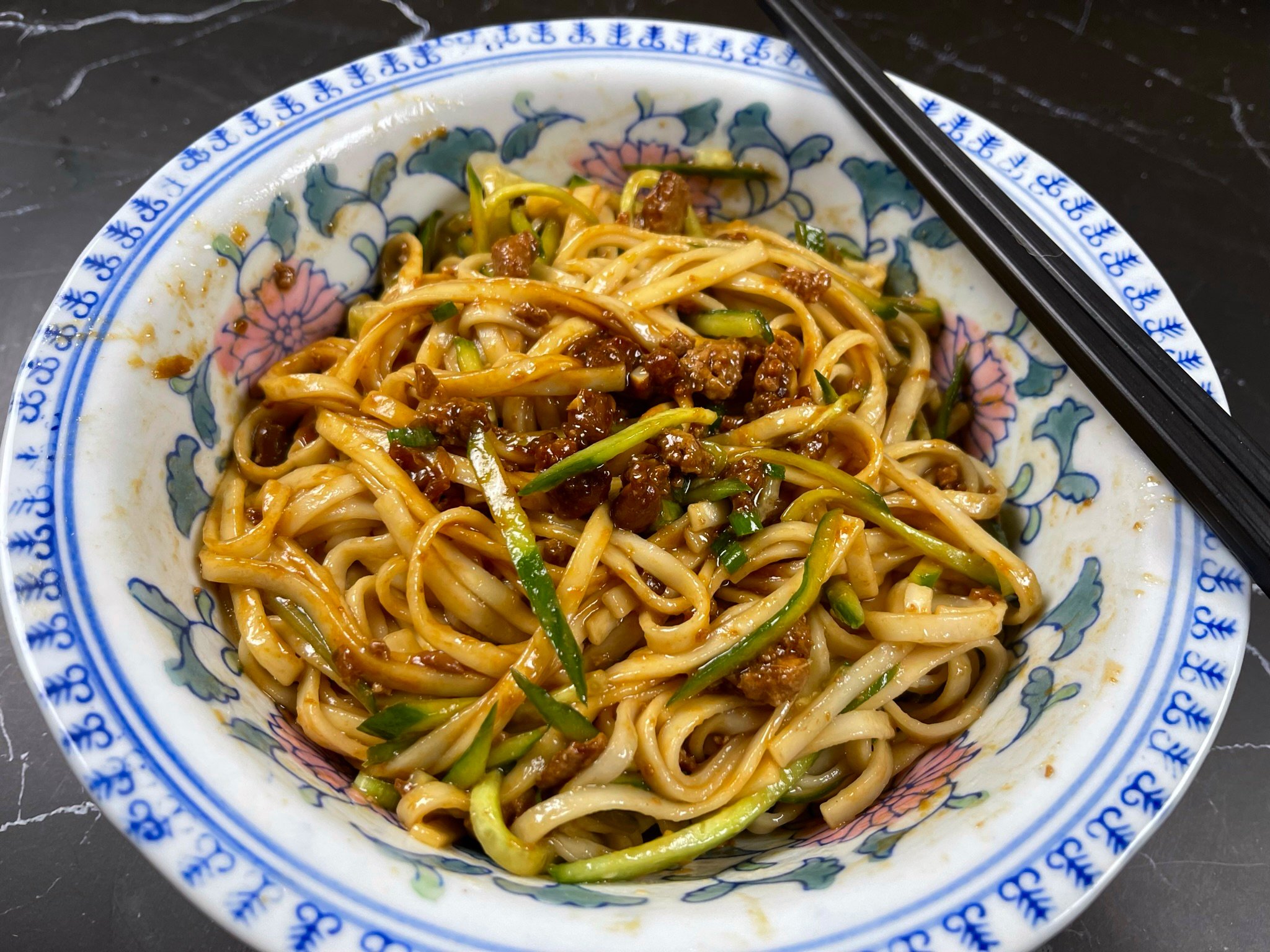
- It works in everything from dumplings and stir fries to soups and braises
It Pairs Well With Bold Flavors
A lot of Asian cooking uses strong, aromatic ingredients like garlic, ginger, soy sauce, and fermented sauces and pork absorbs all of it beautifully.
Common Cuts of Pork (and How to Use Them)
If you've ever felt unsure about what cut to buy, this is the part that helps the most.
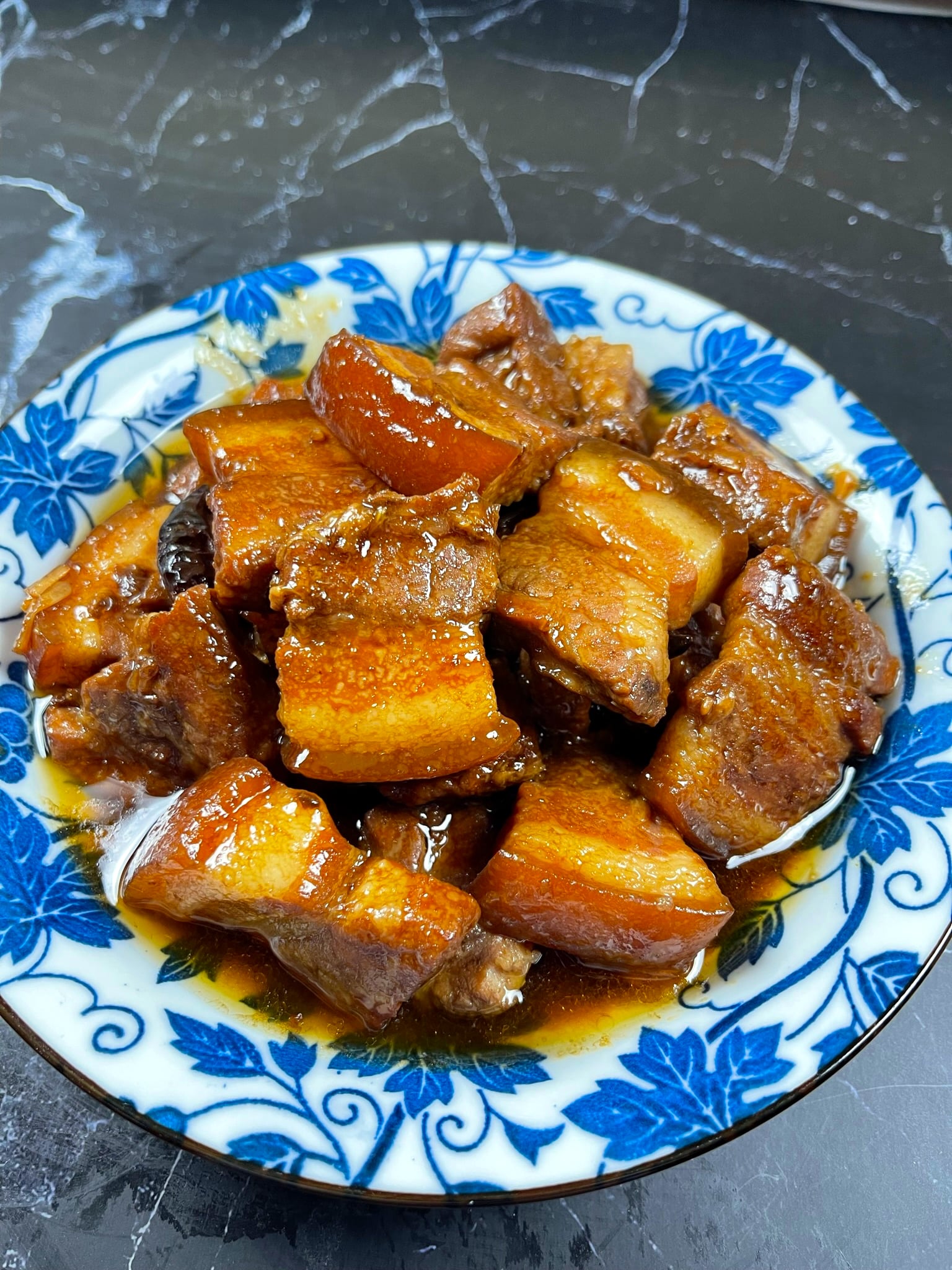
Pork Belly (五花肉)
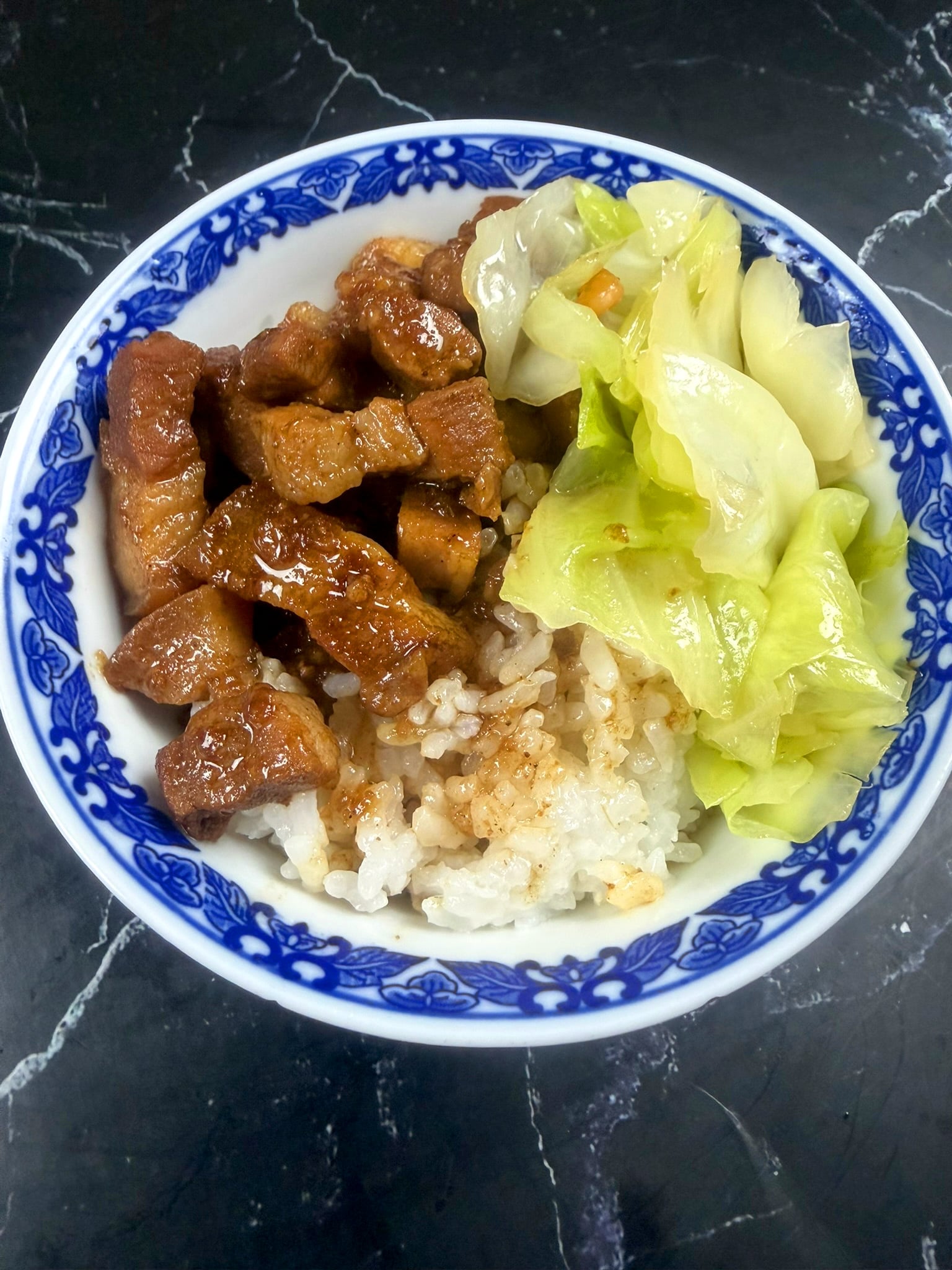
- Rich, fatty, and super flavorful
- Best for braising or slow cooking
- Used in classic dishes like 紅燒肉 and 東坡肉
Pork Shoulder / Pork Butt
- Slightly less fatty but still very tender
- Great for slow cooking, braises, and shredded pork
- Very forgiving and hard to overcook
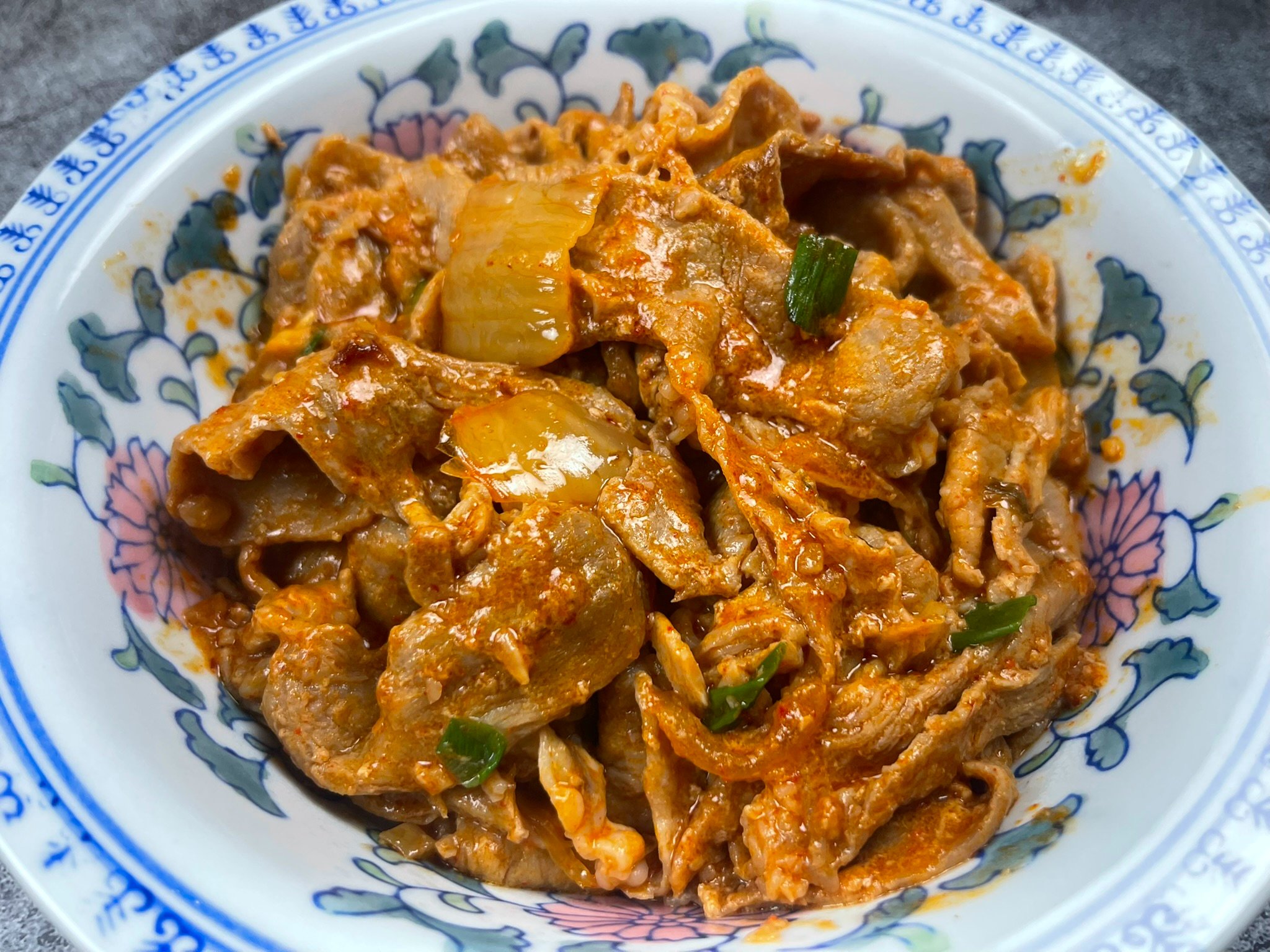
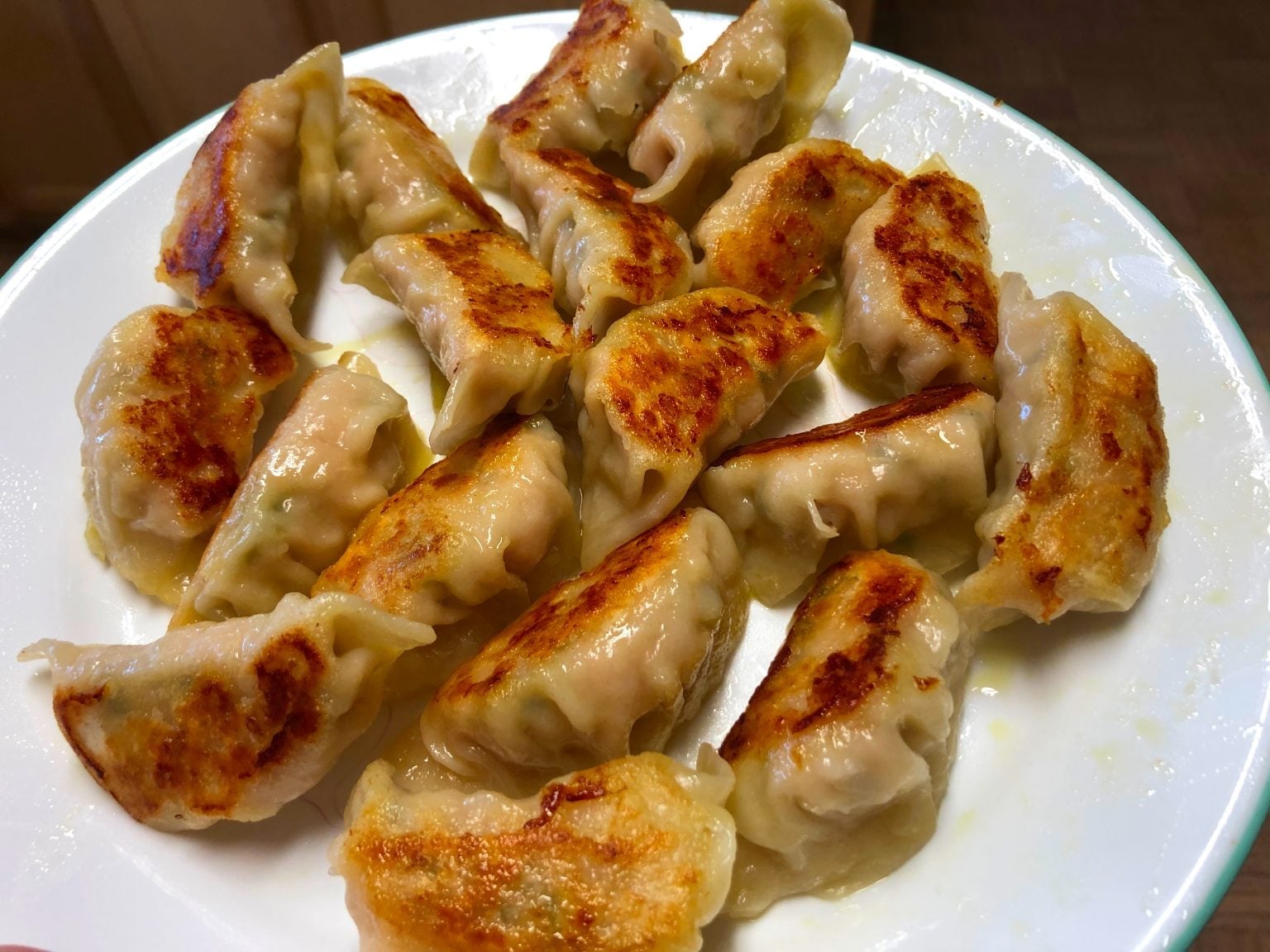
Ground Pork
- One of the most commonly used forms of pork in Asian cooking
- Perfect for dumplings, wontons, noodle dishes, and stir fries
- Cooks quickly and absorbs flavor well
Pork Loin / Tenderloin
- Leaner cut
- Best for quick cooking like stir frying or pan frying
- Slice thinly so it stays tender
If you're using pork loin or tenderloin for stir fry, I recommend marinating it first. A simple pork stir fry marinade helps keep lean pork tender, juicy, and flavorful during high-heat cooking.If you're using pork loin or tenderloin for stir fry, I recommend marinating it first. A simple pork stir fry marinade helps keep lean pork tender, juicy, and flavorful during high-heat cooking.

Best Ways to Cook Pork
One of the best things about pork is how many different ways you can cook it:
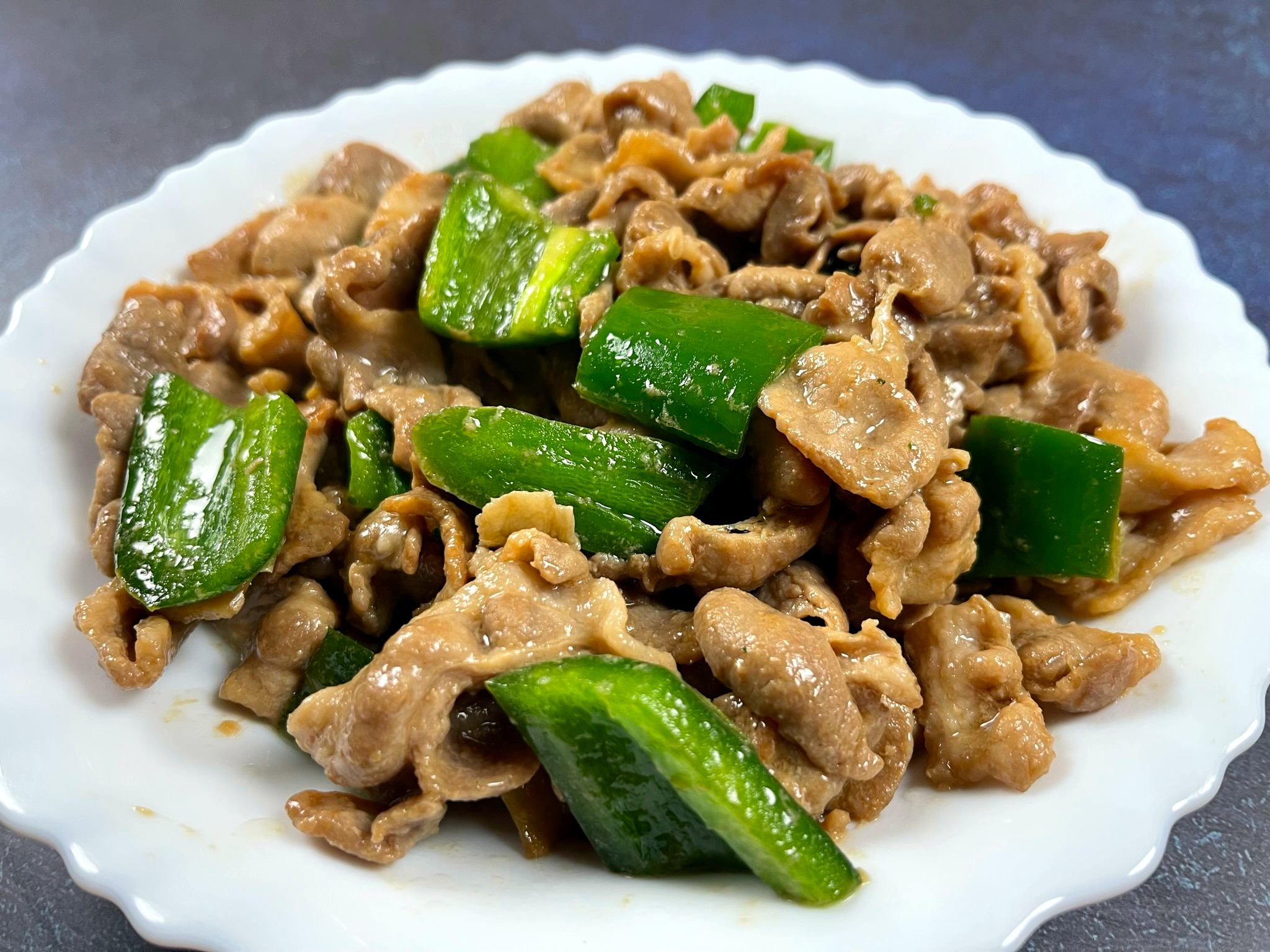
Stir Fry
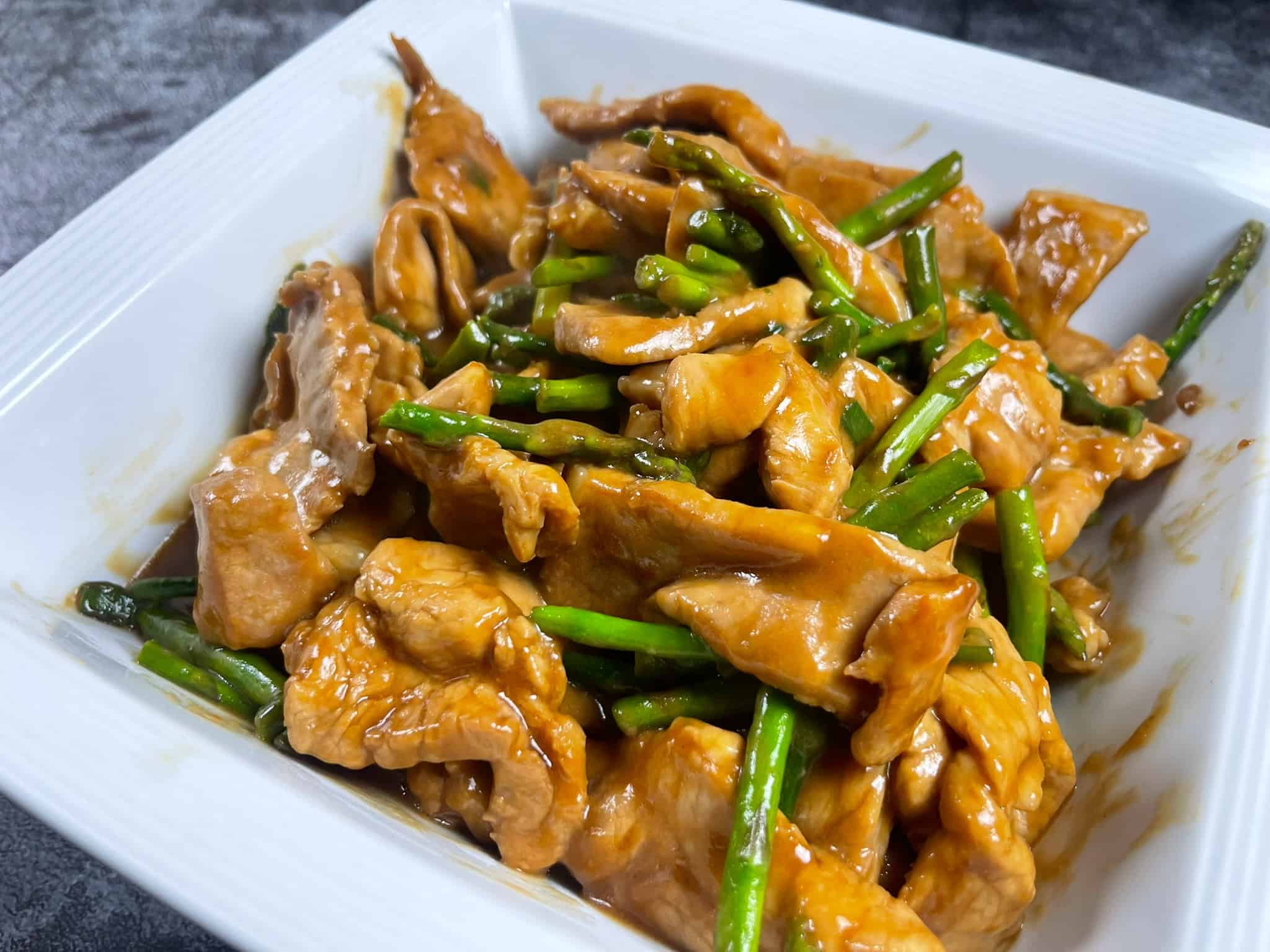
Thinly sliced pork cooked quickly over high heat. Great for weeknight meals and pairs well with veggies like cabbage, peppers, snow peas, and mushrooms.
For the best texture, slice the pork thinly and marinate it before cooking. I use a simple pork stir fry marinade with soy sauce, cornstarch, oil, sugar, and rice wine or rice vinegar to help keep the pork tender and flavorful.
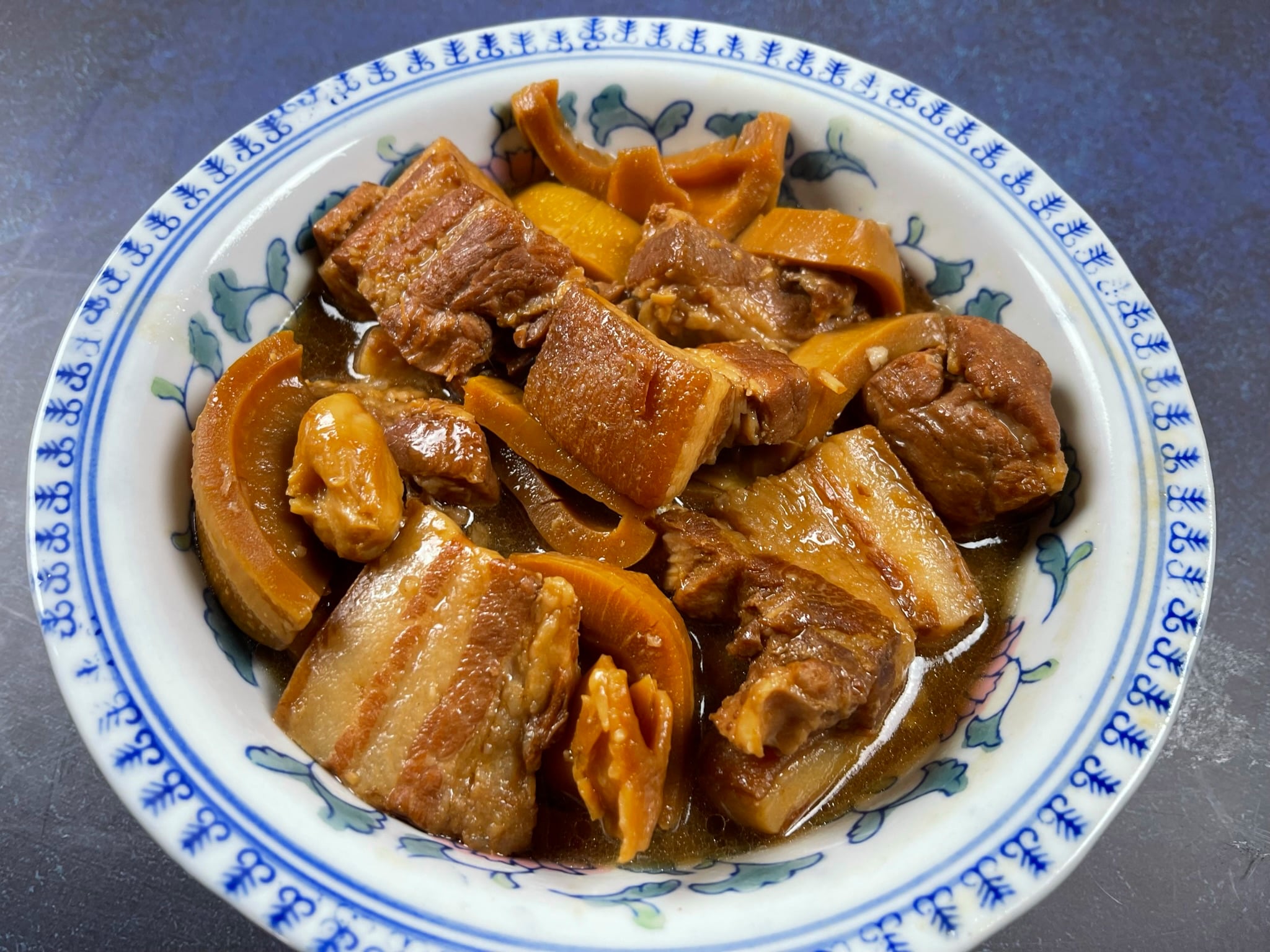
Braising (紅燒 / Red-Braised Cooking)
Pork simmered slowly in soy sauce, sugar, and aromatics.
This is how you get that super tender, melt-in-your-mouth texture.
Popular examples:
- 紅燒肉 (Red Braised Pork)
- 東坡肉 (Dongpo Pork)
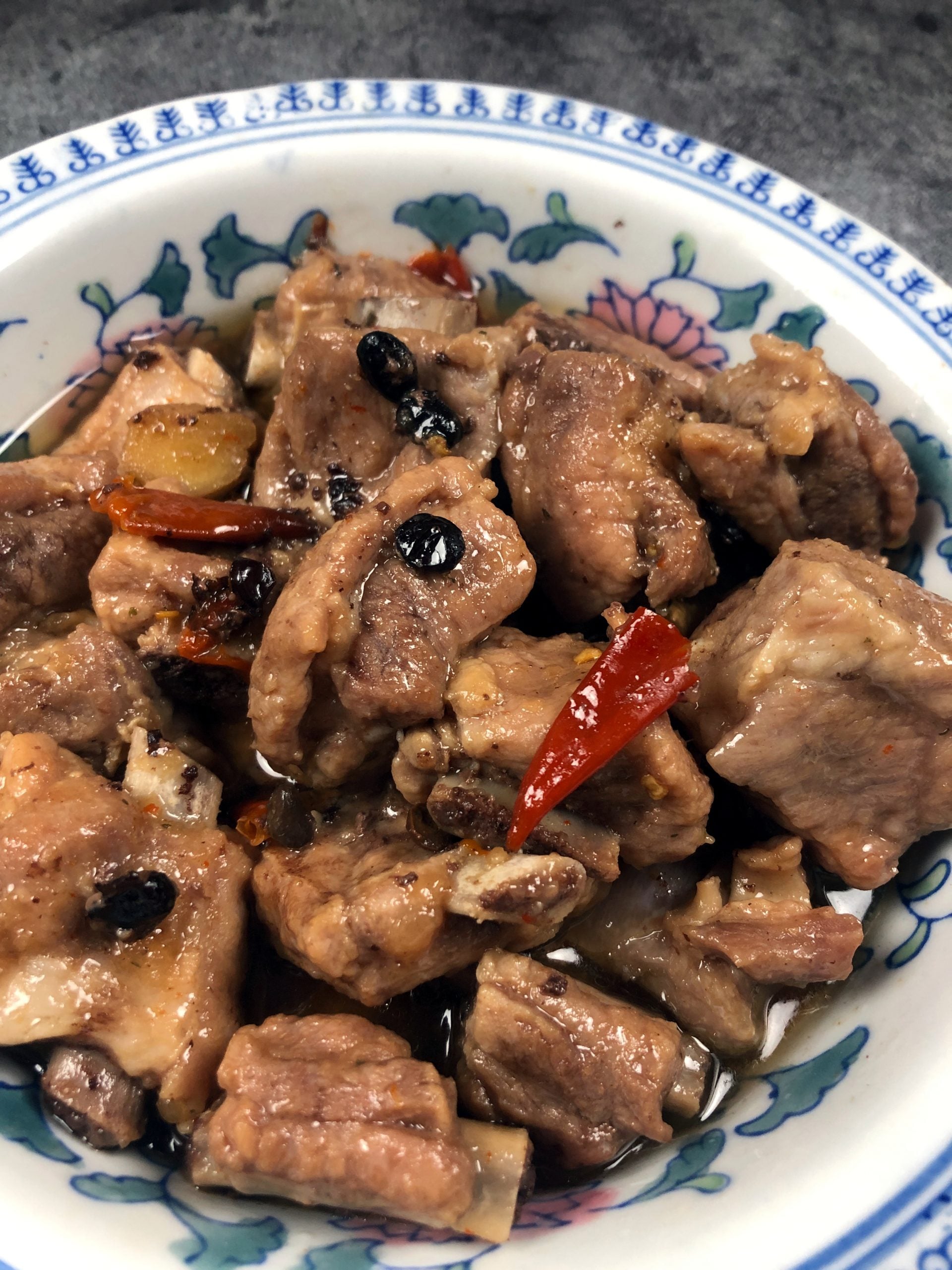
Steaming
A common home-style method that keeps pork tender and juicy.
Often combined with fermented ingredients like black beans or preserved vegetables.
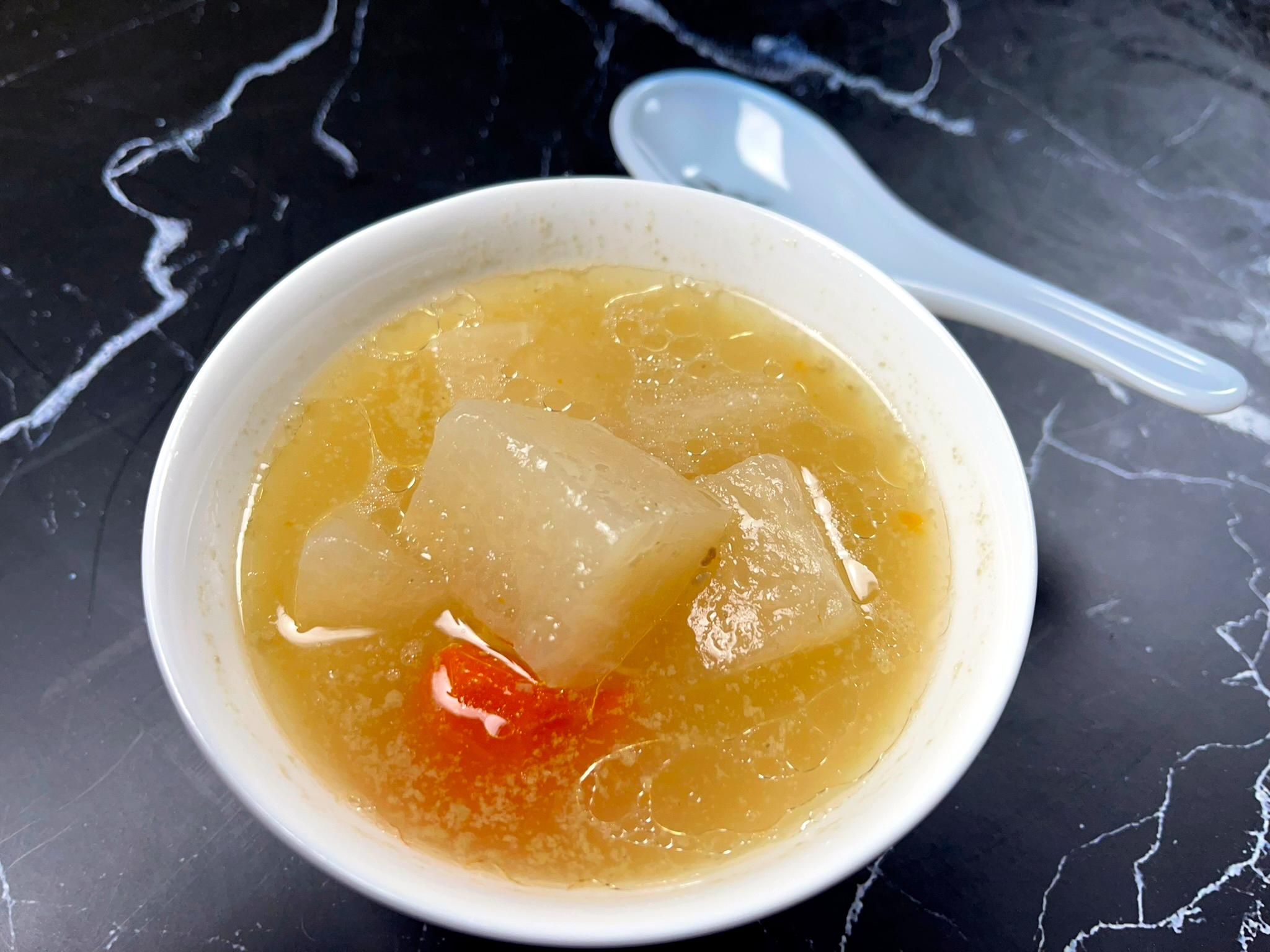
Soups
Pork bones or pieces are simmered to create rich, comforting broths.
Think pork bone soups with daikon, corn, or noodles.
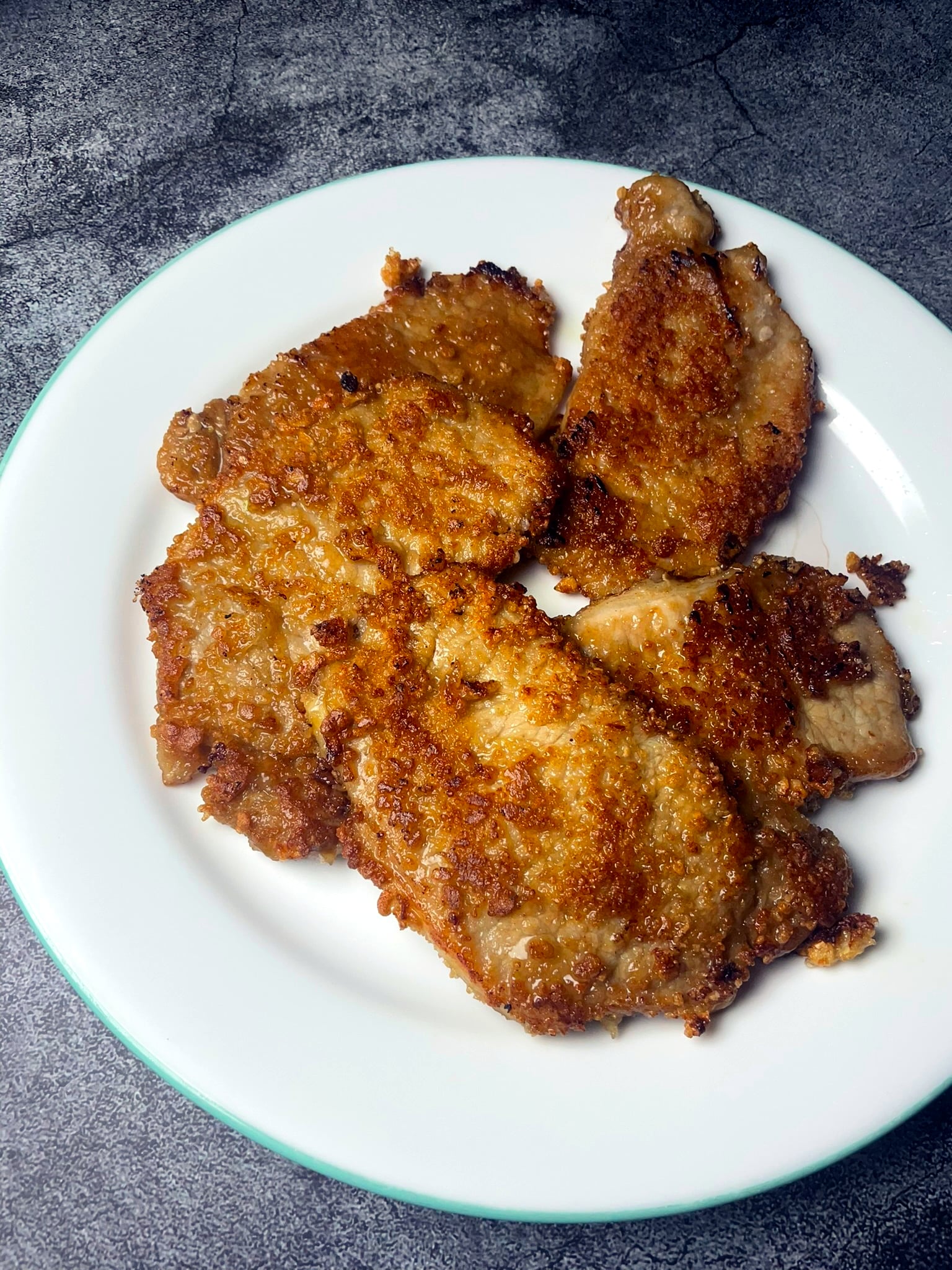
Pan Frying / Crispy Pork
Used for dishes like Taiwanese pork chops or crispy pork belly.
Crispy on the outside, juicy on the inside.
Easy Pork Recipes to Try at Home
If you're ready to start cooking, here are a few easy recipes from my site:
- Pork Fried Rice
- Japanese Ginger Pork Stir Fry (Shogayaki Recipe)
- Savory Ground Pork with Napa Cabbage
- Spicy Kimchi Pork Stir Fry with Gochujang
- Taiwanese Pork Chop
- Pork and Chives Dumplings
👉 Looking for more ideas? Check out my full list here: 20+ Chinese Pork Recipes
Final Thoughts
Pork is such a staple in Asian cooking because it's practical, flavorful, and incredibly flexible. Whether you're making a quick stir fry or a slow-braised dish, it's an easy way to add depth and richness to your cooking.
If you don't cook with pork often, this is a great place to start - you might end up using it a lot more than you expect.
The Rowdy Chowgirl says
Mmm...looks so good!
ohsnapitstina says
It is! Pork belly is now gaining some popularity here in the States. If you haven't had it before I recommend at least trying it once 🙂 Thanks for stopping by!