
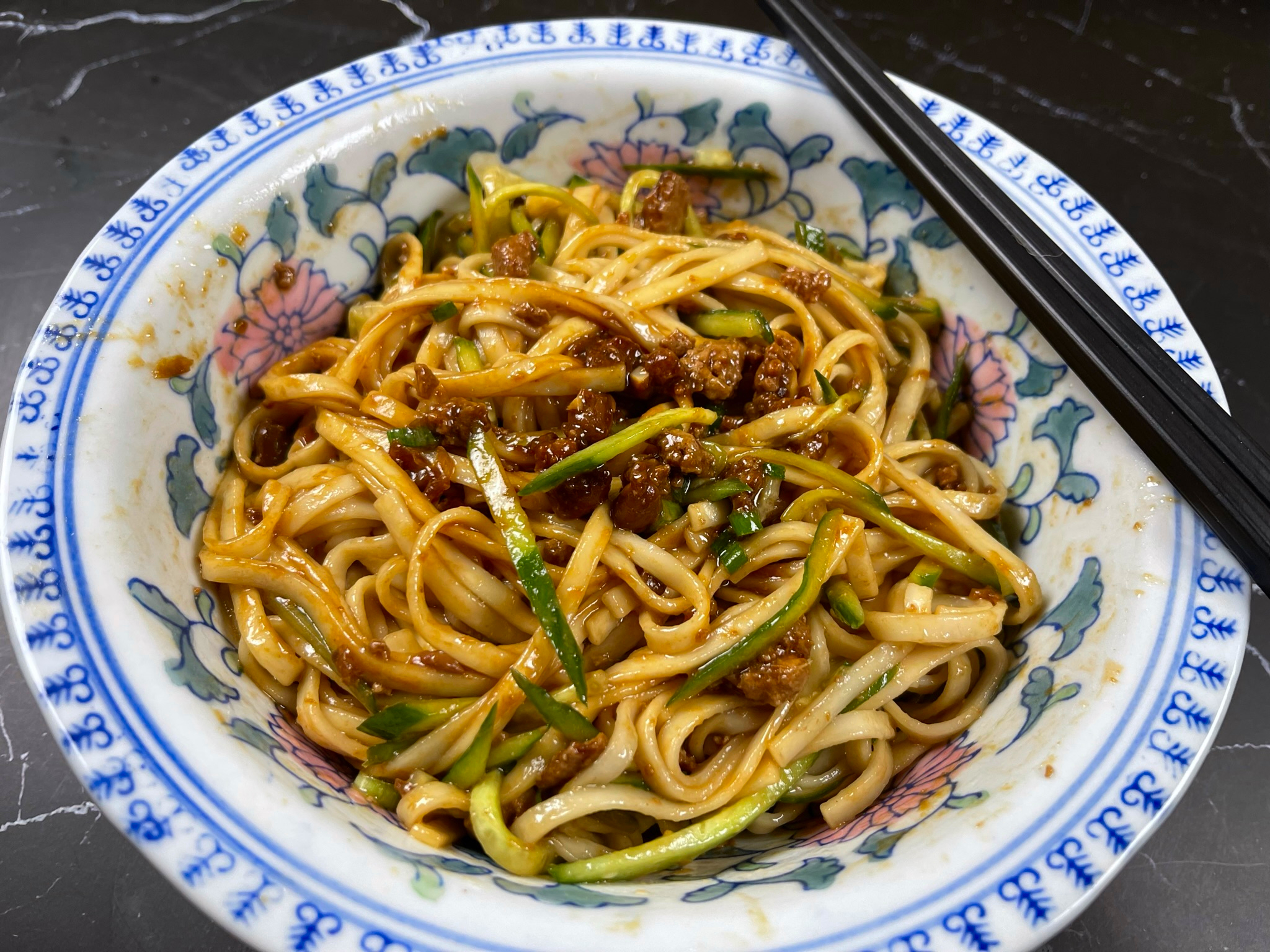
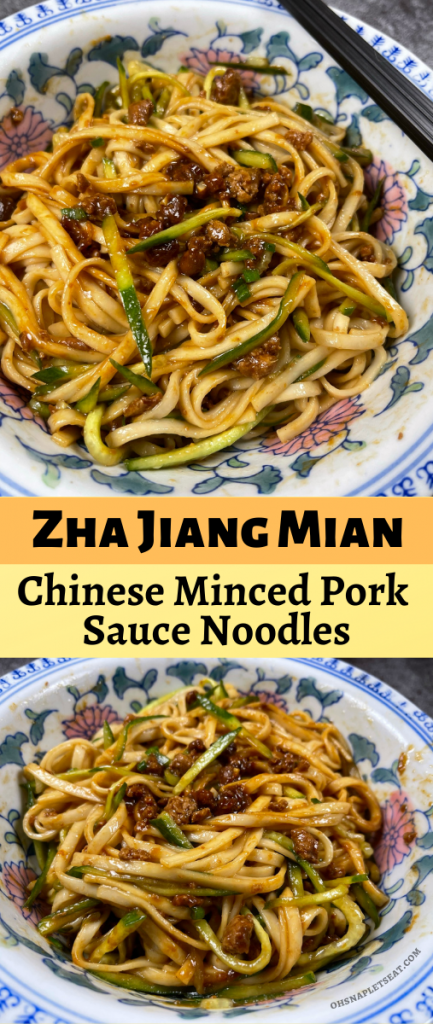
Have you ever had Zha Jiang Mian (炸醬麵)? These classic Chinese fried sauce noodles are savory, comforting, and surprisingly easy to make at home. Ground pork is stir-fried with ginger, garlic, green onions, and fermented bean sauces, then spooned over chewy wheat noodles and topped with crisp julienned cucumber.
Jump to:
- What is Zha Jiang Mian?
- Zha Jiang Mian vs. Jajangmyeon
- Key Ingredients (And Why They Matter)
- How to make Zha Jiang Mian (Step by Step)
- Storage & Reheating
- Frequently Asked Questions (FAQ)
- Zha Jiang Mian Recipe (Zhajiangmian) – Chinese Pork Noodles with Fried Sauce
- More Delicious Noodle Recipes
- Pin for later!
My mom's friend from Beijing showed me how she makes zhajiangmian at home. I've since written out and adjusted the ingredient amounts to make the recipe easier to follow and balanced for home cooking.
One of my favorite things about this dish is that the sauce is easy to make in a larger batch. If you like to meal prep, you can double the sauce recipe, store it in the fridge or freezer, and cook fresh noodles whenever you want a bowl of zhajiangmian.
What is Zha Jiang Mian?
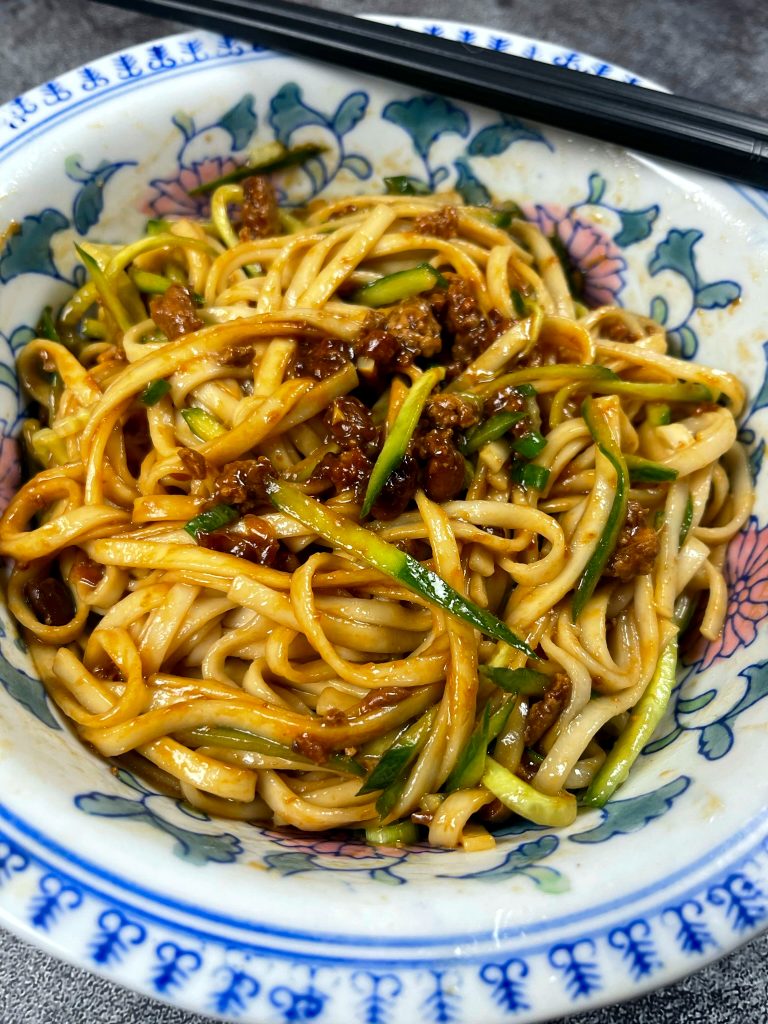
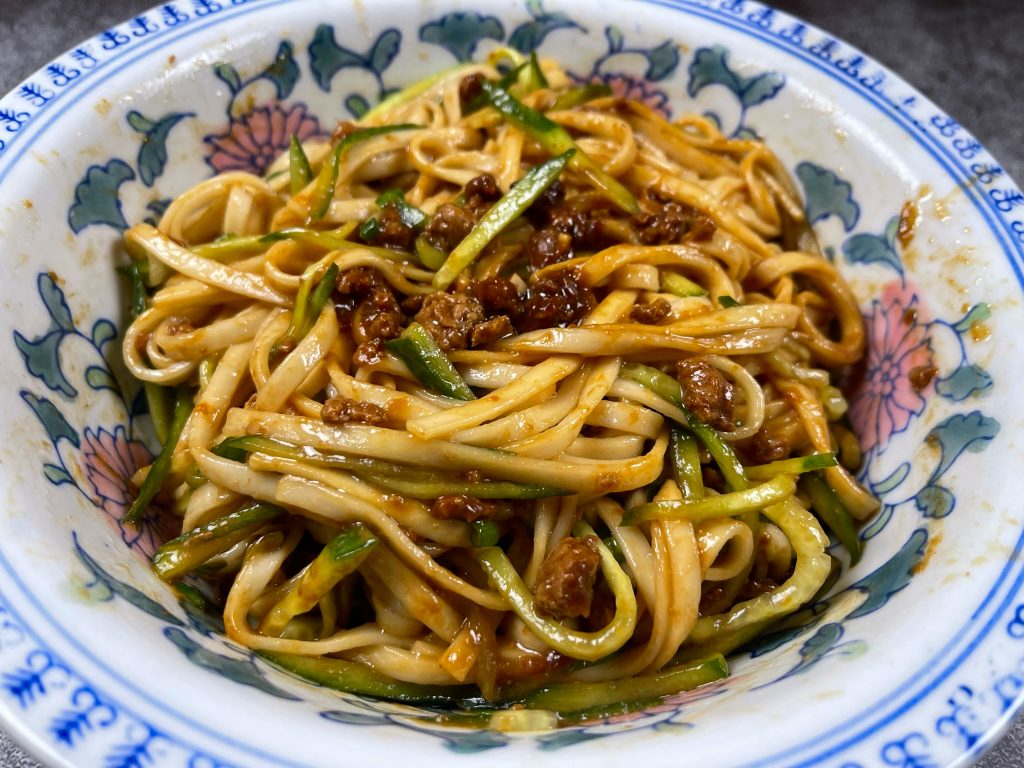
Zha Jiang Mian (炸醬麵) is a northern Chinese noodle dish made with wheat noodles topped with a fried bean-paste pork sauce and fresh vegetables, most commonly cucumber.
In Mandarin:
- Zha (炸) = fried
- Jiang (醬) = sauce
- Mian (麵) = noodles
So the name literally translates to "fried sauce noodles."
This dish is especially popular in Beijing and northern China, where wheat-based noodles are more common than rice.
Zha Jiang Mian vs. Jajangmyeon
Zha Jiang Mian is often compared to the Korean dish jajangmyeon, and while the names sound similar, the flavors are quite different.
- Zha Jiang Mian (Chinese) uses yellow soybean paste (黃豆醬) and sweet bean sauce, resulting in a savory, salty, and deeply umami sauce.
- Jajangmyeon (Korean) uses fermented black bean paste and is typically sweeter, darker, and served with more sauce.
Same idea, different traditions.
Key Ingredients (And Why They Matter)
Some info about the ingredients that might be helpful:
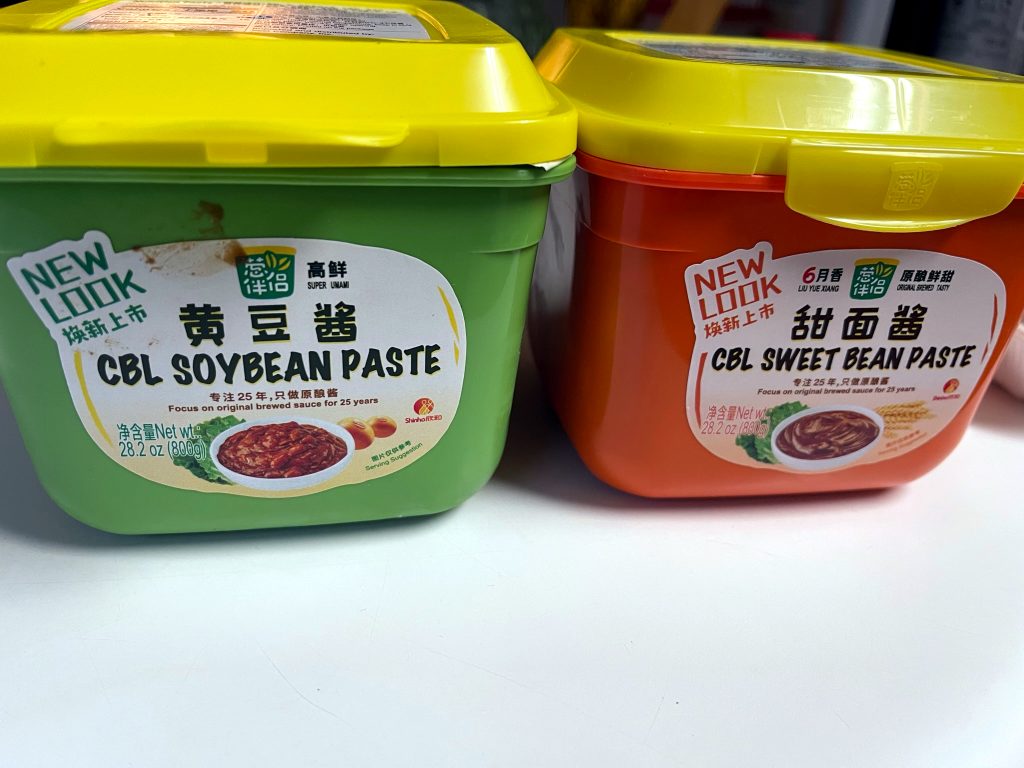
Yellow Soybean Paste (黃豆醬 / Huangdou Jiang)
This fermented paste made from yellow soybeans is the backbone of zhajiang sauce. It's widely used in northern Chinese cooking and varies by brand in saltiness, so tasting and adjusting is key.
Sweet Bean Sauce (甜麵醬 / Tian Mian Jiang)
Thick, dark, and slightly sweet, this sauce balances the saltiness of the soybean paste. A little goes a long way - it's meant to round out the flavor, not overpower it.
Wheat Noodles
Traditional zhajiangmian uses wheat noodles. Egg noodles also work well. Rice noodles or glass noodles won't give you the same texture and aren't recommended if you want to stay authentic.
How to make Zha Jiang Mian (Step by Step)
This recipe is written for 4 servings, but one of the best things about zhajiangmian is that the sauce is easy to scale. If you want to meal prep, you can double the sauce and store it in the fridge or freezer, then cook fresh noodles whenever you want a bowl.
The sauce is rich and savory, so a little goes a long way - start with a small amount per bowl and add more to taste.
Gather your Ingredients
- Zhajiang Sauce (4 servings)
- 1 tablespoon cooking oil
- 1 tablespoon minced ginger
- 1 tablespoon minced garlic
- ¼ cup chopped green onions (white + light green parts)
- ½ lb ground pork
- ¼ cup yellow soybean paste (黃豆醬 / Huangdou Jiang)
- 2 tablespoons sweet bean sauce (甜麵醬 / Tian Mian Jiang)
- ¼-⅓ cup water or stock
- 1-2 teaspoons sugar (optional, to balance saltiness)
- For Each Bowl
- 2 oz dry wheat noodles (or egg noodles)
- ½ medium cucumber, julienned
- 1 teaspoon sesame oil (optional)
- 1 tablespoon chopped green onions (optional)
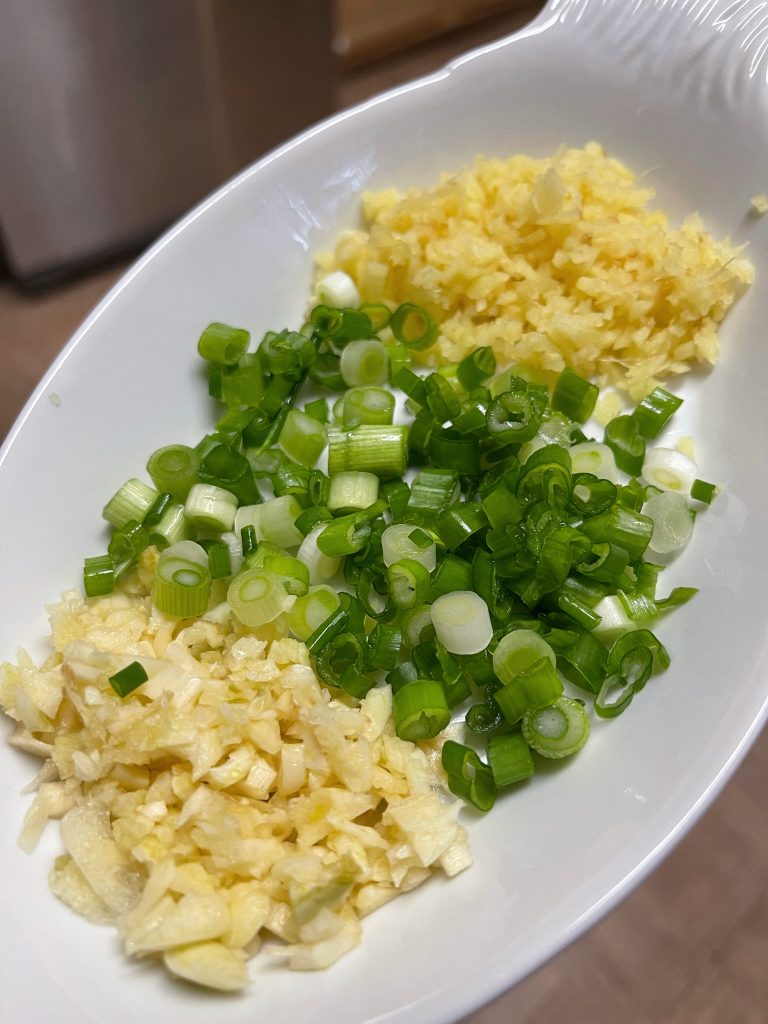
Prep the aromatics
Mince the garlic and ginger, and chop the green onions. Set aside.
Heat the oil
Heat the cooking oil in a wok or large pan over medium heat.
Cook the aromatics
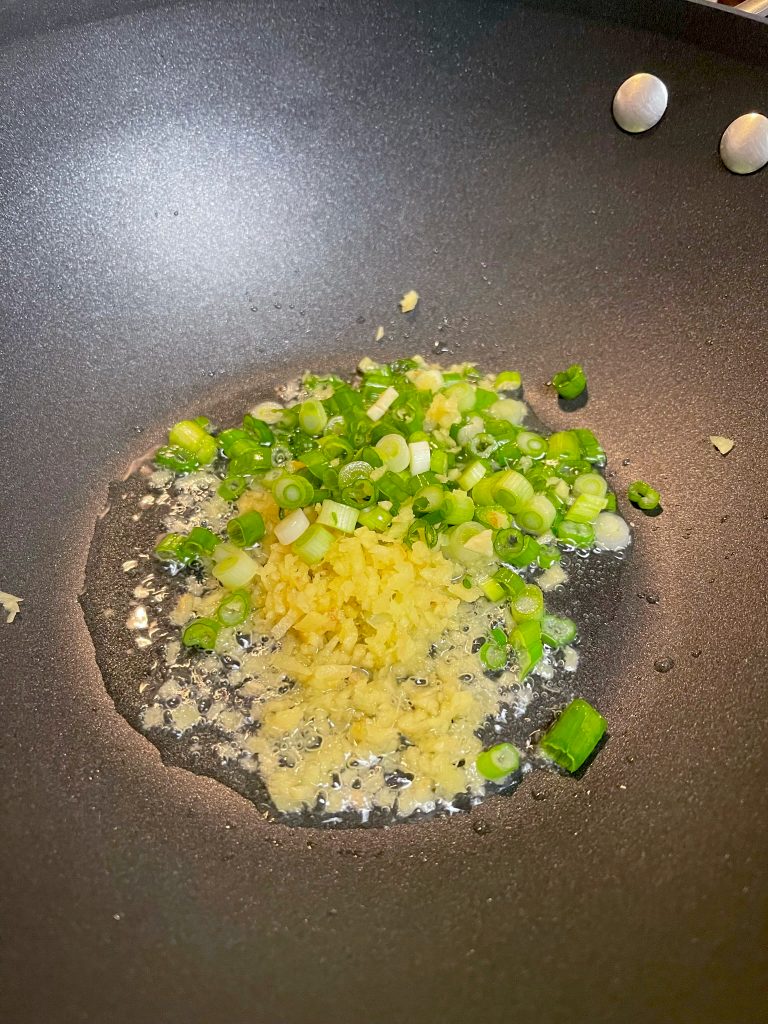
Add the ginger and green onions (hold the garlic for later). Stir-fry for 30-60 seconds, just until fragrant.
Brown the pork
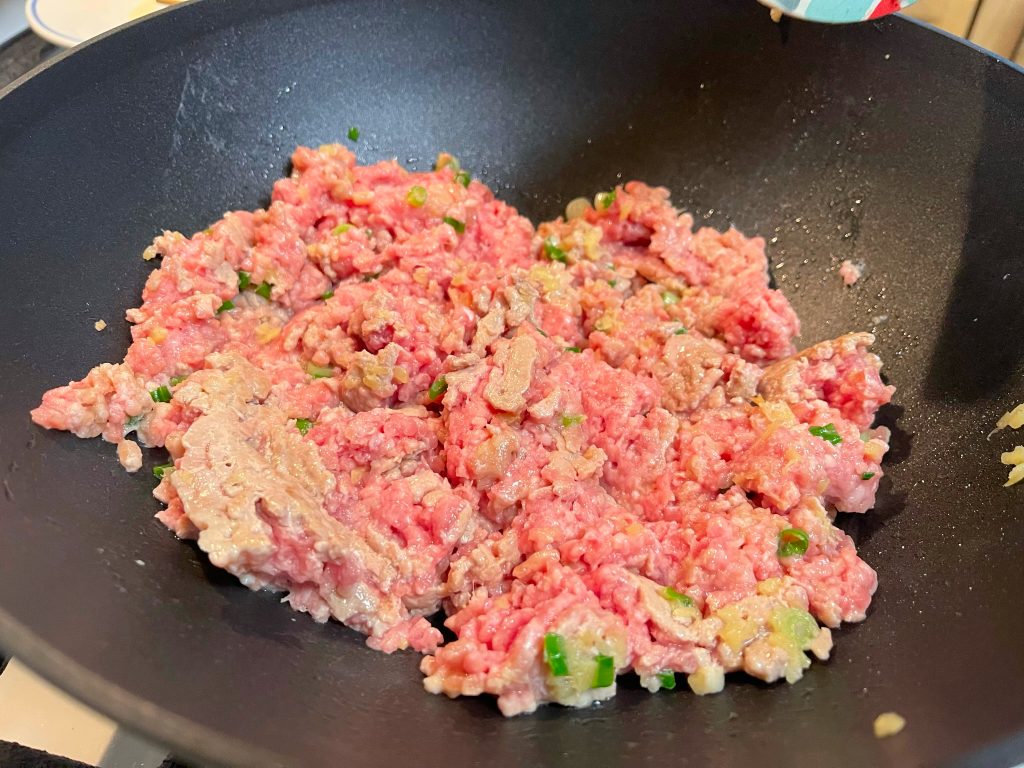
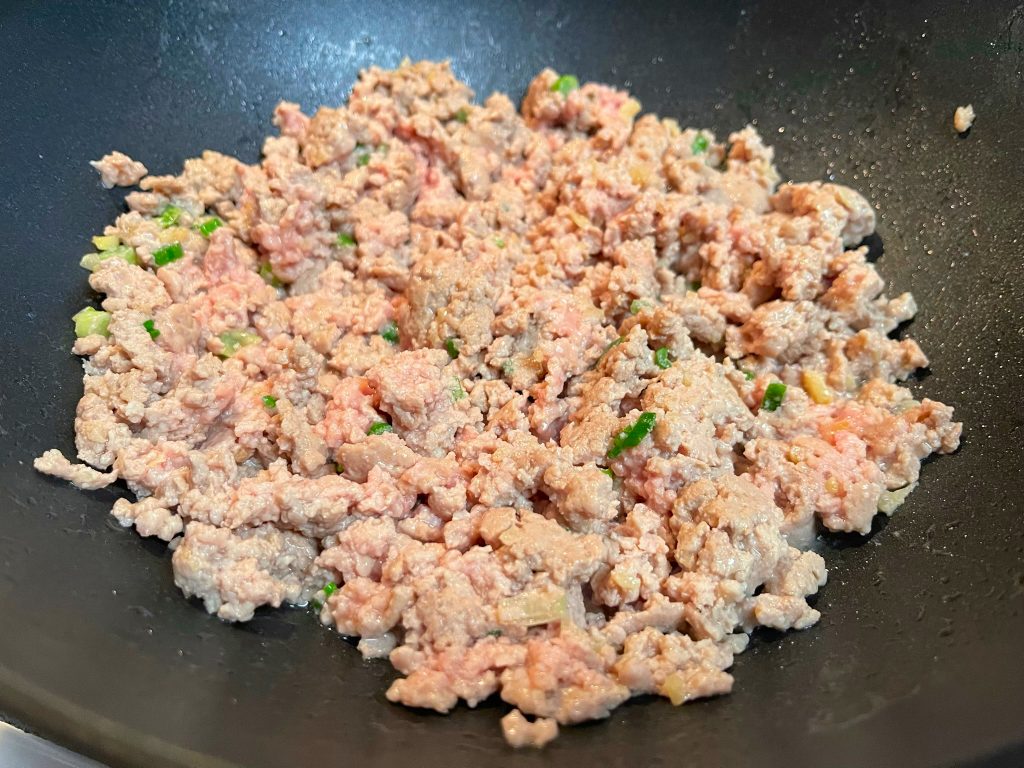
Add the ground pork. Use a spatula to break it into small pieces and cook until no longer pink and lightly browned.
Add the bean sauces
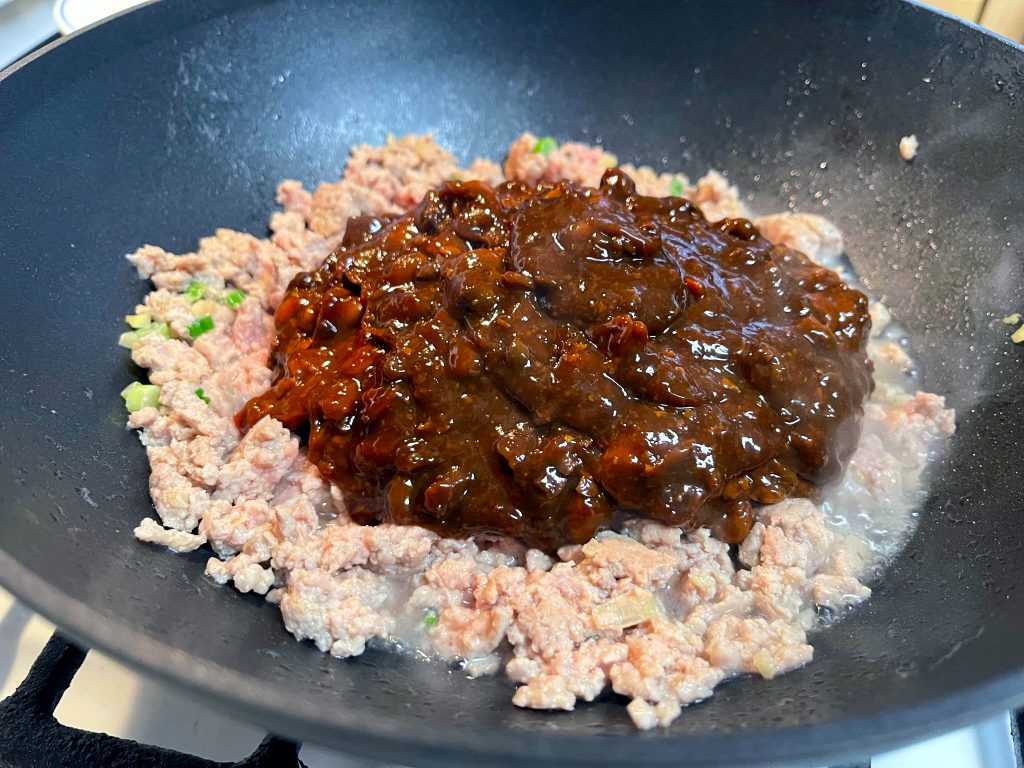
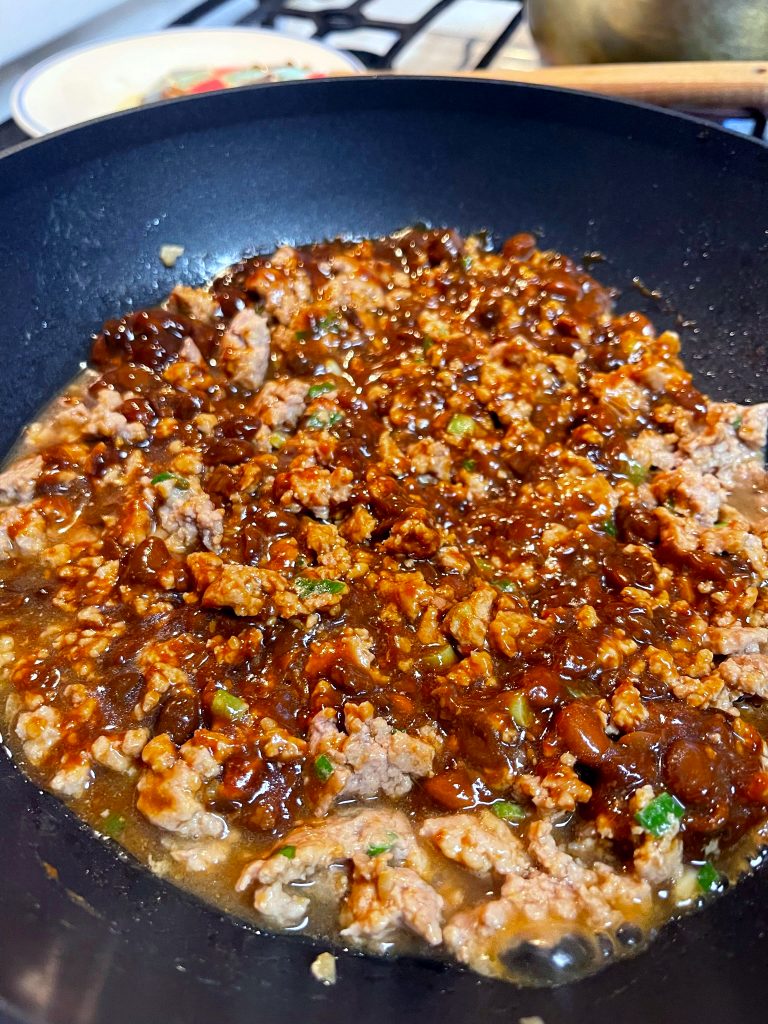
Lower the heat to medium-low. Add the yellow soybean paste and sweet bean sauce, stirring well so the pork is evenly coated.
Loosen the sauce
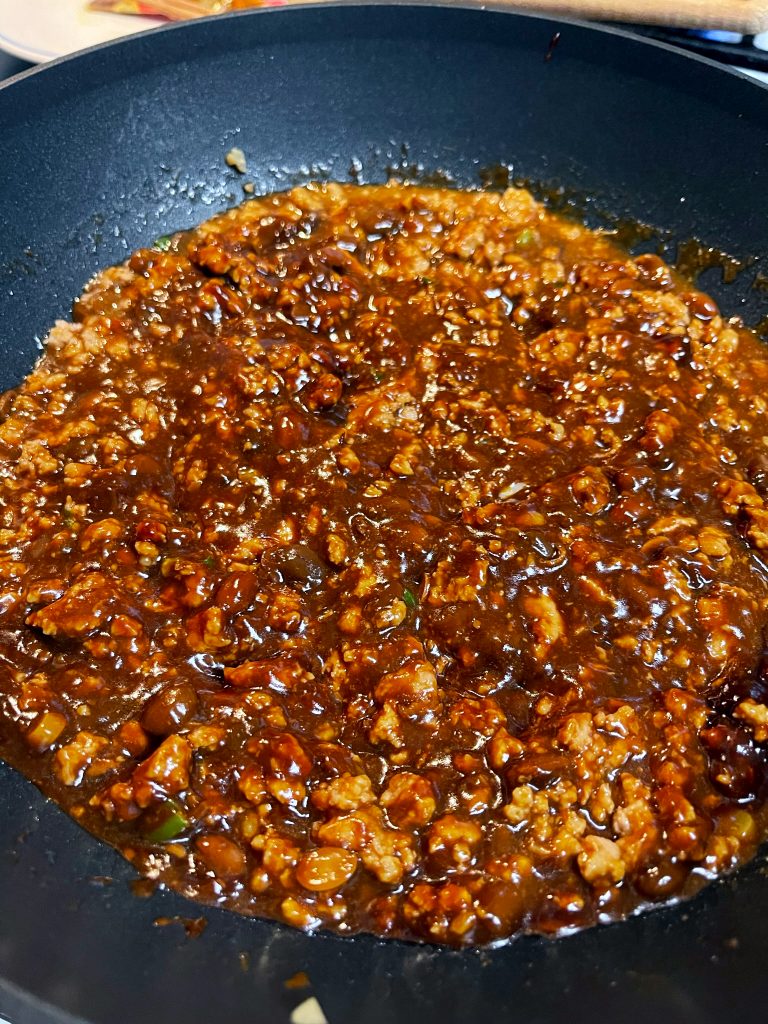
Gradually add the water or stock, stirring until the sauce becomes thick but spoonable, not dry or pasty.
Simmer
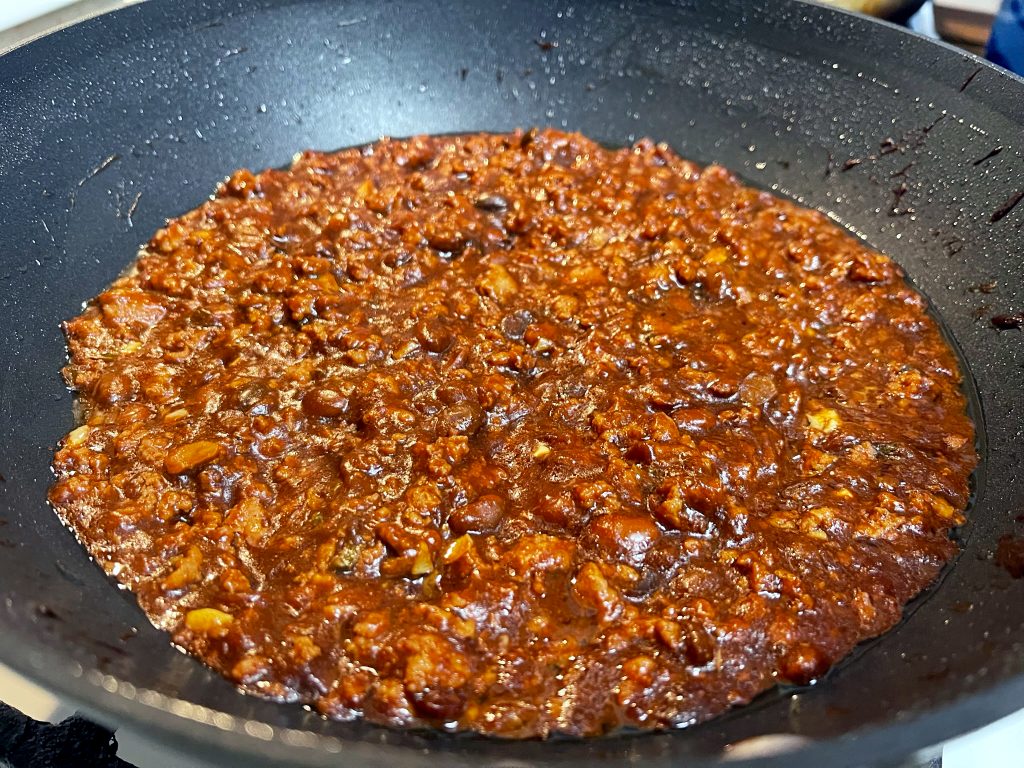
Let the sauce gently simmer for 5-8 minutes, stirring occasionally so it doesn't stick. Taste and add sugar if needed to balance saltiness.
Finish with garlic
Stir in the minced garlic during the last minute of cooking, then remove from heat.
Cook the noodles
While the sauce simmers, cook the noodles according to package instructions. Drain well.
Assemble the bowls
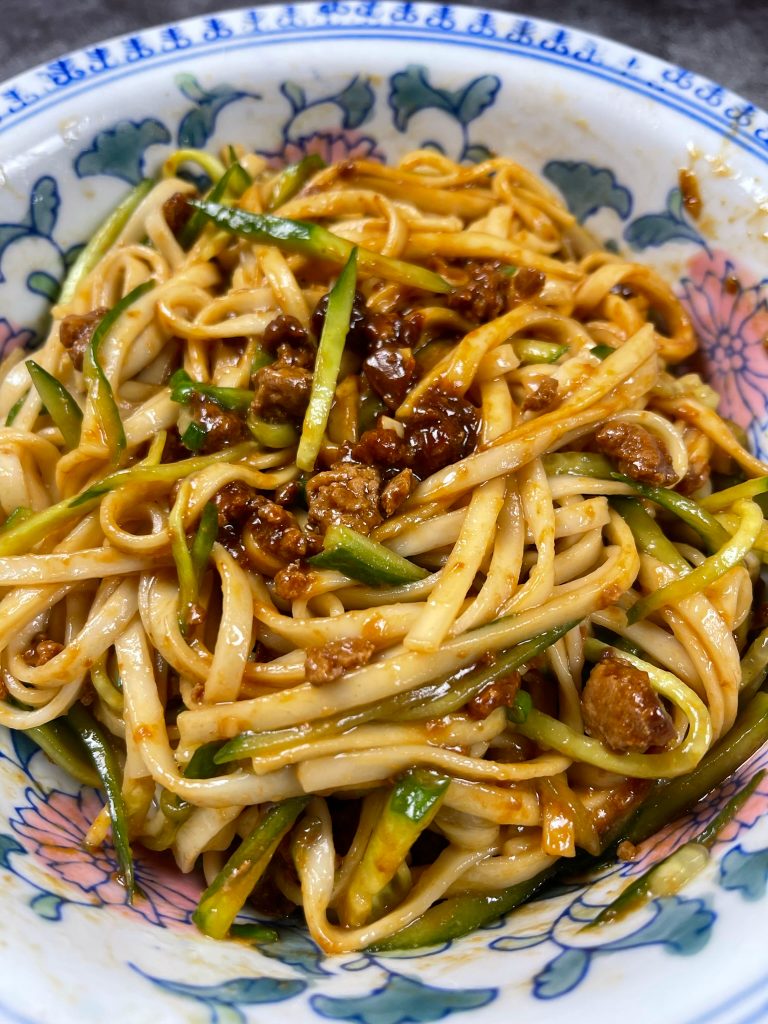
Divide noodles into bowls. Top with 2-3 tablespoons of zhajiang sauce and julienned cucumber. Add sesame oil and green onions if desired. Toss well before eating.
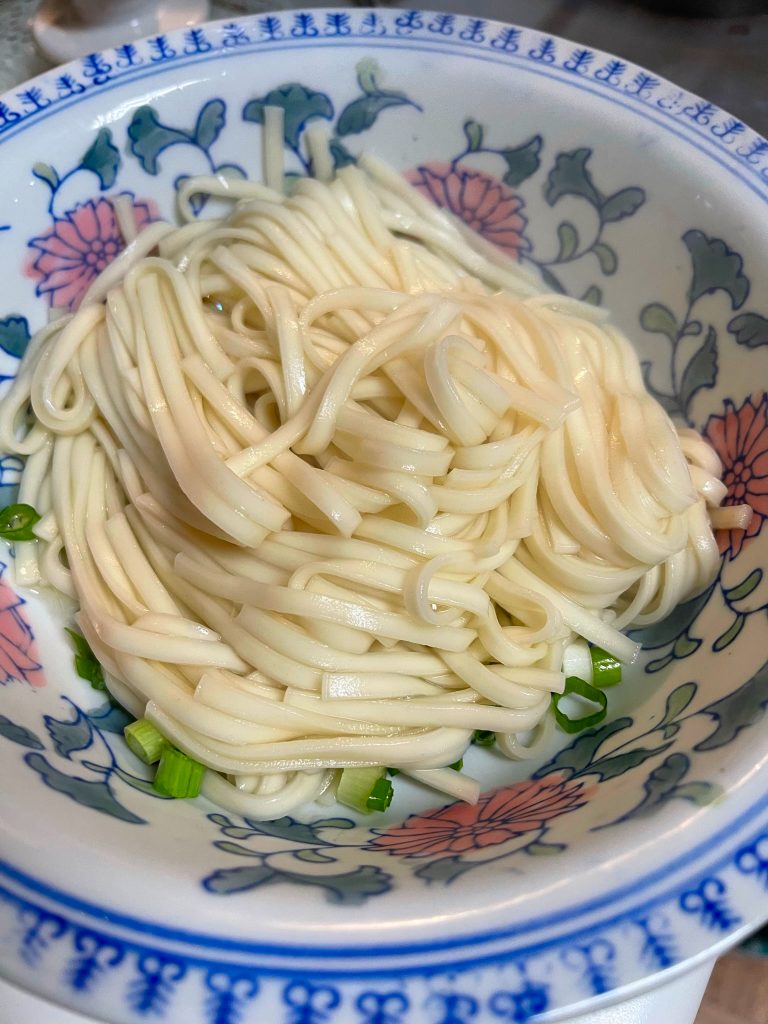
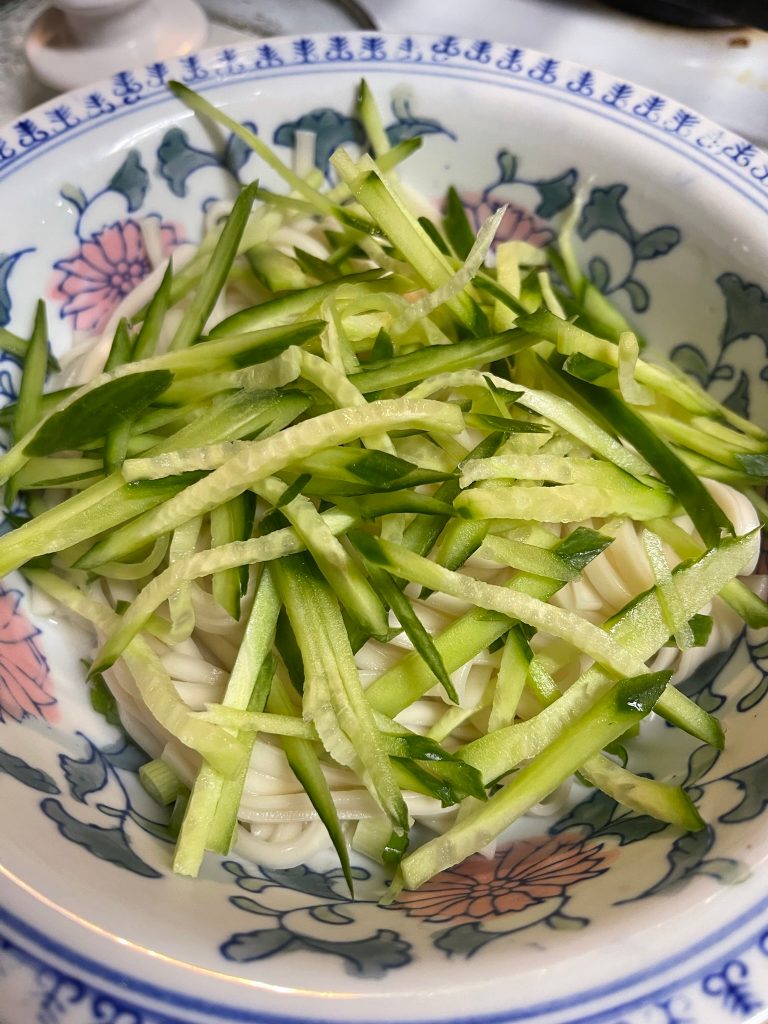
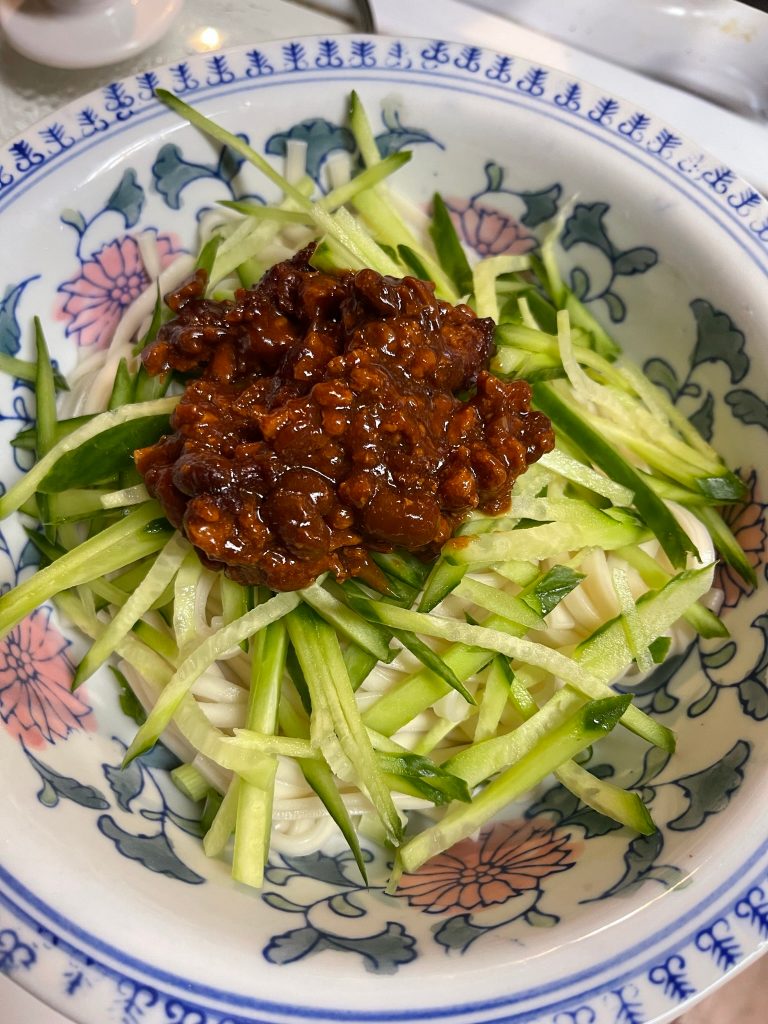
Tip - Zhajiang sauce thickens as it sits. If needed, loosen it with a splash of hot noodle water when serving.
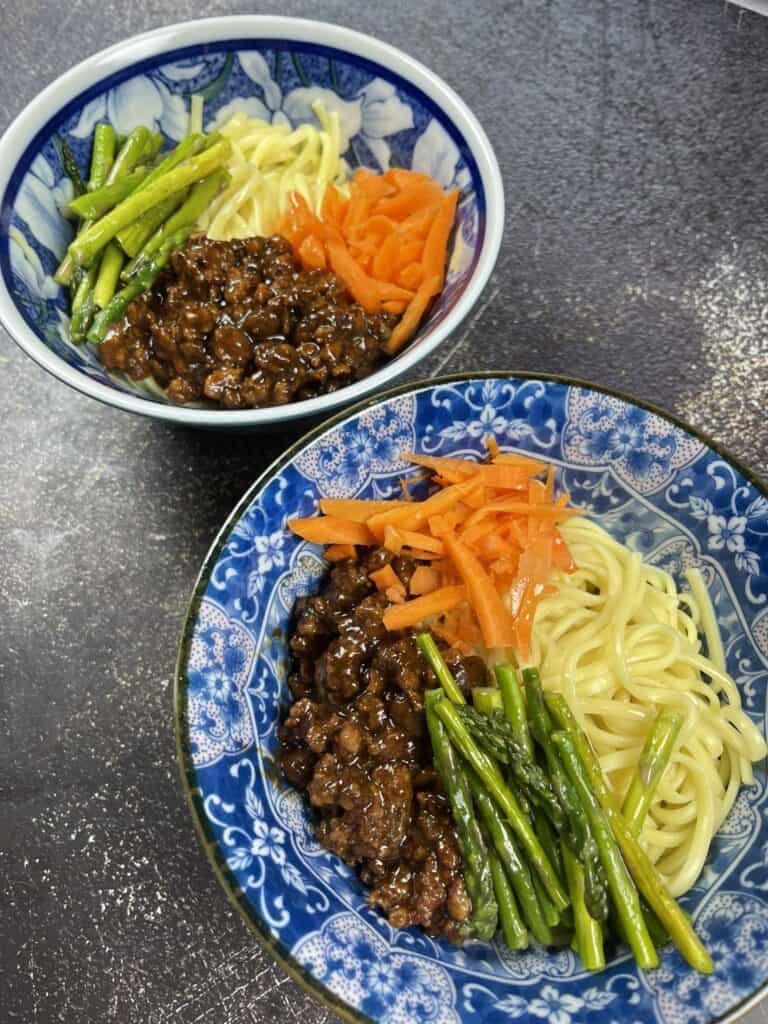
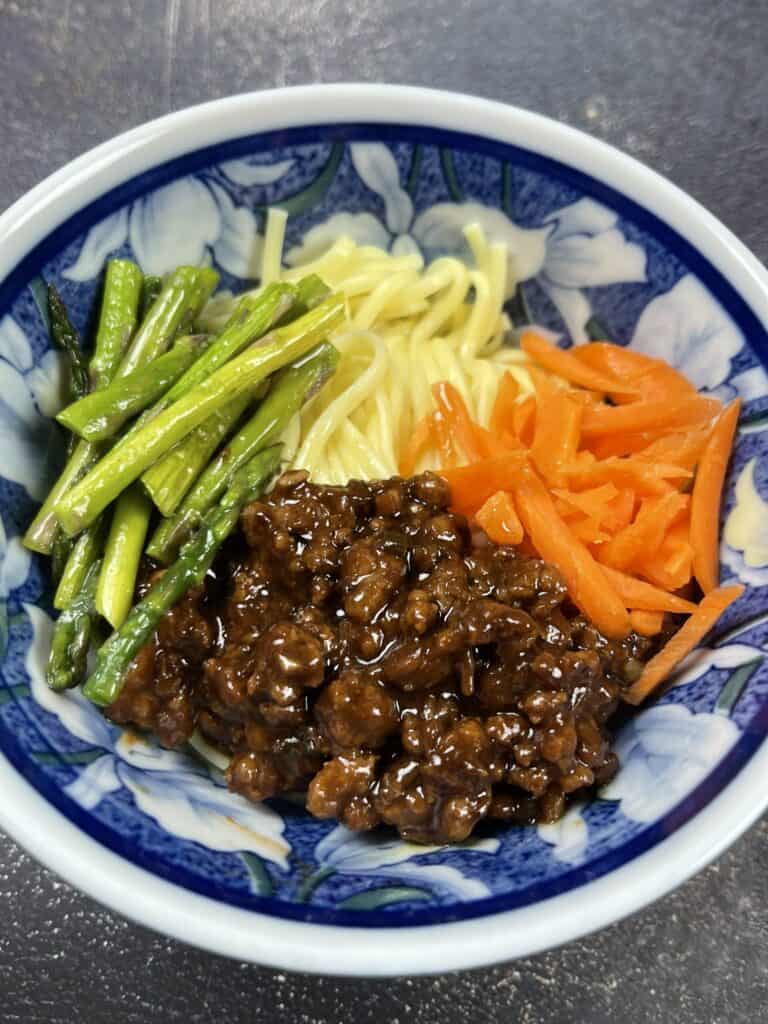
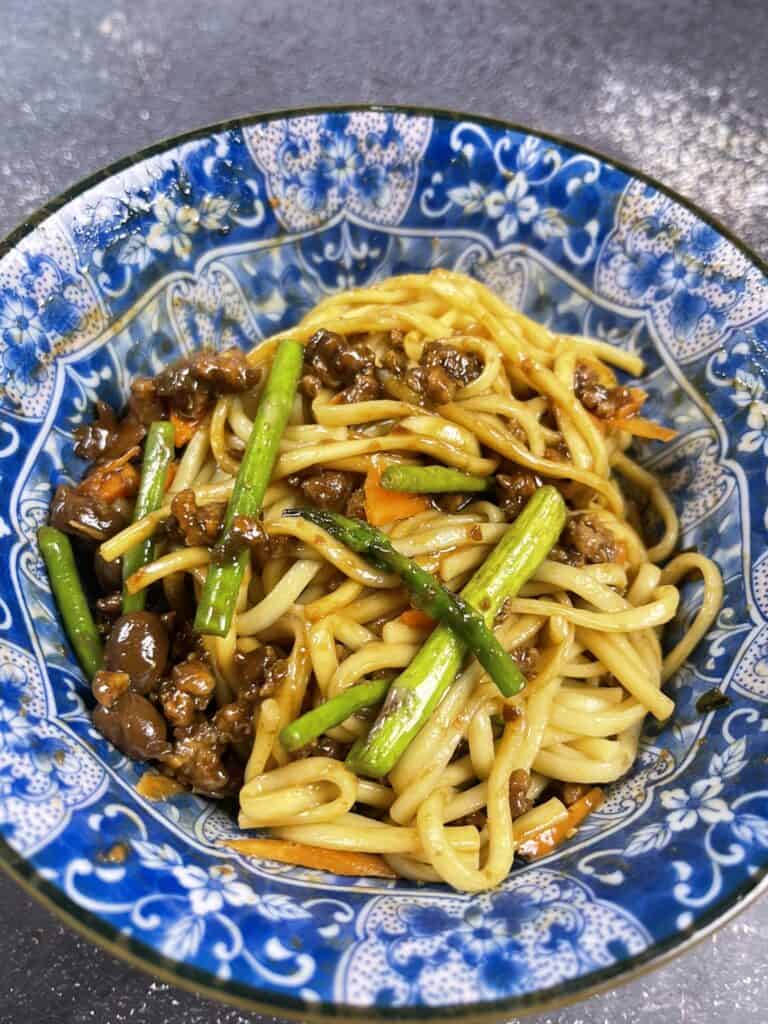
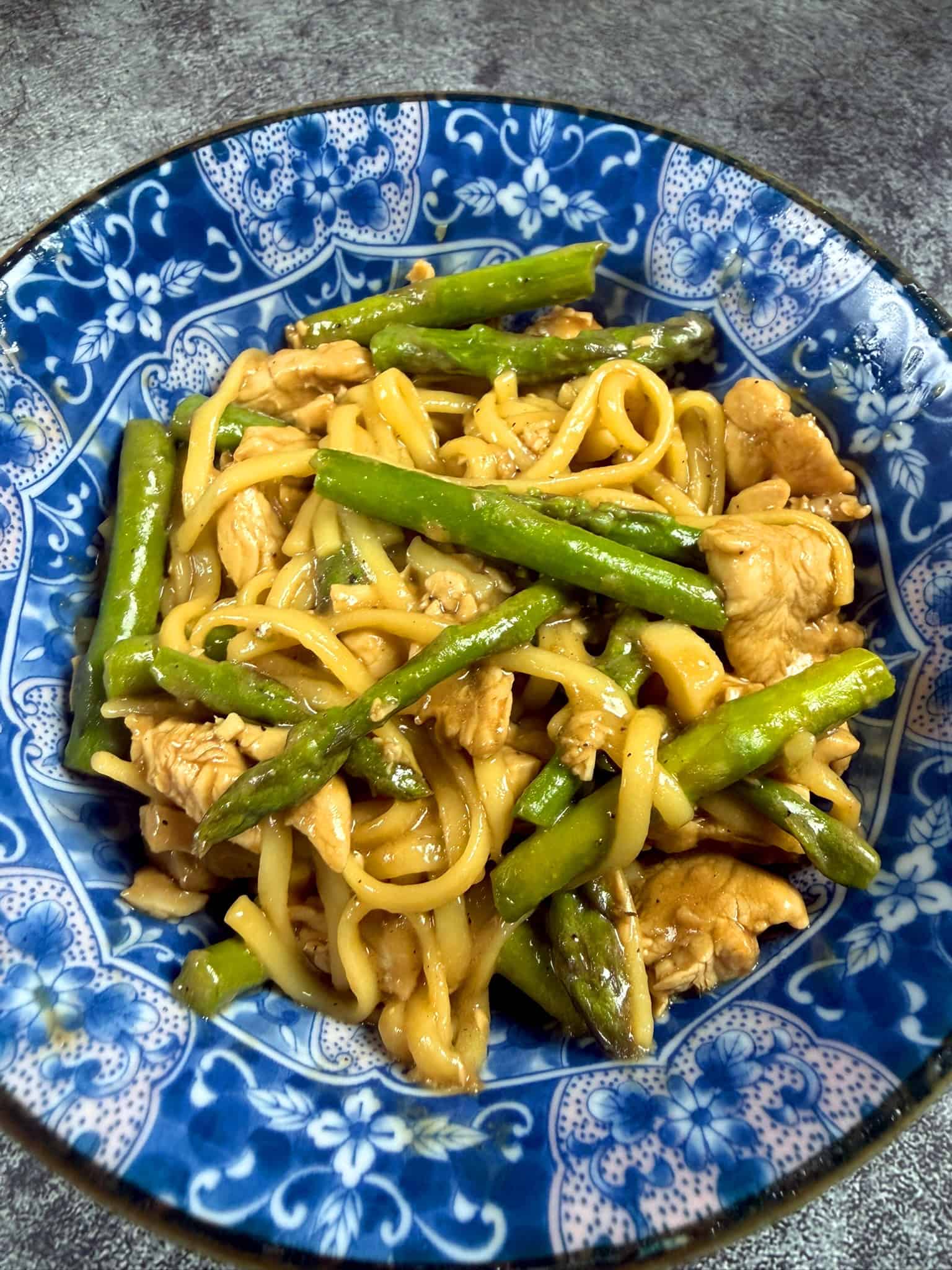
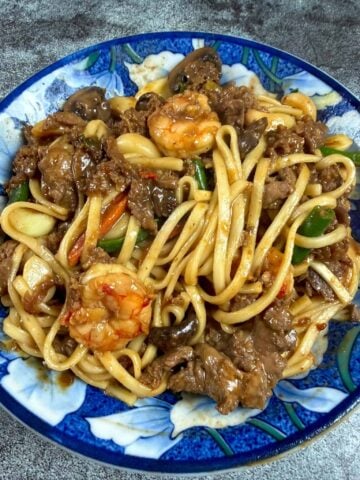
One time I ran out of cucumbers btw, and I subbed it with some pan fried asparagus that worked out well! Here it is:
Storage & Reheating
Storage:
- Store leftover Zha Jiang Mian sauce in an airtight container in the refrigerator for up to 5 days, or freeze for up to 1 month.
- Always cook the noodles fresh when serving. Do not store noodles already mixed with sauce, as they will turn soggy and lose texture.
Reheating:
- Stovetop (best method): Reheat the sauce in a small pan over medium-low heat, stirring occasionally until warmed through. Add a splash of water if it seems too thick.
- Microwave (quick method): Place sauce in a microwave-safe bowl, cover loosely, and heat in 30-60 second intervals, stirring in between, until hot.
- Cook noodles fresh each time, then toss with reheated sauce, cucumber, and toppings before serving.
Freezing:
- The sauce freezes well in small portions - perfect for quick weeknight meals! Thaw overnight in the fridge and reheat as above.
Frequently Asked Questions (FAQ)
Is zhajiangmian supposed to be salty?
Yes - the sauce is meant to be rich and savory, not mild. Start with 2-3 tablespoons of sauce per bowl and add more to taste. Different brands of yellow soybean paste vary in saltiness, so adjusting is normal.
Can I make this ahead of time?
Absolutely. The sauce is perfect for meal prep. You can double the sauce recipe, store it in the fridge or freezer, and cook fresh noodles whenever you're ready to eat.
Can I freeze zhajiangmian?
You can freeze the sauce only. Do not freeze cooked noodles or assembled bowls, as the texture will not hold up well.
What noodles work best for zhajiangmian?
Traditional zhajiangmian uses wheat noodles. Egg noodles are a good substitute. I don't recommend rice noodles or glass noodles if you want the classic texture.
My sauce tastes too salty - how can I fix it?
Add a splash of water or stock and a small pinch of sugar to balance the saltiness. Always taste and adjust before serving.
Zha Jiang Mian Recipe (Zhajiangmian) – Chinese Pork Noodles with Fried Sauce
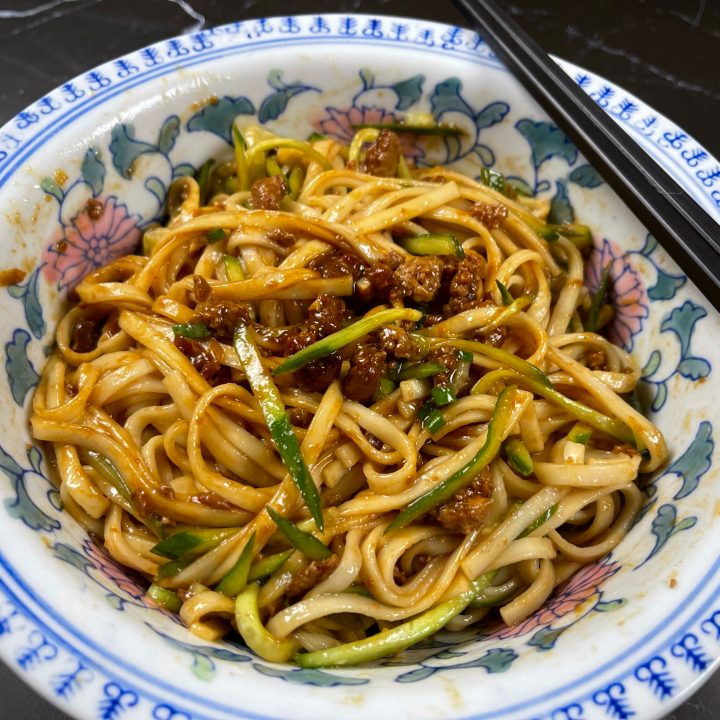
Zha Jiang Mian (炸醬麵) is a classic Beijing-style noodle dish made with wheat noodles topped with a savory pork sauce cooked with yellow soybean paste and sweet bean sauce. Finished with crisp julienned cucumber, this comforting dish is rich, satisfying, and perfect for both weeknight dinners and meal prep.
Ingredients
For the Zhajiang Sauce
- 1 tablespoon cooking oil
- 1 tablespoon minced ginger
- 1 tablespoon minced garlic
- ¼ cup chopped green onions (white + light green parts)
- ½ lb ground pork
- ¼ cup yellow soybean paste (黃豆醬 / Huangdou Jiang)
- 2 tablespoons sweet bean sauce (甜麵醬 / Tian Mian Jiang)
- ¼–⅓ cup water or stock
- 1–2 teaspoons sugar (optional, to balance saltiness)
For Each Bowl
- 2 oz dry wheat noodles (or egg noodles)
- ½ medium cucumber, julienned
- 1 teaspoon sesame oil (optional)
- 1 tablespoon chopped green onions (optional)
Instructions
- Heat the cooking oil in a wok or large pan over medium heat.
- Add ginger and green onions and stir-fry for 30–60 seconds until fragrant.
- Add ground pork, breaking it up with a spatula, and cook until no longer pink.
- Lower heat to medium-low. Stir in yellow soybean paste and sweet bean sauce until the pork is evenly coated.
- Gradually add water or stock, stirring until the sauce becomes thick but spoonable.
- Simmer gently for 5–8 minutes, stirring occasionally. Taste and add sugar if needed to balance saltiness.
- Stir in minced garlic during the last minute of cooking. Remove from heat.
- Cook noodles according to package instructions and drain well.
- Assemble bowls with noodles, 2–3 tablespoons of sauce, and julienned cucumber. Add sesame oil and green onions if desired. Toss before eating.
Notes
- Zhajiang sauce is intentionally rich and savory. Start with a small amount per bowl and add more to taste.
- Different brands of yellow soybean paste vary in saltiness - always taste and adjust.
- The sauce thickens as it sits; loosen with a splash of water or hot noodle water if needed.
- Meal prep tip: The sauce doubles well and can be stored in the fridge or freezer for quick meals later.
Recommended Products
As an Amazon Associate and member of other affiliate programs, I earn from qualifying purchases.


Nutrition Information:
Yield: 4 Serving Size: 1 noodle bowlAmount Per Serving: Calories: 284Total Fat: 17gSaturated Fat: 5gUnsaturated Fat: 13gCholesterol: 53mgSodium: 103mgCarbohydrates: 16gFiber: 2gSugar: 6gProtein: 17g
The nutrition information for this recipe is an approximate total per serving. Please double check the nutrition information for your exact ingredients and brands for more precise nutrition information. Keep in mind that if there is a marinade, often times not all the ingredients will be consumed.
More Delicious Noodle Recipes
If you enjoyed this Taiwan Style Rice Noodles Stir Fry, here are a few more of my favorite noodle dishes you'll love! These recipes are packed with flavor, perfect for weeknight dinners, potlucks, or just whenever that noodle craving hits:
- Taiwan Beef Noodle Soup (紅燒牛肉麵) - A Taiwanese classic with tender red-braised beef, noodles, leafy greens, and a deeply savory broth that warms you from the inside out.
- Taiwan Style Rice Noodles Stir Fry (台式炒米粉) - A classic Taiwanese dish often served at celebrations and potlucks. Thin rice vermicelli stir-fried with marinated pork, dried shrimp, mushrooms, and cabbage. Umami-packed and perfect for a crowd or weeknight dinner.
- Beef Noodles Stir Fry - Marinated beef stir fried with garlic, onions, carrots, snow peas, and chewy noodles in a flavorful sauce. Easy and satisfying!
- Napa Cabbage Glass Noodles - A comforting dish made with stir-fried napa cabbage, glass noodles, dried shrimp, and shiitake mushrooms. Light, savory, and packed with umami.
Want even more noodle inspo? You can explore all my noodle recipes here!
Pin for later!
Joy Ng says
Hi, how long can you keep the sauce in the fridge for? And can the sauce be frozen?
TinaTsai says
For us - It'll stay good in the fridge for up to 5 days or if we freeze it for up to 1 month.
Priscilla says
This was the saltiest sauce ever. I think it should be 2 tablespoons vs cups
TinaTsai says
Hi there - you may have put too much sauce with the noodles. We only put a couple of tablespoons with a big bowl of noodles. This isn't the Korean version that is very sweet rather than salty (aka jjajangmyeon) where they put a LOT of sauce with the noodles ratio wise.
InIn says
Hi, I was reading your instructions and no where in the steps does it say to put garlic in. Why did you say hold garlic in step 2? I copied and paste it in. Can you please kindly explain, thanks.
Mince garlic and ginger, and chop green onions.
In a wok or cooking pan, add cooking oil, and allow it to heat up at medium high. Then add the ginger and green onions (hold on the garlic).
TinaTsai says
Hello - Yes, you don't put in until later, in step 7. If you put it too early it could be overcooked which makes it bitter.