
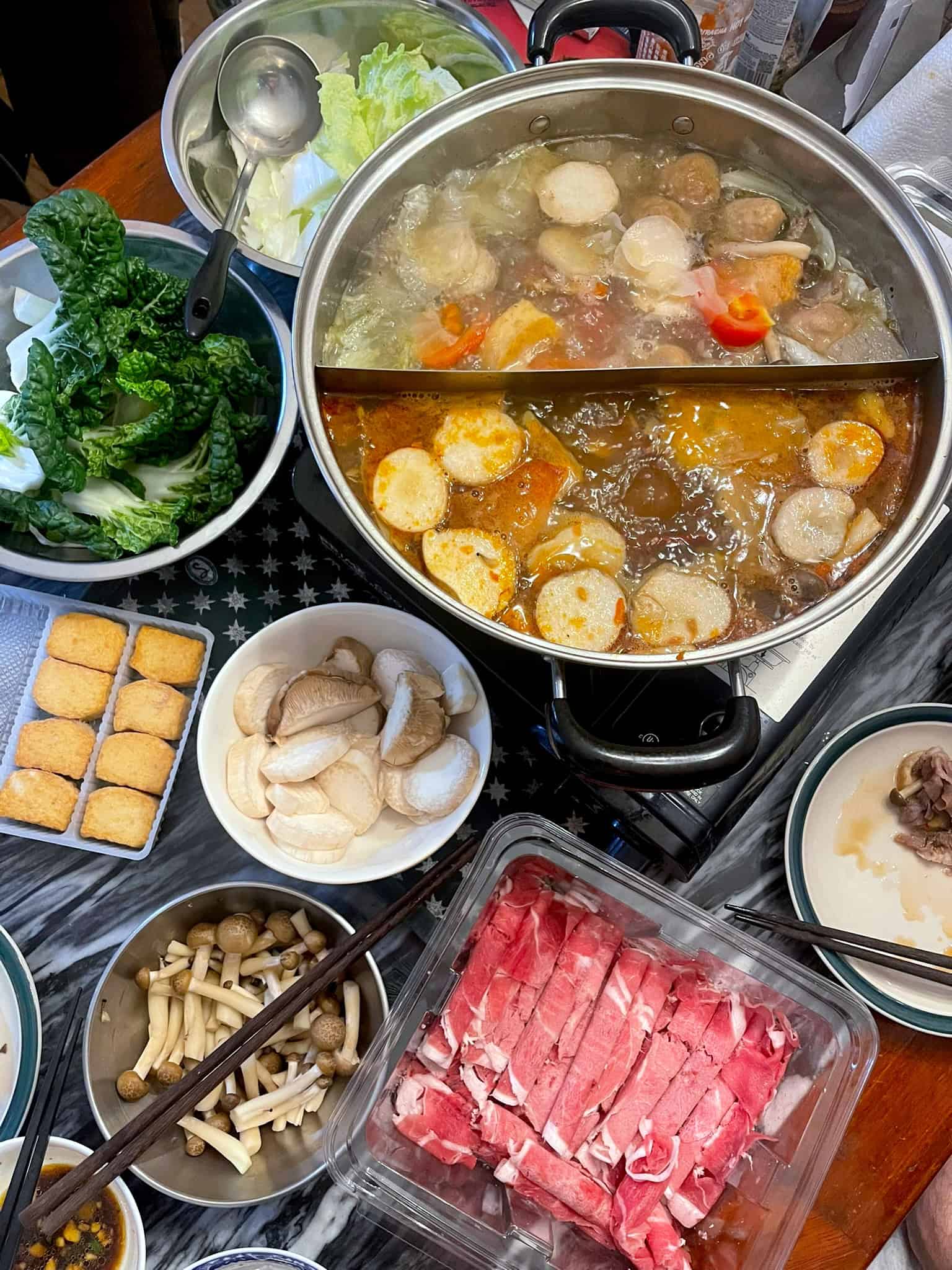
Taiwanese Hot Pot (火鍋, huǒ guō) is one of the most beloved meals in Taiwan - a bubbling pot of broth at the center of the table where everyone cooks thinly sliced meat, seafood, fresh vegetables, tofu, and noodles, then dips them into flavorful sauces.
Jump to:
- What is Taiwanese Hot Pot?
- Is Hot Pot Healthy?
- Taiwanese Hot Pot vs. Shabu Shabu
- Hot Pot Equipment You'll Need
- How to Make Hot Pot Broth at Home
- Homemade Chicken Broth (Easy & Family-Friendly)
- Homemade Spicy Mala Broth (Sichuan-Style)
- Other Hot Pot Broth Ideas
- Hot Pot Ingredients
- Taiwanese Hot Pot Dipping Sauce
- How to Eat Hot Pot at Home
- Storage & Reheating Leftovers
- FAQ About Taiwanese Hot Pot
- Taiwanese Hot Pot Recipe
- More Taiwanese Recipes You'll Love
- Pin for later!
Growing up, my family didn't have turkey or prime rib for the holidays - we gathered around hot pot! While it's popular year-round, nothing beats enjoying it on a cold day with family and friends.
In this guide, I'll walk you through everything you need to set up hot pot at home - from broth recipes and dipping sauces to must-have ingredients, equipment, and tips. Whether you're new to hot pot or recreating Taiwanese flavors you miss, this post is your go-to resource.
What is Taiwanese Hot Pot?
First things first - Taiwanese people LOVE hot pot. That's why it's not surprising there are so many types of hot pot you can find in Taiwan!
So what makes Taiwanese hot pot different from the hot pots you might find in China, Japan, or Korea? The main differences come down to ingredients and dipping sauces:
- The broth can be simple and clear (like chicken or bone broth) or bold and flavorful (like spicy mala 麻辣).
- The dipping sauce almost always includes shacha sauce (沙茶), a savory, slightly smoky, umami-rich condiment made with soy oil, garlic, shallots, chilies, and dried seafood.
Across Asia, hot pot takes many forms:
- Chinese Hot Pot: Comes in many regional varieties (Sichuan mala, northern lamb hot pot, Cantonese herbal broths).
- Japanese Shabu Shabu: Typically uses kombu dashi broth and is paired with ponzu or sesame sauces.
- Korean Hot Pot (Jeongol): Often pre-cooked in a shared pot, with spicier, kimchi-based flavors.
Taiwanese hot pot borrows inspiration from its neighbors but has its own identity - fresh meats, seafood, and vegetables cooked in flavorful broth, and always paired with that signature shacha dipping sauce.
Is Hot Pot Healthy?
The short answer: yes! Hot pot can be a very healthy meal, especially when it's loaded with fresh vegetables, lean proteins, and lighter broth. It's a balanced way of eating since you're cooking everything fresh at the table and can control exactly what goes into your bowl.
The longer answer: it really depends on the broth and the ingredients you choose.
- Broth: A simple chicken, mushroom, or vegetable broth is light and nourishing. A rich spicy mala (麻辣) broth is delicious but higher in oil and sodium.
- Ingredients: Fresh vegetables, tofu, seafood, and lean meats keep it nutritious. But if your hot pot is heavy on processed foods (like fish balls, crab sticks, or fried items), it can quickly become less healthy.
- Dipping Sauces: Sauces add lots of flavor but can also add sodium and calories, depending on what you use. A typical Taiwanese sauce with soy sauce, sesame oil, garlic, scallions, and shacha (沙茶) balances richness with freshness.
Why Do Some People Say the Broth Isn't Good After Cooking Meat?
Some people worry that once raw meat is cooked in hot pot broth, the soup becomes "dirty" or less appetizing. This usually comes down to two things:
- Foam & scum: When meat (especially beef or pork) is cooked, proteins release and create a foamy layer that floats on top. If it's not skimmed off, the broth can look cloudy and taste a bit heavy.
- Flavor changes: The broth naturally absorbs fat and juices from the meat. Some people love this because it makes the soup richer, but others find it less clean-tasting compared to the start.
💡 Tip: If you want the broth to stay light and tasty throughout the meal, skim off foam occasionally and balance it with plenty of vegetables, mushrooms, and tofu. By the end of the meal, the broth is actually my favorite part - full of flavor from all the ingredients that have been simmering together!

Taiwanese Hot Pot vs. Shabu Shabu
A common question is: what's the difference between Taiwanese hot pot and Japanese shabu shabu? On the surface, they look very similar - both are communal meals where you cook thinly sliced meat and vegetables in simmering broth at the table. But there are a few key distinctions:
- Broth:
- Shabu shabu usually starts with a light kombu (kelp) dashi broth, meant to highlight the natural flavors of the ingredients.
- Taiwanese hot pot offers a much wider range of broths - from simple chicken or mushroom stock to bold spicy mala (麻辣) broth, herbal broths, or even milk- or soy-based ones.
- Dipping Sauces:
- In shabu shabu, the most common sauces are ponzu (a light citrus soy sauce) and goma (creamy sesame sauce).
- In Taiwanese hot pot, the signature dipping sauce is shacha sauce (沙茶) - a savory, smoky, umami-rich condiment made with dried seafood, garlic, and spices - often mixed with soy sauce, sesame oil, garlic, and scallions.
- Cultural Influence:
Taiwan has a strong Japanese culinary influence due to its history of Japanese rule (1895-1945). This is why shabu shabu is also very popular in Taiwan today, often found alongside traditional Taiwanese hot pot restaurants.
💡 In short: Shabu shabu emphasizes light, clean flavors, while Taiwanese hot pot leans toward variety, richness, and bold sauces.
Hot Pot Equipment You'll Need
One of the best things about hot pot is that you don't need a fancy setup to enjoy it at home - just a few key pieces of equipment:
Cooking stove and pots
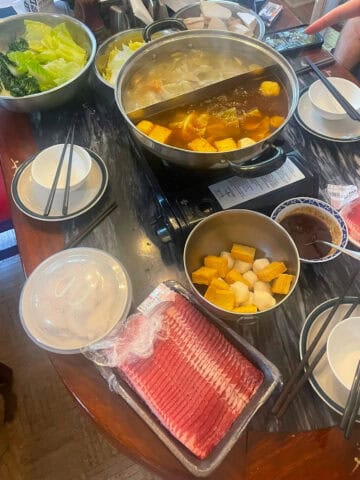
The most common way to eat Hot Pot at home is to have a portable butane burner. They're super easy to operate. You load it up and put it on the dining table to hold and cook the hot pot thru out the meal.
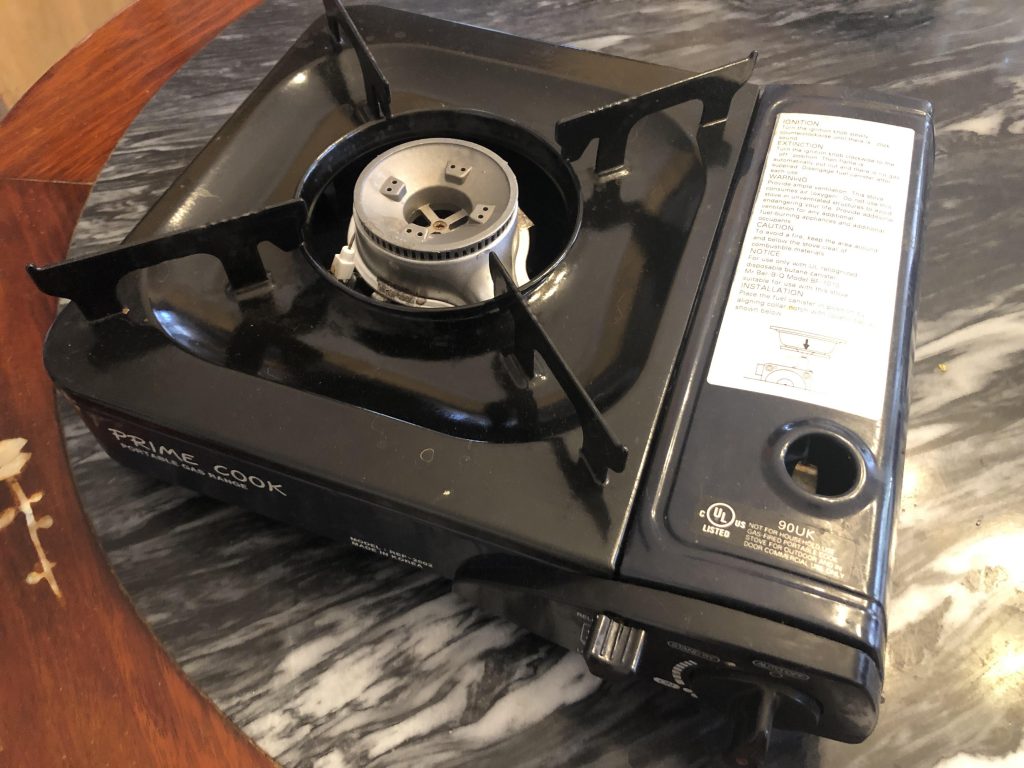
These portable butane stoves use small butane 'fuel' - they usually sell them in 4 packs. Very easy to use:

With a portable butane burner, you can use any kind of pot to hold the hot pot. I recommend metal kinds, because glass ones takes longer to cook. Also, if you want to have two different types of broths going at the same time, you can invest in a dual sided pot, aka yuan yang pot. This is what we usually use.
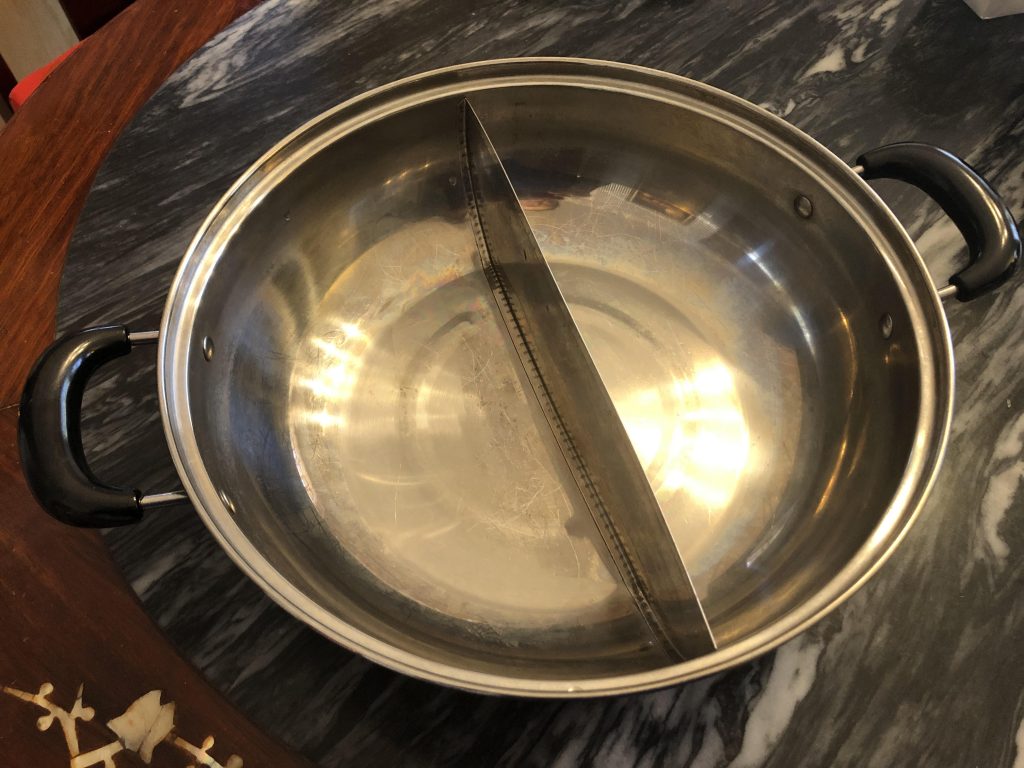
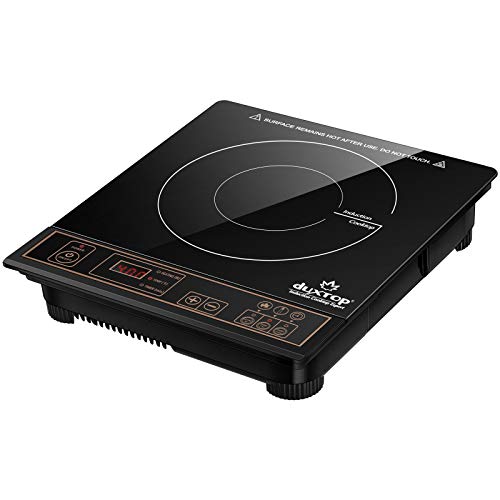
There are also other types of hot pot equipment such as a portable induction cooktop. If you choose this route, you're going to need to have special induction pots for it to work.
This is definitely not recommended, but a few times we ran out of butane gas in the middle of hot pot. So… we literally pulled up stools to the kitchen gas stove and ate it straight from there! It was a little chaotic but actually kind of fun. I wouldn't try it with more than two people though - things get crowded fast!
Utensils
Chopsticks - Not only chopsticks for each person to eat their food, but actually also have some 'spare chopsticks' around that is for 'public use'. This is a suggestion as I just don't like everyone dipping their chopsticks that they're using to eat with in the hot pot that everyone will be eating out of. Call me a germaphobe if you want.
Slotted spoons - Slotted spoons are really helpful with ingredients that aren't super chopsticks friendly. For example meatballs and tofu.
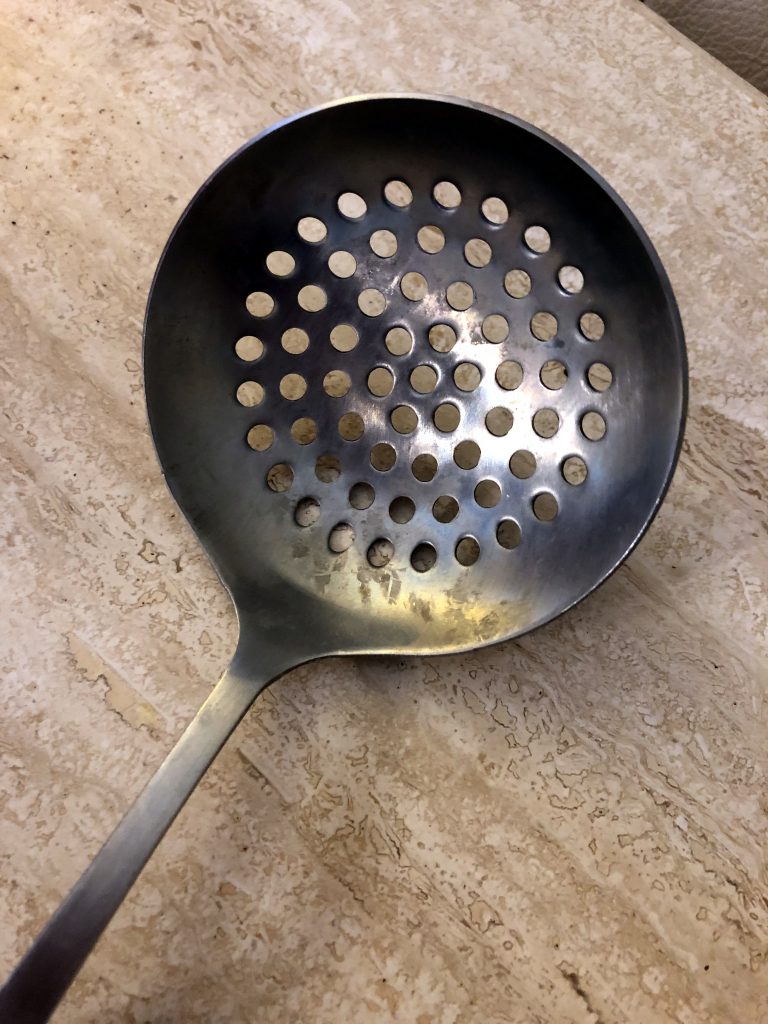
Soup ladle - Soup ladle is to help you get soup in your bowl. I recommend drinking the soup at the end, the soup gets super flavorful because of all the ingredients you've cooked!
How to Make Hot Pot Broth at Home
The broth (also called the soup base) is the heart of hot pot. In Taiwan, there are countless varieties - from light and simple to bold and spicy. You can make your own at home or take a shortcut with store-bought bases. Here are the most popular options:
Homemade Chicken Broth (Easy & Family-Friendly)
This is a classic choice if you want something light, versatile, and comforting. It's especially great for families or anyone new to hot pot.
Ingredients:
- 2 (32 oz) boxes chicken broth
- 8 cups water
- 2 tablespoon cooking oil
- 2 tablespoon dried shrimp (adds umami)
Instructions:
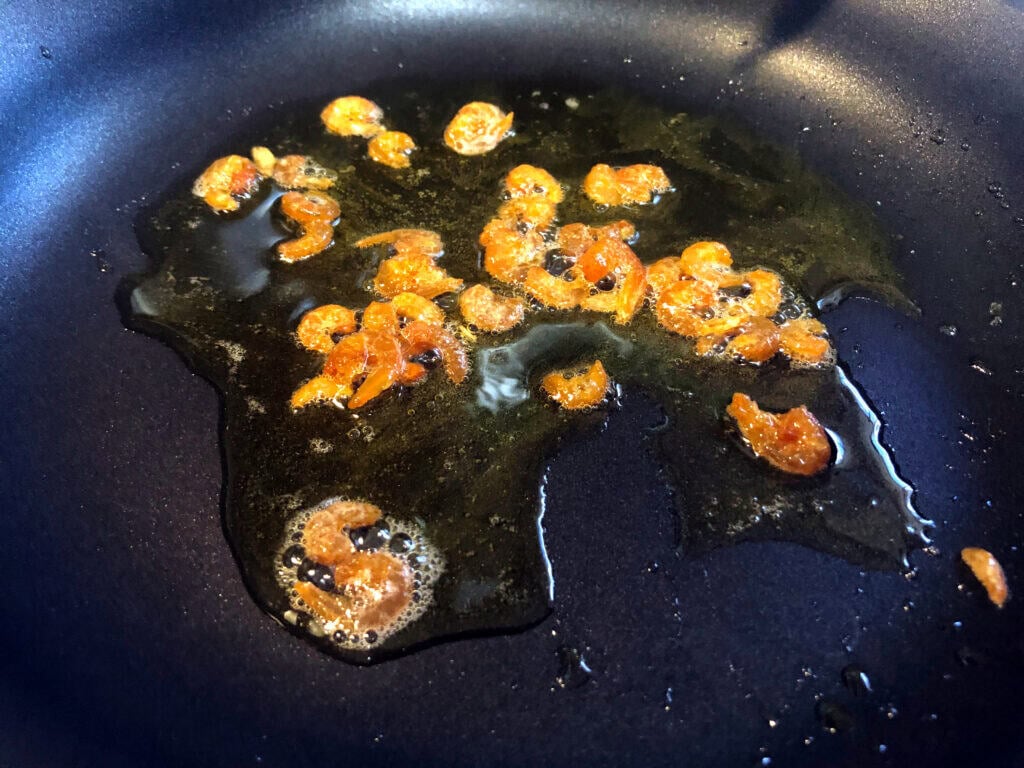
- In a soup pot, heat cooking oil over medium heat. Add dried shrimp and cook until aromatic (about 1 minute).
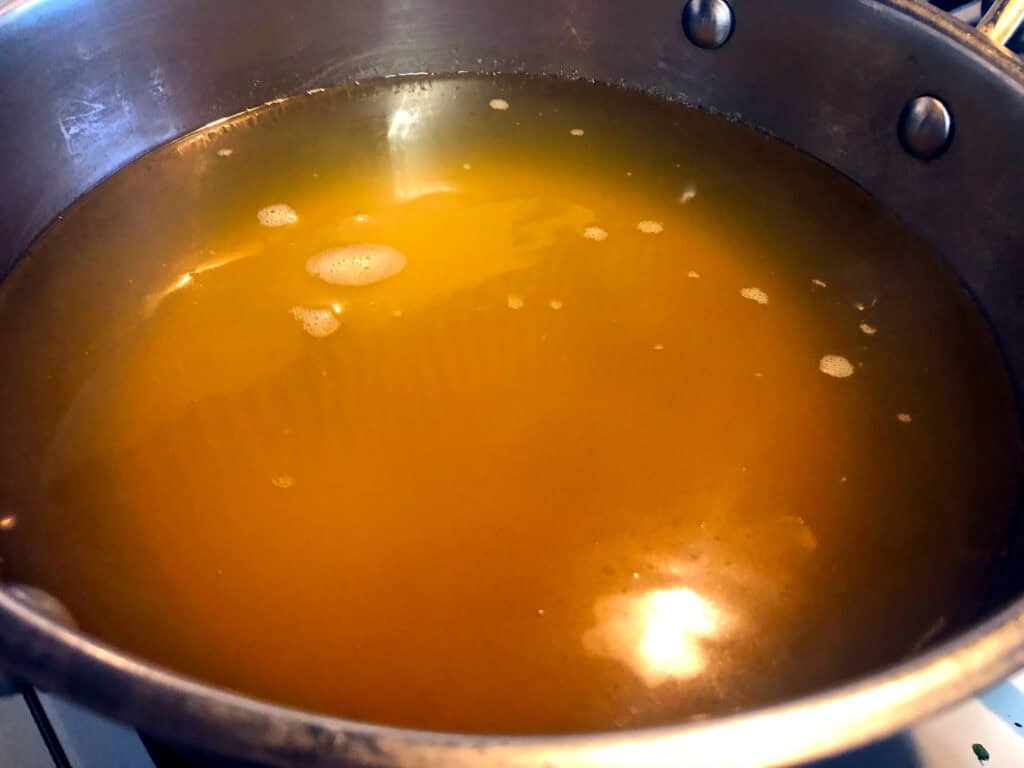
- Add chicken broth in to pot.
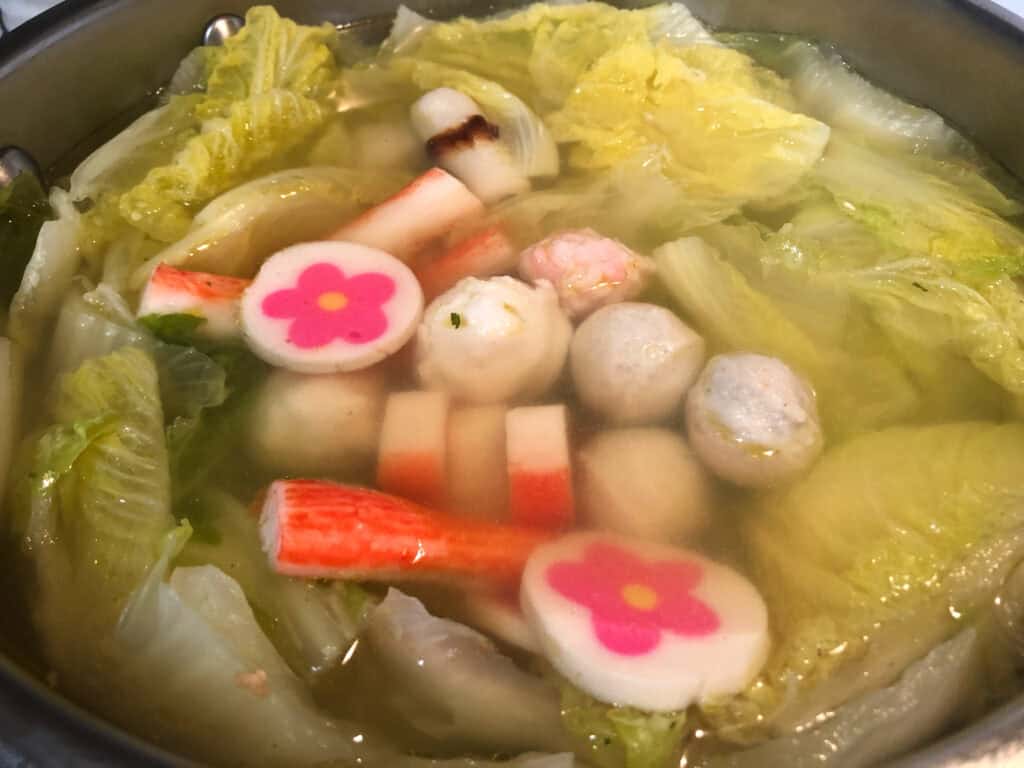
- Bring to a boil, and then let it simmer gently until ready to use. You can add napa cabbage, mushrooms, or fish cakes at this stage for extra sweetness.
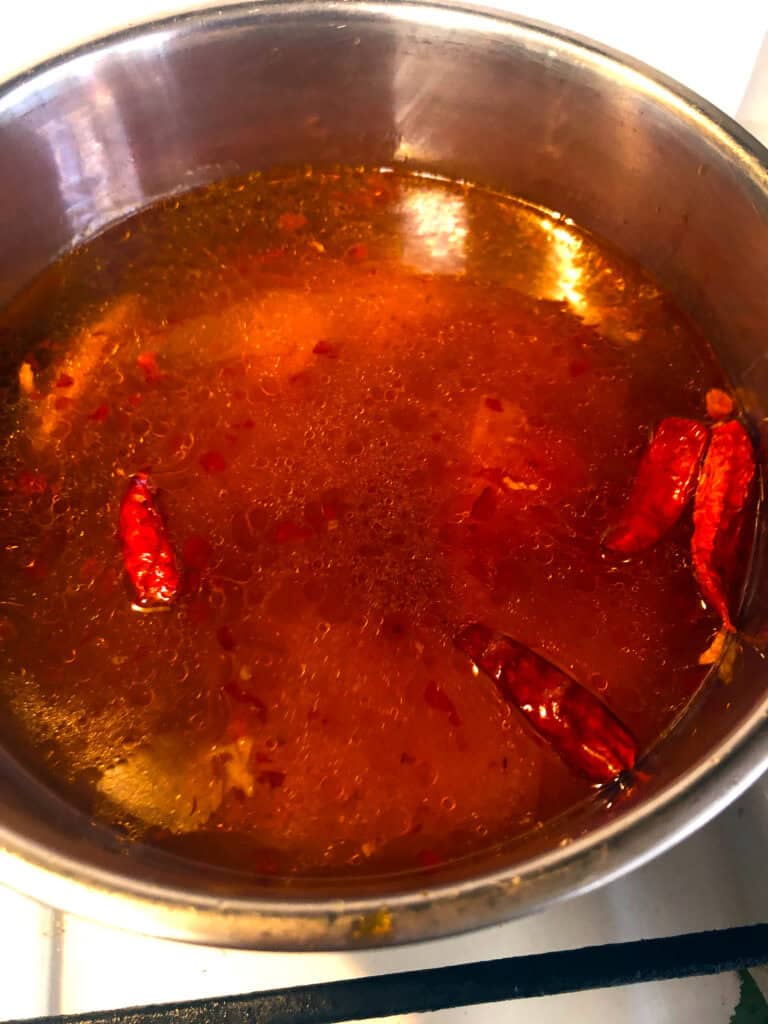
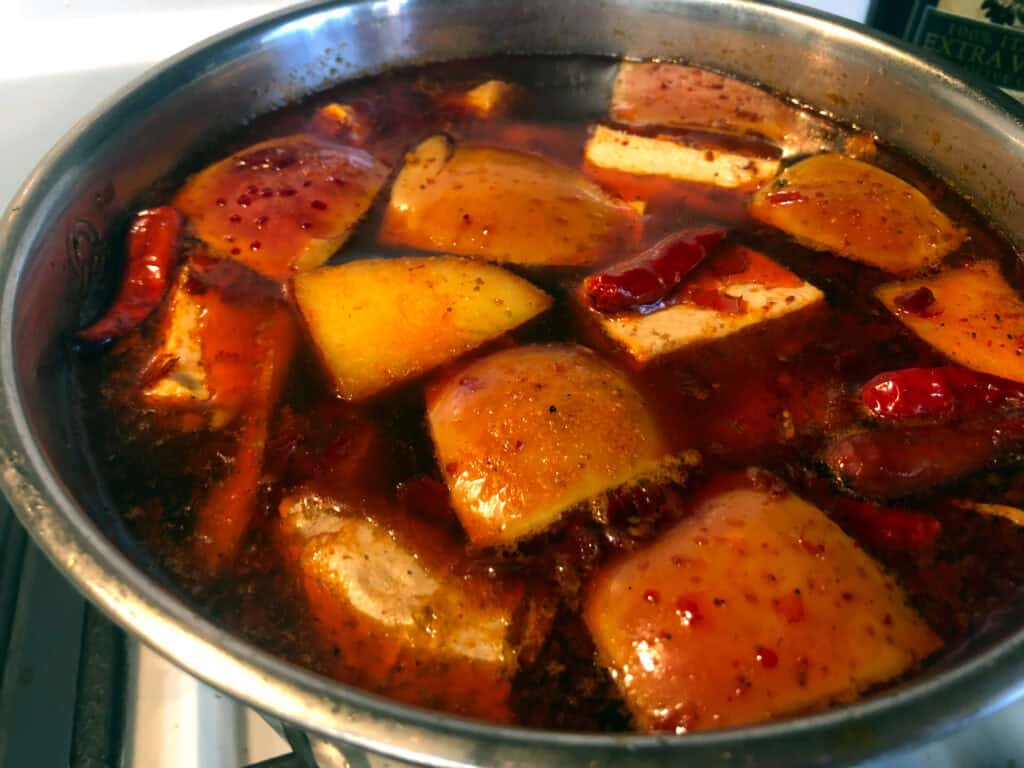
Homemade Spicy Mala Broth (Sichuan-Style)
If you love bold flavors, the spicy mala (麻辣) broth is a must. "Mala" means numbing and spicy - the heat comes from dried chilies and chili bean paste (doubanjiang), while the tingling comes from Sichuan peppercorns.
Ingredients:
- 10 cups water or stock
- 2 tablespoon cooking oil
- 4-5 tablespoon chili bean paste (doubanjiang)
- 1-2 teaspoons Chinese chili powder (adjust to taste)
- 3 inches ginger, sliced
- 4 dried red peppers
- 2 tablespoon Sichuan peppercorns (adjust for how much numbing flavor you want)
- 1 apple, cut into 1-inch pieces (adds subtle sweetness and balance)
Instructions:
- In a soup pot, bring the water or stock to a gentle boil.
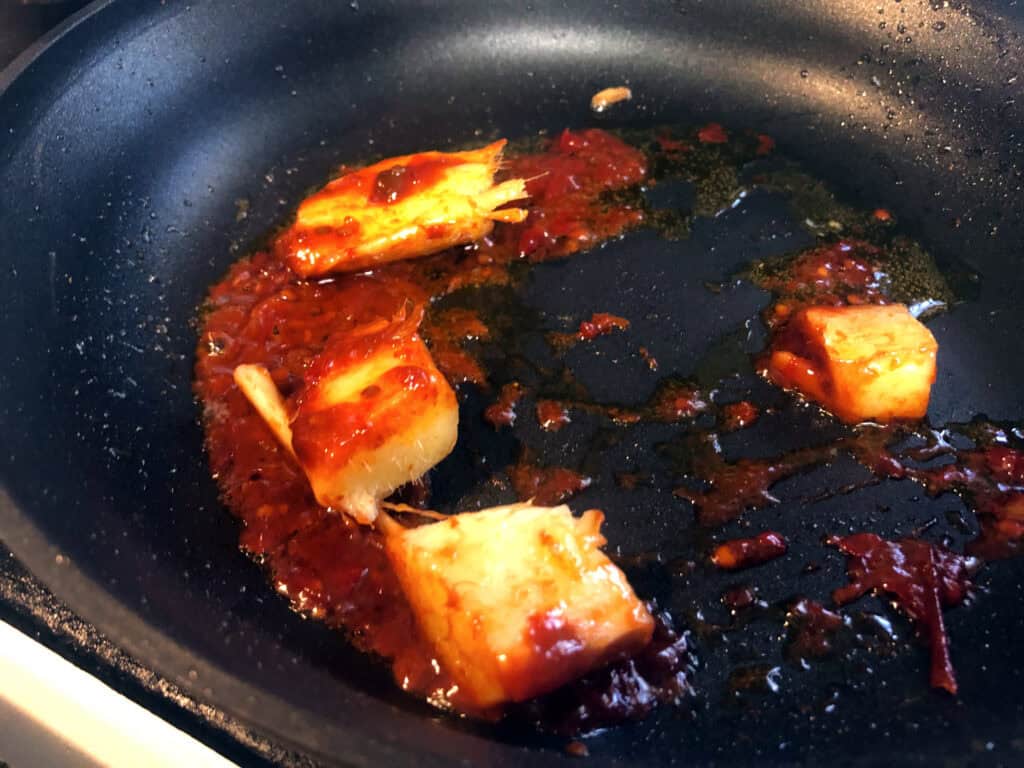
- In a small pan, heat cooking oil over medium heat. Add chili bean paste, ginger, and dried red peppers. Stir-fry until fragrant (about 1-2 minutes).
- Pour the chili oil mixture into the boiling pot of water/stock.
- Add chili powder, Sichuan peppercorns and apple pieces. Let everything simmer for at least 15-20 minutes so the flavors infuse into the broth.
- Adjust seasoning (more chili paste for heat, or extra broth/water if it's too strong).
💡 Tip: This broth is bold and spicy - perfect for people who like a kick! If you're serving a group, it's best to pair it with a mild broth in a dual-sided yuan yang pot so everyone has an option.
Store-Bought Hot Pot Base (Quick Shortcut)
If you're short on time, many Asian supermarkets sell packaged hot pot soup bases - just add to boiling water and you're ready to go.
- Popular flavors include spicy mala, tomato, mushroom, and herbal. They're a great way to try different styles without much prep.
💡 Tip: If you can't decide, use a dual-sided yuan yang pot so you can serve one mild broth and one spicy broth at the same time.
Other Hot Pot Broth Ideas
You don't have to stick to just chicken broth or mala broth - hot pot is super flexible. Many of my Chinese and Taiwanese soup recipes actually make amazing hot pot bases. If you already love these soups, using them as your broth gives you a richer, more flavorful start without any extra work.
Here are some great options:
Easy Dashi Hot Pot Broth
If you want a hot pot broth that's light, clean, and full of umami, this dashi hot pot broth is such a good one to make at home.
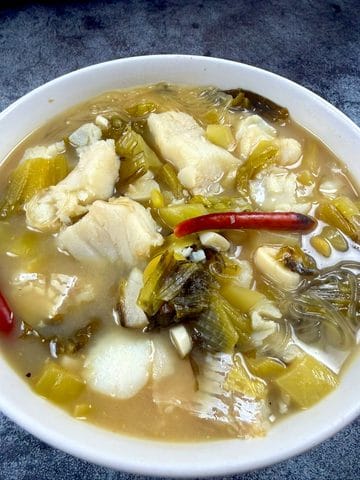
Taiwanese Ginger Fish Soup (薑絲魚湯)
Light, gingery, and perfect if you plan to cook a lot of seafood in your hot pot.
👉 Taiwanese Ginger Fish Soup
Taiwanese Pickled Chili Chicken Soup (剝皮辣椒雞湯)
Adds gentle heat and tons of Taiwanese flavor. This one is perfect for chilly weather - and amazing for holiday gatherings.
👉 Taiwanese Pickled Chili Chicken Soup
Cornish Hen Soup with Veggies (Chinese-Style 雞湯)
Clean, savory, and classic - exactly the kind of broth you see at Taiwanese hot pot restaurants.
👉 Cornish Hen Soup with Veggies
Chinese Corn Carrot Pork Bone Soup (玉米紅蘿蔔豬骨湯)
Naturally sweet from the corn and carrots. This makes an amazing family-friendly hot pot base.
👉 Chinese Corn Carrot Pork Bone Soup
Tomato Bean Sprouts Soup (番茄豆芽湯)
If you like tomato hot pot, this is a perfect starting point - bright, tangy, and super versatile.
👉 Tomato Bean Sprouts Soup
Chinese Chicken Mushroom Soup (香菇雞湯)
Earthy and full of mushroom flavor - great for a cozy, savory broth that pairs well with all meats and veggies.
👉 Chinese Chicken Mushroom Soup Recipe
Once you've picked your soup, all you need to do is bring it to a simmer in your hot pot at the table, then start cooking your meats, veggies, seafood, tofu, and noodles as usual.
Tip:
If you're cooking for a group, use a dual-sided yuan yang pot so you can serve one mild broth (like tomato or chicken) and one spicy broth (mala) at the same time.
Hot Pot Ingredients
One of the best parts of hot pot is the endless variety of ingredients you can add. Everyone gets to customize their bowl, and you can mix and match as you go. Here are the most common categories to include:
Meat
- Popular Meat Options:
- Thinly sliced beef (ribeye, brisket, shabu-style slices)
- Pork slices (belly or shoulder)
- Lamb is also common, especially in winter
- You can usually find them pre-sliced and frozen at Asian supermarkets (look for shabu shabu or hot pot meat packs). (BTW - I also love getting these and using them for stir fries, such as my Cumin Beef!)
- Because they're so thin, they cook in just seconds - swish them around until the color changes, then dip and eat.
- BTW - Chicken isn't as common for hot pot in Taiwan, but sometimes shows up in herbal broths.
Seafood
- Popular Seafood Options:
- Shrimp (shell-on or peeled)
- Fish fillets (often tilapia, basa, or other white fish)
- Squid or cuttlefish
- Clams or sometimes oysters
- Crab or lobster is more of a special occasion thing, but you'll see it in restaurants
- You will want to wash and clean them before you add them.
- Seafood cooks quickly and adds wonderful flavor to the broth.
Vegetables
- Fresh veggies balance out the richness of meats and seafood. Popular choices include:
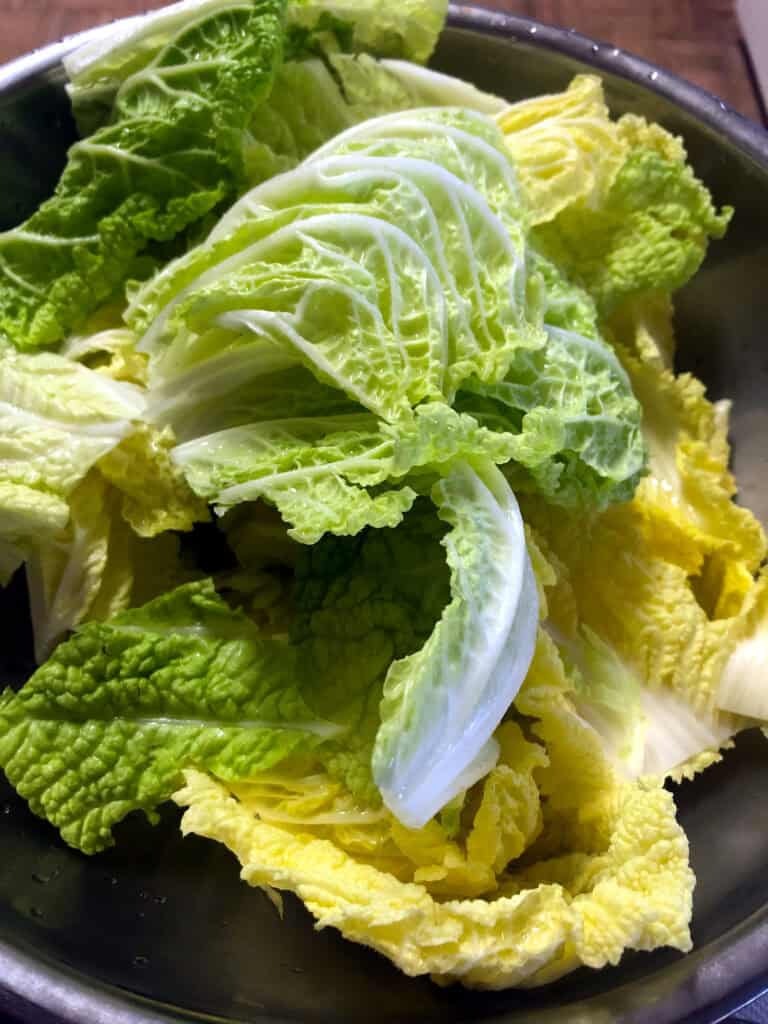
- Napa cabbage (大白菜) - a must, it sweetens the broth
- Tong ho (茼蒿 / edible chrysanthemum leaves) - very common in Taiwan hot pot
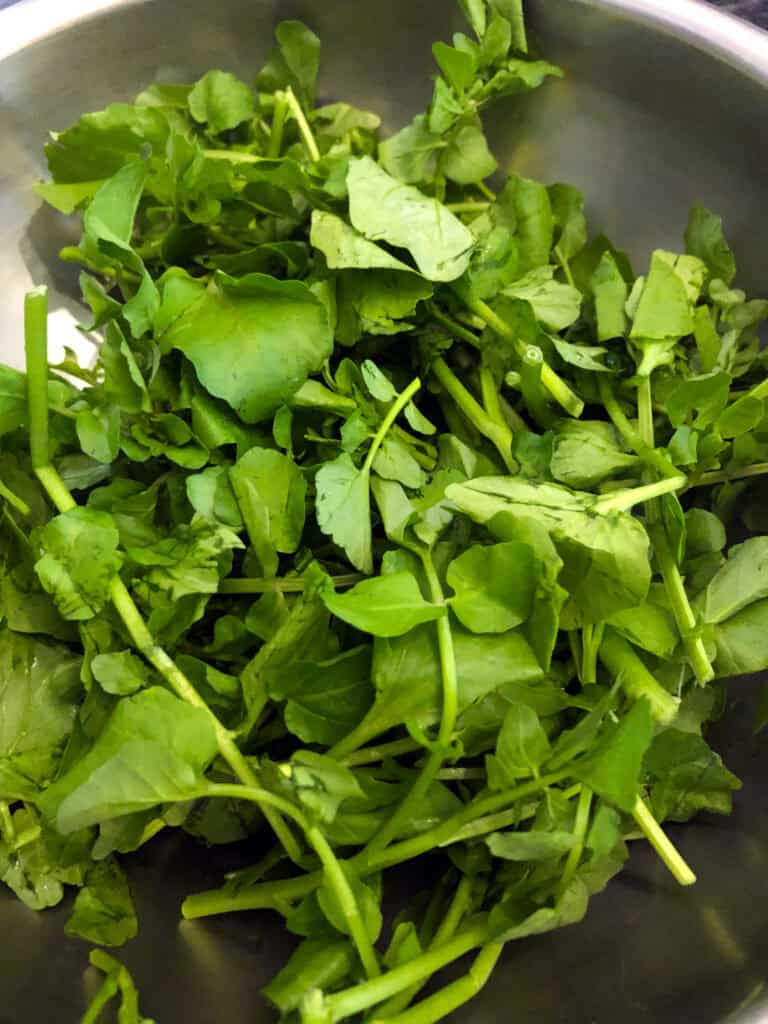
- Spinach or watercress - leafy greens that cook fast
- Daikon radish - adds natural sweetness to the broth
- Corn on the cob (cut into chunks) - super common in Taiwan hot pot spreads
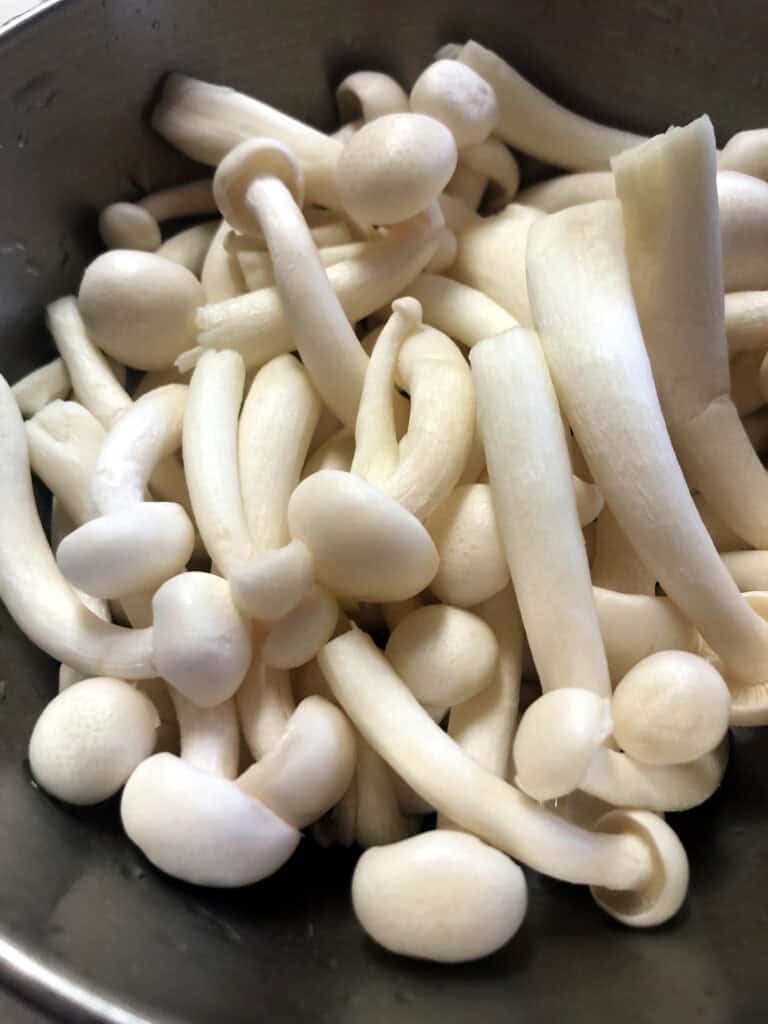
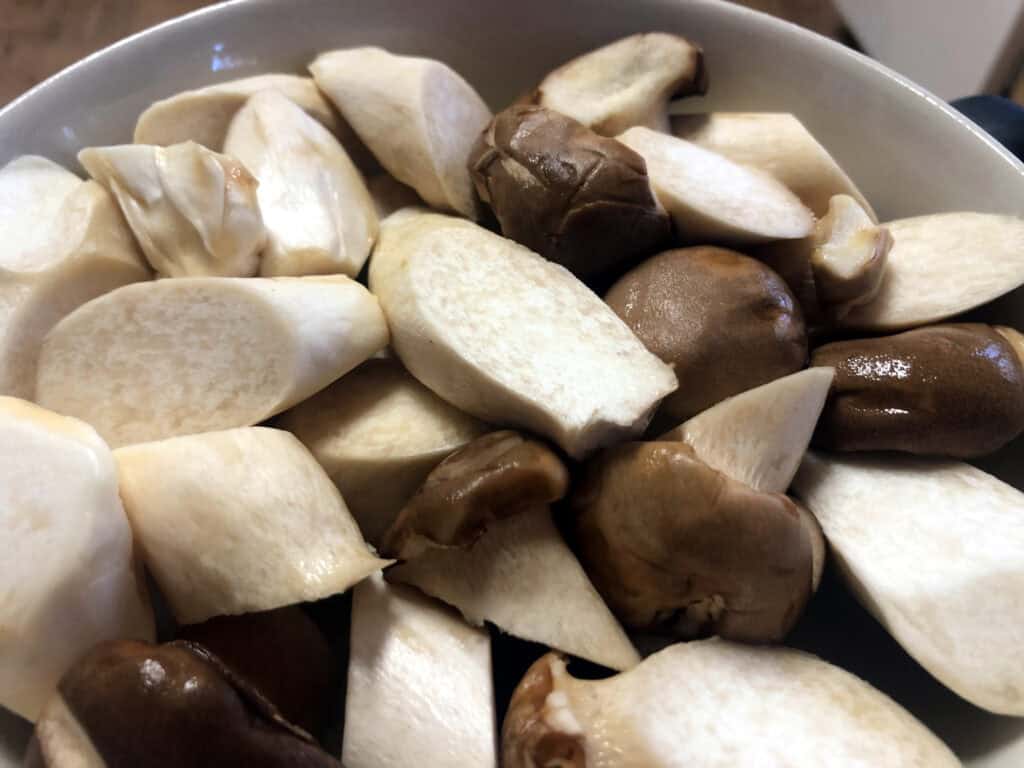
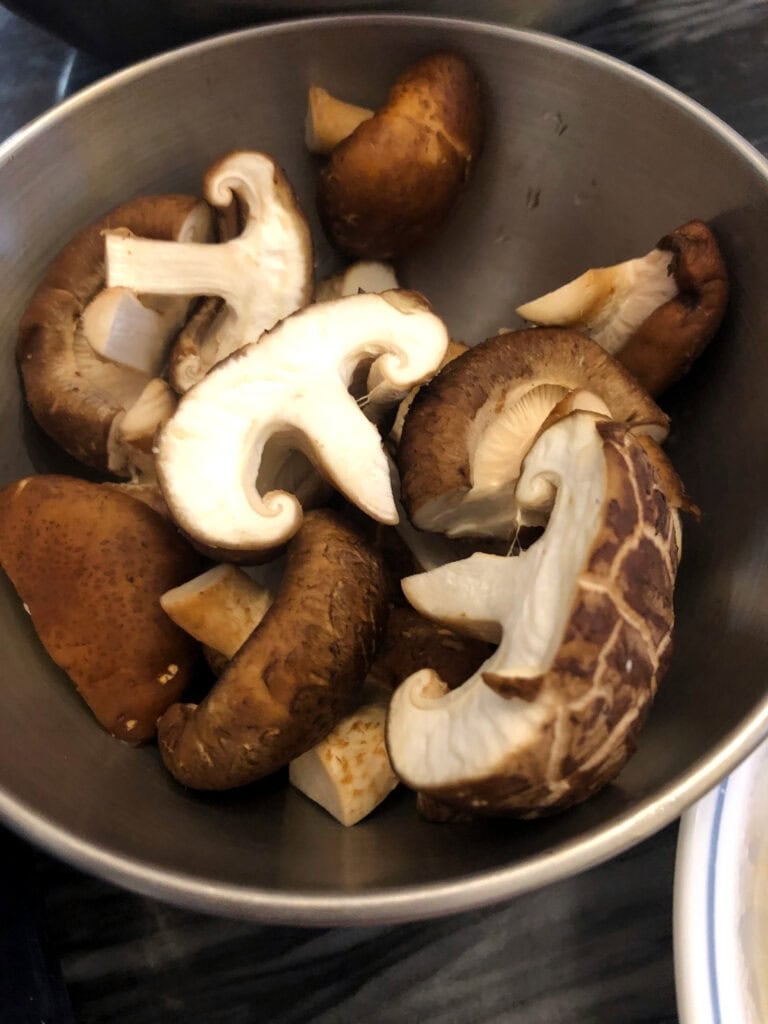
- Mushrooms - shiitake, enoki, king oyster, and sometimes button (we love all of them!)
Other Favorites
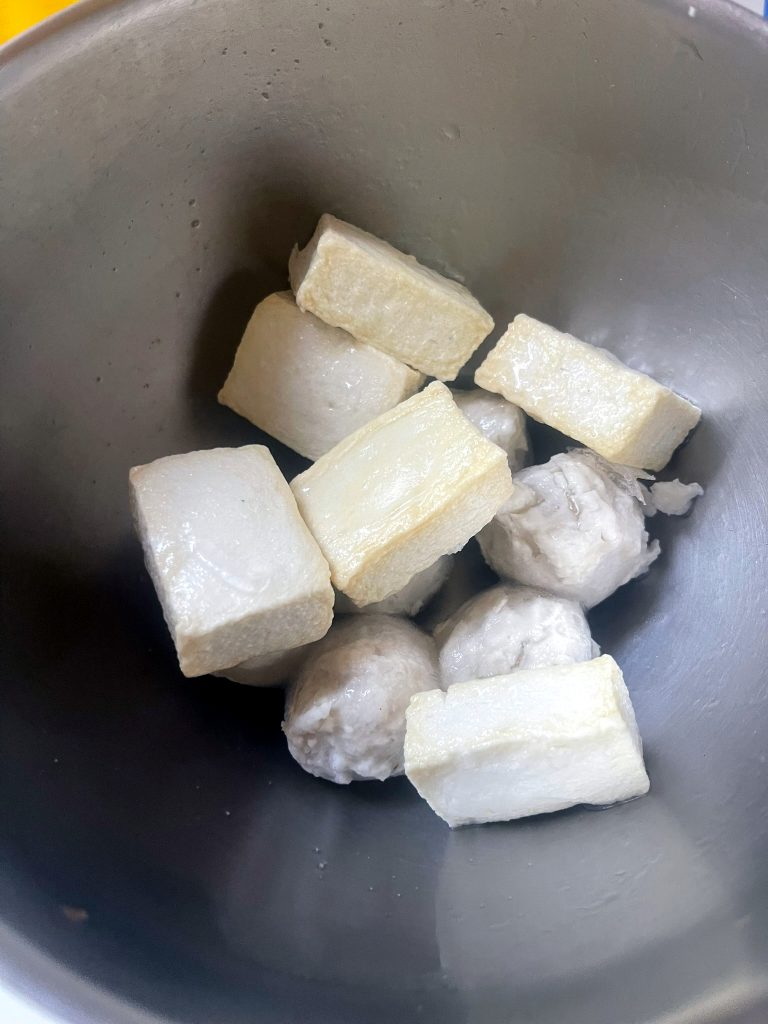
- Tofu: both regular firm tofu and fried tofu puffs (油豆腐) are staples
- Meatballs: Taiwanese love fish balls, pork balls, beef balls, shrimp balls (often with stuffed fillings, like fish balls with roe or meat paste inside)
- Imitation crab sticks / kamaboko - a classic add-in
- Noodles:
- Glass noodles (冬粉 / cellophane noodles) are the most traditional (you will want to soak this in water to soften it about 20 mins or so.)
- Sometimes instant noodles or udon are added at the end
- Egg dumplings (蛋餃) - these little stuffed dumplings with egg wrappers are a Taiwanese hot pot must!
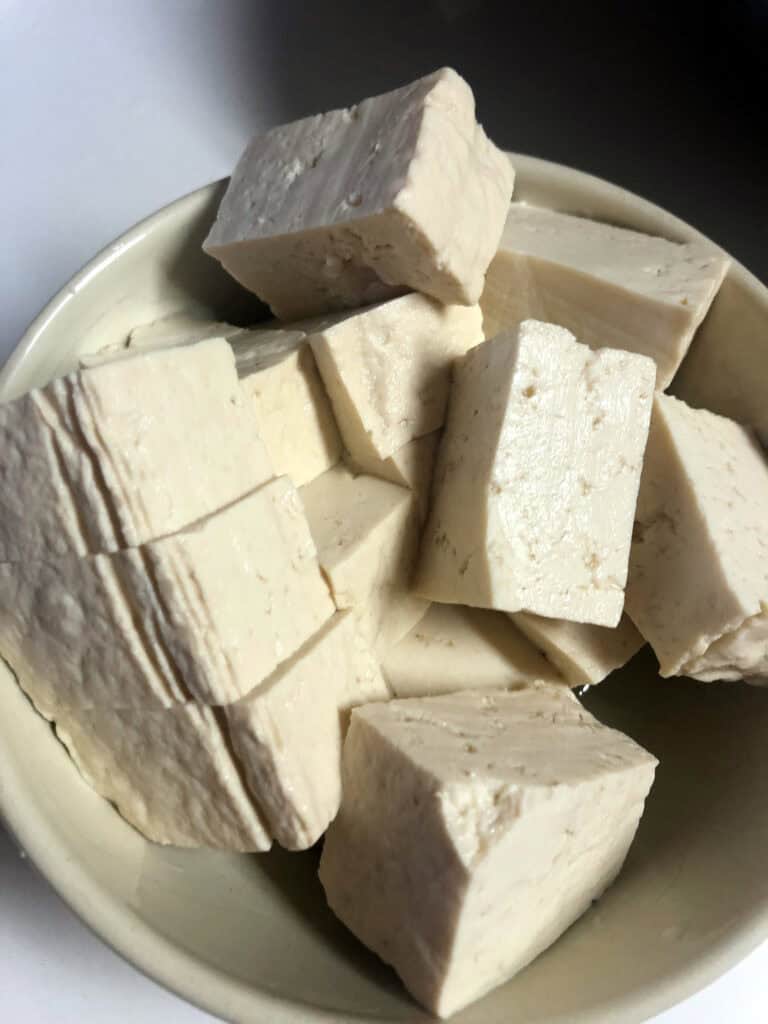
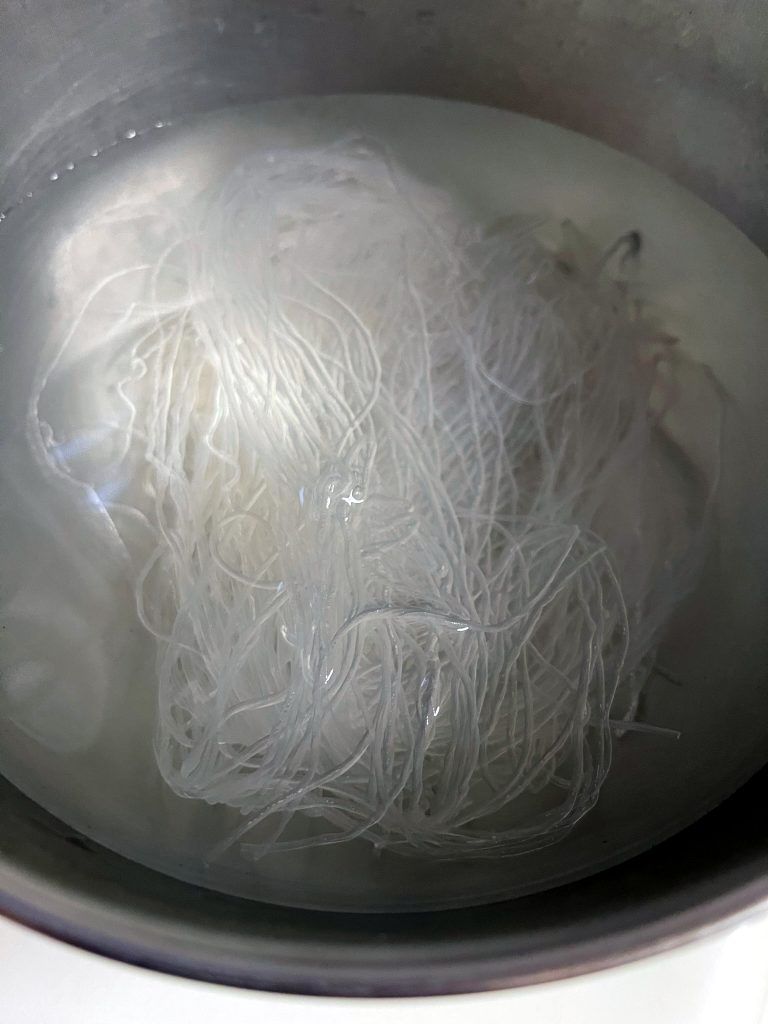
💡 Cooking Tip: In Taiwan, it's common to add hearty things like corn, daikon, first (since they can simmer longer and help flavor the broth). Then add quick-cooking items like thin meat slices, seafood, and leafy greens right before you're ready to eat, so they stay tender and fresh.
Taiwanese Hot Pot Dipping Sauce
No hot pot is complete without a good dipping sauce! In Taiwan, the sauce is just as important as the broth - it's where all the cooked meats, seafood, tofu, and veggies get their final punch of flavor.
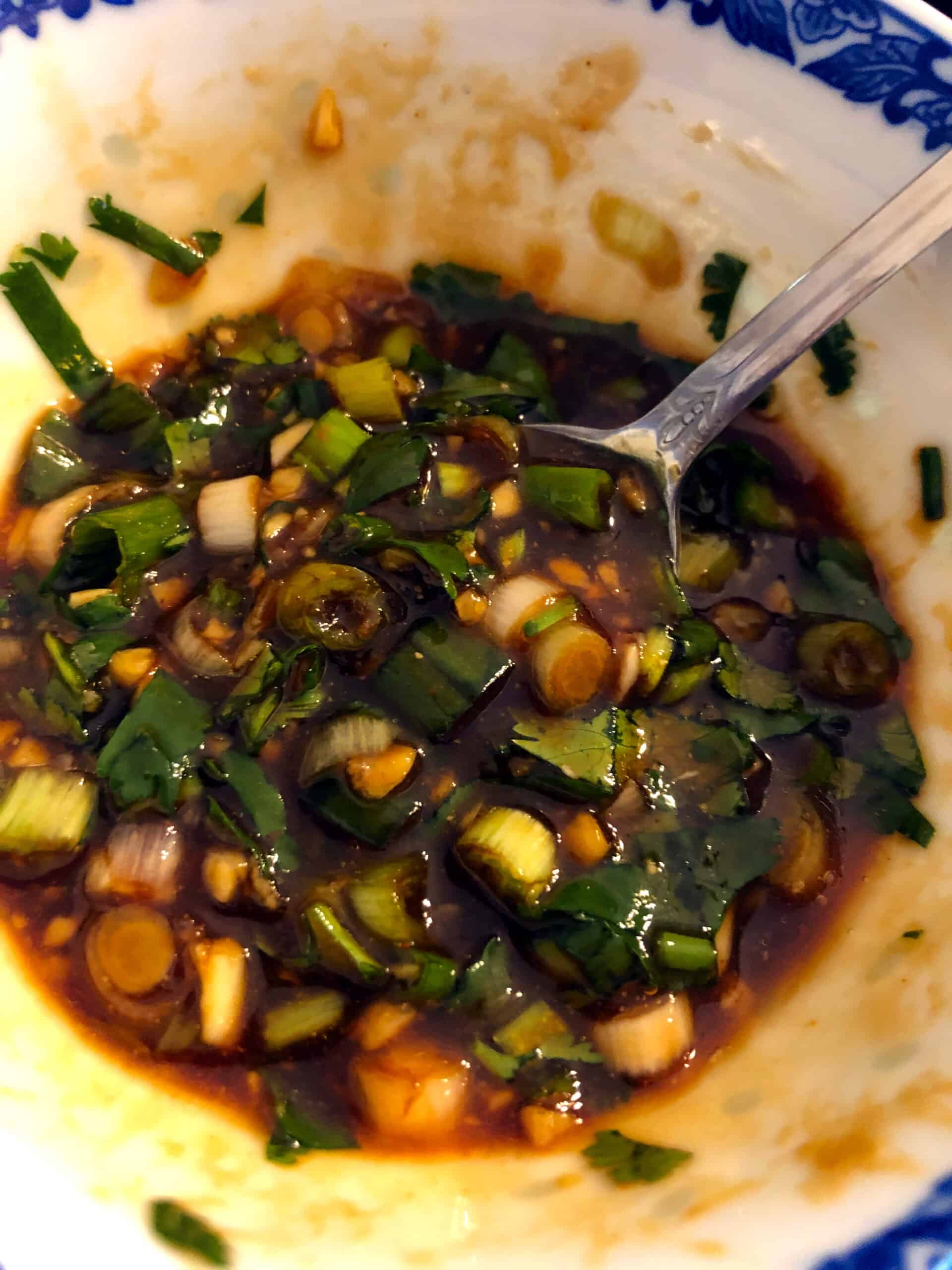
Classic Taiwanese Sauce
The base usually starts with:
- Soy sauce - salty and savory foundation
- Sesame oil - adds a nutty aroma
- Garlic, minced - for a bold kick
- Scallions and/or cilantro, chopped - for freshness
- Shacha sauce (沙茶) - the star of Taiwanese dipping sauce, smoky, savory, and umami-rich
You can mix these together to taste, adjusting the ratios depending on how garlicky, salty, or nutty you like it. However, a good starting spot is:
- 2 tablespoon soy sauce
- 1 tablespoon shacha sauce (沙茶)
- 1 teaspoon sesame oil
- 1 clove garlic, minced
- 1 tablespoon scallions or cilantro, chopped
Optional Condiments to Customize
Every household (and restaurant) has their own version, so don't be afraid to mix and match. Some popular add-ins include:
- Chili oil - for extra heat
- Sesame butter (芝麻醬) - creamy and rich, balances spice
- Rice vinegar - adds brightness and acidity
- Fermented bean curd (腐乳) - funky, salty depth
- Hoisin sauce or XO sauce - for sweetness and umami
💡 Tip: Set out all the condiments "buffet style" and let everyone create their own custom dipping sauce - that's part of the fun of Taiwanese hot pot!
How to Eat Hot Pot at Home
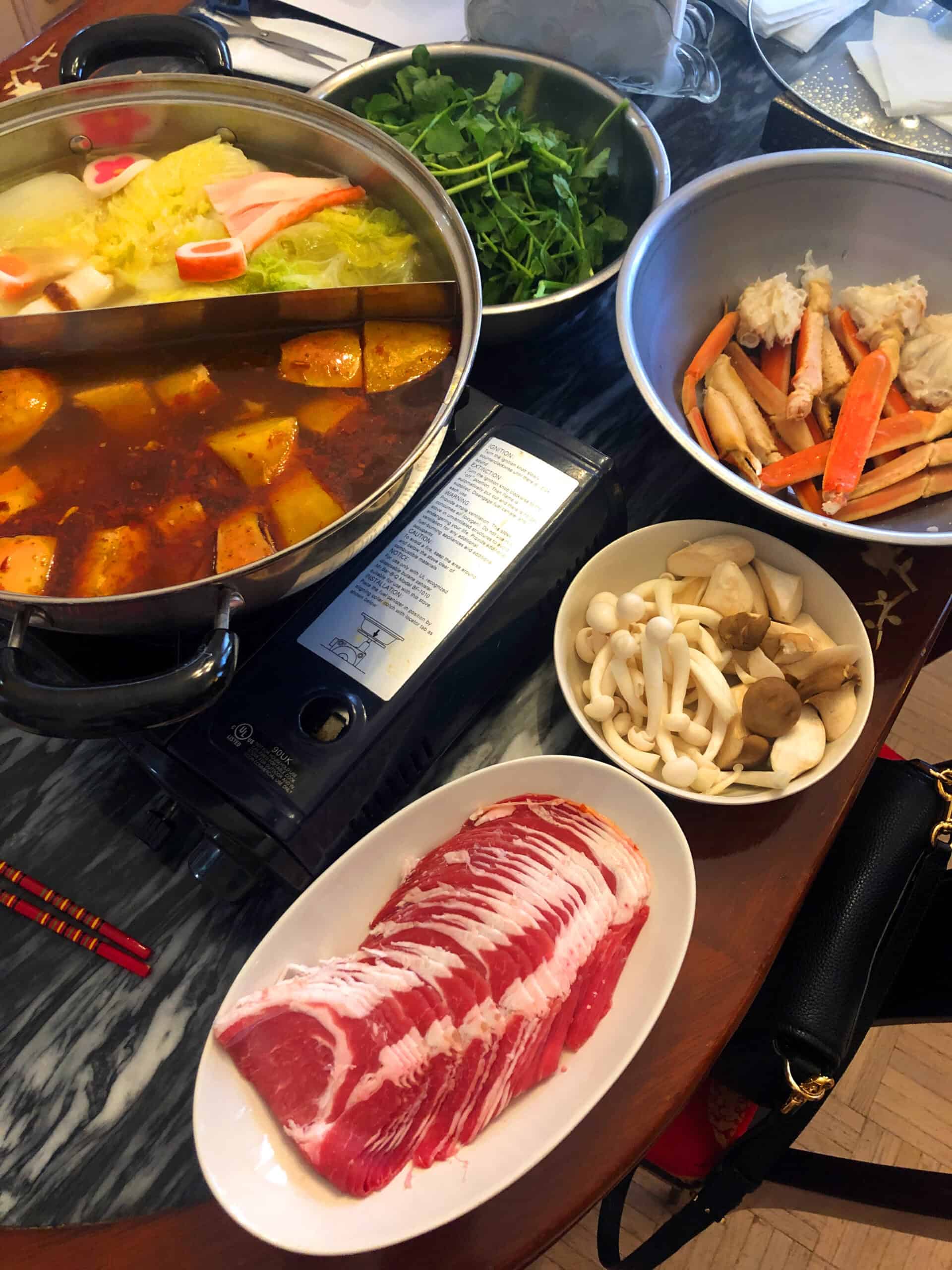
Hot pot is as much about the experience as it is about the food. Here's how to set up and enjoy Taiwanese hot pot at home:
Setup the Table
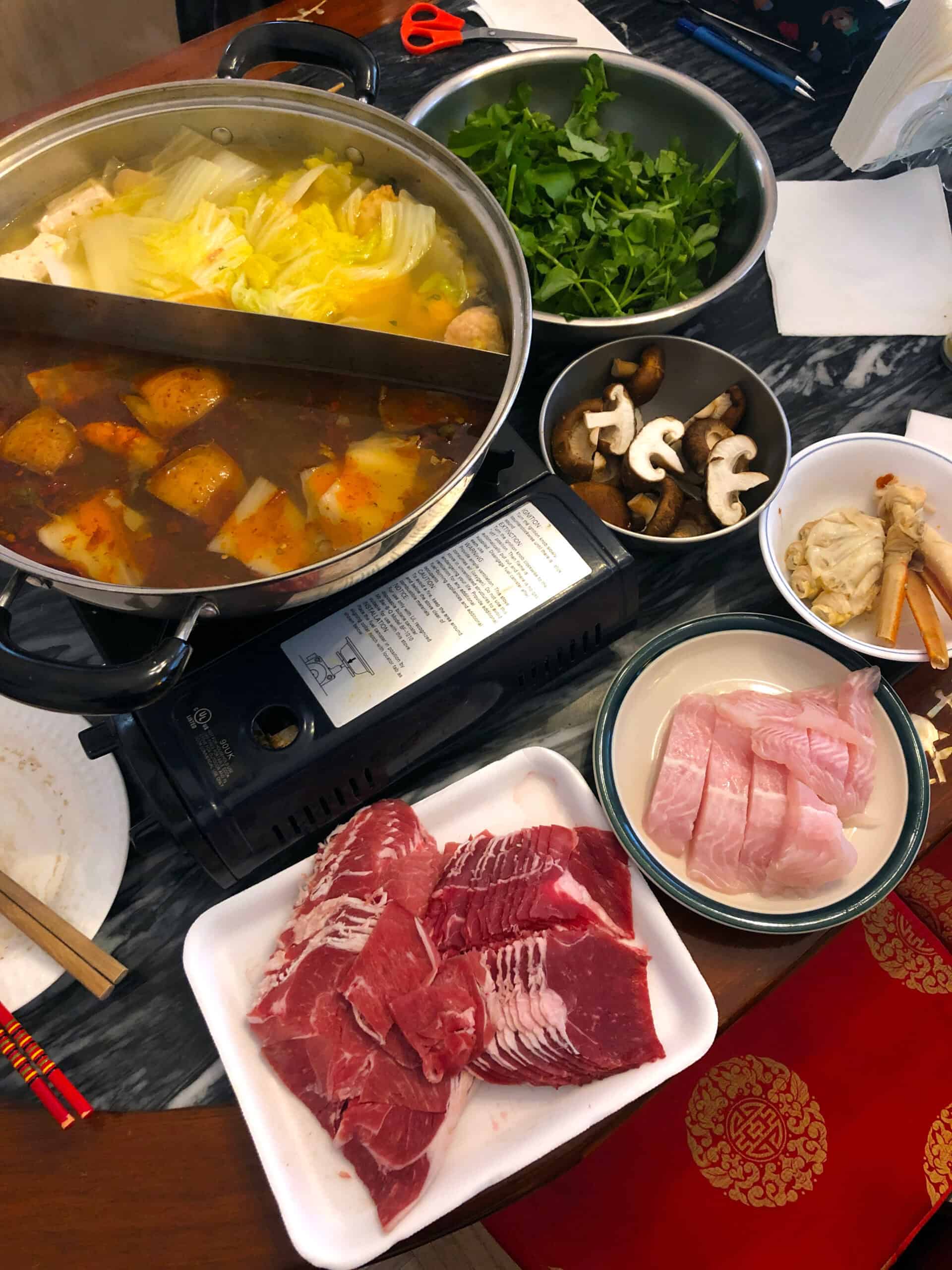
- Place a portable burner in the middle of the table with your hot pot (ideally a dual-sided yuan yang pot if using two broths). Arrange all your raw ingredients around the pot so everyone can reach easily.
- For utensils, here's what I recommend:
- Spare chopsticks just for grabbing food out of the hot pot (so people aren't dipping their eating chopsticks into the communal broth - call me a germaphobe, but it keeps things cleaner!).
- Personal chopsticks for eating, a plate for holding food as it cools, and a bowl for your dipping sauce.
- Ladle spoons and slotted spoons to help scoop broth, tofu, or things that are harder to grab with chopsticks (like meatballs).
- 💡 Tip: Having both "public" and "personal" chopsticks keeps the meal more enjoyable for everyone - plus it makes fishing things out of the pot a lot easier.
Customize with Sauce
- Each person makes their own dipping sauce using soy sauce, sesame oil, garlic, scallions, and the essential shacha sauce (沙茶).
- Add chili oil, vinegar, or sesame butter if you want more spice or richness.
Bring Broth to a Boil
- Bring your chosen broth (or broths) to a gentle boil.
- Add in items that take longer to cook and also flavor the broth - corn, daikon, napa cabbage, tofu, and meatballs.
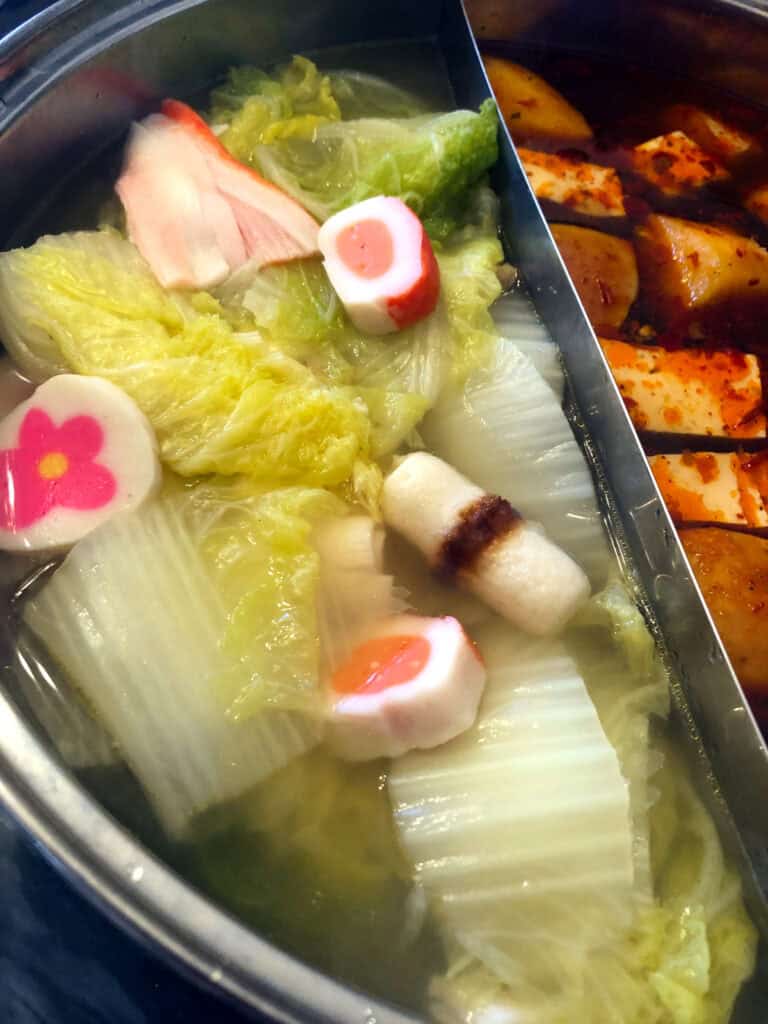
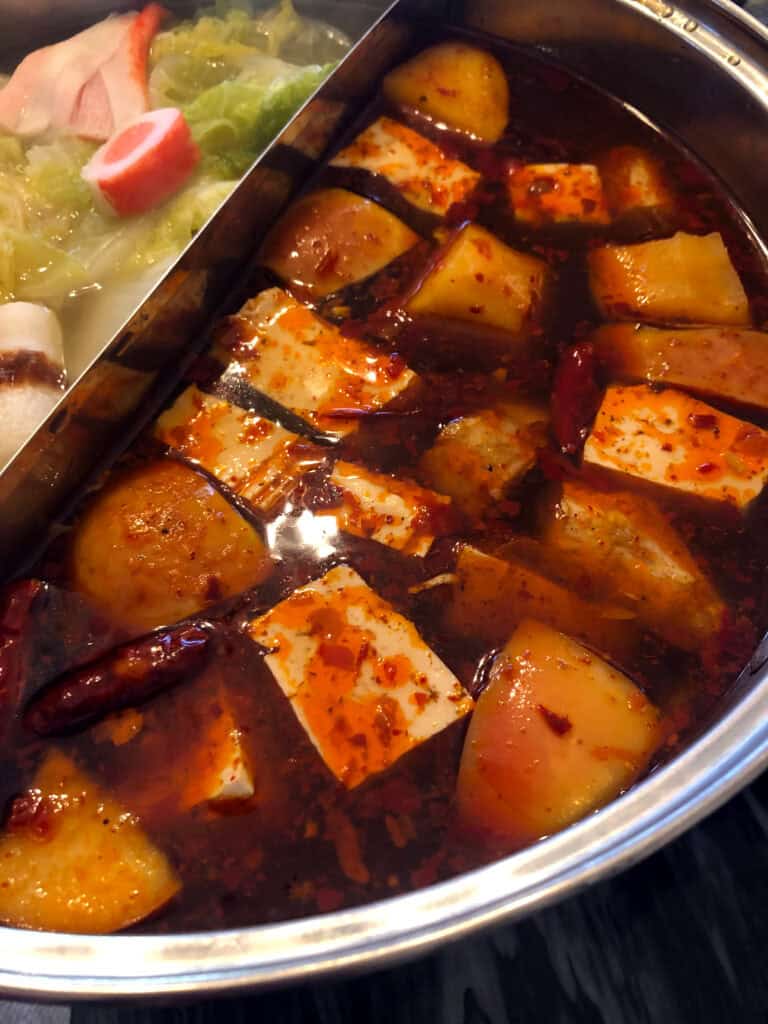
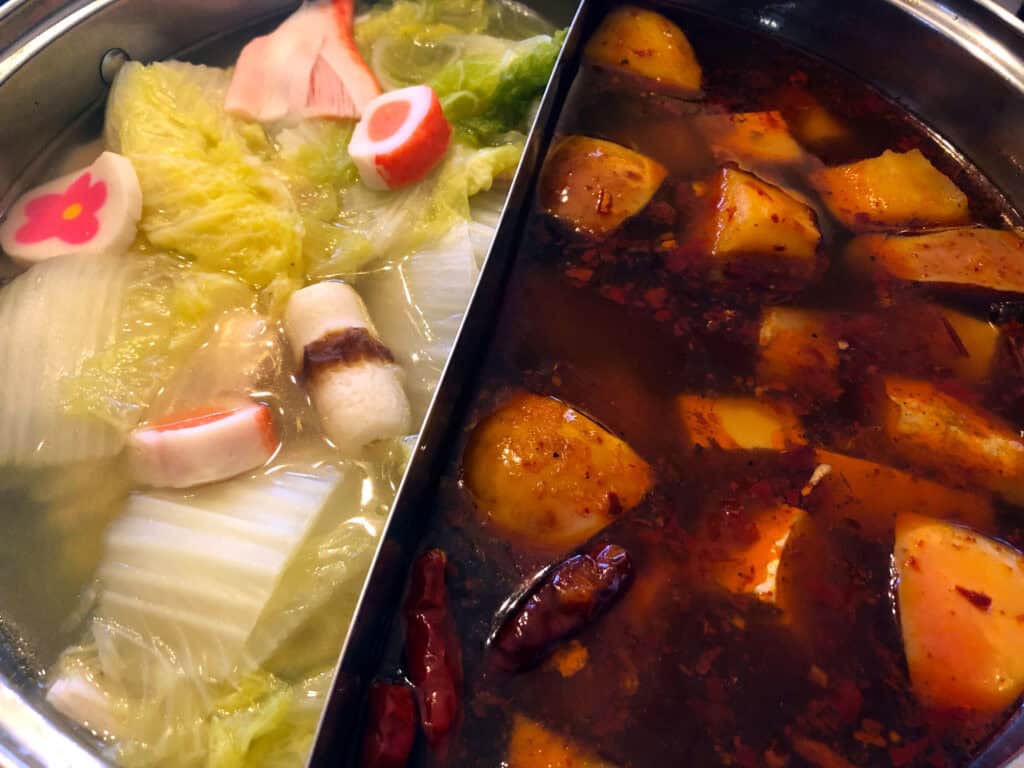
Cook in Batches
- Once the broth is simmering and flavorful, add quick-cooking ingredients like thinly sliced meats, seafood, and leafy greens.
- Meat cooks in just a few seconds - swish it around until the color changes, then dip in your sauce and enjoy!
- Continue adding ingredients little by little, cooking and eating as you go.
Enjoy the Broth at the End
- By the end of the meal, the broth will be incredibly rich from all the meats, seafood, and vegetables that have simmered in it.
- Ladle some into your bowl and enjoy it like soup - it's one of the best parts of hot pot!
💡 Tip: If you still have broth left over, save it for the next day - it makes a fantastic base for noodle soup... OR ANOTHER day of hot pot (I can have it for so many days lol).
Storage & Reheating Leftovers
One of the best things about hot pot is that the broth keeps getting more flavorful as ingredients simmer in it. Leftovers can definitely be enjoyed again, but a few guidelines will help keep everything tasting its best:
- Broth: Store cooled broth in an airtight container in the fridge for up to 2-3 days. By the next day it will be even richer and makes a fantastic base for noodle soup.
- Ingredients: If possible, store the cooked ingredients separately from the broth so they don't get mushy.
- Seafood: Eat all seafood the same day - it doesn't store well once cooked.
- Meats & Veggies: Can usually be kept for 1-2 days in the fridge, but will lose some texture.
- Reheating: Reheat broth in a pot on the stove until steaming hot. Add leftover meats, tofu, and veggies at the end just long enough to warm through.
💡 Tip: If you have extra uncooked sliced meat or seafood, don't leave it out too long during the meal. Wrap it back up and return it to the fridge/freezer so you can enjoy it for another hot pot session later.
FAQ About Taiwanese Hot Pot
Can I reuse hot pot broth?
Yes! The broth actually gets more flavorful as you cook more ingredients. You can save it for 2-3 days in the fridge. Just reheat until steaming hot. (Seafood broth is best enjoyed the same day.)
What's the best meat for Taiwanese hot pot?
Thinly sliced beef (like ribeye or brisket), pork belly, and lamb (my fave) are the most common. You can usually find hot pot meat packs at Asian supermarkets, already sliced for quick cooking.
Do I need special equipment to make hot pot at home?
Technically… no. You could do it right on your stove, but it's way more fun (and comfortable) to use a portable butane stove or an induction burner at the table. That way everyone can sit together and enjoy the full hot pot experience!
What dipping sauce is used in Taiwanese hot pot?
The signature sauce includes soy sauce, sesame oil, garlic, scallions, and shacha (沙茶) sauce. You can customize with chili oil, vinegar, sesame butter, or fermented bean curd.
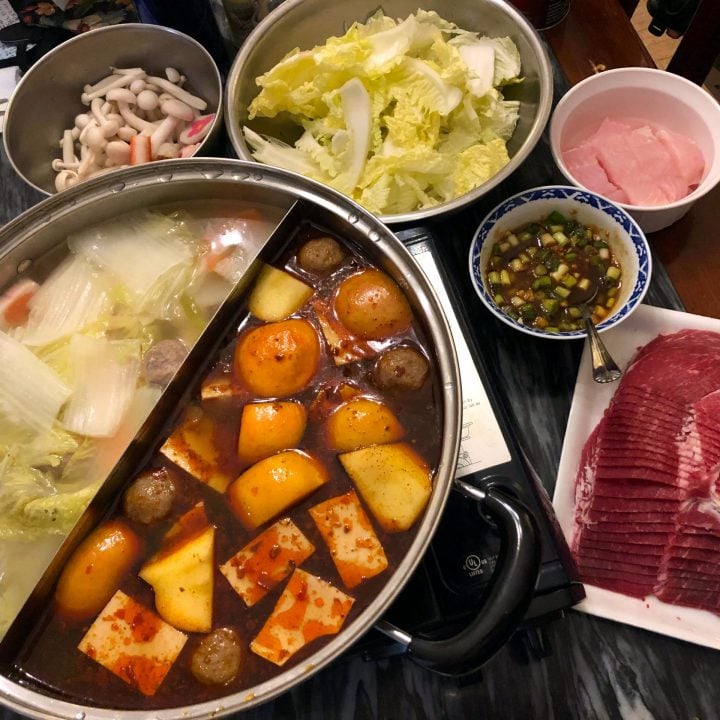
Taiwanese Hot Pot Recipe
Taiwanese Hot Pot (火鍋, huǒ guō) is one of the most beloved meals in Taiwan — a bubbling pot of broth at the center of the table where everyone cooks thinly sliced meats, seafood, fresh vegetables, tofu, and noodles, then dips them in flavorful sauces.
Ingredients
Option 1: Chicken Broth (Easy & Family-Friendly)
- 2 (32 oz) boxes chicken broth
- 8 cups water
- 2 tablespoon cooking oil
- 2 tablespoon dried shrimp (adds umami)
Option 2: Spicy Mala Broth (Sichuan-Style)
- 10 cups water or stock
- 2 tablespoon cooking oil
- 4–5 tablespoon chili bean paste (doubanjiang)
- 1–2 teaspoons Chinese chili powder (adjust to taste)
- 3 inches ginger, sliced
- 4 dried red peppers
- 2 tablespoon Sichuan peppercorns (adjust for numbing)
- 1 apple, cut into 1-inch pieces (adds subtle sweetness)
Hot Pot Ingredients (mix & match)
- 2 lbs thinly sliced beef, pork, or lamb
- 1 lb seafood (shrimp, fish fillets, squid, clams)
- Napa cabbage (大白菜), chopped
- Mushrooms (shiitake, enoki, king oyster, button)
- Daikon radish, sliced
- Corn on the cob, cut into chunks
- Tofu (firm or fried tofu puffs)
- 16 oz assorted meatballs (fish, pork, beef, shrimp)
- Glass noodles (冬粉), soaked 20 minutes
- Other favorites: kamaboko, crab sticks, egg dumplings (蛋餃)
Dipping Sauce (per person)
- 2 tablespoon soy sauce
- 1 tablespoon shacha sauce (沙茶)
- 1 teaspoon sesame oil
- 1 clove garlic, minced
- 1 tablespoon scallions or cilantro, chopped
- (Optional: chili oil, vinegar, sesame butter, fermented bean curd)
Instructions
- Prepare the Broth - Chicken Version: Heat oil in a small pan, add dried shrimp, and stir-fry until fragrant. Add to a pot with chicken broth and water. Bring to a boil, then simmer. Spicy Mala Version: Bring water/stock to a boil. In a pan, heat oil and fry chili bean paste, ginger, and dried peppers until fragrant. Add to pot with chili powder, Sichuan peppercorns and apple. Simmer 15–20 minutes.
- Prep IngredientsWash, slice, and arrange meats, seafood, veggies, tofu, and noodles on plates around the table.
- Make the Dipping SauceMix soy sauce, shacha, sesame oil, garlic, and scallions. Customize with optional condiments.
- Set Up the TablePlace the burner and hot pot in the middle. Provide communal chopsticks, personal chopsticks, bowls for sauce, and ladles/slotted spoons.
- Cook & EatAdd hearty items (corn, daikon, napa, tofu, meatballs) first. Then add thin meats, seafood, and leafy greens in small batches. Swish meats until color changes, then dip and eat.
- Finish with BrothLadle soup into bowls at the end — rich with flavor from all the ingredients.Tip: For extra broth variations, ingredient tips, and photos, check the full blog post.
Notes
- Storage: Store broth up to 2–3 days in the fridge. Keep broth separate from ingredients if possible.
- Seafood: Eat the same day — doesn’t keep well.
- Reheating: Warm broth on the stove until steaming; add leftover ingredients at the end to heat through.
- Variations: Store-bought bases (mala, tomato, mushroom, herbal) are an easy shortcut.
- Pro Tip: Use a dual-sided yuan yang pot if you want to serve both broths at once.
Recommended Products
As an Amazon Associate and member of other affiliate programs, I earn from qualifying purchases.
-
 Dezin 5-QT Double-flavor Shabu Shabu Pot with Divider, Dual Sided Nonstick Hot Pot, 12 Inch Divided Stockpot for Cooking, Hotpot Pot for Induction Cooktop, Gas Stove & Hot Burner, Soup Ladle Included
 -
Duxtop 1800W Portable Induction Cooktop Countertop Burner, Gold 8100MC/BT-180G3
-
Lao Gan Ma Spicy Chili Crisp (Chili Oil Sauce) - 7.41 Ounce+ Only one NineChef Spoon
-
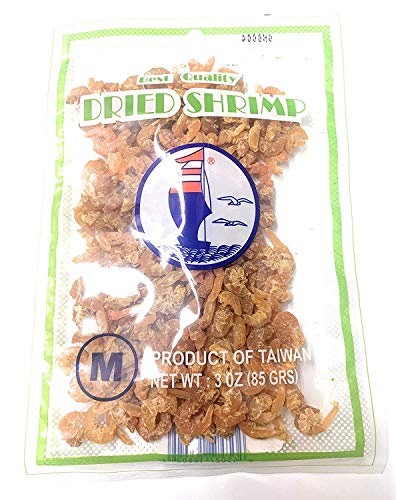
Dried shrimp - 3 oz
-
Kadoya Pure Sesame Oil, 22.10 Fluid Ounce
-
Wan Ja Shan Organic Aged Soy Sauce, 33.8fl.oz
-
Szechuan Peppercorns, Sichuan Red Peppercorns, Whole Szechuan Peppercorns, Sichuan peppercorns, Key Ingredients for Mapo Tofu and Scihuan Dishes, By 52usa. (4OZ)
-
Lee Kum Kee LKK Chili Bean Sauce (Toban Djan) 13 Oz, 1 Pack




Nutrition Information:
Yield: 12 Serving Size: 1Amount Per Serving: Calories: 892Total Fat: 35gSaturated Fat: 11gTrans Fat: 1gUnsaturated Fat: 20gCholesterol: 148mgSodium: 1272mgCarbohydrates: 88gFiber: 9gSugar: 11gProtein: 56g
The nutrition information for this recipe is an approximate total per serving. Please double check the nutrition information for your exact ingredients and brands for more precise nutrition information.
More Taiwanese Recipes You'll Love
If you enjoyed this Taiwanese Hot Pot, check out these other comforting dishes from my kitchen:
- Taiwanese Beef Noodle Soup (紅燒牛肉麵) - Tender braised beef, rich broth, and chewy noodles - the ultimate comfort food.
- Taiwanese Pickled Chili Chicken Soup (剝皮辣椒雞湯) - A cozy chicken soup with a gentle spicy kick from peeled pickled green chilies.
- Taiwanese Ginger Fish Soup (薑絲魚湯) - Light, healthy, and full of flavor from white fish, julienned ginger, and scallions.
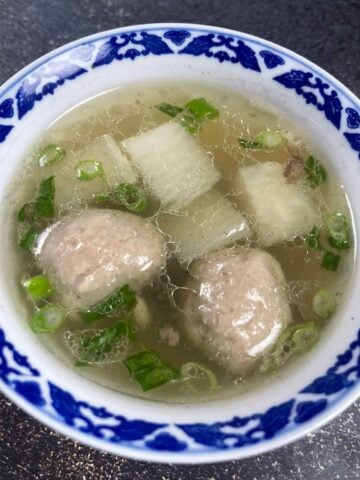
- Taiwanese Meatball Soup with Daikon Radish - A light and comforting Taiwanese-style soup made with tender pork meatballs, daikon radish, and a simple clear broth.
Pin for later!
Got questions or comments? Drop them below!