
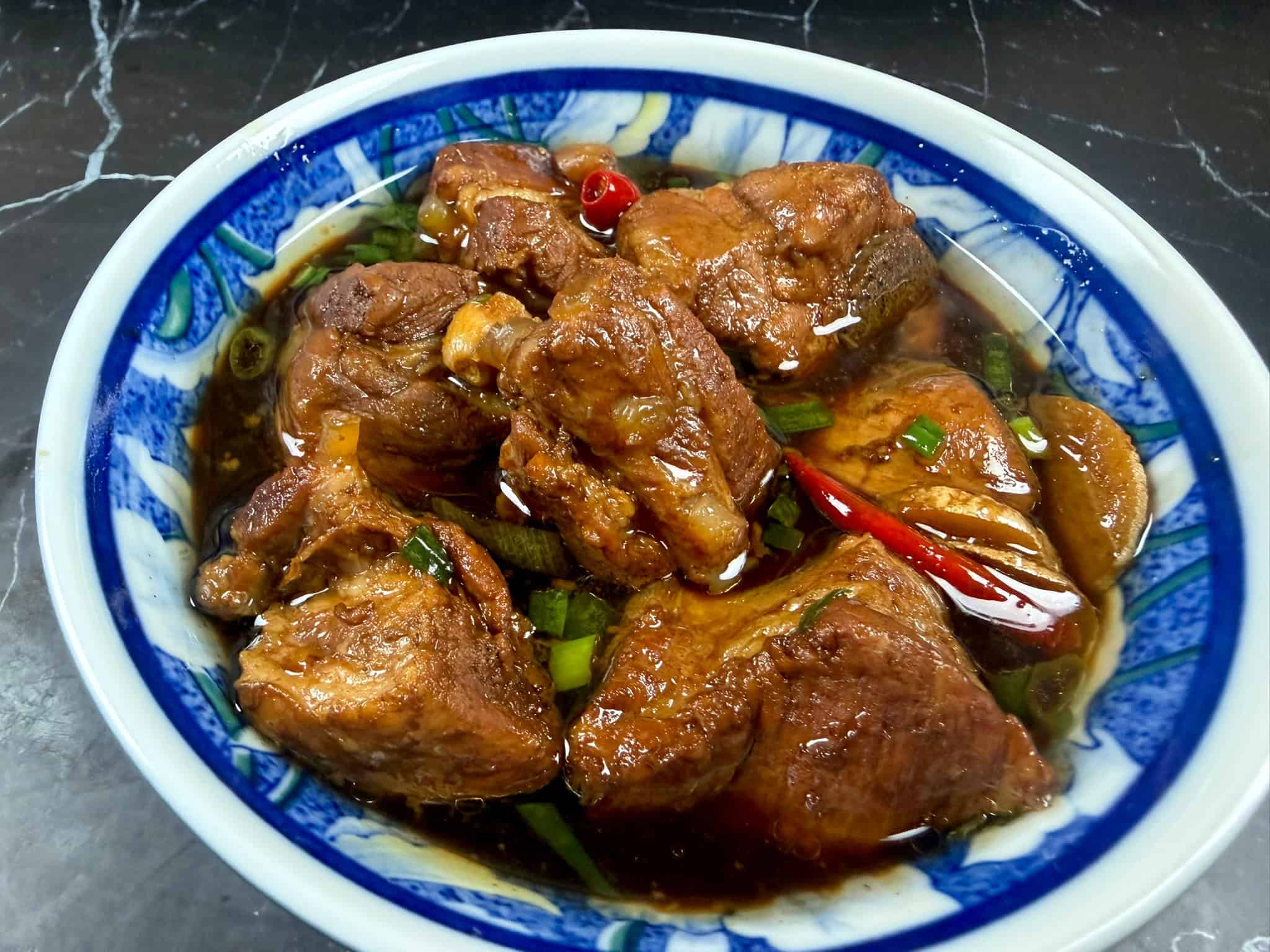
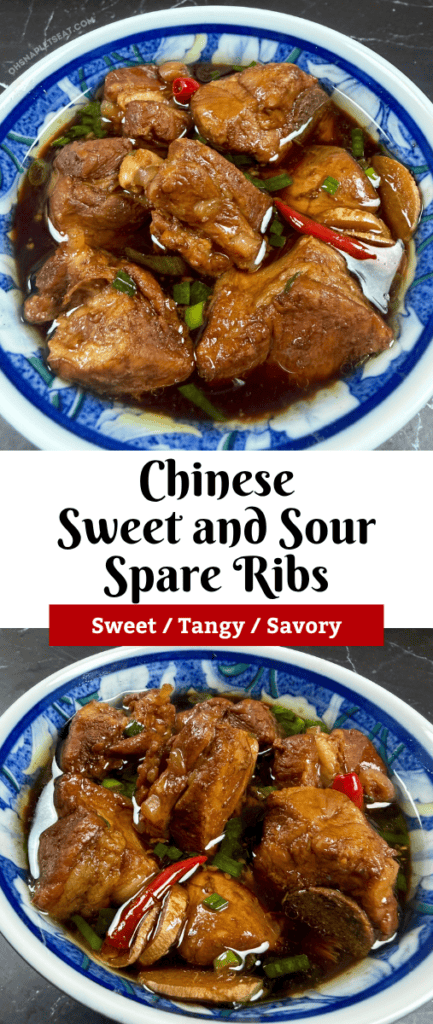
These Chinese Sweet and Sour Spare Ribs, also known as Tang Cu Pai Gu (糖醋排骨), are tender pork ribs simmered in a savory, tangy, and slightly sweet sauce made with soy sauce, vinegar, rice wine, garlic, and brown sugar.
Jump to:
This is the way my mom made sweet and sour ribs when I was growing up. She normally prepared the dish with longer, individually cut ribs rather than the smaller pieces often used for Chinese-style spare ribs.
You can make this recipe either way. Longer ribs create the nostalgic version I remember from my mom, while ribs cut into 1-2-inch pieces cook a little faster and get even more of the glossy sweet and sour sauce on every bite.
Unlike American Chinese sweet and sour pork, this dish does not use battered pork, pineapple, or a bright red sauce. It is a simple Chinese homestyle rib dish made by simmering the pork directly in the sauce - no deep frying required.
If you enjoy these sweet and sour flavors, try my Chinese Sweet and Sour Chicken Drumsticks 糖醋雞腿 too! They're made with juicy chicken drumsticks simmered in a savory, tangy, and slightly sweet sauce.
Why You'll Love This Recipe
- The glossy sauce is especially delicious served with steamed white rice.
- It is based on my mom's Chinese sweet and sour spare ribs.
- The ribs simmer until tender without needing to be deep-fried.
- You can use long ribs or smaller 1-2-inch rib pieces.
- The sauce is savory, garlicky, tangy, and slightly sweet.
- Everything cooks in one wok or deep pan after the ribs are blanched.
What Are Chinese Sweet and Sour Spare Ribs?
Chinese Sweet and Sour Spare Ribs are known as Tang Cu Pai Gu in Mandarin Chinese.
- Táng (糖) means sugar.
- Cù (醋) means vinegar.
- Pái gǔ (排骨) means pork ribs.
There are many regional and family variations of the dish. Some versions are fried before being coated in sauce, while others are braised or simmered.
My mom's version is a homestyle, no-fry recipe. The ribs are first blanched and then simmered with brown sugar, garlic, rice wine, soy sauce, and vinegar until tender. The remaining cooking liquid is reduced into a rich, glossy sauce.
Long Ribs or 1-2-Inch Chopped Ribs
My mom traditionally used longer rib pieces, but pork spare ribs cut into 1-2-inch pieces also work very well.
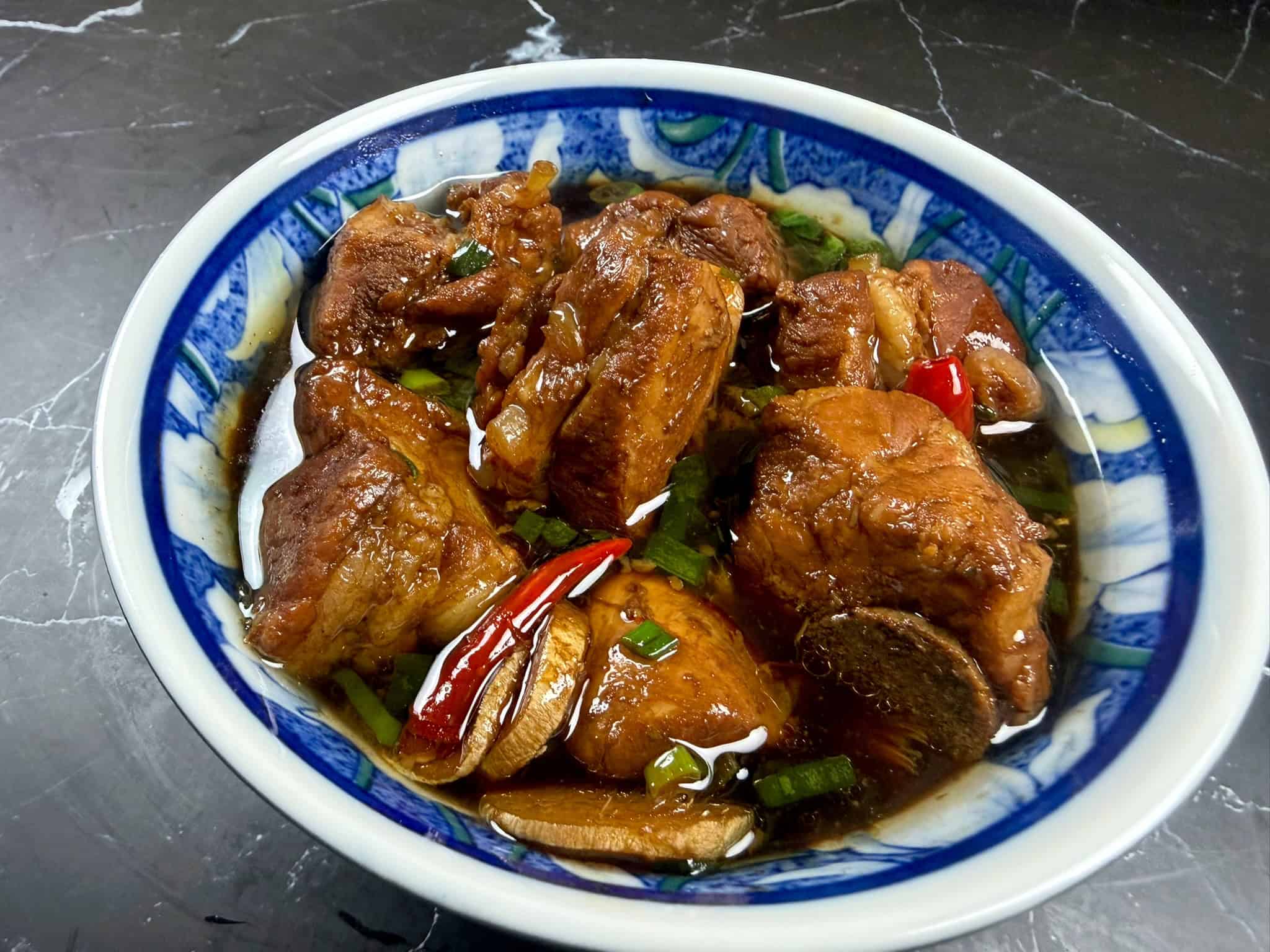
Long rib pieces
Longer, individually separated ribs give you the version my mom made. Because the pieces are larger, they generally need about 35-45 minutes of simmering to become tender.
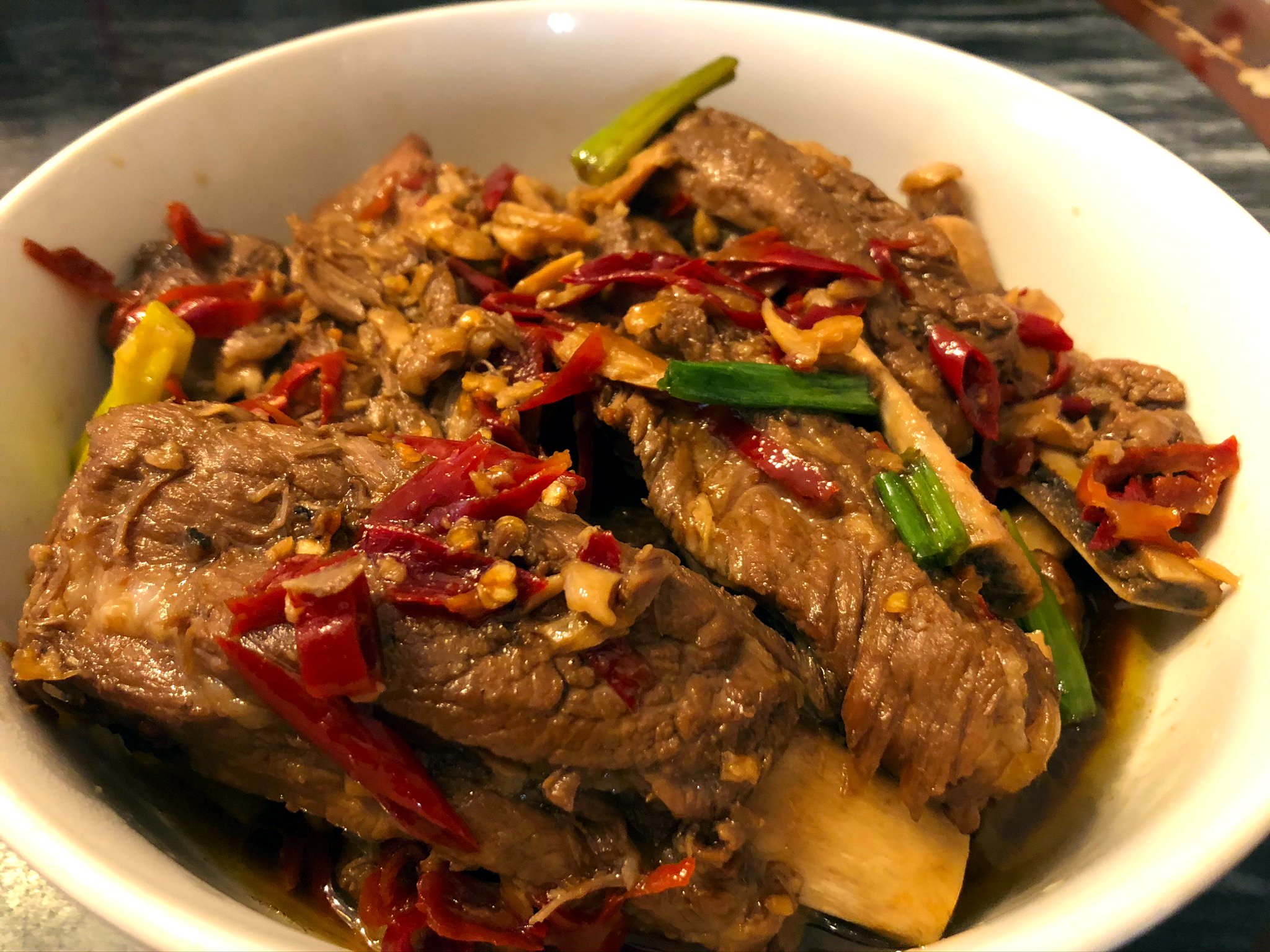
Chopped Chinese-style ribs
Smaller rib pieces have more surface area for the sauce to cling to and are easy to serve with rice as part of a family-style meal.
Ask the butcher or meat department to cut the ribs crosswise into 1-2-inch pieces with a meat saw. It is difficult to safely cut through thick rib bones with an ordinary kitchen knife.
Smaller pieces usually need about 25-35 minutes of simmering. Begin checking them around the 25-minute mark.
Ingredients
Pork spare ribs
Use approximately 1 pound of pork spare ribs. They can be left as long, individual ribs or cut crosswise into 1-2-inch pieces.
If you are using chopped ribs, rinse them well after blanching to remove any small pieces of bone left from the cutting process.
Brown sugar
Brown sugar adds sweetness and helps create the dark, glossy sauce.
You can adjust the amount slightly depending on how sweet you prefer your sweet and sour ribs.
Garlic
Smashed garlic cloves flavor the cooking oil and sauce. Keep the heat low when cooking the garlic and sugar so neither one burns.
Michiu
Michiu is a Taiwanese rice cooking wine that adds flavor and helps balance the richness of the pork.
Another unsalted Chinese rice cooking wine can be used when michiu is unavailable. Avoid sweet mirin because it will make the sauce sweeter.
Light and dark soy sauce
Light soy sauce provides most of the savory flavor, while dark soy sauce adds deeper color and a slightly richer taste.
Vinegar
You can use either unseasoned rice vinegar or Chinese black vinegar.
Rice vinegar produces a lighter, brighter flavor. Chinese black vinegar, such as Chinkiang vinegar, gives the sauce a deeper and more complex flavor.
Do not use seasoned sushi vinegar because it already contains added sugar and salt.
Red chili peppers
Chopped red chili peppers add a little heat and color. They can be reduced or omitted for a milder dish.
Green onions
Green onions are added near the end so they retain some of their fresh flavor.
How to make Sweet and Sour Spare Ribs (Step by Step)
1. Blanch the ribs
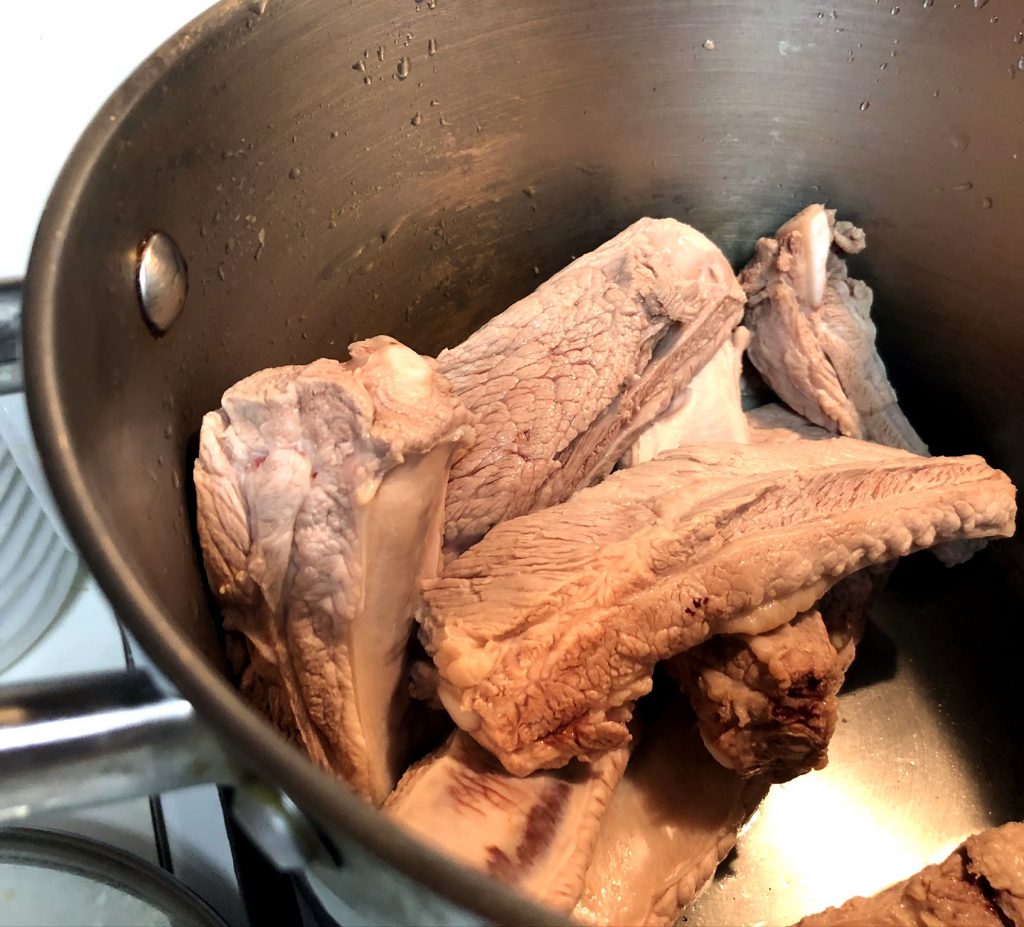
Place the pork spare ribs in a pot and add enough water to cover them.
Bring the water to a boil and cook the ribs for approximately 2-3 minutes. Foam and impurities will begin to rise to the surface.
Drain the ribs and discard the blanching water.
Rinse the ribs briefly under running water and drain them well. If you are using chopped ribs, check for and rinse away any small fragments of bone.
Blanching the ribs first removes excess blood and impurities and gives the finished sauce a cleaner flavor and appearance.
2. Cook the garlic and sugar
Heat the cooking oil in a wok, Dutch oven, or deep cooking pan over low heat.
Add the smashed garlic and brown sugar. Cook for approximately 1 minute, stirring frequently, until the sugar begins to melt into the oil.
Keep the heat low and watch the mixture carefully. Brown sugar can burn quickly once it begins to melt.
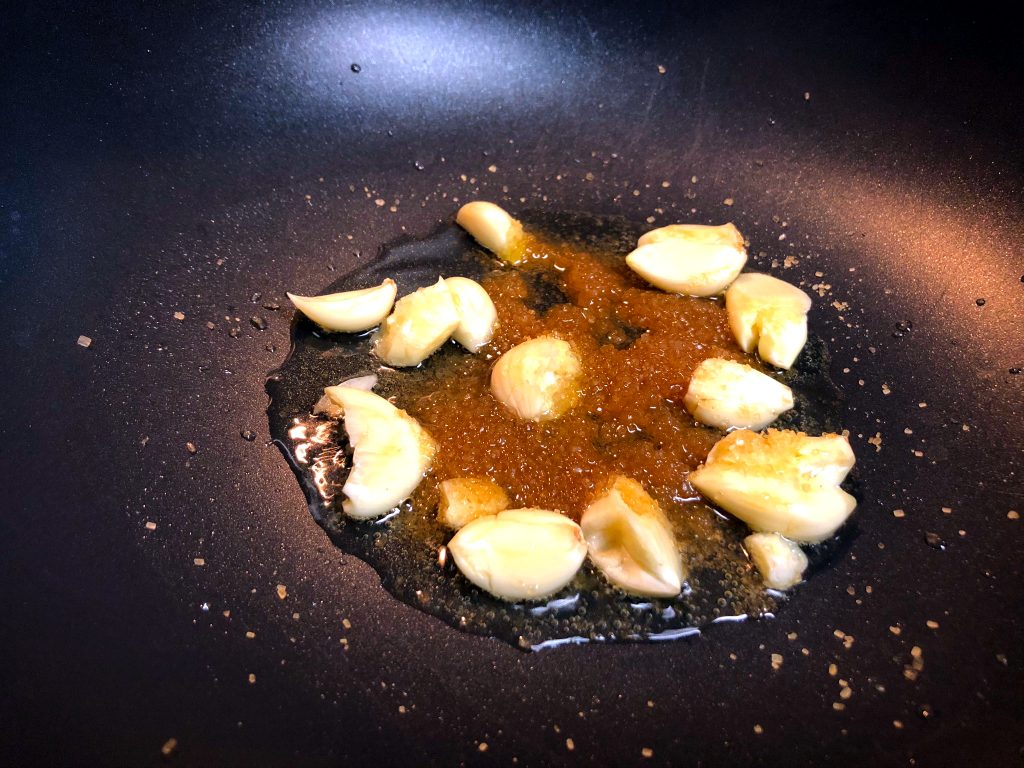
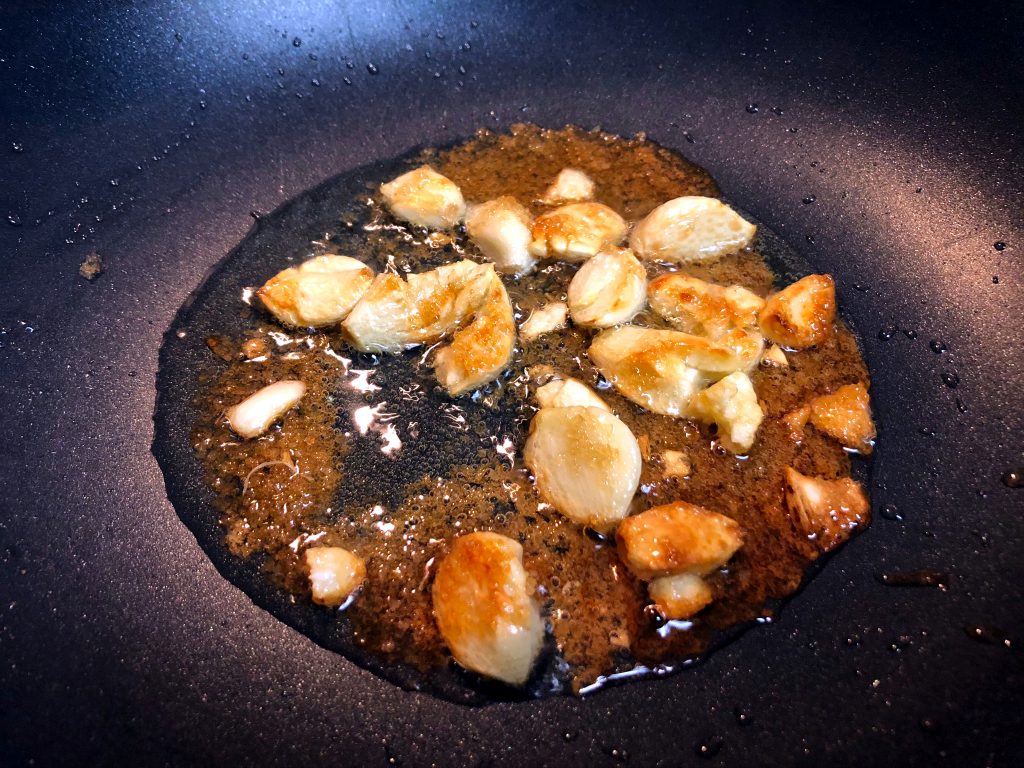
3. Add the ribs and seasonings
Add the drained ribs to the pan and stir to coat them in the brown sugar mixture.
Add the michiu, light soy sauce, dark soy sauce, vinegar, and chopped red chili peppers.
Stir until the ribs are evenly coated in the seasonings.
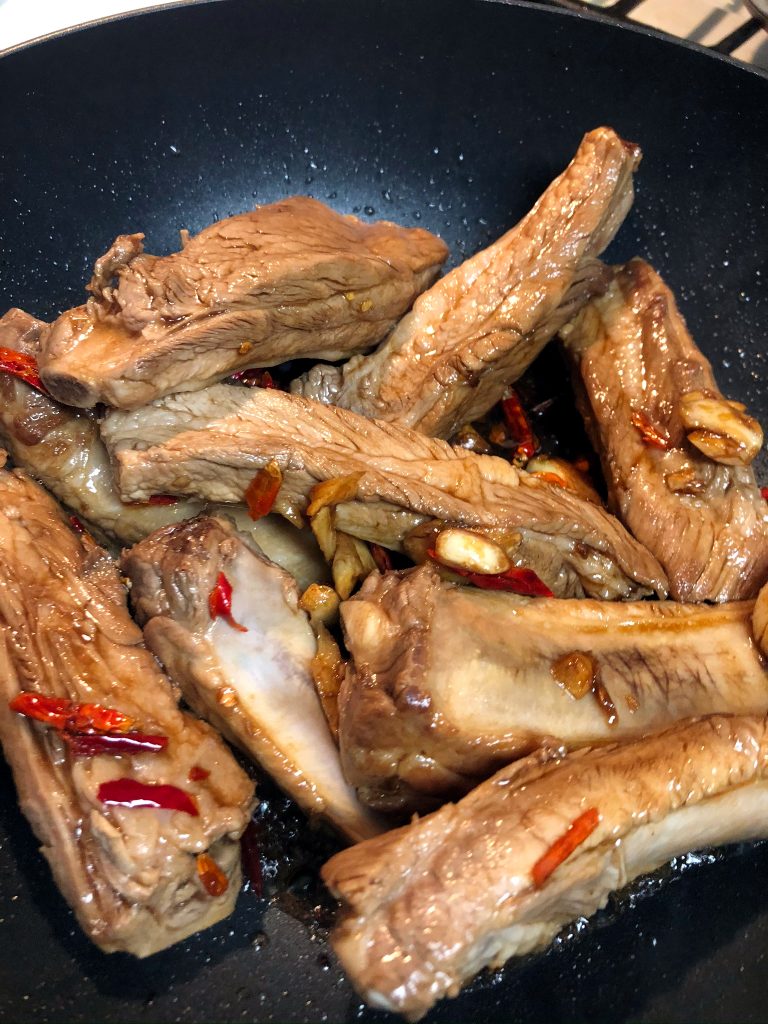
4. Add water and simmer
Pour in enough hot water to almost cover the ribs.
Increase the heat to high and bring the liquid to a boil. Once boiling, reduce the heat to medium-low and cover the pan.
Simmer ribs cut into 1-2-inch pieces for approximately 25-35 minutes.
Simmer longer rib pieces for approximately 35-45 minutes.
Stir occasionally so the ribs cook and absorb the sauce evenly. The exact cooking time will depend on the size and meatiness of your ribs.
The ribs are ready for the next step when the meat is tender and can be pierced easily with a fork or chopstick.
5. Reduce the sauce
Once the ribs are tender, remove the lid.
Increase the heat to medium or medium-high and continue cooking for approximately 5-10 minutes, stirring frequently.
As the liquid evaporates, it will thicken into a dark, glossy sauce that coats the ribs.
Watch the ribs closely during this stage. The sugar in the sauce can burn if the pan becomes too dry.
If the sauce becomes too thick before the ribs are tender, add a splash of hot water and continue cooking.
6. Add the green onions
Add the green onions and stir to combine.
Turn off the heat and serve the sweet and sour spare ribs hot with steamed white rice.
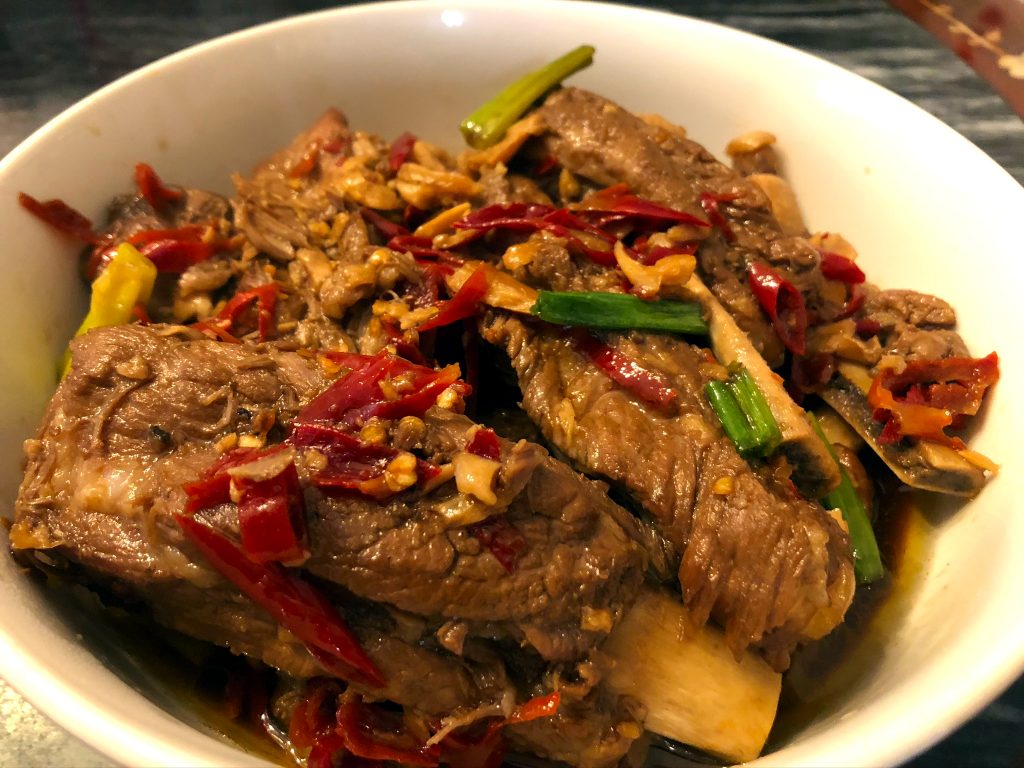
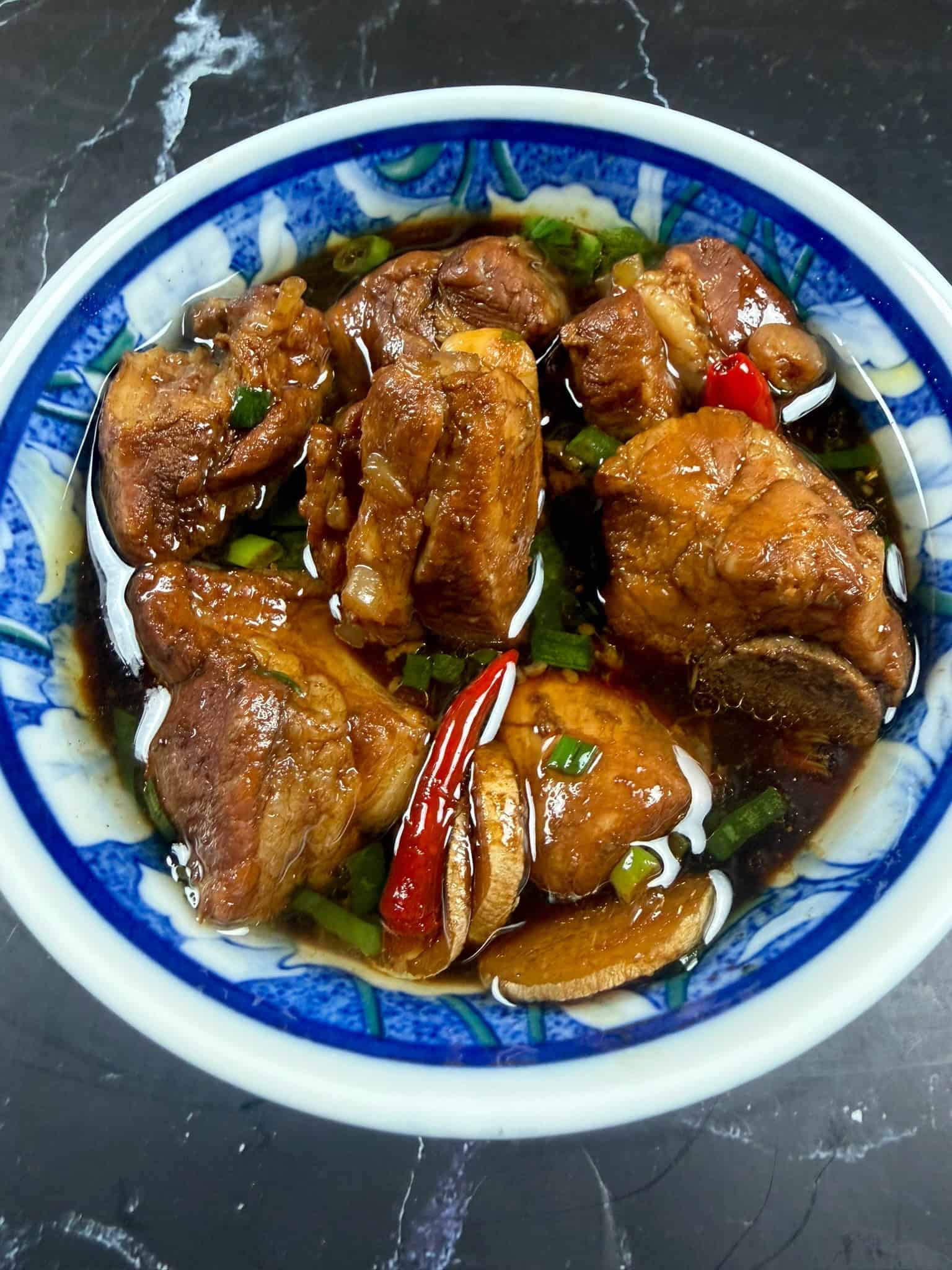
Here's what the short/cut ribs look like:
Tips for the Best Sweet and Sour Ribs
Drain the ribs well
Excess water left on the ribs can cause the oil to splatter and may prevent the sugar mixture from coating them properly.
Keep the heat low when melting the sugar
The goal is to gently melt the brown sugar into the oil-not burn or deeply caramelize it.
Use hot water for simmering
Adding hot water allows the contents of the pan to return to a simmer more quickly.
Adjust the cooking time to the rib size
Small rib pieces cook faster than long ribs. Begin checking 1-inch pieces after about 25 minutes.
Reduce the sauce at the end
The sauce may look thin while the ribs are covered and simmering. It thickens during the final uncovered cooking stage.
Stir frequently as the sauce thickens
Once most of the water evaporates, the sauce can go from glossy to burnt fairly quickly.
Storage & Reheat
- Refrigerator: Store cooled ribs with sauce in an airtight container for up to 3-4 days.
- Freezer: Freeze in portions with sauce for up to 2 months. Thaw overnight in the fridge before reheating.
- Reheating: Warm gently on the stovetop over medium-low heat until heated through, adding a splash of water if the sauce has thickened too much. You can also microwave in 30-second bursts, covered, to prevent splattering.
FAQ
What are spare ribs?
Spare ribs are pork ribs, very popular in Chinese and Asian cuisine. In Mandarin, they're called "Pai Gu" 排骨. Beef ribs are known as short ribs.
How many pounds of spare ribs per person?
Plan for ¾ to 1 pound per person (about 2-3 ribs each). If serving with rice and several dishes family-style, you can get away with less.
What goes well with sweet and sour spare ribs?
Since the ribs are rich and flavorful, pair with something light and fresh. Try:
- Stir Fry Asparagus with Garlic
- Shanghai Bok Choy Stir Fry with Garlic
- Stir Fry Napa Cabbage with Dried Shrimp
Chinese Sweet and Sour Spare Ribs Recipe
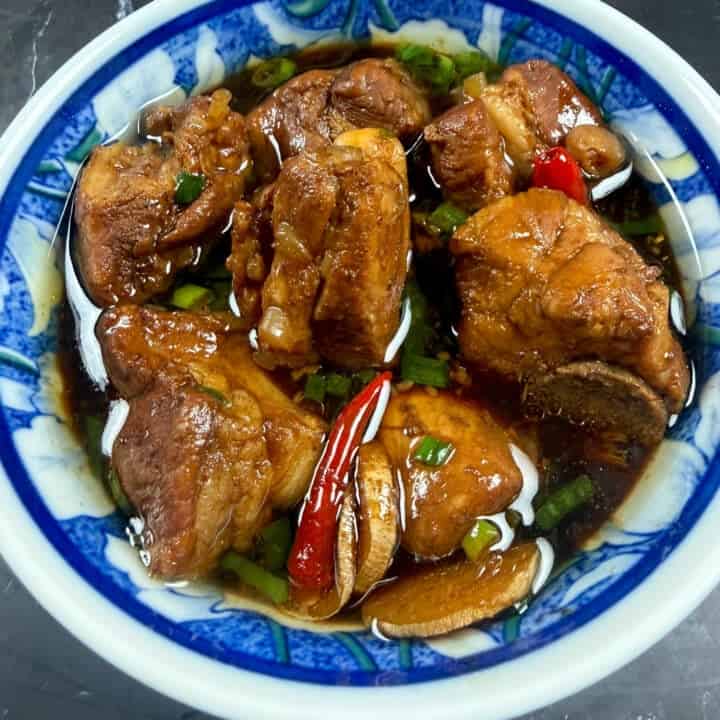
These Chinese Sweet and Sour Spare Ribs (糖醋排骨) are simmered with soy sauce, vinegar, rice wine, garlic, and brown sugar until tender and coated in a glossy, tangy-sweet sauce. Use long ribs like my mom did or Chinese-style ribs cut into 1–2-inch pieces.
Ingredients
- 1 pound pork spare ribs, left as long individual ribs or cut crosswise into 1–2-inch pieces
- Water, as needed
- 2 tablespoons cooking oil
- 2 tablespoons brown sugar
- 5 cloves garlic, smashed
- 2 tablespoons michiu or Chinese rice cooking wine
- 1 tablespoon light soy sauce
- 1 tablespoon dark soy sauce
- 3 tablespoons unseasoned rice vinegar or Chinese black vinegar
- 2 red chili peppers, chopped, optional
- 2 green onions, cut into 1-inch pieces
Instructions
- Blanch the ribs: Place the ribs in a pot and add enough water to cover them. Bring to a boil and cook for 2–3 minutes. Drain and discard the blanching water. Rinse the ribs briefly, checking chopped ribs for loose bone fragments, and drain well.
- Melt the sugar: Heat the cooking oil in a wok or deep pan over low heat. Add the smashed garlic and brown sugar. Cook for about 1 minute, stirring frequently, until the sugar begins to melt. Do not let it burn.
- Season the ribs: Add the ribs and stir to coat them in the sugar mixture. Add the michiu, light soy sauce, dark soy sauce, vinegar, and red chili peppers. Stir well.
- Simmer: Add enough hot water to almost cover the ribs. Increase the heat and bring to a boil. Reduce the heat to medium-low and cover. Simmer chopped 1–2-inch ribs for 25–35 minutes or longer ribs for 35–45 minutes, stirring occasionally, until tender.
- Reduce the sauce: Remove the lid and increase the heat to medium or medium-high. Cook for another 5–10 minutes, stirring frequently, until the liquid reduces into a thick, glossy sauce that coats the ribs.
- Finish: Add the green onions and stir well. Turn off the heat and serve hot with steamed white rice.
Notes
- Use either Chinese black vinegar or rice vinegar - black vinegar gives a deeper, more complex flavor.
- Blanching the ribs first helps remove impurities and keeps the sauce clear.
- Adjust sweetness by adding a little more or less brown sugar to taste.
- If the sauce reduces too much, add a splash of hot water and simmer to loosen it back up.
- For extra flavor, you can add star anise or a small piece of ginger during the simmer.
Recommended Products
As an Amazon Associate and member of other affiliate programs, I earn from qualifying purchases.
-
 Michiu (Rice Cooking Wine)- 750ml (Pack of 1) by QIAN HU
 -
Lee Kum Kee Premium Dark Soy Sauce (16.9 oz - 1 Pack), Full-Bodied Naturally Brewed Soy Sauce, Non GMO Soybeans, Vegan, No MSG, Best for Adding Natural Colors to Stews, Gravies, Braised Dishes & Stir-Fried Noodles
-
Marukan Seasoned Rice Vinegar 12 Oz (12 oz), 12 oz
-
Wan Ja Shan Organic Aged Soy Sauce, 33.8fl.oz


Nutrition Information:
Yield: 4 Serving Size: 1Amount Per Serving: Calories: 472Total Fat: 34gSaturated Fat: 9gUnsaturated Fat: 26gCholesterol: 92mgSodium: 778mgCarbohydrates: 23gFiber: 1gSugar: 17gProtein: 20g
The nutrition information for this recipe is an approximate total per serving. Please double check the nutrition information for your exact ingredients and brands for more precise nutrition information.
More Delicious Pork Recipes!
Craving more tasty pork dishes? Here are a few favorites from the blog:
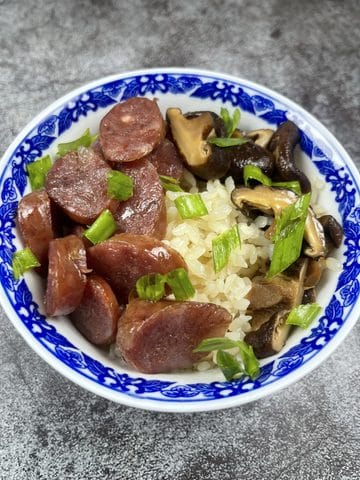
- Chinese Steamed Spare Ribs with Black Beans (豉汁蒸排骨): These ribs are marinated, lightly browned, then steamed with fermented black beans (douchi) for deep umami flavor.
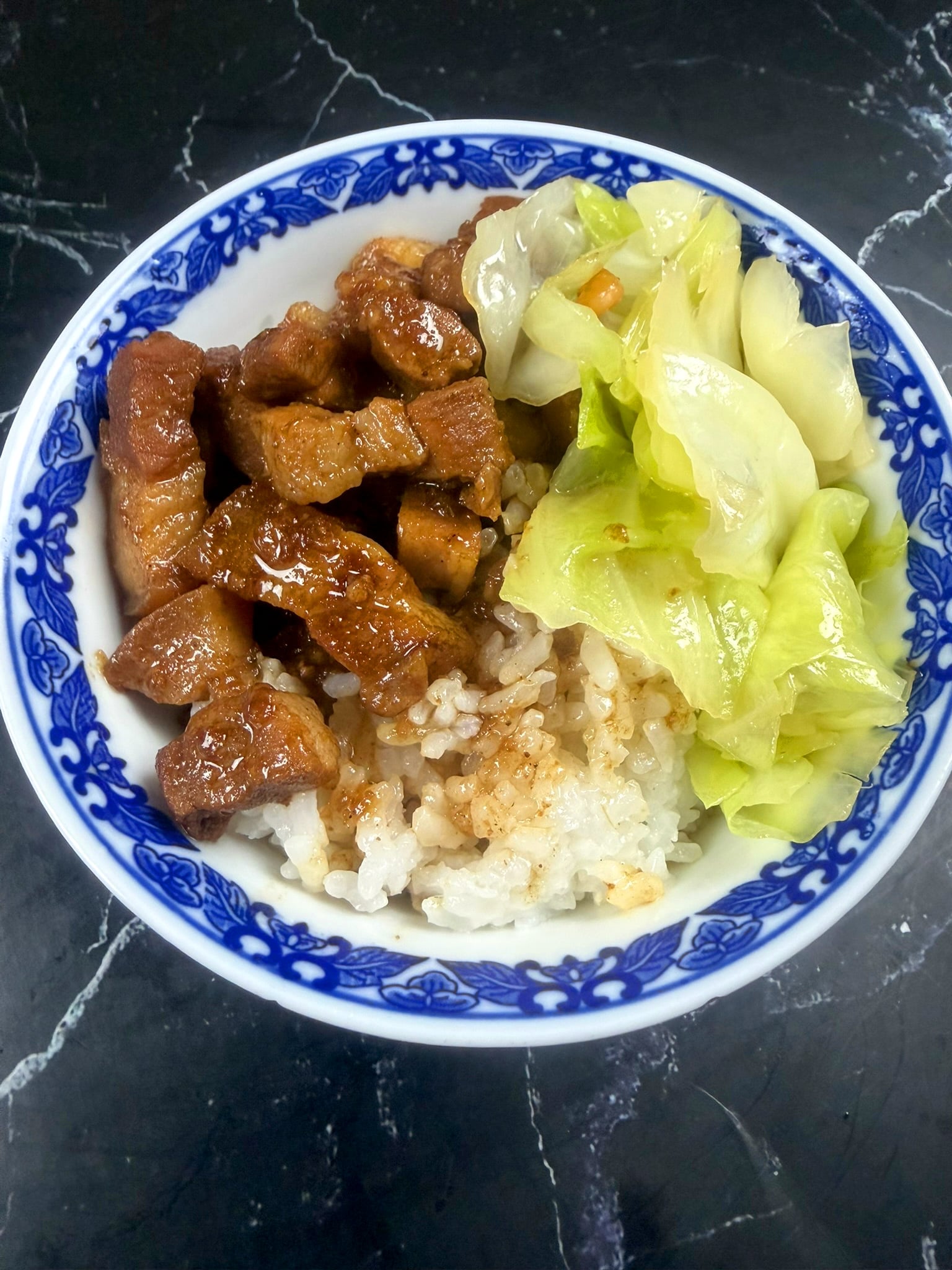
- Savory Ground Pork with Napa Cabbage: A comforting stir fry made with ground pork simmered in soy sauce and rice wine, with tender napa cabbage that soaks up all the flavor.
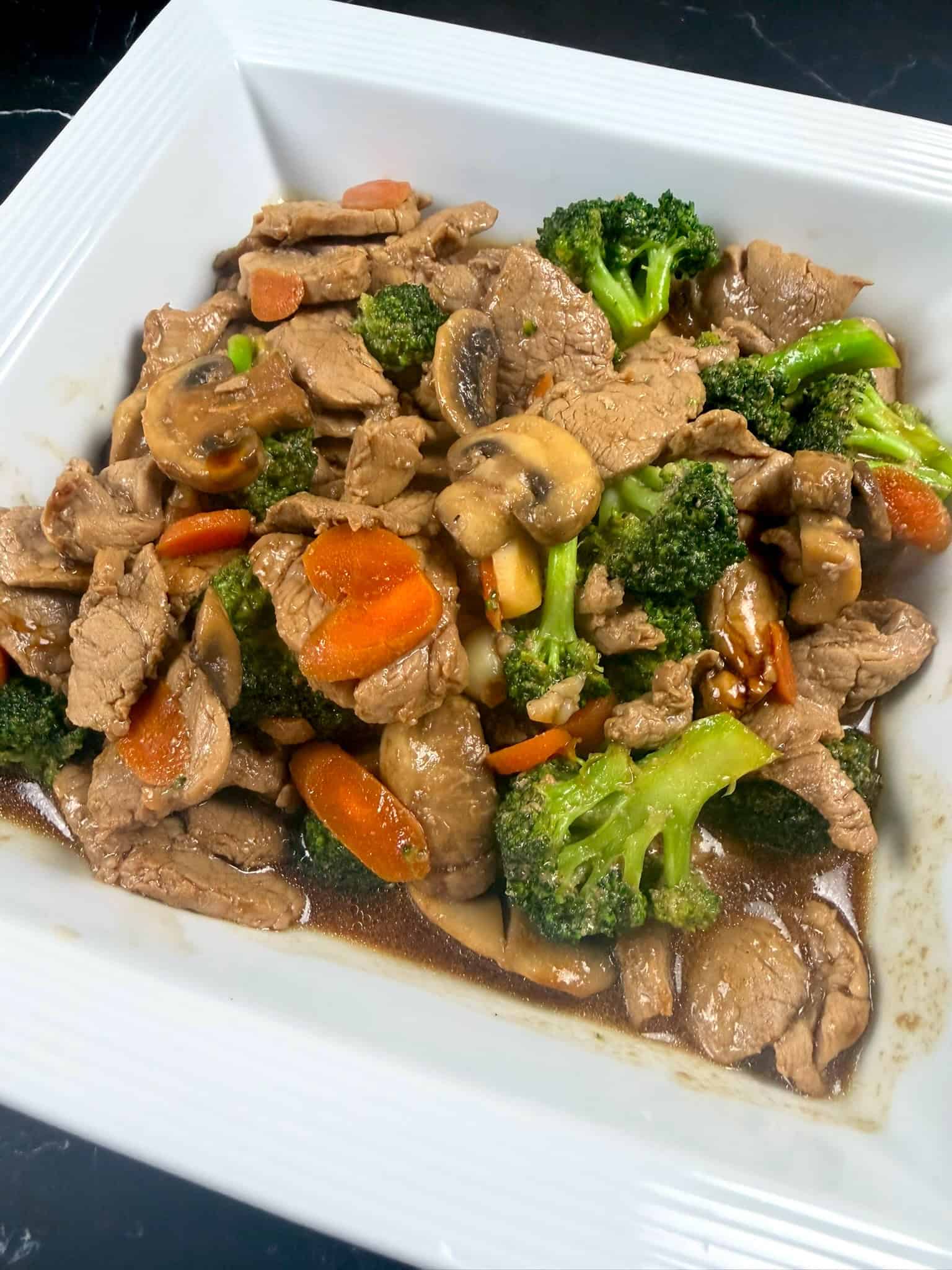
- Broccoli Pork Stir Fry: Succulent pork cooked with crisp broccoli in a flavorful stir fry sauce for an easy weeknight dinner.
- Taiwanese Pork Chop: Pork chops marinated, lightly coated, and pan-fried until golden brown and juicy inside - a Taiwanese classic.
Pin for later!
Duncan Edwards says
This dish looks tumaceous, zestful and yummy😛